
Entry
Reader's guide
Entries A-Z
Subject index
Child Abuse
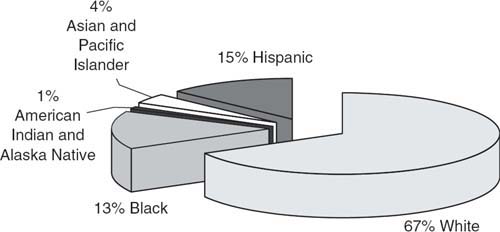
Child abuse is any conduct or failure to act by an adult resulting in sexual, physical, and emotional abuse and neglect of a child under the age of 18. Race is used to distinguish persons from others based on either physical characteristics or ethnicity. Each year, disproportionately high numbers of abused Black children are removed from their families and placed into the U.S. child welfare system. Overrepresentation exists when a racial group of children are represented in foster care at a higher rate than they are represented in the general population. For example, Black children constitute 27% of the U.S. foster care population (Figure 1), but 13% of the total U.S. child population (Figure 2). In contrast, White, American Indian, and Alaska Native children are underrepresented in foster care compared to their representation in the U.S. child population.
Differences in the relationships between race and child abuse occur in the substantiation of child abuse, placement in out-of-home care, length of stay in foster care, and reentry into foster care after attempts at family reunification by child protection agencies. Researchers have sought to identify, examine, and understand the issues related to race, child abuse, and child protection.
In the literature, explanations of child abuse are inconclusive regarding the incidences of child abuse and neglect by race. There is an ongoing debate about whether or not the disproportionality by race in foster care reflects racial differences in the incidence of risk factors associated with child abuse. These risk factors may include domestic violence, social isolation, alcohol and drug abuse, parental incarceration, and poverty. For example, studies have shown that the effect of poverty interacts with domestic violence and substance abuse, which can increase the likelihood of child abuse. Thus, if minority populations are disproportionately poor, a disproportionate number of minority children will enter foster care.
Figure 1 U.S. Foster Care Population by Race, 2001
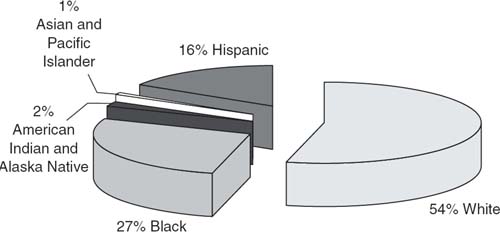
Figure 2 U.S. Child Population by Race, 2001
It is the responsibility of child protection agencies to ensure the protection and safety of children who are victims of abuse and neglect. Routinely, child protection agencies are criticized for being racist and biased toward minority children. As a result, child protection agencies, along with state and local leaders, have made racial equity a priority in the best interest of families. Relatedly, inconsistency in the treatment of Black and other minority youth has prompted agencies and organizations to become more proactive by creating or improving cultural sensitivity and diversity training.
Although protecting children developed out of the efforts of religious and charitable groups, child protection services are the primary function of state governments. Historically, child welfare provisions were based upon English and patriarchal traditions. Both women and children were the property of their husband or father. This guaranteed the right of men to discipline their families any way they saw fit, inclusive of severe beating, as well as sexual and mental abuse of close relatives. During early colonial times, children were required to work in factories, workhouses, and apprenticeships under hazardous conditions as young as 5 years of age in order to support their families. It was not until 1874, with the case of Mary Ellen Wilson, the first child abuse case in America, that reformers began to recognize that children needed protection against abuse. This started the House of Refuge movement, a strict educational home, where children did not have to deal with harsh labor, poverty, or the corruption that came with city life. Conversely, this early form of child protection provision was exclusively for White abused children.
...
- Biographies
- Abu-Jamal, Mumia
- Bonger, Willem Adriaan
- Brown, Lee P.
- Bully-Cummings, Ella
- Byrd, James, Jr.
- Cochran, Johnnie
- Davis, Angela
- Du Bois, W. E. B.
- Ferguson, Colin
- Frazier, E. Franklin
- Goetz, Bernard
- Harvard, Beverly
- Higginbotham, A. Leon, Jr.
- Houston, Charles Hamilton
- Jackson, George
- King, Rodney
- Mann, Coramae
- McVeigh, Timothy
- Peltier, Leonard
- Pictou-Aquash, Anna Mae
- Thomas, Clarence
- Till, Emmett
- Walker, Zachariah
- Ward, Benjamin
- Wells-Barnett, Ida B.
- Wilson, Genarlow
- Work, Monroe Nathan
- Cases
- Batson v. Kentucky
- Brown v. City of Oneonta
- Brown v. Mississippi
- Castaneda v. Partida
- Coker v. Georgia
- Dred Scott Case
- Duke University Assault Case
- Escobedo v. Illinois
- Furman v. Georgia
- Gregg v. Georgia
- Illinois v. Wardlow
- In re Gault
- Jena 6
- Johnson v. California
- Kennedy v. Louisiana
- Kimbrough v. United States
- Mapp v. Ohio
- Martinsville Seven
- Maryland v. Wilson
- McCleskey v. Kemp
- Miranda v. Arizona
- Missouri v. Celia, a Slave
- Moore v. Dempsey
- Norris v. Alabama
- O. J. Simpson Case
- Oliphant v. Suquamish Indian Tribe
- Powell v. Alabama
- Roper v. Simmons
- State v. Soto
- Tennessee v. Garner
- Terry v. Ohio
- Till, Emmett
- United States v. Antelope
- United States v. Armstrong
- United States v. Booker
- United States v. Brignoni-Ponce
- United States v. Wheeler
- Whren v. United States
- Concepts and Theories
- “Truly Disadvantaged”
- Alienation
- Biological Theories
- Birth of a Nation, The
- Black Criminology
- Black Ethnic Monolith
- Black Feminist Criminology
- Chicago School of Sociology
- Code of the Streets
- Colonial Model
- Community Policing
- Conflict Theory
- Conservative Criminology
- Convict Criminology
- Convict Lease System
- Cool Pose
- Crime Statistics and Reporting
- Criminalblackman
- Critical Race Theory
- Critical White Studies
- Culture Conflict Theory
- Deportation
- Discrimination-Disparity Continuum
- Environmental Crime
- Environmental Racism
- Ethnicity
- Fear of Crime
- Focal Concerns Theory
- Focal Concerns Theory, Labeling
- Gender Entrapment Theory
- General Theory of Crime
- Ghetto, Ethnoracial Prison
- Great Migration
- Hurricane Katrina
- Hypermasculinity
- Inequality Theory
- Institutional Racism
- IQ
- Labeling Theory
- Latina/o Criminology
- Marshall Hypotheses
- Masculinity and Crime
- Minority Group Threat
- Moral Panics
- Myth of a Racist Criminal Justice System
- Peace Pledge
- Petit Apartheid
- r/K Theory
- Racial Hoax
- Racialization of Crime
- Restorative Justice
- Scarface Myth
- Social Capital
- Social Construction of Reality
- Social Control Theory
- Social Disorganization Theory
- Social Distance
- Social Justice
- Strain Theory
- Structural-Cultural Perspective
- Subculture of Violence Theory
- White Crime
- White Privilege
- Corrections
- Attica Prison Revolt
- Boot Camps, Adult
- Boot Camps, Juvenile
- Chain Gangs
- Disproportionate Incarceration
- Faith-Based Initiatives and Prisons
- Felon Disenfranchisement
- Innocence Project
- Intermediate Sanctions
- Political Prisoners
- Prison Abolition
- Prison Gangs
- Prison, Judicial Ghetto
- Prisoner Reentry
- Prisoners, Infectious Diseases and
- Private Prisons
- Recidivism
- Statistics and Race and Crime: Accessing Data Online (Appendix B)
- Supermax Prisons
- Wrongful Convictions
- Courts
- Baldus Study
- Capital Jury Project
- Drug Courts
- Jury Nullification
- Jury Selection
- Native American Courts
- Plea Bargaining
- Presentencing
- Race Card, Playing the
- Sentencing
- Sentencing Disparities, African Americans
- Sentencing Disparities, Latina/o/s
- Sentencing Disparities, Native Americans
- Statistics and Race and Crime: Accessing Data Online (Appendix B)
- Wilmington Ten
- Drugs
- Anti-Drug Abuse Acts
- CIA Drug Scandal
- Cocaine Laws
- Crack Babies
- Crack Epidemic
- Crack Mothers
- Decriminalization of Drugs
- Drug Cartels
- Drug Courts
- Drug Dealers
- Drug Sentencing
- Drug Sentencing, Federal
- Drug Trafficking
- Drug Treatment
- Drug Use
- Drug Use by Juveniles
- Harrison Narcotics Tax Act of 1914
- Methamphetamine
- Native Americans and Substance Abuse
- Statistics and Race and Crime: Accessing Data Online (Appendix B)
- Tulia, Texas, Drug Sting
- War on Drugs
- Juvenile Justice
- At-Risk Youth
- Black Codes
- Boot Camps, Juvenile
- Center for the Study and Prevention of Violence
- Child Savers
- Children of Female Offenders
- Cultural Literacy
- Culturally Specific Delinquency Programs
- Delinquency and Victimization
- Delinquency Prevention
- Disproportionate Minority Contact and Confinement
- Evidence-Based Delinquency Prevention for Minority Youth
- Faith-Based Initiatives and Delinquency
- Family and Delinquency
- Female Juvenile Delinquents
- General Theory of Crime
- Hip Hop, Rap, and Delinquency
- Houses of Refuge
- Juvenile Crime
- Juvenile Drug Courts
- Juvenile Waivers to Adult Court
- Mentoring Programs
- Reformatories
- School Shootings
- Self-Esteem and Delinquency
- Statistics and Race and Crime: Accessing Data Online (Appendix B)
- Status Offenses
- Superpredators
- Victimization, Youth
- Violent Juvenile Offenders
- Youth Gangs
- Youth Gangs, Prevention of
- Zero Tolerance Policies
- Media
- Blaxploitation Movies
- Media Portrayals of African Americans
- Media Portrayals of Asian Americans
- Media Portrayals of Latina/o/s
- Media Portrayals of Native Americans
- Media Portrayals of White Americans
- Media, Print
- Movies
- Public Opinion Polls
- Public Opinion, Death Penalty
- Public Opinion, Juvenile Delinquency
- Public Opinion, Police
- Public Opinion, Punishment
- Television Dramas
- Television News
- Television Reality Shows
- Video Games
- Organizations
- 100 Blacks in Law Enforcement Who Care
- Alliance for Justice
- Anti-Defamation League
- Atlanta University School of Sociological Research
- Baldus Study
- Black Panther Party
- Brown Berets
- Bureau of Indian Affairs
- Guardians, The (Police Associations)
- Historically Black Colleges and Universities
- John Jay College Center on Race, Crime and Justice
- Ku Klux Klan
- Latino Justice PRLDEF
- League of United Latin American Citizens
- NAACP Legal Defense Fund
- Nation of Islam
- National African American Drug Policy Coalition
- National American Indian Court Judges Association
- National Association for the Advancement of Colored People (NAACP)
- National Association of Blacks in Criminal Justice
- National Commission on Law Observance and Enforcement
- National Council of La Raza
- National Criminal Justice Association
- National Native American Law Enforcement Association
- National Organization of Black Law Enforcement Executives
- National Tribal Justice Resource Center
- National Urban League
- Northeastern University Institute on Race and Justice
- Sentencing Project, The
- Southern Poverty Law Center
- U.S. Department of Justice, Office of Civil Rights
- Universal Negro Improvement Association
- Vera Institute of Justice
- W. Haywood Burns Institute for Juvenile Justice Fairness and Equity
- Police
- Boston Gun Project
- COINTELPRO and Covert Operations
- Disproportionate Arrests
- DNA Profiling
- Police Accountability
- Police Action, Citizens' Preferences
- Police Corruption
- Police Use of Force
- Profiling, Ethnic: Use by Police and Homeland Security
- Profiling, Mass Murderer
- Profiling, Racial: Historical and Contemporary Perspectives
- Profiling, Serial Killer
- Rampart Investigation
- Slave Patrols
- Statistics and Race and Crime: Accessing Data Online (Appendix B)
- Tasers
- Tribal Police
- Public Policy
- Anti-Drug Abuse Acts
- Chinese Exclusion Act
- Christopher Commission
- Dyer Bill
- Gang Injunctions
- Hate Crimes Statistics Act
- Immigration Legislation
- Immigration Policy
- Indian Civil Rights Act
- Indian Self-Determination Act
- Ku Klux Klan Act
- Mandatory Minimums
- Mediation in Criminal Justice
- Mollen Commission
- National Commission on Law Observation and Enforcement
- No-Fly Lists
- Omnibus Crime Control and Safe Streets Act
- Operation Wetback
- President's Commission on Law Enforcement and Administration of Justice
- President's Initiative on Race
- Racial Justice Act
- Three Strikes Laws
- Tuskegee Syphilis Study
- War on Terror
- Willie Bosket Law
- Race Riots
- Specific Populations
- African American Gangs
- African Americans
- Arab Americans
- Asian American Gangs
- Asian Americans
- Consumer Racial Profiling
- Dehumanization of Blacks
- European Americans
- Female Gangs
- Human Trafficking
- Immigrants and Crime
- Jamaican Posse
- Japanese Internment
- Latina/o/s
- Latino Gangs
- Mara Salvatrucha (MS-13)
- Mariel Cubans
- Militias
- Minutemen
- Model Minorities
- Native Americans
- Native Americans and Substance Abuse
- Native Americans: Culture, Identity, and the Criminal Justice System
- Prison Gangs
- Rastafarians
- Religious Minorities
- Statistics and Race and Crime: Accessing Data Online (Appendix B)
- Violent Females
- White Gangs
- White Supremacists
- Wilmington Ten
- Violence and Crime
- Anti-Semitism
- Central Park Jogger
- Child Abuse
- D.C. Sniper
- Domestic Violence
- Domestic Violence, African Americans
- Domestic Violence, Latina/o/s
- Domestic Violence, Native Americans
- Elder Abuse
- Gambling
- Gringo Justice
- Hate Crimes
- HIV/AIDS
- Homicide Seriousness Dyad
- Immigrants and Crime
- Interracial Crime
- Intraracial Crime
- Lynching
- Native American Massacres
- Opium Wars
- Organized Crime
- Racial Conflict
- Sixteenth Street Baptist Church Bombing
- Skinheads
- Slave Rebellions
- Slavery and Violence
- Statistics and Race and Crime: Accessing Data Online (Appendix B)
- Stop Snitching Campaign
- Victim and Witness Intimidation
- Victim Services
- Victimization, African American
- Victimization, Asian American
- Victimization, Latina/o
- Victimization, Native American
- Victimization, White
- Vigilantism
- Violence Against Girls
- Violence Against Women
- Violent Crime
- Wilding
- Zoot Suit Riots
- Loading...
Get a 30 day FREE TRIAL
-
 Watch videos from a variety of sources bringing classroom topics to life
 -
Read modern, diverse business cases
-
Explore hundreds of books and reference titles

Read next

More like this
Sage Recommends
We found other relevant content for you on other Sage platforms.
Have you created a personal profile? Login or create a profile so that you can save clips, playlists and searches