
Entry
Reader's guide
Entries A-Z
Subject index
Page, Arthur W.
Arthur Wilson Page (1883–1960) is one of the most important pioneers of corporate public relations in United States history. As vice president and head of the Information Department at American Telephone and Telegraph from 1927 to 1947, Page—the first public relations person to achieve that rank—developed and institutionalized many of the strategies and tactics that are still commonly used in the practice, particularly in his use of research to guide policy. During World War II, he assisted with government public information activities and drafted the news release that announced the use of the first atomic bomb. After the war he spent a dozen years as an independent counselor. Unlike most public relations professionals, then or now, Page became a member of the boards of directors of AT&T, Continental Oil, and Chase National Bank. He was a trustee of the Metropolitan Museum of Art, the Carnegie Corporation, and the J. Pierpont Morgan Library and volunteered for countless other philanthropic organizations. He is still counted among the field's outstanding practitioners, and the Arthur W. Page Society, an organization for senior public relations and corporate communications executives, was founded in 1983 to promote his principled approach to public relations.
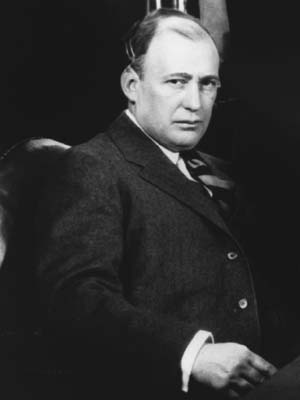
Arthur W. Page
Birth and Education
Page was born on September 10, 1883, in Aberdeen, North Carolina, the second of four children of Willia Alice Wilson Page and Walter Hines Page. Walter Page wrote for and edited several prestigious publications, including Harper's and the Atlantic Monthly, before founding the publishing house Doubleday, Page and Company, where he served as literary editor of World's Work magazine. The Pages were Methodists and Democrats, both of which young Arthur became as well.
Arthur Page was educated at the Cambridge (Massachusetts) Latin School from 1896 to 1899 and the Lawrenceville (New Jersey) School from 1899 to 1901, and he graduated from Harvard College in 1905. At Harvard he was a member of the Hasty Pudding, two literary societies, and a Southern Club that he had organized. Although his academic career culminated in an undistinguished “gentleman's C,” he never stopped working on behalf of education, raising funds to educate African American teachers, serving on the Board of Overseers at Harvard, becoming a trustee at Columbia Teacher's College, and spearheading a corporate giving campaign for colleges and universities generally. He was honored with Doctor of Law degrees by Columbia University in 1954 and by Williams College in 1959.
Early Career
Page said he wanted to be an architect, but his father wanted him to go into the family business. While at Harvard, Arthur wrote for The Advocate, contributing almost all of the editorials published during his senior year, and he spent his summers at World's Work, proofreading and collecting pictures for the public affairs magazine. World's Work published 21 feature articles under Arthur's byline after he went there full-time in 1905.
Page began to assume more responsibility, both at home and at work. In 1911, he became managing editor. He married Mollie W. Hall of Milton, Massachusetts, on June 1, 1912. When his father went to London to serve as U.S. ambassador from 1913 to 1918, Arthur took charge of the magazine. Toward the end of World War I, Page went to France to help prepare propaganda for the Allied Expeditionary Force's Psychological Subsection. This group created leaflets on such topics as the amount of food army regulations provided for prisoners. The army dropped millions of the leaflets by airplane during the last two or three months of the war in hopes of convincing German soldiers to surrender.
...
- Crisis Communication and Management
- Cyberspace
- Ethics
- Global Public Relations
- Africa, practice of public relations in
- Asia, practice of public relations in
- Australia and New Zealand, practice of public relations in
- Canada, practice of public relations in
- Confederation Europeenne des Relations Publiques (CERP)
- Europe, practice of public relations in
- Institute of Public Relations (IPR)
- International Public Relations Association
- South Africa, practice of public relations in
- Sweden, practice of public relations in
- Groups
- History
- Age of deference (end of)
- Ailes, Roger Eugene
- Antecedents of modern public relations
- Baker, Joseph Varney
- Barkelew, Ann H.
- Barnum, P. T.
- Battle of the currents
- Baxter, Leone, and Whitaker, Clem
- Beeman, Alice L.
- Berlowe, Phyllis
- Bernays, Edward
- Black, Sam
- Block, Ed
- Bogart, Judith S.
- Boulwarism
- Burson, Harold
- Byoir, Carl
- Chase, W. Howard
- Colorado Coal Strike
- Committee on Public Information
- Crisis communications and the Tylenol poisonings
- Cutlip, Scott M.
- Davis, Elmer, and the Office of War Information
- Deontology
- Drobis, David
- Druckenmiller, Robert T.
- Dudley, Pendleton
- Ellsworth, James Drummond
- Epley, Joe
- Exxon and the Valdez crisis
- Fleischman, Doris Elsa
- Four-Minute Men
- Frede, Ralph E.
- Golin, Al
- Gregg, Dorothy
- Griswold, Denny
- Hammond, George
- Hill, John Wiley
- Hood, Caroline
- Hoog, Thomas W.
- Howlett, E. Roxie
- Hunter, Barbara W.
- Industrial barons (of the 1870s–1920s)
- Insull, Samuel
- Jaffe, Lee K.
- Kaiser, Inez Y.
- Kassewitz, Ruth B.
- Kendrix, Moss
- Laurie, Marilyn
- Lee, Ivy
- Lesly, Phillip
- Lobsenz, Amelia
- Lucky Strike Green Campaign
- Muckrakers (and the age of progressivism)
- Newsom, Earl
- Oeckl, Albert
- Page, Arthur W.
- Parke, Isobel
- Parker, George
- Penney, Pat
- Perjury
- Plank, Betsy
- Propaganda
- Railroad industry in the 19th century
- Regulated monopolies
- Roberts, Rosalee A.
- Ross, Thomas J. “Tommy”
- Schoonover, Jean
- Smith, Rea
- Sonnenberg, Ben
- Spin
- Traverse-Healy, Tim
- Jargon
- Actuality
- Advance
- Backgrounder
- Beat
- Benchmarking
- Bio
- Bridge
- Byline
- Campaign
- Caption/cutline
- Chat
- Clip (news clip) and clipping services
- Co-optation
- Collateral
- Communitarianism
- Control
- Copy
- Credits
- Culture
- De-positioning
- Deadline
- Dialogue
- Differentiation
- Direct mail
- Discussion board
- Doublespeak
- Editing
- Editorial
- Endorsement
- Environmental scanning
- Event
- Fact sheet
- FAQs
- Feature
- Flack
- Flame
- Flier
- Focus group
- Font
- Frame
- Freelance writers
- Fundraising
- Gatekeepers
- Ghostwriting
- Goals
- Goodwill
- Graphics
- Gross impressions
- Hearing
- Hold and Hold for release
- Home page
- Hotline
- Human interest
- Hyperlink
- Identification
- Image
- Impressions
- Infomercial
- Internship
- Issues management
- Layout
- Legitimacy and legitimacy gap
- Lobbying
- Localize
- Logo
- Market share
- Mean and median
- Measuring/measures
- Media calls
- Media conferences
- Media effects
- Media relations
- Media release
- Mentoring
- Mission and vision statements
- Multimedia
- Narrowcasting/broadcasting
- News and newsworthy
- News services
- News story
- Newsletter
- Op-ed
- Openness
- Opportunity and threat
- Parent/student newsletter
- Perjury
- Philanthropy
- Photo-op
- Pitch letter
- Political speech
- Portfolio
- Position and positioning
- Practice
- Press agentry
- Press kit
- Privatizing public opinion (and “publictizing” private opinion)
- Proactivity and reactivity
- Professional and professionalism
- Promotion
- Propaganda
- Psychographics
- Psychological processing
- Public affairs
- Public interest
- Public opinion and opinion leaders
- Public relations department
- Public sector
- Public service announcements (PSAs)
- Publicist
- Publicity
- Publics
- Puffery
- Pyramid style
- Reach
- Reliability
- Reputation management
- Return on investment
- Risk communication
- Sampling
- Scales
- Search engine
- Segmentation
- Society
- Sound bite
- Spin
- Stakes
- Straight news
- Strain
- Strategies
- Stylebook
- Survey
- Symmetry
- Tactics
- Tag
- Target
- Third-party endorsement
- Trade associations (and Hill & Knowlton's role in)
- Trust
- Two-way and one-way communication
- Validity
- Wire service
- Management
- Media
- Organizations
- Agenda Online
- Business Wire
- Committee on Public Information
- Confederation Europeenne des Relations Publiques (CERP)
- Davis, Elmer, and the Office of War Information
- EDGAR Online
- Editor and publisher
- Federal Communications Commission
- Federal Trade Commission
- Institute for Public Relations (IPR)
- International Association of Business Communicators (IABC)
- International Public Relations Association
- Issue Management Council
- National Black Public Relations Society (NBPRS)
- National Investor Relations Institute
- PR Newswire
- PR Watch
- ProfNet
- Public Affairs Council
- Public Relations Society of America
- Public Relations Student Society of America
- Securities and Exchange Commission
- Practitioners
- Ailes, Roger Eugene
- Baker, Joseph Varney
- Barkelew, Ann H.
- Barnum, P. T.
- Baxter, Leone, and Whitaker, Clem
- Beeman, Alice L.
- Berlowe, Phyllis
- Bernays, Edward
- Black, Sam
- Block, Ed
- Bogart, Judith S.
- Burson, Harold
- Byoir, Carl
- Chase, W. Howard
- Cutlip, Scott M.
- Davis, Elmer, and the Office of War Information
- Drobis, David
- Druckenmiller, Robert T.
- Dudley, Pendleton
- Ellsworth, James Drummond
- Epley, Joe
- Fleischman, Doris Elsa
- Frede, Ralph E.
- Golin, Al
- Gregg, Dorothy
- Griswold, Denny
- Hammond, George
- Hill, John Wiley
- Hood, Caroline
- Hoog, Thomas W.
- Howlett, E. Roxie
- Hunter, Barbara W.
- Insull, Samuel
- Jaffe, Lee K.
- Kaiser, Inez Y.
- Kassewitz, Ruth B.
- Kendrix, Moss
- Laurie, Marilyn
- Lee, Ivy
- Lesly, Phillip
- Lobsenz, Amelia
- Newsom, Earl
- Oeckl, Albert
- Page, Arthur W.
- Parke, Isobel
- Parker, George
- Penney, Pat
- Plank, Betsy
- Roberts, Rosalee A.
- Ross, Thomas J. “Tommy”
- Schoonover, Jean
- Smith, Rea
- Sonnenberg, Ben
- Traverse-Healy, Tim
- Vail, Theodore Newton
- Relations
- Africa, practice of public relations in
- Alumni relations
- Annual community reports
- Antecedents of modern public relations
- Asia, practice of public relations in
- Australia and New Zealand, practice of public relations in
- Canada, practice of public relations in
- Codes of public relations practice
- College and university public relations
- Community relations
- Confederation Europeenne des Relations Publiques (CERP)
- Consumer/customer relations
- Europe, practice of public relations in
- Functions of public relations
- Government relations
- Institute of Public Relations (IPR)
- International Public Relations Association
- Investor relations
- Labor union public relations
- Managing the corporate public relations department
- Media relations
- Minorities in public relations
- National Black Public Relations Society (NBPRS)
- Online public relations
- Postcolonialism theory and public relations
- Public relations
- Public relations agency
- Public relations department
- Public Relations Field Dynamics (PRFD)
- Public relations research
- Public Relations Society of America
- Public Relations Student Society of America
- South Africa, practice of public relations in
- Sweden, practice of public relations in
- Travel and tourism public relations
- United Kingdom, practice of public relations in
- United States government and public relations
- Voter and constituent relations
- Warfare and public relations
- Women in public relations
- Reports
- Research and Analysis
- Benchmarking
- Case study
- Content analysis
- Experiment/experimental methods
- Fantasy theme analysis theory
- Focus group
- Formative research
- Interview as a research tool
- Process research
- Public relations research
- Qualitative research
- Quantitative research
- Reliability
- Research goals
- Sampling
- Scales
- Situation analysis
- Statistical analysis
- Survey
- Validity
- Theories and Models
- Accommodation: contingency theory
- Agenda-setting theory
- Apologia theory
- Attribution theory
- Chaos and complexity theory
- Co-creation of meaning theory
- Co-orientation theory
- Communitarianism
- Constructionism theory
- Contingency theory
- Critical theory
- Cultivation theory
- Decision theory
- Diffusion of innovations theory
- Discourse theory
- Dramatism and dramatism theory
- Encroachment theory
- Excellence theory
- Fantasy theme analysis theory
- Feminization theory
- Framing theory
- Game theory
- Health Belief Model
- Image restoration theory
- Impression management theory
- Information integration theory
- Intercultural communication theory
- Interpersonal communication theory
- Learning theory
- Management theory
- Motivation theory
- Narrative theory
- Network theory
- Perspectivism theory
- Persuasion theory
- Postcolonialism theory and public relations
- Power resource management theory
- Reinforcement theory
- Relationship management theory
- Rhetorical theory
- Rules theory
- Semiotics theory
- Situational theory of publics
- Social construction of reality theory
- Social exchange theory
- Social movement theory
- Spiral of silence theory
- Stakeholder theory
- Subjective expected utilities theory
- Symbolic interactionism theory
- Systems theory
- Theory of reasoned action
- Theory-based practice
- Transtheoretical model of behavior change
- Two-step flow theory
- Uncertainty reduction theory
- Uses and gratifications theory
- Loading...
Get a 30 day FREE TRIAL
-
 Watch videos from a variety of sources bringing classroom topics to life
 -
Read modern, diverse business cases
-
Explore hundreds of books and reference titles

Read next

More like this
Sage Recommends
We found other relevant content for you on other Sage platforms.
Have you created a personal profile? Login or create a profile so that you can save clips, playlists and searches