
Entry
Reader's guide
Entries A-Z
Subject index
Surfing
Surfing is a surface water sport in which the participant is carried along the face of a breaking wave. Usually, an elongated surfboard is used to ride the wave, but shorter kneeboards and bodyboards can also be used. Originally developed in ancient Polynesia, surfing became a popular recreation in America during the mid-20th century and subsequently spread around the world. The rising popularity of surfing saw the introduction of professional competitions and the rise of a multibillion-dollar industry producing surfboards and surfing-related fashions and accessories. Distinctive lifestyles and subcultures also developed around surfing and surfers, with their own attitudes, codes of behavior, and folk heroes.
Surfing originated in ancient Polynesian societies, where it was deeply embedded in religion, myth, and culture. By the early 20th century, however, only a small number of people continued to surf, mainly at Waikiki Beach in Hawaii. Yet interest in the sport began to grow during the 1900s. Beginning in 1912, Duke Kahanamoku, a Hawaiian Olympic swimmer, began to popularize the sport on the United States mainland and in Australia. Subsequently, surfing developed as an integral part of beach life, especially in California, where Malibu Beach in Los Angeles county lent its name to the long, heavy, wooden “Malibu” surfboards (up to 15 feet in length) favored by surfers at that time.
20th-century Fad
From the 1920s to the 1940s, surfing was popular among a fraternity of hardy participants (many of whom were lifeguards) on the American West Coast. It was during the late 1950s, however, that the sport underwent exponential growth. This was partly because of a revolution in surfboard design and manufacture. The introduction of new materials such as polyurethane foam and fiberglass allowed the introduction of shorter and more lightweight surfboards. Longboards remained popular, but the introduction of shortboards (which averaged 6 feet 6 inches in length) allowed surfers to achieve faster speeds and make tighter turns and quicker maneuvers. This not only radically changed the way people surfed but also significantly increased the appeal of the sport.
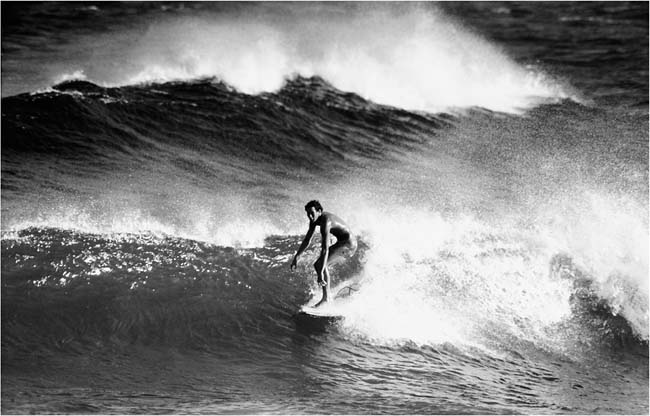
As Drew Kampion, an author of several books on surfing and former editor of Surfer magazine, stated, “Surfing is the simple act of walking on water,” and the history of surfing is “the sum total of all waves ever ridden.”
By the late 1950s, a discernable surfing culture was taking shape. Along the Los Angeles and Orange County coastlines, an army of young surfers loaded their boards onto their “woodies” (wooden-paneled station wagons that represented the surfer's quintessential transport) and set out to pit their skills against the waves at a host of evocatively named surfing spots—Zuma Beach, Paradise Cove, The Wedge, Doheny, Mile Zero, Trestles, and many more. Surfing also grew in popularity along the American East Coast, Hawaii, Australia, and South Africa.
The growth of surfing was part of a general expansion of leisure industries geared to the teenage market during the 1950s and 1960s. During the early 1960s, especially, surfing developed into a major teenage pastime. The growing popularity of the sport was galvanized by the release of numerous movies with a surfing theme—for example, Gidget (1959) and Beach Party (1963)—and the success of surfing-oriented pop songs released by pop groups such as the Beach Boys and Jan and Dean.
...
- Billiards
- Bowling
- Charades
- Crosswords
- Darts
- Dice
- Dominoes and Variations of
- Hobbies
- I Spy
- Mazes
- Musical Chairs
- Odd Man Out
- Parlor Games
- Password
- Puzzles
- Skittles
- Stock Market Games
- Sudoku
- Tic-Tac-Toe
- Trivial Pursuit
- Twenty Questions
- Who Am I?
- Word Games (Other Than Crosswords)
- Backgammon
- Battleships
- Bingo
- Boggle
- Checkers and Variations of
- Chess and Variations of
- Chinese Checkers
- Diplomacy
- Dungeons & Dragons
- Go
- Hand and Foot
- Life
- Mahjong
- Monopoly and Variations of
- Ouija Board
- Peg Boards
- Probe
- Risk, the Game
- Scrabble
- Snakes and Ladders
- Stratego
- Trivial Pursuit
- Warhammer
- Ace-Deuce-Jack
- All Fives
- Auction Pitch
- Baccarat
- Beggar My Neighbor
- Bezique
- Blackjack
- Boston
- Brag
- Bridge and Variations of
- Casino
- Cribbage
- Donkey
- Ecarté
- Euchre
- Faro
- Fish
- Hearts
- Loo
- Memory and Play
- Mille Bornes
- Monte Bank
- Napoleon
- Old Maid
- Pinochle
- Piquet
- Play or Pay
- Poker and Variations of
- Pope Joan
- Preference
- Racing Demon
- Rolling Stone
- Rummy and Variations of
- Sequence
- Seven Up
- Skat
- Slapjack
- Solitaire and Variations of
- Spit
- Spoil Five
- War
- Whist
- Ziginette
- Blind Man's Bluff
- Car and Travel Games
- Clapping Games
- Erector Sets
- Finger Games
- Frisbee
- Hares and Hounds
- Hide and Seek
- Hit the Rat
- Jacks
- Jump Rope
- Kick the Can
- Leapfrog
- London Bridge
- Marbles
- Marco Polo
- Piggy in the Middle
- Pinball
- Pin the Tail on the Donkey
- Playing “Doctor”
- Playing “House”
- Pokémon
- Pretending
- Punch & Judy
- Rock Paper Scissors
- Sand Play
- Singing Games
- Softball
- Speech Play
- Spinning Tops
- Table Hockey
- Table Soccer
- Tag
- Tiddlywinks
- Tinkertoys
- Tree Houses
- Water Play
- Africa, Traditional Play in
- Ancient China
- Ancient Egypt
- Ancient Greece
- Ancient India
- Ancient Rome
- Assyrian/Babylonian Culture
- Australian Aborigine
- Central Asia, Ancient
- Europe, 1200 to 1600
- Europe, 1600 to 1800
- Europe, 1800 to 1900
- Europe, 1900 to 1940
- Europe, 1940 to 1960
- Europe, 1960 to Present
- History of Playing Cards
- Mesoamerican Cultures
- Native Americans
- New Zealand Maori
- South Americans, Traditional Cultures
- Spanish America
- United States, 1783 to 1860
- United States, 1860 to 1876
- United States, 1876 to 1900
- United States, 1900 to 1930
- United States, 1930 to 1960
- United States, 1960 to Present
- United States, Colonial Period
- Vikings
- Athletics (Amateur)
- Ballooning
- Baseball (Amateur)
- Basketball (Amateur)
- Bicycles
- Bocee
- Boules
- Bungee Jumping
- Cracking the Whip
- Cricket (Amateur)
- Croquet
- Curling (Scottish)
- Dodgeball
- Fishing
- Folk Dancing
- Football (Amateur)
- Highland Games
- Golf (Amateur)
- Hockey (Amateur)
- Horse Racing (Amateur)
- Kayaking and Canoeing
- Kite Flying
- Maypole Dancing
- Morris Dancing
- Music, Playing
- Netball
- Paintball
- Ping Pong
- Rodeos
- Roller Coasters
- Rugby (Amateur)
- Sailing
- Skateboarding
- Skating
- Skiing
- Snail Racing
- Snowboarding
- Soccer (Amateur) Worldwide
- Stilts
- Surfing
- Swimming (Amateur)
- Tennis (Amateur) and Variations of
- Volleyball (Amateur)
- Academic Learning and Play
- Models
- Montessori
- Mother-Child Play
- Play and Evolution
- Play and Literacy
- Play in the Classroom
- Recess
- Teacher-Child Co-Play
- Toys and Child Development
- Afghanistan
- Albania
- Algeria
- Arctic Play (First Nations)
- Argentina
- Armenia
- Australia
- Austria
- Azerbaijan
- Bahamas and Caribbean
- Belarus
- Belgium
- Bolivia
- Bosnia and Herzegovina
- Brazil
- Bulgaria
- Cambodia
- Canada
- Central American Nations
- Chile
- China
- Colombia
- Congo
- Croatia
- Cuba
- Cyprus
- Czech Republic
- Denmark
- Ecuador
- Egypt
- Estonia
- Ethiopia
- Finland
- France
- Georgia
- Germany
- Ghana
- Greece
- Hungary
- Iceland
- India
- Indonesia
- Iran
- Iraq
- Ireland
- Israel
- Italy
- Japan
- Jordan
- Kazakhstan
- Kenya
- Korea, North and South
- Kyrgyzstan
- Laos
- Latvia
- Lebanon
- Liberia
- Lithuania
- Malaysia
- Mexico
- Myanmar
- Netherlands
- New Zealand
- Nigeria
- Norway
- Pakistan
- Paraguay
- Peru
- Philippines
- Poland
- Portugal
- Romania
- Russia
- Samoa
- Saudi Arabia
- Serbia and Montenegro
- South Africa
- Spain
- Sudan
- Sweden
- Switzerland
- Syria
- Tanzania
- Thailand
- Turkey
- Turkmenistan
- Ukraine
- United Kingdom
- Uruguay
- Uzbekistan
- Venezuela
- Vietnam
- Adlerian Play Therapy
- “Bad” Play
- Boys' Play
- Common Adventure Concept
- Daydreaming
- Experiential Learning Definitions and Models
- Fantasy Play
- Female Aggressive Relationships Within Play (Putallaz)
- Gambling
- Gamesmanship
- Games of Deception
- Girls' Play
- Homo Ludens (Huizinga)
- Human Relationships in Play
- Inter-Gender Play
- Luck and Skill in Play
- Piaget and Play
- Play Among Animals
- Play and Learning Theory
- Play and Power, Psychology of
- Play as Catharsis
- Play as Competition, Psychology of
- Play as Entertainment, Psychology of
- Play as Interspecies Communication (Pets)
- Play as Learning, Psychology of
- Play as Mastery of Nature
- Play as Mock War, Psychology of
- Play as Progress (Sutton-Smith)
- Play as Rehearsal of Reality
- Play Frames
- Playing Alone
- Pretending
- Psychoanalytic Theory and Play
- Psychological Benefits of Play
- Psychology of Play (Vygotsky)
- Rhetorics of Play (Sutton-Smith)
- Role-Playing
- Sex Play
- Social Psychology of Play
- Symbol Formation and Play
- Team Play
- Teasing
- Unstructured Play
- Amusement Parks
- Anti-Competition Play
- Arcades
- Caillois: Man, Play and Games
- Cityscapes as Play Sites
- Cooperative Play
- Costumes in Play
- Game Theory
- Organized or Sanctioned Play
- Play and Power, Sociology of
- Play as Competition, Sociology of
- Play as Entertainment, Sociology of
- Play as Learning, Sociology of
- Play as Mock War, Sociology of
- Playground as Politics
- Social Distinctions
- Sociological Benefits of Play
- Spontaneous Group Play
- Theology of Play
- Action Figures
- Blinky Bill
- Dolls, Barbie and Others
- G.I. Joe
- Gollywogs
- Hobby Horses
- Jigsaws
- Lead Soldiers
- LEGOs
- Meccano
- Paddington Bear
- Pet Rocks
- Rocking Horses
- Rubik's Cube
- Teddy Bears
- Wendy Houses
- Yo-Yos
- Airfix
- Amiga
- Avalon Hill
- Bandai
- Coleco
- Fisher-Price
- Galoob
- Hasbro
- Hornby
- Imperial Toy
- JAKKS Pacific Toys
- Kenner
- LEGOs
- Lionel
- LJN
- Matchbox
- McFarlane Toys
- Minifigs
- Parker Brothers
- Playmates
- Playskool
- Revell
- Strong National Museum of Play
- Tiger Electronics
- TOMY
- Toybiz
- Trendmasters
- TSR
- Waddington
- Wargames Research Group
- Age of Empires
- Battlefield 1942
- Civilization (I, II, III, IV)
- Cossacks (Napoleonic Wars)
- Counter-Strike
- Dragon Quest
- Dragon Warrior
- Dungeon Lords
- Flight Simulation
- GoldenEye 007
- Grand Theft Auto
- Legend of Zelda
- Maple Story
- Mario
- Minesweeper
- Mortal Kombat
- Runescape
- Silkroad Online
- SimCity
- Snake
- Solitaire
- Sonic the Hedgehog
- Street Fighter I and II
- Tetris
- Tomb Raider
- World of Warcraft
- Loading...
Get a 30 day FREE TRIAL
-
 Watch videos from a variety of sources bringing classroom topics to life
 -
Read modern, diverse business cases
-
Explore hundreds of books and reference titles

Read next

More like this
Sage Recommends
We found other relevant content for you on other Sage platforms.
Have you created a personal profile? Login or create a profile so that you can save clips, playlists and searches