
Entry
Reader's guide
Entries A-Z
Subject index
Monsanto
One of the world's most prominent and controversial companies, Monsanto Company is a multinational agricultural biotechnology corporation headquartered in St. Louis, Missouri. Its signature product is the world's best-selling herbicide, glyphosate, marketed under the trademark Roundup. However, the company is also extremely controversial, most notoriously for having produced the chemical defoliation material, (herbicide) “Agent Orange” during the Vietnam War, polychlorinated biphenyls (PCBs)—one of the world's most dangerous fertilizers, and more recently for its aggressive efforts to promote and protect Monsanto's rights to genetically engineered seed, and push genetically modified (GM) food. Monsanto began as a chemical company in 1901, but in the 1990s, through a series of mergers, splits, and acquisitions, reinvented itself as an agricultural company. According to the company Website, Monsanto invests almost $1.5 million in research and marketing that spans genomics, breeding, crop analytics, chemistry, and biotechnology.
The company identifies its key areas of interest as genomics, the discovery and identification of the functions of genes, biotech transformation—input (weed, disease, insect control) and output (quality, nutrition, yield), a key focus on seeds, with an attempt to establish dominant positions in canola, corn, and soybeans, and finally, new Roundup formulation research.
Monsanto is active in the use of nanotechnology in genetic engineering that has been termed synbio (also known as synthetic genomics, constructive biology, or systems biology) that is inspired by the convergence of nanoscale biology, computing, and engineering. Essentially, this is the design and construction of new biological parts, devices, and systems that do not exist in the natural world and the redesign of existing biological systems to perform specific tasks. Such engineering would allow gene synthesis to create new microbes and biological samples, sequenced and stored in digital form, to be transferred instantly across laboratories. Monsanto scientists became the first to genetically modify a plant cell in 1982, and in 1987, the company conducted the first field tests of genetically engineered crops.
Littigation and Lobbying
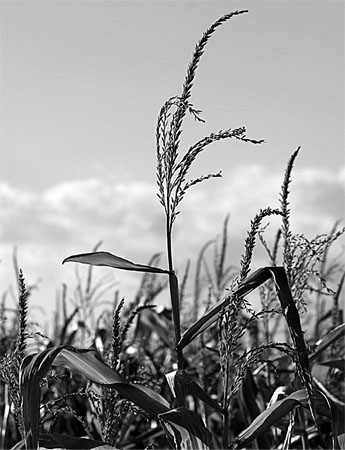
The company is also noted for its aggressive litigation, intense lobbying practices, and the intense anger it provokes among environmental activists and the antiglobalization movement. Genetic manipulation has awakened fears in the public, especially in Europe. Monsanto has been blamed for the failure of genetically modified crops, as for example in 2009, when South African farmers were hit by millions of dollars in lost income when 82,000 hectares of genetically manipulated corn failed to produce seeds despite an outwardly green and lush appearance. Monsanto has claimed that “underfertilization processes in the laboratory” were responsible for this, and has offered to compensate the farmers. Similar problems of crop failure have affected Monsanto seeds in India. Moreover, genetically modified products have led to paradoxical results, as for example, the inadvertent creation of evil pigweed, a “super weed” that is resistant to RoundUp. Pigweed can produce 10,000 seeds at a time, is drought resistant, and has very diverse genetics. It can grow to 3 meters high and easily smother young cotton plants.
Monsanto was blamed when its genetically modified corn failed to produce seeds despite a lush appearance.
Another area in which the company has been aggressive is in the enforcement of its intellectual property rights. From 1997 to July 2009, the company filed 138 lawsuits in the United States, from a customer base of 250,000 customers and others worldwide. In one of the most prominent cases of this nature, Monsanto sued Canadian farmer Percy Schmeiser in 1997 after Monsanto agents found the company's patented gene in canola plants on his farm near Saskatoon, Saskatchewan. After a lengthy legal battle, the case ended in a draw, with the court ruling that Schmeiser was not obliged to pay Monsanto damages or the company's legal costs, and agreeing with Schmeiser that the plant was a higher life form and cannot be patented, but upholding Monsanto's right to the patented gene.
...
- Art, Design, and Materials
- Bionanotechnology Centers
- Context
- Clinton, William J.
- Converging Technologies
- Feynman, Richard
- Fullerene
- Human Enhancement
- IPOs of Nanofirms
- Journal of Nanoparticle Research
- Microscopy, Atomic Force
- Microscopy, Electron (Including TEM and SEM)
- Microscopy, Exotic
- Microscopy, Optical
- Microscopy, Scanning Probe
- Microscopy, Scanning Tunneling
- Nanobiotechnology
- Nanohype
- Nanomaterials
- Nanotech Chronicles, The
- National Nanotechnology Coordination Office (U.S.)
- National Nanotechnology Infrastructure Network (U.S.)
- National Nanotechnology Initiative (U.S.)
- Nature Nanotechnology
- Prey
- Roco, Mihail
- Self-Replication
- Social Movements and Nanoscience
- Technology Assessment
- Technoscience
- Economics and Business
- Agrifood
- Artificial Intelligence
- Benny the Bear
- Commercial Incubators
- Commercialization
- Competitiveness and Technonationalism
- Computational Nanotechnology
- Consumer Products Inventory
- Corporate Research and Development
- Electronics and Information Technology
- Energy
- Entrepreneurs in Nanoscience
- Export Controls
- Food
- Food Packaging
- General Purpose Technology
- Globalization
- Intellectual Property Rights
- International Development
- iPod Nano
- IPOs of Nanofirms
- L'Oréal
- Lux Research
- Magic Nano
- Market Projections
- Market Resistance and Acceptance
- Nano-Bible
- NanoBusiness Alliance
- Nanoenabled Products in Commerce
- Nanogate (Tribological Coating for Automobiles)
- Nanointermediaries in Commerce
- Nanomanufacturing
- Nanomaterials in Commerce
- Nanophotovoltaics
- Nanotechnology in Manufacturing
- Nanotechnology Industries Association
- Nanotechnology Law and Business
- Nanotechnology Patent Class
- Patents
- Publicly Traded Nanofirms
- Titanium Dioxide
- Venture Capital
- Workers' Rights
- Workforce Development and Training
- Zinc Oxide
- Engagement and the Public
- Center for Nanotechnology in Society (ASU)
- Center for Nanotechnology in Society (UCSB)
- Center on Nanotechnology and Society (Kent School of Law)
- Centre for Applied Philosophy and Public Ethics (Australia)
- Centre for Bioethics and Public Policy
- Consensus Conference on Nanotechnology
- Democs
- Foresight Institute
- Friends of the Earth Nanotechnology Project
- Hyle
- International Council on Nanotechnology
- International Symposium on Nanotechnology, Occupational and Environmental Health
- Nanoforum
- Nanologues
- Nanoscale Undergraduate Education Program
- Nanotechnology Engagement Group (Involve)
- National Center for Learning and Teaching in Nanoscale Science and Engineering
- National Citizens' Technology Forum
- Popular Culture
- Public Attitudes Toward Nanotechnology
- Public Engagement
- Public Understanding of Nanotechnology
- Public Value Mapping
- Public Values
- Public Well-Being
- Science Cafés
- Environment and Risk
- “Grey Goo” Scenario
- Center for Biological and Environmental Nanotechnology
- Center for the Environmental Implications of NanoTechnology
- Department for Environment, Food and Rural Affairs (UK)
- Desalinization
- Environment Canada
- Environmental Benefits
- Environmental Defense Fund
- Environmental Ethics/Philosophy and Nanotechnology
- Environmental Protection Agency (U.S.)
- Ethics and Risk Analysis
- Federal Institute for Risk Assessment (Germany)
- Green Nanotechnology
- Health and Environmental Risks (Netherlands)
- Human Enhancement, Biological Risks
- International Risk Governance Council
- International Symposium on Nanotechnology, Occupational and Environmental Health
- Magic Nano
- Ministry of Environment (South Korea)
- Nano Risk Framework
- Nanomedicine, Toxicity Issues of
- Nanophotovoltaics
- Nanotech Environmental, Health, and Safety Roadmap
- Nanotoxicology
- Nanoweapons, Ethical Issues of
- National Institute of Environmental Health Sciences (U.S.)
- Occupational Safety and Health Administration (U.S.)
- Occupational Safety and Health Enforcement (U.S.)
- Risk Amplification
- Risk Assessment
- Risk Attenuation
- Risk Communication
- Risk Governance
- Risk Management
- Risk-Benefit Perceptions of Nanotechnology
- Water Purification
- Ethics and Values
- Access
- Bioethics
- Centre for Applied Philosophy and Public Ethics (Australia)
- Centre for Bioethics and Public Policy
- Codes of Conduct, Corporate
- Codes of Conduct, Professional
- Environmental Ethics/Philosophy and Nanotechnology
- Equity
- Ethics and Risk Analysis
- Human Enhancement, Biological Risks
- Journal of Lutheran Ethics
- Nano-Ethics
- NanoEthics
- Nanoethics Group
- NanoEthics Network
- NanoEthicsBank
- Nanomedicine, Ethical Issues of
- Nanoscientists as Moral Agents
- Nanoweapons, Ethical Issues of
- Neuroethics
- Privacy
- Public Attitudes Toward Nanotechnology
- Public Engagement
- Public Value Mapping
- Public Values
- Security
- Speculative Ethics
- United Nations Millennium Development Goals
- Geographies and Distribution
- Argentina
- Australia
- Berkeley, California, Local Regulatory Efforts
- Brazil
- California
- Cambridge, Massachusetts, Local Regulatory Efforts
- Canada
- China
- European Union
- France
- Geopolitical Implications
- Germany
- Global Value Chains
- Globalization
- Grenoble
- India
- Indigenous Nanotechnology
- International Development
- iPod Nano
- Iran
- Israel
- Italy
- Japan
- Mexico
- Nanodistricts
- Nanoenabled Products in Commerce
- Nanogate (Tribological Coating for Automobiles)
- Nanotechnology Foundation of Texas
- Nanotechnology Victoria
- Netherlands
- New York
- Regulation (Europe)
- Regulation (U.S.)
- Russia
- Singapore
- South Korea
- Switzerland
- Taiwan
- Trade Secrets and Nanotechnology
- United Kingdom
- United Nations Millennium Development Goals
- United States
- Governance
- 21st Century Nanotechnology Research and Development Act of 2003
- Anticipatory Governance
- Arms Control
- Berkeley, California, Local Regulatory Efforts
- Cambridge, Massachusetts, Local Regulatory Efforts
- Center for Nanotechnology in Society (ASU)
- Center for Nanotechnology in Society (UCSB)
- Center on Nanotechnology and Society (Kent School of Law)
- Congressional Nanotechnology Caucus
- Department for Environment, Food and Rural Affairs (UK)
- Department of Agriculture (U.S.)
- Department of Defense (U.S.)
- Department of Energy (U.S.)
- Department of Health (UK)
- Environmental Protection Agency (U.S.)
- Federal Institute for Occupational Safety and Health (Germany)
- Federal Ministry of Education and Research (Germany)
- Food and Consumer Goods Authority (Netherlands)
- Food and Drug Administration (U.S.)
- German Research Foundation
- Governance
- Intellectual Property Rights
- International Council on Nanotechnology
- Iran Nanotechnology Policy Studies Committee
- Joint Economic Committee, U.S. Congressional
- Korean Occupational Safety and Health Agency
- Law
- Ministry of Defence (UK)
- Ministry of Environment (South Korea)
- Ministry of Science and Technology (Brazil)
- Ministry of Science and Technology (South Korea)
- Monash Centre for Regulatory Studies
- Moratorium
- Nanotechnology Law and Business
- Nanotechnology Promotion Act of 2002 (South Korea)
- Nanotechnology Safety for Success Dialogue (Food Industry)
- National Academy of Sciences (U.S.)
- National Aeronautics and Space Administration (U.S.)
- National Cancer Institute (U.S.)
- National Institute for Occupational Safety and Health (U.S.)
- National Institutes of Health (U.S.)
- National Nanotechnology Advisory Panel (U.S.)
- National Nanotechnology Coordination Office (U.S.)
- National Nanotechnology Development Plan (South Korea)
- National Nanotechnology Infrastructure Network (U.S.)
- National Nanotechnology Initiative (U.S.)
- National Program of Nanotechnology (Brazil)
- National Research Council (Brazil)
- National Research Council (Canada)
- National Science Foundation (U.S.)
- National Toxicology Program (U.S.)
- Natural Science and Engineering Research Council (Canada)
- Occupational Safety and Health Administration (U.S.)
- Reflexive Governance
- Regulation (Europe)
- Regulation (U.S.)
- Risk Governance
- Sixth Framework Programme
- Technological Determinism
- Therapeutic Goods Administration (Australia)
- Toxic Substances Control Act and Nanotechnology
- Woodrow Wilson International Center
- History and Philosophy
- “Nano Culture”
- Bainbridge, William
- Control
- Converging Technologies
- Drexler, K. Eric
- Emergence
- Engines of Creation
- Feynman, Richard
- Future
- Historical Examples of Nanomaterials
- History-in-the-Making
- IBM
- Indigenous Nanotechnology
- Joy, Bill
- Kabbalah
- Kroto, Sir Harry
- Kurzweil, Ray
- L5 Society
- Nanophilosophy
- Nordmann, Alfred
- Novelty
- Roco, Mihail
- Smalley, Richard
- Taniguchi, Norio
- Transhumanism
- Integration and Interdisciplinarity
- Nanotechnology Companies
- Nanotechnology Organizations
- Asia Pacific Nanotechnology Forum
- Australia Nanobusiness Forum
- Australian Office of Nanotechnology
- Australian Research Council Nanotechnology Network
- Canadian NanoBusiness Alliance
- Center for Biological and Environmental Nanotechnology
- Center for Nanotechnology in Society (ASU)
- Center for Nanotechnology in Society (UCSB)
- Center for Responsible Nanotechnology
- Center for the Environmental Implications of NanoTechnology
- Center on Nanotechnology and Society (Kent School of Law)
- Commission for Atomic Energy (France)
- Commonwealth Scientific and Research Organization
- Community Research and Development Information Service
- Foresight Institute
- Friends of the Earth Nanotechnology Project
- International Council on Nanotechnology
- International Nanotechnology and Society Network
- International Symposium on Nanotechnology, Occupational and Environmental Health
- Iran Nanotechnology Policy Studies Committee
- Latin American Nanotechnology and Society Network (Mexico)
- Nanobase
- Nanoparticle Occupational Safety and Health Consortium
- Nanotechnology Business Alliance
- Nanotechnology Engagement Group (Involve)
- Nanotechnology Enterprise
- Nanotechnology Foundation of Texas
- Nanotechnology Group
- Nanotechnology Industries Association
- Nanotechnology Institute (ASME)
- Nanotechnology Issues Dialogue Group (UK)
- Nanotechnology Safety for Success Dialogue (Food Industry)
- NanoTrust Project (Austria)
- National Nanotechnology Advisory Panel (U.S.)
- National Nanotechnology Coordination Office (U.S.)
- National Nanotechnology Infrastructure Network (U.S.)
- National Nanotechnology Initiative (U.S.)
- National Program of Nanotechnology (Brazil)
- National Science Foundation (U.S.)
- Society for Nanoscience and Technology
- VISION Online
- Loading...
Get a 30 day FREE TRIAL
-
 Watch videos from a variety of sources bringing classroom topics to life
 -
Read modern, diverse business cases
-
Explore hundreds of books and reference titles

Read next

More like this
Sage Recommends
We found other relevant content for you on other Sage platforms.
Have you created a personal profile? Login or create a profile so that you can save clips, playlists and searches