
Entry
Reader's guide
Entries A-Z
Subject index
Gangsters
The figure of the gangster first appeared in news reports of the 1920s, and has since grown to heroic proportions, spurred in large part by a major presence in films and literature. Through powerful mass media exposure, the gangster image has provided guidelines on manhood and served as a cultural icon that has reflected the changing notions of masculinity in the United States.
The gangster, typically represented by a male figure, emerged in response to the evolution of corporate capitalism in the early twentieth century. Although criminal gangs had long occupied American cities, the Eighteenth Amendment (1919), which outlawed the manufacture, sale, or transportation of alcohol, and desperate poverty brought on by the Great Depression provided opportunities for individual crime leaders to emerge and thrive.
During the late 1920s and early 1930s, the exploits of gangsters such as Al Capone, John Dillinger, “Baby Face” Nelson, and “Pretty Boy” Floyd became national news, fueling fictional accounts and capturing the popular imagination. As corporate capitalism promoted consumerism and widened the gap between rich and poor, Americans became infatuated with the gangster, whose stylish dress and fancy cars demonstrated a victory over humble origins and defied the boundaries separating social classes, thus confirming the notion of the selfmade man. Similarly, gangsters continued to appeal to the American public and attained folk-hero status by challenging the capitalist system through their autonomy and attainment of wealth outside of established channels. The gangster also counteracted the weakening of Victorian gender constructs by upholding traditional patriarchal authority over women through physical violence.
Representations of gangsters began to appear in American films during the late 1920s and early 1930s. Early films often portrayed gangsters as degenerate and overly feminized men, but later films recast them as men who wielded power through sexuality and guns. Historians have suggested that the gangster figure helped replace traditional qualities of ideal masculinity, such as honor, with traits such as violence, independence, and the ability to exploit the social system. This aspect of the gangster has captured the public imagination, especially male youths, from the 1930s into the twenty-first century.
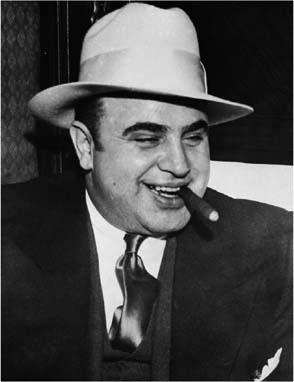
Films such as Little Caesar (1930) and Scarface (1932) established a lasting association in popular culture between the gangster and particular ethnic groups, including Jewish, Irish, African, Asian, and—especially—Italian Americans. The cinematic images of masculinity associated with these ethnicities served to stereotype and marginalize these groups. This marginalization was amplified in the 1960s and 1970s when, amid growing feminist criticism of conventional understandings of manhood, the ethnic gangster embodied the masculine qualities under attack.
Through books such as Gay Talese's Honor Thy Father (1971) and William Kennedy's Legs (1975), and especially with the films of Francis Ford Coppola, Martin Scorsese, and Brian DePalma, the American ethnic gangster became more rounded, more thoughtful, and less inclined to act violently. These depictions represent the efforts of ethnic groups to take control of their own story, and they also reflect advances in cultural analysis made by feminist critiques of masculinity.
...
- Art and Literature
- Adventures of Huckleberry Finn
- Catcher in the Rye, The
- Common Sense Book of Baby and Child Care, The
- Contrast, The
- Death of a Salesman
- Grapes of Wrath, The
- Invisible Man
- Iron John: A Book About Men
- Jungle, The
- Moby Dick
- Organization Man, The
- Alger, Horatio, Jr.
- Art
- Arthur, Timothy Shay
- Beat Movement
- Crèvecoeur, J. Hector St. John
- Emerson, Ralph Waldo
- Fitzgerald, F. Scott
- Hemingway, Ernest
- Jesus, Images of
- Kerouac, Jack
- Lawrence, D.H.
- Leatherstocking Tales
- London, Jack
- Romanticism
- Sawyer, Tom
- Seduction Tales
- Slave Narratives
- Thoreau, Henry David
- Travel Narratives
- Twain, Mark
- Whitman, Walt
- Wright, Richard
- Body and Health
- Atlas, Charles
- Body
- Bodybuilding
- Darwinism
- Eugenics
- Fashion
- Freudian Psychoanalytic Theory
- Graham, Sylvester
- Gulick, Luther Halsey
- Hall, Granville Stanley
- Health
- Higginson, Thomas Wentworth
- Insanity
- James, William
- Kellogg, John Harvey
- Lawrence, D.H.
- Masturbation
- Medicine
- Muscular Christianity
- Old Age
- Reproduction
- Roosevelt, Theodore
- Sandow, Eugen
- Schwarzenegger, Arnold
- Self-Control
- Strenuous Life
- Temperance
- Class, Ethnic, and Racial Identities
- Grapes of Wrath, The
- Invisible Man
- Shaft
- Abolitionism
- African-American Manhood
- Apprenticeship
- Artisan
- Asian-American Manhood
- Beecher, Henry Ward
- Black Panther Party
- Breadwinner Role
- Business/Corporate America
- Civil Rights Movement
- Class
- Douglass, Frederick
- Ethnicity
- Graham, Sylvester
- Hall, Granville Stanley
- Immigration
- Irish-American Manhood
- Italian-American Manhood
- Jewish Manhood
- King, Martin Luther, Jr.
- Labor Movement and Unions
- Latino Manhood
- Malcolm X
- Middle-Class Manhood
- Minstrelsy
- Nation of Islam
- Native American Manhood
- Nativism
- Populism
- Race
- Slavery
- Southern Manhood
- Springsteen, Bruce
- Sunday, Billy
- White Supremacism
- Whiteness
- Work
- Working-Class Manhood
- Wright, Richard
- Concepts and Theories
- Agrarianism
- American Dream
- Breadwinner Role
- Capitalism
- Character
- Chivalry
- Citizenship
- Class
- Conscientious Objection
- Consumerism
- Cult of Domesticity
- Darwinism
- Democratic Manhood
- Emotion
- Ethnicity
- Eugenics
- Evangelicalism and Revivalism
- Fathers' Rights
- Feminism
- Freudian Psychoanalytic Theory
- Heroism
- Imperialism
- Individualism
- Manifest Destiny
- Market Revolution
- Masculine Domesticity
- Men's Studies
- Militarism
- Momism
- Muscular Christianity
- Nationalism
- Nativism
- Passionate Manhood
- Patriarchy
- Patriotism
- Populism
- Postmodernism
- Professionalism
- Property
- Race
- Republicanism
- Romanticism
- Self-Control
- Sentimentalism
- Strenuous Life
- White Supremacism
- Family and Fatherhood
- Common Sense Book of Baby and Child Care, The
- Father Knows Best
- Home Improvement
- Leave It to Beaver
- Mr. Mom
- Adolescence
- Bachelorhood
- Boyhood
- Breadwinner Role
- Cult of Domesticity
- Divorce
- Father's Day
- Fatherhood
- Fathers' Rights
- Freudian Psychoanalytic Theory
- Hall, Granville Stanley
- Marriage
- Masculine Domesticity
- Momism
- Mother–Son Relationships
- Noyes, John Humphrey
- Nuclear Family
- Old Age
- Patriarchy
- Promise Keepers
- Property
- Reproduction
- Suburbia
- Youth
- Historical Events and Processes
- Abolitionism
- American Revolution
- Antiwar Movement
- California Gold Rush
- Civil Rights Movement
- Civil War
- Cold War
- Emancipation
- Gilded Age
- Great Depression
- Immigration
- Imperialism
- Industrialization
- Manifest Destiny
- Market Revolution
- New Deal
- Politics
- Populism
- Progressive Era
- Reform Movements
- Sexual Revolution
- Spanish-American War
- Suffragism
- Urbanization
- Victorian Era
- Vietnam War
- War
- Western Frontier
- World War I
- World War II
- Icons and Symbols
- Lone Ranger, The
- Alger, Horatio, Jr.
- American Dream
- Atlas, Charles
- Automobile
- Bogart, Humphrey
- Boone, Daniel
- Brando, Marlon
- Confidence Man
- Cooper, Gary
- Cowboys
- Crockett, Davy
- Dean, James
- Detectives
- Eastwood, Clint
- Franklin, Benjamin
- Gangsters
- Grant, Cary
- Hoboes
- Hollywood
- Hudson, Rock
- Jesus, Images of
- Kerouac, Jack
- Lincoln, Abraham
- Malcolm X
- Marlboro Man
- Outdoorsmen
- Rambo
- Reagan, Ronald
- Sawyer, Tom
- Self-Made Man
- Sensitive Male
- Springsteen, Bruce
- Suburbia
- Superman
- Tarzan
- Uncle Sam
- Washington, George
- Wayne, John
- Leisure and Work
- Agrarianism
- Alcohol
- Apprenticeship
- Artisan
- Automobile
- Baseball
- Boxing
- Breadwinner Role
- Bureaucratization
- Business/Corporate America
- Consumerism
- Dueling
- Fashion
- Fishing
- Football
- Fraternal Organizations
- Fraternities
- Gambling
- Hunting
- Industrialization
- Labor Movement and Unions
- Leisure
- Male Friendship
- Medicine
- Men's Clubs
- Ministry
- Music
- Outdoorsmen
- Professionalism
- Self-Made Man
- Slavery
- Sports
- Suburbia
- Success Manuals
- Technology
- Travel
- Work
- Working-Class Manhood
- Young Men's Christian Association
- Media and Popular Culture
- Birth of a Nation
- Deliverance
- Easy Rider
- Father Knows Best
- Home Improvement
- Kramer vs. Kramer
- Leave It to Beaver
- Lone Ranger, The
- Mr. Mom
- Odd Couple, The
- Playboy Magazine
- Rebel Without a Cause
- Shaft
- Advertising
- Advice Literature
- Automobile
- Bogart, Humphrey
- Brando, Marlon
- Buddy Films
- Cooper, Gary
- Cop Action Films
- Cowboys
- Crockett, Davy
- Dean, James
- Detectives
- Eastwood, Clint
- Fashion
- Gangsters
- Grant, Cary
- Hollywood
- Hudson, Rock
- Marlboro Man
- Martial Arts Films
- Minstrelsy
- Music
- Rambo
- Reagan, Ronald
- Schwarzenegger, Arnold
- Seduction Tales
- Springsteen, Bruce
- Success Manuals
- Superman
- Tarzan
- Television
- Wayne, John
- Westerns
- Movements and Organizations
- Iron John: A Book About Men
- Abolitionism
- Antiwar Movement
- Beat Movement
- Black Panther Party
- Boy Scouts of America
- Civil Rights Movement
- Counterculture
- Eugenics
- Feminism
- Fraternal Organizations
- Fraternities
- Kerouac, Jack
- King, Martin Luther, Jr.
- Labor Movement and Unions
- Malcolm X
- Men and Religion Forward Movement
- Men's Clubs
- Men's Movements
- Military
- Muscular Christianity
- Nation of Islam
- Nationalism
- Nativism
- Populism
- Promise Keepers
- Reform Movements
- Sexual Revolution
- Social Gospel
- Sons of Liberty
- Suffragism
- Temperance
- White Supremacism
- Young Men's Christian Association
- People
- Alger, Horatio, Jr.
- Arthur, Timothy Shay
- Atlas, Charles
- Beecher, Henry Ward
- Bogart, Humphrey
- Boone, Daniel
- Brando, Marlon
- Cooper, Gary
- Crèvecoeur, J. Hector St. John
- Crockett, Davy
- Dean, James
- Douglass, Frederick
- Eastwood, Clint
- Emerson, Ralph Waldo
- Fitzgerald, F. Scott
- Franklin, Benjamin
- Graham, Sylvester
- Grant, Cary
- Gulick, Luther Halsey
- Hall, Granville Stanley
- Hemingway, Ernest
- Higginson, Thomas Wentworth
- Hudson, Rock
- Jackson, Andrew
- James, William
- Kellogg, John Harvey
- Kerouac, Jack
- King, Martin Luther, Jr.
- Lawrence, D.H.
- Lincoln, Abraham
- London, Jack
- Malcolm X
- Noyes, John Humphrey
- Reagan, Ronald
- Roosevelt, Theodore
- Sandow, Eugen
- Schwarzenegger, Arnold
- Springsteen, Bruce
- Sunday, Billy
- Thoreau, Henry David
- Twain, Mark
- Washington, George
- Wayne, John
- Whitman, Walt
- Wright, Richard
- Political and Social Issues
- Abolitionism
- Adolescence
- Antiwar Movement
- Citizenship
- Civil Rights Movement
- Class
- Conscientious Objection
- Crisis of Masculinity
- Darwinism
- Divorce
- Education
- Emotion
- Ethnicity
- Eugenics
- Fathers' Rights
- Feminism
- Gangs
- Gays in the Military
- Guns
- Health
- Immigration
- Imperialism
- Insanity
- Juvenile Delinquency
- Medicine
- Momism
- Nativism
- Old Age
- Pornography
- Promise Keepers
- Race
- Reform Movements
- Reverse Sexism
- Self-Control
- Sexual Harassment
- Social Gospel
- Temperance
- Violence
- War
- White Supremacism
- Religion and Spirituality
- Iron John: A Book About Men
- Beecher, Henry Ward
- Conscientious Objection
- Emerson, Ralph Waldo
- Evangelicalism and Revivalism
- Gulick, Luther Halsey
- Higginson, Thomas Wentworth
- Jesus, Images of
- Kerouac, Jack
- King, Martin Luther, Jr.
- Malcolm X
- Men and Religion Forward Movement
- Ministry
- Muscular Christianity
- Nation of Islam
- Noyes, John Humphrey
- Promise Keepers
- Religion and Spirituality
- Social Gospel
- Sunday, Billy
- Young Men's Christian Association
- Sexual Identities and Sexuality
- Loading...
Get a 30 day FREE TRIAL
-
 Watch videos from a variety of sources bringing classroom topics to life
 -
Read modern, diverse business cases
-
Explore hundreds of books and reference titles

Read next

More like this
Sage Recommends
We found other relevant content for you on other Sage platforms.
Have you created a personal profile? Login or create a profile so that you can save clips, playlists and searches