
Entry
Reader's guide
Entries A-Z
Subject index
Regional Dust
Most dust comes from natural sources such as volcano ash, salty ocean aerosols, and desert sand. Dust is also produced by eroded roads, construction sites, volcanoes, and wildfires, and it contains pollutants from factory and auto emissions and oil, gas, and mineral mining. These man-made particulates mix with natural-source dust, creating a potent cocktail that has the ability to impact human health and fragile ecosystems. Dust is most prevalent in regions with features such as arid deserts, desiccated farmland, and barren river and sea basins, though the regional dust these terrains produce does not remain static; regional dust travels from one area to another, across continents and oceans—sometimes, you can even see unfathomably huge dust clouds from space. Scientists have been studying dust for more than 150 years, and in the past several decades, they have become increasingly interested in researching the ways that dust alters the environment and impacts human and ecosystem health.
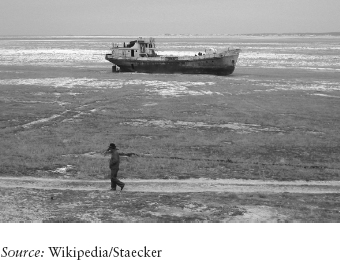
Scientists estimate that as many as two billion metric tons of dust travel through the Earth's atmosphere every year. The Aral Sea, located in Uzbekistan and Kazakhstan, has decreased so dramatically in size that massive dust clouds, containing both pesticides and herbicides, are common to the area.
The most prolific sources of dust are the deserts of Asia, Africa, and the Middle East, with the Sahara and the Sahel regions of north Africa believed to be the most significant sources of airborne sediments. Florida and other southern and eastern states exhibit high concentrations of African dust, and scientists estimate that 13 million metric tons of African dust fall on South America's North Amazon Basin each year. Mongolia's Gobi Desert and China's Taklimakan Desert create regional dust that, as it moves east through China's heavily industrialized regions, mixes with man-made pollutants, blanketing Beijing and other parts of China before crossing the Pacific Ocean into the United States. Scientists have found that there are days when nearly one-third of the air above Los Angeles and San Francisco can be traced back to Asia; further, most of Hawaii's soil originated in China and central Asian deserts. Overgrazing, deforestation, and certain agricultural practices contributed significantly to China's desertification, and a large regional dust storm here can deliver 4,000 metric tons per hour of Asian dust to the Arctic; pesticides and herbicides originating in Asia have been found in animal tissue and human breast milk among the Arctic's indigenous populations.
In the United States, abandoned agricultural fields and military training grounds as well as dry lands created by deforestation, livestock grazing, and farming create regional dust storms that can be seen via satellite imagery from space. Dry lake beds such as Owens Lake in Southern California also serve as a source of airborne dust. It is estimated that about 8 million metric tons of lake-bed dust are carried into the atmosphere each year from Owens Lake—just one of countless dry lake and sea beds that mark the Earth. Lake Chad, in North Africa, and the Aral Sea, located in Uzbekistan and Kazakhstan, have both decreased so dramatically in size that the formation of massive dust clouds above them is a common feature; the dust has been found to contain both pesticides and herbicides, and DDT has been found in local inhabitants’ breast milk.
...
- Animal Products
- Biological Control of Pests
- Chemical Pesticides
- Fast Food
- Fertilizers
- Food Allergies
- Genetically Engineered Crops
- Home-Grown Food
- Obesity
- Organic Produce
- Supplements
- Wine and Other Alcohols
- Airborne Diseases
- Air Filters/Scrubbers
- Asthma
- Climate Change
- Indoor Air Quality
- Ozone
- Particulate Matter
- Regional Dust
- Smog
- Smoking
- Ultraviolet Radiation
- Cities
- Fungi and Sick Building Syndrome
- Highways
- Occupational Hazards
- Radon and Basements
- Recreational Space
- Rural Areas
- Solid Waste Management
- Suburbs
- Topophilia
- Urban Green
- Automobiles (Emissions)
- Cell Phones
- Computers and Printers (Ink)
- Dry Cleaning
- Ergonomics
- Fabrics
- Hobby Products
- Lighting
- Microwave Ovens
- Paper Products
- Pest Control
- Plastics in Daily Use
- Radiation Sources
- Alternative Energy Resources (Solar)
- Biodiesel
- Clean Coal
- Electricity
- Firewood and Charcoal
- Hydroelectricity
- Lead Sources and Health
- Light Bulbs
- Manganese Sources and Health
- Mercury Sources and Health
- Methane/Biogas
- Nuclear Power
- Petrochemicals
- Cost-Benefit Analysis for Alternative Products
- Emergency Rooms
- Healthcare Delivery
- Health Disparities
- Health Insurance Reform
- Nursing, Lack of
- Pharmaceutical Industry Reform
- Cancers
- Cardiovascular Diseases
- Degenerative Diseases
- Immune System Diseases
- Injuries
- Kidney Diseases
- Liver Diseases
- Lung Diseases
- Mental Exercises
- Metabolic Syndrome Diseases
- Musculoskeletal Diseases
- Neurobehavioral Diseases
- Oral Diseases
- Physical Activity and Health
- Reproductive System Diseases
- Skin Disorders
- Acquired Immune Deficiency Syndrome
- Biological Weapons
- Bird Flu
- Gastroenteritis
- International Travel
- Malaria
- Methicillin-Resistant Staphylococcus Aureus
- Seasonal Flu
- Severe Acute Respiratory Syndrome
- Sexually Transmitted Diseases
- Stomach Ulcers and Helicobacter Pylori
- Streptococcus Infections
- Tuberculosis
- Vaccination/Herd Immunity
- Antiseptics
- Children's Health
- Dental Mercury Amalgams
- Health Insurance Industry
- Hospitals (Carbon Footprints)
- Infectious Waste
- Low-Level Radioactive Waste
- Men's Health
- Mental Health
- Nosocomial Infections
- Women's Health
- Biomedicine
- California's Green Chemistry Initiative
- Calorie Labeling for Restaurants
- Centers for Disease Control and Prevention (U.S.)
- Education and Green Health
- Environmental Protection Agency (U.S.)
- Fast Food Warnings
- Government Role in Green Health
- Green Chemistry
- Industrial Ecology
- International Policies
- Metrics of Green Health
- Personal Consumer Role in Green Health
- Phaseout of Toxic Chemicals
- Private Industry Role in Green Health
- Taxation of Unhealthy Products
- United Nations Environment Programme
- World Health Organization's Environmental Burden of Disease
- Advertising and Marketing
- Antibiotic Resistance
- Antibiotics
- Anti-Cholesterol Drugs
- Anti-Depressant Drugs
- Caffeine
- Hormone Therapy
- Pain Medication
- Pharmaceutical Industry
- Prescription Drug Addiction
- Arsenic Pollution
- Bottled Water
- Carbon Filters
- Chlorination By-Products
- Dehydration
- Groundwater
- Ozonation By-Products
- Recycled Water
- Reverse Osmosis
- Supplying Water
- Swimming Pools
- Tap Water/Fluoride
- Waterborne Diseases
- Water Scarcity
- Loading...
Get a 30 day FREE TRIAL
-
 Watch videos from a variety of sources bringing classroom topics to life
 -
Read modern, diverse business cases
-
Explore hundreds of books and reference titles

Read next

More like this
Sage Recommends
We found other relevant content for you on other Sage platforms.
Have you created a personal profile? Login or create a profile so that you can save clips, playlists and searches