
Entry
Reader's guide
Entries A-Z
Subject index
Hydroelectricity
Hydroelectric power offers a cleaner energy alternative to coal- and crude petroleum-powered electricity. Hydroelectricity accounted for 18 percent of global electricity supply in 2006. Currently, 97 percent of global electricity generation from renewable sources is obtained from hydroelectricity. It has been projected that hydropower would generate approximately 1.8 trillion kilowatt-hours (kWh) of electricity by 2030, representing 54 percent of total electricity from renewable energy sources. Hydroelectric power presently occupies significant portions in the electricity mix in both developed and developing countries including (but not limited to) Norway (99 percent hydroelectric), New Zealand (75 percent), Canada (61 percent), Sweden (44 percent), Brazil (86 percent), Ghana (67 percent), Venezuela (67 percent), China (22 percent), Russia (18 percent), and India (16 percent).
Hydroelectric Facility Classification
Classification of hydroelectric facilities is based on the amount of electricity generated. Hydroelectric facilities could be categorized as large (?500MW), medium (?10MW and <500MW), and small (<0.01MW and <10MW). Small hydroelectric facilities comprise mini/micro (? 0.01MW and <0.5MW) and pico (< 0.01MW). The challenge in utilizing installed capacity to categorize small hydro facilities could be explained, for example, in the case of a 10MW, low-head small hydro facility. Compared to high head facilities, the 10MW small hydro low head requires greater volumes of water and larger turbines for electricity generation.
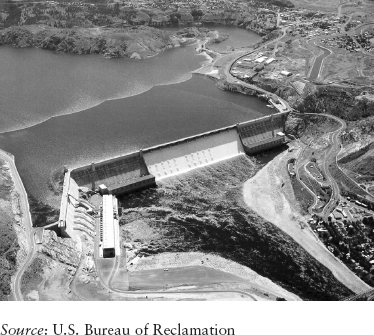
Hydroelectric power—like that produced by the Grand Coulee Dam on the Columbia River in Washington state—offers cleaner energy than traditional fossil-fuel electricity. Hydroelectricity accounted for 18 percent of the global electricity supply in 2006.
Hydroelectric Project Components
Construction of a large-scale hydroelectric facility is typically achieved through several years of hydrological studies (usually employing more than 50 years of hydrological data) and a robust environmental impact assessment. Small hydroelectric facilities, on the contrary, require fewer years’ data and less stringent environmental assessment.
Techno-economic viability of hydroelectric power projects are very site specific. The economics of an identified hydroelectric project depends on several factors including the power (capacity) to be generated, the existence of feed-in tariffs for generated electricity, and prevailing market price for the generated electricity. Hydroelectric facilities comprise a dam, water passage, and a powerhouse.
The constructed dam helps direct the water into a penstock. The force of the flowing water in the penstock is employed to spin the turbine, resulting in electricity generation. The water exits the powerhouse through the tailrace, back into the river. The water passage consist of the entrance to the penstock; the penstock; the openings and exit of the turbines as well as valves to seal off water flow to the turbine for periodic maintenance work; and the tailrace. Most of mechanical and electrical equipment in a hydroelectric facility are housed in the powerhouse. The mechanical and electrical equipment in the powerhouse include valves for shutting off water to the turbines; river bypass gate to prevent flooding of catchment areas; hydraulic control system for the turbines and valves; electrical switch-gear; electrical protection and control system; transformers utilized internally for station service and also for power transmission and distribution systems; water cooling and lubricating system; ventilation system; telecommunication systems; fire alarm systems and backup power supply.
...
- Animal Products
- Biological Control of Pests
- Chemical Pesticides
- Fast Food
- Fertilizers
- Food Allergies
- Genetically Engineered Crops
- Home-Grown Food
- Obesity
- Organic Produce
- Supplements
- Wine and Other Alcohols
- Airborne Diseases
- Air Filters/Scrubbers
- Asthma
- Climate Change
- Indoor Air Quality
- Ozone
- Particulate Matter
- Regional Dust
- Smog
- Smoking
- Ultraviolet Radiation
- Cities
- Fungi and Sick Building Syndrome
- Highways
- Occupational Hazards
- Radon and Basements
- Recreational Space
- Rural Areas
- Solid Waste Management
- Suburbs
- Topophilia
- Urban Green
- Automobiles (Emissions)
- Cell Phones
- Computers and Printers (Ink)
- Dry Cleaning
- Ergonomics
- Fabrics
- Hobby Products
- Lighting
- Microwave Ovens
- Paper Products
- Pest Control
- Plastics in Daily Use
- Radiation Sources
- Alternative Energy Resources (Solar)
- Biodiesel
- Clean Coal
- Electricity
- Firewood and Charcoal
- Hydroelectricity
- Lead Sources and Health
- Light Bulbs
- Manganese Sources and Health
- Mercury Sources and Health
- Methane/Biogas
- Nuclear Power
- Petrochemicals
- Cost-Benefit Analysis for Alternative Products
- Emergency Rooms
- Healthcare Delivery
- Health Disparities
- Health Insurance Reform
- Nursing, Lack of
- Pharmaceutical Industry Reform
- Cancers
- Cardiovascular Diseases
- Degenerative Diseases
- Immune System Diseases
- Injuries
- Kidney Diseases
- Liver Diseases
- Lung Diseases
- Mental Exercises
- Metabolic Syndrome Diseases
- Musculoskeletal Diseases
- Neurobehavioral Diseases
- Oral Diseases
- Physical Activity and Health
- Reproductive System Diseases
- Skin Disorders
- Acquired Immune Deficiency Syndrome
- Biological Weapons
- Bird Flu
- Gastroenteritis
- International Travel
- Malaria
- Methicillin-Resistant Staphylococcus Aureus
- Seasonal Flu
- Severe Acute Respiratory Syndrome
- Sexually Transmitted Diseases
- Stomach Ulcers and Helicobacter Pylori
- Streptococcus Infections
- Tuberculosis
- Vaccination/Herd Immunity
- Antiseptics
- Children's Health
- Dental Mercury Amalgams
- Health Insurance Industry
- Hospitals (Carbon Footprints)
- Infectious Waste
- Low-Level Radioactive Waste
- Men's Health
- Mental Health
- Nosocomial Infections
- Women's Health
- Biomedicine
- California's Green Chemistry Initiative
- Calorie Labeling for Restaurants
- Centers for Disease Control and Prevention (U.S.)
- Education and Green Health
- Environmental Protection Agency (U.S.)
- Fast Food Warnings
- Government Role in Green Health
- Green Chemistry
- Industrial Ecology
- International Policies
- Metrics of Green Health
- Personal Consumer Role in Green Health
- Phaseout of Toxic Chemicals
- Private Industry Role in Green Health
- Taxation of Unhealthy Products
- United Nations Environment Programme
- World Health Organization's Environmental Burden of Disease
- Advertising and Marketing
- Antibiotic Resistance
- Antibiotics
- Anti-Cholesterol Drugs
- Anti-Depressant Drugs
- Caffeine
- Hormone Therapy
- Pain Medication
- Pharmaceutical Industry
- Prescription Drug Addiction
- Arsenic Pollution
- Bottled Water
- Carbon Filters
- Chlorination By-Products
- Dehydration
- Groundwater
- Ozonation By-Products
- Recycled Water
- Reverse Osmosis
- Supplying Water
- Swimming Pools
- Tap Water/Fluoride
- Waterborne Diseases
- Water Scarcity
- Loading...
Get a 30 day FREE TRIAL
-
 Watch videos from a variety of sources bringing classroom topics to life
 -
Read modern, diverse business cases
-
Explore hundreds of books and reference titles

Read next

More like this
Sage Recommends
We found other relevant content for you on other Sage platforms.
Have you created a personal profile? Login or create a profile so that you can save clips, playlists and searches