
Entry
Reader's guide
Entries A-Z
Subject index
Firewood and Charcoal
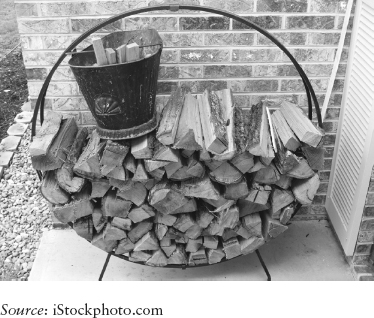
Firewood and charcoal have been used for thousands of years to provide heat and light to humans. Both are popular today, although in more prosperous parts of the world this choice is based more on aesthetics than on need. Although firewood and charcoal are both renewable sources of energy, demand for both can outpace forests’ ability to regenerate on a local or national basis. Although good forestry practices can ensure better local supplies, overharvesting can lead in extreme cases to desertification. Both firewood and charcoal have environmental consequences as a result of being burned, and green alternatives have been developed that have a less adverse affect on the ecosystem.
Use and Problems
Both firewood and charcoal have been used for heat, light, and fuel for thousands of years. Firewood is classified as either seasoned (dried) or unseasoned (green) and can derive from either hardwood or softwood. Different types of wood provide different burning experiences, as hardwoods (beech, oak, and other deciduous trees) take longer to burn, while softwood (pine, spruce, and other conifers) are easier to harvest and cut. Although the harvesting of firewood varies by region or culture, most firewood in the United States comes from forests or woodlots cultivated specifically for that purpose. Standing dead timber and recent deadfall are preferred because this wood is already partially seasoned. Harvesting dead timber or deadfall reduces the intensity of brush or forest fires, as it removes a potential fuel source from such disasters. Most firewood is cut during the winter, when trees contain less sap and will season more quickly. Firewood is generally cut within a distance of 50 miles from its point of sale; this is believed to be the longest distance it should be moved to reduce the spread of disease.
Firewood and charcoal have been used for thousands of years to provide heat and light to humans. Both are popular today, although in more prosperous parts of the world, this choice is based more on aesthetics than on need.
Charcoal is produced through a process of slow pyrolysis, which occurs when wood, sugar, bone char, or other substances are heated in the absence of oxygen. The result of pyrolysis is charcoal, which is soft, black, brittle, lightweight, and porous. Charcoal in many ways resembles coal, and is composed of 50 percent to 95 percent carbon, with the remainder being ash and volatile chemicals. Charcoal is preferable to wood because it produces a more consistent source of heat, and is lighter and more compact. The production of charcoal also produces a variety of by-products such as acetic acid, acetone, and methyl alcohol that have valuable commercial uses. Charcoal can cause severe health problems, especially when burned indoors, as it causes carbon monoxide production. Even when burned outdoors, charcoal is a major contributor to air pollution.
Environmental Solutions
Demand for firewood can lead to deforestation if trees are overharvested. Deforestation is damaging and can also lead to soil erosion. If forest ecosystems are properly managed, more firewood can be produced and in a manner that is beneficial to the environment. When the planting, protecting, thinning, controlled burning, felling, harvesting, and processing of lumber is managed properly, competing ecological, economical, and social needs may all be met. Those interested in ensuring that proper forestry practices take place often support third-party certification, which has become common since the 1990s. Certification programs were developed after the forestry industry had come under intense criticism for failing to manage forests in an environmentally sensitive manner.
...
- Animal Products
- Biological Control of Pests
- Chemical Pesticides
- Fast Food
- Fertilizers
- Food Allergies
- Genetically Engineered Crops
- Home-Grown Food
- Obesity
- Organic Produce
- Supplements
- Wine and Other Alcohols
- Airborne Diseases
- Air Filters/Scrubbers
- Asthma
- Climate Change
- Indoor Air Quality
- Ozone
- Particulate Matter
- Regional Dust
- Smog
- Smoking
- Ultraviolet Radiation
- Cities
- Fungi and Sick Building Syndrome
- Highways
- Occupational Hazards
- Radon and Basements
- Recreational Space
- Rural Areas
- Solid Waste Management
- Suburbs
- Topophilia
- Urban Green
- Automobiles (Emissions)
- Cell Phones
- Computers and Printers (Ink)
- Dry Cleaning
- Ergonomics
- Fabrics
- Hobby Products
- Lighting
- Microwave Ovens
- Paper Products
- Pest Control
- Plastics in Daily Use
- Radiation Sources
- Alternative Energy Resources (Solar)
- Biodiesel
- Clean Coal
- Electricity
- Firewood and Charcoal
- Hydroelectricity
- Lead Sources and Health
- Light Bulbs
- Manganese Sources and Health
- Mercury Sources and Health
- Methane/Biogas
- Nuclear Power
- Petrochemicals
- Cost-Benefit Analysis for Alternative Products
- Emergency Rooms
- Healthcare Delivery
- Health Disparities
- Health Insurance Reform
- Nursing, Lack of
- Pharmaceutical Industry Reform
- Cancers
- Cardiovascular Diseases
- Degenerative Diseases
- Immune System Diseases
- Injuries
- Kidney Diseases
- Liver Diseases
- Lung Diseases
- Mental Exercises
- Metabolic Syndrome Diseases
- Musculoskeletal Diseases
- Neurobehavioral Diseases
- Oral Diseases
- Physical Activity and Health
- Reproductive System Diseases
- Skin Disorders
- Acquired Immune Deficiency Syndrome
- Biological Weapons
- Bird Flu
- Gastroenteritis
- International Travel
- Malaria
- Methicillin-Resistant Staphylococcus Aureus
- Seasonal Flu
- Severe Acute Respiratory Syndrome
- Sexually Transmitted Diseases
- Stomach Ulcers and Helicobacter Pylori
- Streptococcus Infections
- Tuberculosis
- Vaccination/Herd Immunity
- Antiseptics
- Children's Health
- Dental Mercury Amalgams
- Health Insurance Industry
- Hospitals (Carbon Footprints)
- Infectious Waste
- Low-Level Radioactive Waste
- Men's Health
- Mental Health
- Nosocomial Infections
- Women's Health
- Biomedicine
- California's Green Chemistry Initiative
- Calorie Labeling for Restaurants
- Centers for Disease Control and Prevention (U.S.)
- Education and Green Health
- Environmental Protection Agency (U.S.)
- Fast Food Warnings
- Government Role in Green Health
- Green Chemistry
- Industrial Ecology
- International Policies
- Metrics of Green Health
- Personal Consumer Role in Green Health
- Phaseout of Toxic Chemicals
- Private Industry Role in Green Health
- Taxation of Unhealthy Products
- United Nations Environment Programme
- World Health Organization's Environmental Burden of Disease
- Advertising and Marketing
- Antibiotic Resistance
- Antibiotics
- Anti-Cholesterol Drugs
- Anti-Depressant Drugs
- Caffeine
- Hormone Therapy
- Pain Medication
- Pharmaceutical Industry
- Prescription Drug Addiction
- Arsenic Pollution
- Bottled Water
- Carbon Filters
- Chlorination By-Products
- Dehydration
- Groundwater
- Ozonation By-Products
- Recycled Water
- Reverse Osmosis
- Supplying Water
- Swimming Pools
- Tap Water/Fluoride
- Waterborne Diseases
- Water Scarcity
- Loading...
Get a 30 day FREE TRIAL
-
 Watch videos from a variety of sources bringing classroom topics to life
 -
Read modern, diverse business cases
-
Explore hundreds of books and reference titles

Read next

More like this
Sage Recommends
We found other relevant content for you on other Sage platforms.
Have you created a personal profile? Login or create a profile so that you can save clips, playlists and searches