
Entry
Reader's guide
Entries A-Z
Subject index
Caffeine
Caffeine, most commonly found in the form of coffee bean or tea leaf infusions, has been used by humans since the Paleolithic period. Caffeine is a part of many pharmacological repertoires around the globe because it is easily harnessed from specific plant products and has known effects on the central nervous system. The industries producing two of the most common sources of caffeine, coffee and tea, are both parts of sustainable development programs in many areas of the developing world.
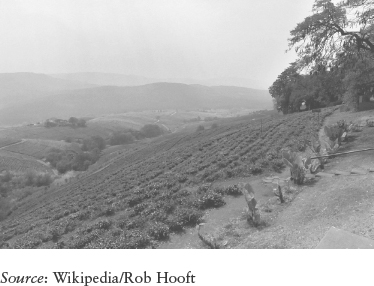
A tea plantation in Tzaneen, South Africa. The tea industry is making an effort to address the harmful effects of tea production, which include soil erosion, water pollution, and deforestation resulting from the harvesting of firewood to dry tea leaves.
Chinese legend attributes the discovery of tea by accidentally boiling some tea leaves to Emperor Shennong in 3000 B.C.E. An Ethiopian goatherd is said to have discovered the effects of coffee beans in the ninth century when his goats reportedly seemed to be stimulated after chewing on coffee beans. The kola nut, another common source of caffeine, has been chewed by West African people for increased energy and appetite suppression. Cocoa, also a good source of caffeine, has been commonly used since 600 B.C.E. by the Mayan culture in the Americas, where it was the main ingredient in the traditional beverage Xocoatle. Indigenous groups in the Americas used yaupon holly leaves and stems to make a type of infused beverage that also would have had the characteristic effects of the caffeine found in yaupon holly. By the 17th century, “Arabian wine,” a type of coffee, was common in the Ottoman Empire. German chemist Friedrich Ferdinand Runge discovered the chemical compound of caffeine in 1819. Some religious sects regulate the consumption of caffeine, including the Church of Jesus Christ of Latter-day Saints, Seventh Day Adventists, Church of God (Restoration), and Christian Scientists. Hindus may also abstain from caffeine consumption because it can have effects on consciousness, and most Muslims view caffeine as an acceptable substance when used in moderation.
Caffeine is a psychoactive, stimulant drug that is a bitter, white, crystalline alkaloid that acts on the central nervous system and is a diuretic to which the body can develop a tolerance. Caffeine is part of other alkaloid complexes that have similar properties and attributes, including guaranine (from guarana), mateine (from mate), and theine (found in nonherbal teas). It was previously thought that theine was distinct from caffeine, but scientists now concur that theine is identical to the caffeine found in coffee plants. Caffeine is found in many plants and their fruit, including kola nut (used to make cola soda beverages), coffee berries, tea leaves, yerba maté, guarana berries (common in many energy drinks), yaupon holly, and chocolate (from the cocoa bean). Caffeine is extracted to produce a decaffeinated product; the caffeine that is removed can be used to produce caffeine tablets (used to decrease tiredness and to treat apnea in newborn babies) or can be added to hair and skin care products (since some caffeine may be absorbed through the skin). Caffeine is a natural pesticide that is found in the leaves, beans, fruits, and stems of some plants. It also acts as a natural herbicide because it is found in the soil around some plants, thereby decreasing the need for chemical herbicides.
...
- Animal Products
- Biological Control of Pests
- Chemical Pesticides
- Fast Food
- Fertilizers
- Food Allergies
- Genetically Engineered Crops
- Home-Grown Food
- Obesity
- Organic Produce
- Supplements
- Wine and Other Alcohols
- Airborne Diseases
- Air Filters/Scrubbers
- Asthma
- Climate Change
- Indoor Air Quality
- Ozone
- Particulate Matter
- Regional Dust
- Smog
- Smoking
- Ultraviolet Radiation
- Cities
- Fungi and Sick Building Syndrome
- Highways
- Occupational Hazards
- Radon and Basements
- Recreational Space
- Rural Areas
- Solid Waste Management
- Suburbs
- Topophilia
- Urban Green
- Automobiles (Emissions)
- Cell Phones
- Computers and Printers (Ink)
- Dry Cleaning
- Ergonomics
- Fabrics
- Hobby Products
- Lighting
- Microwave Ovens
- Paper Products
- Pest Control
- Plastics in Daily Use
- Radiation Sources
- Alternative Energy Resources (Solar)
- Biodiesel
- Clean Coal
- Electricity
- Firewood and Charcoal
- Hydroelectricity
- Lead Sources and Health
- Light Bulbs
- Manganese Sources and Health
- Mercury Sources and Health
- Methane/Biogas
- Nuclear Power
- Petrochemicals
- Cost-Benefit Analysis for Alternative Products
- Emergency Rooms
- Healthcare Delivery
- Health Disparities
- Health Insurance Reform
- Nursing, Lack of
- Pharmaceutical Industry Reform
- Cancers
- Cardiovascular Diseases
- Degenerative Diseases
- Immune System Diseases
- Injuries
- Kidney Diseases
- Liver Diseases
- Lung Diseases
- Mental Exercises
- Metabolic Syndrome Diseases
- Musculoskeletal Diseases
- Neurobehavioral Diseases
- Oral Diseases
- Physical Activity and Health
- Reproductive System Diseases
- Skin Disorders
- Acquired Immune Deficiency Syndrome
- Biological Weapons
- Bird Flu
- Gastroenteritis
- International Travel
- Malaria
- Methicillin-Resistant Staphylococcus Aureus
- Seasonal Flu
- Severe Acute Respiratory Syndrome
- Sexually Transmitted Diseases
- Stomach Ulcers and Helicobacter Pylori
- Streptococcus Infections
- Tuberculosis
- Vaccination/Herd Immunity
- Antiseptics
- Children's Health
- Dental Mercury Amalgams
- Health Insurance Industry
- Hospitals (Carbon Footprints)
- Infectious Waste
- Low-Level Radioactive Waste
- Men's Health
- Mental Health
- Nosocomial Infections
- Women's Health
- Biomedicine
- California's Green Chemistry Initiative
- Calorie Labeling for Restaurants
- Centers for Disease Control and Prevention (U.S.)
- Education and Green Health
- Environmental Protection Agency (U.S.)
- Fast Food Warnings
- Government Role in Green Health
- Green Chemistry
- Industrial Ecology
- International Policies
- Metrics of Green Health
- Personal Consumer Role in Green Health
- Phaseout of Toxic Chemicals
- Private Industry Role in Green Health
- Taxation of Unhealthy Products
- United Nations Environment Programme
- World Health Organization's Environmental Burden of Disease
- Advertising and Marketing
- Antibiotic Resistance
- Antibiotics
- Anti-Cholesterol Drugs
- Anti-Depressant Drugs
- Caffeine
- Hormone Therapy
- Pain Medication
- Pharmaceutical Industry
- Prescription Drug Addiction
- Arsenic Pollution
- Bottled Water
- Carbon Filters
- Chlorination By-Products
- Dehydration
- Groundwater
- Ozonation By-Products
- Recycled Water
- Reverse Osmosis
- Supplying Water
- Swimming Pools
- Tap Water/Fluoride
- Waterborne Diseases
- Water Scarcity
- Loading...
Get a 30 day FREE TRIAL
-
 Watch videos from a variety of sources bringing classroom topics to life
 -
Read modern, diverse business cases
-
Explore hundreds of books and reference titles

Read next

More like this
Sage Recommends
We found other relevant content for you on other Sage platforms.
Have you created a personal profile? Login or create a profile so that you can save clips, playlists and searches