
Entry
Reader's guide
Entries A-Z
Subject index
Water
More than 70 percent of the Earth's surface is covered by water, the majority of which is salt water in the oceans and seas. Despite this seeming overabundance, only a small portion of this water is suitable for drinking. Merely 3 percent of all water, according to author Gary Null, is freshwater, which is the only type safe for human consumption.
Depleted sources of fresh water, severe droughts, and water contamination from both industry and consumers have combined to reduce the availability of good water, resulting in an escalating water crisis throughout the world
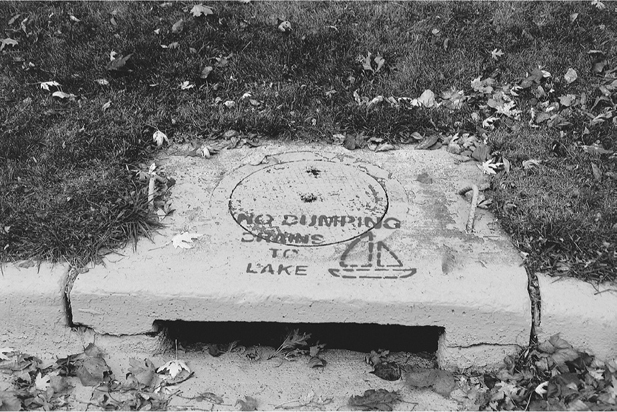
With global warming shrinking our polar ice caps and glaciers—which together provide over 75 percent of planetary freshwater—and a global population well in excess of 6 billion people, freshwater is fast becoming a precious commodity, and the public has already begun to feel the effects of its scarcity in rising water prices. In 2007, water prices rose 27 percent in the United States, 45 percent in Australia, 50 percent in South Africa, and 58 percent in Canada. The solution to the water problem will likely involve carefully limiting water use in the home and in industry, recycling and reusing “grey water,” and alertly guarding and cautiously replenishing our freshwater sources in lakes and reservoirs.
Less than 3 percent of water is available for human consumption because of the chemical fouling of so many freshwater sources with substances that render their water unfit for human consumption. The resulting pollution has rendered regions all over the world with far less access to clean water supplies than just 50 years ago. In 1994, 54 percent of Africa's population did not have access to sanitary water, along with 20 percent of the people in Latin America and the Caribbean. The vast majority in Asia—over 80 percent of its population—also do not have access to clean drinking water. Overall, more than a billion, mostly poor people lack clean drinking water supplies. That's close to one-sixth of the population of the Earth. Although the poor suffer the most from increasing water scarcity because they cannot afford to develop new sources, developed industrial countries such as the United States are also feeling its effects.
A typical issue in the coming water crisis is described by spokesman Jeff Ruch of Public Employees for Environmental Responsibility, who notes that in Tallahassee, Florida, government officials proposed to cut off the flow of water from Lake Okeechobee into the Caloosahatchee River. Residents of south Florida say this would increase salinity in the system and thus degrade their drinking water. Examples such as this are just the beginning. If moves to conserve freshwater are not made soon, access to clean drinking water will soon be a problem for populations in every country, rich and poor.
Several factors have contributed to these critical water shortages, but the biggest are severe droughts and water contamination. Droughts can have serious health and environmental consequences. During drought periods, failing crops spread famine as underground aquifers recede and reduce access to drinking water. With crop failure, livestock start to die, and soon afterward people begin to starve. The eventual results threaten entire regional populations with malnutrition and starvation. Since the 1970s, severe droughts have killed 24,000 people per year. Many of the victims resided in Third World countries, which have limited access to drinking water supplies and experienced food shortages when world food prices peaked in 2008.
...
- Green Consumer Challenges
- Affluenza
- Air Travel
- Carbon Emissions
- Commuting
- Conspicuous Consumption
- Disparities in Consumption
- Dumpster Diving
- Durability
- E-Waste
- Electricity Usage
- Energy Efficiency of Products and Appliances
- Food Additives
- Food Miles
- Genetically Modified Products
- Greenwashing
- Healthcare
- Insulation
- Lawns and Landscaping
- Materialism
- Needs and Wants
- Overconsumption
- Pesticides and Fertilizers
- Pets
- Pharmaceuticals
- Positional Goods
- Poverty
- Pricing
- Quality of Life
- Resource Consumption and Usage
- Solid and Human Waste
- Super-Rich
- Symbolic Consumption
- Waste Disposal
- Windows
- Beverages
- Bottled Beverages (Water)
- Coffee
- Confections
- Dairy Products
- Fish
- Meat
- Poultry and Eggs
- Slow Food
- Tea
- Vegetables and Fruits
- Water
- Green Consumer Products and Services
- Adhesives
- Apparel
- Audio Equipment
- Automobiles
- Baby Products
- Books
- Car Washing
- Certified Products (Fair Trade or Organic)
- Cleaning Products
- Computers and Printers
- Cosmetics
- Disposable Plates and Plastic Implements
- Floor and Wall Coverings
- Fuel
- Funerals
- Furniture
- Garden Tools and Appliances
- Grains
- Home Appliances
- Home Shopping and Catalogs
- Homewares
- Internet Purchasing
- Lighting
- Linen and Bedding
- Magazines
- Malls
- Mobile Phones
- Packaging and Product Containers
- Paper Products
- Personal Products
- Recyclable Products
- Seasonal Products
- Services
- Shopping
- Shopping Bags
- Sports
- Supermarkets
- Swimming Pools and Spas
- Television and DVD Equipment
- Tools
- Toys
- Green Consumer Solutions
- Biodegradable
- Carbon Credits
- Carbon Offsets
- Certification Process
- Composting
- Consumer Activism
- Downshifting
- Ecolabeling
- Ecological Footprint
- Ecotourism
- Environmentally Friendly
- Ethically Produced Products
- Fair Trade
- Gardening/Growing
- Gifting (Green Gifts)
- Green Communities
- Green Consumer
- Green Consumerism Organizations
- Green Design
- Green Discourse
- Green Food
- Green Gross Domestic Product
- Green Homes
- Green Marketing
- Green Politics
- Local Exchange Trading Schemes
- Locally Made
- Markets (Organic/Farmers)
- Morality (Consumer Ethics)
- Organic
- Plants
- Product Sharing
- Public Transportation
- Recycling
- Regulation
- Secondhand Consumption
- Simple Living
- Sustainable Consumption
- Vege-Box Schemes
- Green Consumerism Organizations, Movements, and Planning
- Advertising
- Commodity Fetishism
- Consumer Behavior
- Consumer Boycotts
- Consumer Culture
- Consumer Ethics
- Consumer Society
- Consumerism
- Demographics
- Diderot Effect
- Environmentalism
- Fashion
- Final Consumption
- Finance and Economics
- Frugality
- Government Policy and Practice (Local and National)
- Heating and Cooling
- International Regulatory Frameworks
- Kyoto Protocol
- Leisure and Recreation
- Lifestyle, Rural
- Lifestyle, Suburban
- Lifestyle, Sustainable
- Lifestyle, Urban
- Organisation for Economic Co-operation and Development (OECD)
- Production and Commodity Chains
- Psychographics
- Social Identity
- Taxation
- United Nations Human Development Report 1998
- Websites and Blogs
- Loading...
Get a 30 day FREE TRIAL
-
 Watch videos from a variety of sources bringing classroom topics to life
 -
Read modern, diverse business cases
-
Explore hundreds of books and reference titles

Read next

More like this
Sage Recommends
We found other relevant content for you on other Sage platforms.
Have you created a personal profile? Login or create a profile so that you can save clips, playlists and searches