
Entry
Reader's guide
Entries A-Z
Subject index
Vegetables and Fruits
Much of green consumerism entails consumption of healthy and sustainably grown foods. Perhaps considered the healthiest of foods, vegetables and fruits are often, however, grown, packaged, and distributed in ecologically unsustainable manners. Moreover, even the most emblematic of healthy foods—apples, bananas, spinach, corn—have recently come under scrutiny as carriers of highly toxic residual pesticides, controversial transgenetic alteration, and even diseases, such as Escherichia coli and Salmonella. Despite—or because of—these environmentally and socially unsustainable aspects of conventional vegetable and fruit production, green consumers have begun to value ripe, fresh, organic, and/or local produce even more by investing heavily in purchasing and even growing it. Concurrently, as industrialized diets move deeper into the health quagmire (and vicious cycle) of highly processed food, drink, and pharmaceutical medication, vegetables and fruits become even more recommended, prescribed, and lauded. Across the board, fruits and vegetables are upheld as linchpins of good health, and the organic, non–genetically modified, and local among them are often heralded as icons of sustainability.
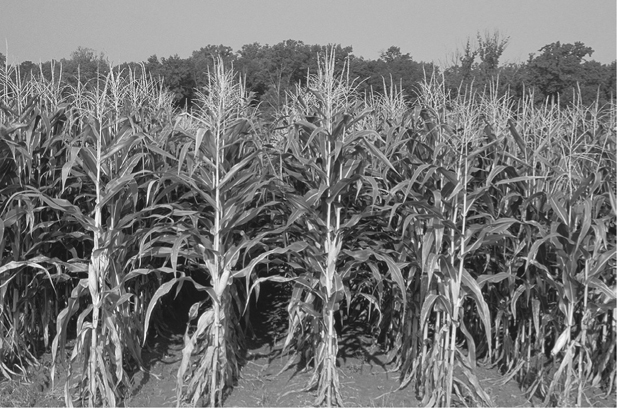
Fruits and vegetables are upheld as linchpins of good health, while the organic, non–genetically modified, and locally grown types are often heralded as icons of sustainability
Biologically speaking, the term vegetable refers to the edible part of a nonwoody plant cultivated particularly for that edible part. Many herbaceous plants are related as family clusters, such as nightshades, allium, cucurbits, and brassica. Meanwhile, fruits are the ripened, swollen ovary of a flower after the ovules inside have been fertilized. Fruits contain the seeds of any flowering plants and can be divided into three main subclasses: those with seeds in the flesh, such as pears, citrus, melons, and berries; those containing pits (drupes), such as cherries, peaches, and plums; and dry fruits (dry drupes), such as certain nuts, beans, and peas.
On closer botanical inspection, however, this technical distinction blurs. Because a vegetable is by definition the edible part of any herbaceous plant (be it the root of the carrot plant, the floret of the broccoli plant, the seed of the bean, the bulb of the garlic, or the leaf of the spinach), and fruits are the seed-containing part of any flowering plant, the two are not mutually exclusive. Tomatoes, peppers, pumpkins, and cucumbers fit both vegetable and fruit classifications, and somewhat counterintuitively, olives, sugar peapods, avocados, coffee, and almonds would all technically count as fruits. Fruit serves as a more botanically specific term, whereas vegetable remains more a grocer or chef classification (though this fruit definition begs the question of the oxymoron of seedless fruit).
Despite the arbitrary difference and contested definitions of vegetables and fruits, the categories remain relatively firm in mainstream, culinary, public health, and horticultural parlance. Vegetables usually contain complex carbohydrates, whereas fruits offer mostly simple carbohydrates with more readily accessible sugars (fructose). In many traditional cuisines, different fruits and vegetables have respective properties, often associated with heating or cooling attributes, and their various combinations enhance nutrient absorption and benefit. According to Ayurveda, the ancient Indian medical lineage, for instance, vegetables and fruits should not be mixed, and most fruits should be eaten separately, because each requires particular (and often conflicting) digestive enzymes.
...
- Green Consumer Challenges
- Affluenza
- Air Travel
- Carbon Emissions
- Commuting
- Conspicuous Consumption
- Disparities in Consumption
- Dumpster Diving
- Durability
- E-Waste
- Electricity Usage
- Energy Efficiency of Products and Appliances
- Food Additives
- Food Miles
- Genetically Modified Products
- Greenwashing
- Healthcare
- Insulation
- Lawns and Landscaping
- Materialism
- Needs and Wants
- Overconsumption
- Pesticides and Fertilizers
- Pets
- Pharmaceuticals
- Positional Goods
- Poverty
- Pricing
- Quality of Life
- Resource Consumption and Usage
- Solid and Human Waste
- Super-Rich
- Symbolic Consumption
- Waste Disposal
- Windows
- Beverages
- Bottled Beverages (Water)
- Coffee
- Confections
- Dairy Products
- Fish
- Meat
- Poultry and Eggs
- Slow Food
- Tea
- Vegetables and Fruits
- Water
- Green Consumer Products and Services
- Adhesives
- Apparel
- Audio Equipment
- Automobiles
- Baby Products
- Books
- Car Washing
- Certified Products (Fair Trade or Organic)
- Cleaning Products
- Computers and Printers
- Cosmetics
- Disposable Plates and Plastic Implements
- Floor and Wall Coverings
- Fuel
- Funerals
- Furniture
- Garden Tools and Appliances
- Grains
- Home Appliances
- Home Shopping and Catalogs
- Homewares
- Internet Purchasing
- Lighting
- Linen and Bedding
- Magazines
- Malls
- Mobile Phones
- Packaging and Product Containers
- Paper Products
- Personal Products
- Recyclable Products
- Seasonal Products
- Services
- Shopping
- Shopping Bags
- Sports
- Supermarkets
- Swimming Pools and Spas
- Television and DVD Equipment
- Tools
- Toys
- Green Consumer Solutions
- Biodegradable
- Carbon Credits
- Carbon Offsets
- Certification Process
- Composting
- Consumer Activism
- Downshifting
- Ecolabeling
- Ecological Footprint
- Ecotourism
- Environmentally Friendly
- Ethically Produced Products
- Fair Trade
- Gardening/Growing
- Gifting (Green Gifts)
- Green Communities
- Green Consumer
- Green Consumerism Organizations
- Green Design
- Green Discourse
- Green Food
- Green Gross Domestic Product
- Green Homes
- Green Marketing
- Green Politics
- Local Exchange Trading Schemes
- Locally Made
- Markets (Organic/Farmers)
- Morality (Consumer Ethics)
- Organic
- Plants
- Product Sharing
- Public Transportation
- Recycling
- Regulation
- Secondhand Consumption
- Simple Living
- Sustainable Consumption
- Vege-Box Schemes
- Green Consumerism Organizations, Movements, and Planning
- Advertising
- Commodity Fetishism
- Consumer Behavior
- Consumer Boycotts
- Consumer Culture
- Consumer Ethics
- Consumer Society
- Consumerism
- Demographics
- Diderot Effect
- Environmentalism
- Fashion
- Final Consumption
- Finance and Economics
- Frugality
- Government Policy and Practice (Local and National)
- Heating and Cooling
- International Regulatory Frameworks
- Kyoto Protocol
- Leisure and Recreation
- Lifestyle, Rural
- Lifestyle, Suburban
- Lifestyle, Sustainable
- Lifestyle, Urban
- Organisation for Economic Co-operation and Development (OECD)
- Production and Commodity Chains
- Psychographics
- Social Identity
- Taxation
- United Nations Human Development Report 1998
- Websites and Blogs
- Loading...
Get a 30 day FREE TRIAL
-
 Watch videos from a variety of sources bringing classroom topics to life
 -
Read modern, diverse business cases
-
Explore hundreds of books and reference titles

Read next

More like this
Sage Recommends
We found other relevant content for you on other Sage platforms.
Have you created a personal profile? Login or create a profile so that you can save clips, playlists and searches