
Entry
Reader's guide
Entries A-Z
Subject index
Tea is the leaf of an evergreen plant of the Camellia genus, more specifically, Camellia Sinensis. It has historically been grown in Asia, including Myanmar, southeast China, Laos, Cambodia, and Vietnam. It still grows there, as well as in many areas in India and Japan. Tea plantations sprang up in India when the British had them planted in the mid-1800s to supply their habit of drinking tea. Some of the environmentally negative aspects of tea production are that it can cause soil degradation and a loss of flora and fauna habitat when open land is converted to profitable tea crops. Tea cultivating land is often located in remote areas, which tend to be home to the highest biodiversity. Local deforestation can also occur due to the tea drying process, which involves roasting the leaves over a wood fire.
Tea consumption is growing worldwide, possibly due to increased media reports touting its healthful effects
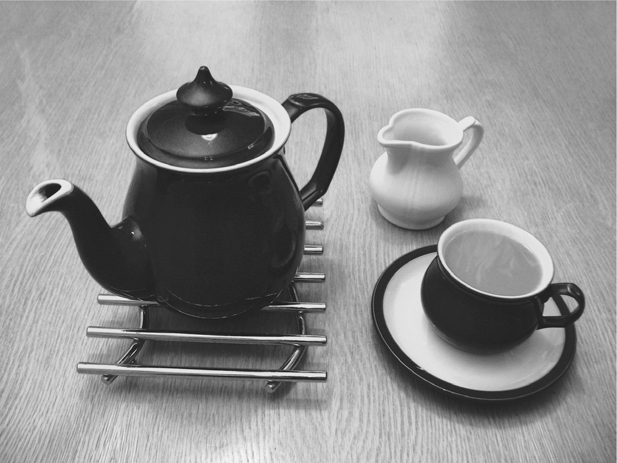
The tea plant has thick leaves that are dark green in color and have a strong, thick stem. Its white or pink blooms emit a delicate fragrance. There are about 200 different species of the tea plant around the world, but all teas—black, green, white, and oolong—come from the same plant. Tea thrives in a hot, moist climate. The processing of the leaves determines the difference in the type of tea. Tea consumption is growing worldwide, most likely as a result of increased health reports in recent years. All tea in the United States is imported. Therefore, selecting tea that promotes the health of the environment and people is important. Tea is handpicked and gathered in wide baskets that tea pickers wear on their backs, ensuring that the best leaves are collected. In Asia, the tea-picking season begins in spring and continues until August. In Africa, tea picking occurs all year.
The quality of tea varies greatly, and most tea that is prepackaged in bags or packets is often of lower quality than tea that is produced as loose, dried leaves. All tea contains caffeine in varying amounts. The differences in black, green, white, and oolong teas are in the way the leaves are picked and processed. Where and how the tea plant is grown also influences its taste and aroma.
Tea leaves are 80 percent liquid content, so they must be dried to be sold. How and to what degree the leaves are dried determines the result. For black tea, the leaves are spread out on mats for sun-drying. Alternatively, currents of warm air might be blown over the leaves. Then the leaves are rolled, allowing fermentation and oxidation to begin. During the fermentation phase, humid air blows over the leaves and they collect oxygen. Over a period of about three hours, they begin to blacken and take on flavor. A second drying takes place so that the oxidation stops and the product is shelf-stable.
To make green tea, the leaves are sun-dried on bamboo trays for a few hours. Then the leaves are roasted or stirred in hot pans to evaporate additional moisture. The leaves are hand-rolled and then go through a second drying in pans. Often they are rolled once more to achieve their final shape. Green tea does not go through a fermentation phase, so there is no oxidation, and the leaves retain their delicate green color and flavor.
...
- Green Consumer Challenges
- Affluenza
- Air Travel
- Carbon Emissions
- Commuting
- Conspicuous Consumption
- Disparities in Consumption
- Dumpster Diving
- Durability
- E-Waste
- Electricity Usage
- Energy Efficiency of Products and Appliances
- Food Additives
- Food Miles
- Genetically Modified Products
- Greenwashing
- Healthcare
- Insulation
- Lawns and Landscaping
- Materialism
- Needs and Wants
- Overconsumption
- Pesticides and Fertilizers
- Pets
- Pharmaceuticals
- Positional Goods
- Poverty
- Pricing
- Quality of Life
- Resource Consumption and Usage
- Solid and Human Waste
- Super-Rich
- Symbolic Consumption
- Waste Disposal
- Windows
- Beverages
- Bottled Beverages (Water)
- Coffee
- Confections
- Dairy Products
- Fish
- Meat
- Poultry and Eggs
- Slow Food
- Tea
- Vegetables and Fruits
- Water
- Green Consumer Products and Services
- Adhesives
- Apparel
- Audio Equipment
- Automobiles
- Baby Products
- Books
- Car Washing
- Certified Products (Fair Trade or Organic)
- Cleaning Products
- Computers and Printers
- Cosmetics
- Disposable Plates and Plastic Implements
- Floor and Wall Coverings
- Fuel
- Funerals
- Furniture
- Garden Tools and Appliances
- Grains
- Home Appliances
- Home Shopping and Catalogs
- Homewares
- Internet Purchasing
- Lighting
- Linen and Bedding
- Magazines
- Malls
- Mobile Phones
- Packaging and Product Containers
- Paper Products
- Personal Products
- Recyclable Products
- Seasonal Products
- Services
- Shopping
- Shopping Bags
- Sports
- Supermarkets
- Swimming Pools and Spas
- Television and DVD Equipment
- Tools
- Toys
- Green Consumer Solutions
- Biodegradable
- Carbon Credits
- Carbon Offsets
- Certification Process
- Composting
- Consumer Activism
- Downshifting
- Ecolabeling
- Ecological Footprint
- Ecotourism
- Environmentally Friendly
- Ethically Produced Products
- Fair Trade
- Gardening/Growing
- Gifting (Green Gifts)
- Green Communities
- Green Consumer
- Green Consumerism Organizations
- Green Design
- Green Discourse
- Green Food
- Green Gross Domestic Product
- Green Homes
- Green Marketing
- Green Politics
- Local Exchange Trading Schemes
- Locally Made
- Markets (Organic/Farmers)
- Morality (Consumer Ethics)
- Organic
- Plants
- Product Sharing
- Public Transportation
- Recycling
- Regulation
- Secondhand Consumption
- Simple Living
- Sustainable Consumption
- Vege-Box Schemes
- Green Consumerism Organizations, Movements, and Planning
- Advertising
- Commodity Fetishism
- Consumer Behavior
- Consumer Boycotts
- Consumer Culture
- Consumer Ethics
- Consumer Society
- Consumerism
- Demographics
- Diderot Effect
- Environmentalism
- Fashion
- Final Consumption
- Finance and Economics
- Frugality
- Government Policy and Practice (Local and National)
- Heating and Cooling
- International Regulatory Frameworks
- Kyoto Protocol
- Leisure and Recreation
- Lifestyle, Rural
- Lifestyle, Suburban
- Lifestyle, Sustainable
- Lifestyle, Urban
- Organisation for Economic Co-operation and Development (OECD)
- Production and Commodity Chains
- Psychographics
- Social Identity
- Taxation
- United Nations Human Development Report 1998
- Websites and Blogs
- Loading...
Get a 30 day FREE TRIAL
-
 Watch videos from a variety of sources bringing classroom topics to life
 -
Read modern, diverse business cases
-
Explore hundreds of books and reference titles

Read next

More like this
Sage Recommends
We found other relevant content for you on other Sage platforms.
Have you created a personal profile? Login or create a profile so that you can save clips, playlists and searches