
Entry
Reader's guide
Entries A-Z
Subject index
Secondhand Consumption
If consumption is understood as a process of selecting, purchasing, using, maintaining, and disposing of goods and services, secondhand consumption can be understood as the consumption of goods that have already been through this cycle and reached the point of disposal. Essentially, it is the process through which a consumer good enters a second cycle of consumption. It involves a range of consumer practices and takes place in a range of social spaces including (but not limited to) charity shops, retro-retailers, flea markets, swap meets, car boot sales, and eBay. Unlike a lot of first-cycle consumption, it occupies a mundane location in everyday life, insofar as it typically involves the exchange of ordinary goods in ordinary locations.
The second cycle of consumption carries traces of the first, such as mileage on a car, wear and tear on clothing, or scribbling in the margins of a book
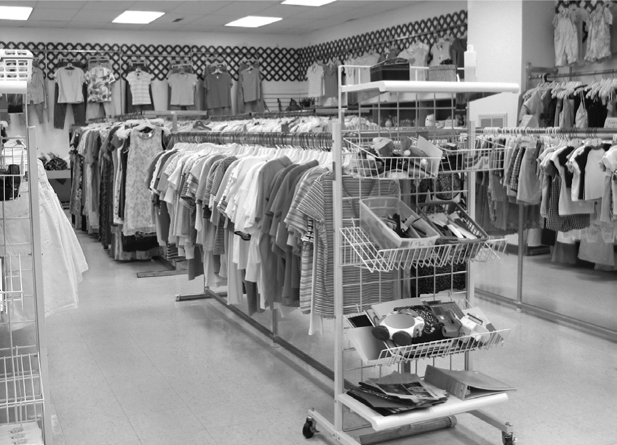
Nevertheless, it is an interesting topic that requires a completely different understanding of consumption and exchange. For example, in first-cycle consumption, money serves to abstract the goods and services being exchanged from the individuals undertaking the transaction, just as prices provide an external measure of the item's value. In contrast, the second cycle of consumption is haunted by the first, insofar as an item is likely to carry traces of its previous use (miles on a car, wear and tear on clothing, scribbling in the margins of a book), meaning that the exchange—and more important, the value—needs to be mediated by the individuals involved. Similarly, the symbolic meaning of goods exchanged, and indeed, the meaning accorded to the practice of secondhand consumption, needs to be mediated in ways that are different from the first cycle of consumption. Here, it is important to note that secondhand consumption is a heterogeneous activity that is characterized by multiple practices and meanings.
To begin, it can be understood as a type of consumption that marks differences, displays identities, and makes one's culture and tastes visible. For example, in the case of buying retro clothing or antique furniture, individuals are required to have a stock of knowledge that is often a manifestation and marker of social status. Indeed, an antique chair or a vintage leather jacket carries certain connotations that a chair from IKEA or a jacket from the Gap does not. Here, the meaning of secondhand consumption is defined by its opposition to first-cycle consumption, insofar as it reflects individuality and distinction, as opposed to the homogenizing effects of mass consumption. In contrast, secondhand consumption can also be understood in terms of capturing economic value, as opposed to the creation of symbolic value. For example, in the case of shopping at car boot sales, flea markets, and charity shops, the emphasis is often on getting a bargain. Indeed, secondhand consumption is very much caught up with the virtues of thrift, but even here the practice can assume different meanings. For example, shopping at a charity shop because one is poor and has no choice but to save as much money as possible is very different than shopping at, say, a flea market because one derives pleasure from getting something for less than the going rate. The emergence of new technologies, most notably eBay, has added another layer of meaning to secondhand consumption. For example, there are some individuals who would never buy secondhand goods at a car boot sale on the grounds that doing so implies a lack of money, standing, and respectability. These same individuals may be perfectly happy to purchase them on eBay because, in this context, the same goods do not carry the same connotations.
...
- Green Consumer Challenges
- Affluenza
- Air Travel
- Carbon Emissions
- Commuting
- Conspicuous Consumption
- Disparities in Consumption
- Dumpster Diving
- Durability
- E-Waste
- Electricity Usage
- Energy Efficiency of Products and Appliances
- Food Additives
- Food Miles
- Genetically Modified Products
- Greenwashing
- Healthcare
- Insulation
- Lawns and Landscaping
- Materialism
- Needs and Wants
- Overconsumption
- Pesticides and Fertilizers
- Pets
- Pharmaceuticals
- Positional Goods
- Poverty
- Pricing
- Quality of Life
- Resource Consumption and Usage
- Solid and Human Waste
- Super-Rich
- Symbolic Consumption
- Waste Disposal
- Windows
- Beverages
- Bottled Beverages (Water)
- Coffee
- Confections
- Dairy Products
- Fish
- Meat
- Poultry and Eggs
- Slow Food
- Tea
- Vegetables and Fruits
- Water
- Green Consumer Products and Services
- Adhesives
- Apparel
- Audio Equipment
- Automobiles
- Baby Products
- Books
- Car Washing
- Certified Products (Fair Trade or Organic)
- Cleaning Products
- Computers and Printers
- Cosmetics
- Disposable Plates and Plastic Implements
- Floor and Wall Coverings
- Fuel
- Funerals
- Furniture
- Garden Tools and Appliances
- Grains
- Home Appliances
- Home Shopping and Catalogs
- Homewares
- Internet Purchasing
- Lighting
- Linen and Bedding
- Magazines
- Malls
- Mobile Phones
- Packaging and Product Containers
- Paper Products
- Personal Products
- Recyclable Products
- Seasonal Products
- Services
- Shopping
- Shopping Bags
- Sports
- Supermarkets
- Swimming Pools and Spas
- Television and DVD Equipment
- Tools
- Toys
- Green Consumer Solutions
- Biodegradable
- Carbon Credits
- Carbon Offsets
- Certification Process
- Composting
- Consumer Activism
- Downshifting
- Ecolabeling
- Ecological Footprint
- Ecotourism
- Environmentally Friendly
- Ethically Produced Products
- Fair Trade
- Gardening/Growing
- Gifting (Green Gifts)
- Green Communities
- Green Consumer
- Green Consumerism Organizations
- Green Design
- Green Discourse
- Green Food
- Green Gross Domestic Product
- Green Homes
- Green Marketing
- Green Politics
- Local Exchange Trading Schemes
- Locally Made
- Markets (Organic/Farmers)
- Morality (Consumer Ethics)
- Organic
- Plants
- Product Sharing
- Public Transportation
- Recycling
- Regulation
- Secondhand Consumption
- Simple Living
- Sustainable Consumption
- Vege-Box Schemes
- Green Consumerism Organizations, Movements, and Planning
- Advertising
- Commodity Fetishism
- Consumer Behavior
- Consumer Boycotts
- Consumer Culture
- Consumer Ethics
- Consumer Society
- Consumerism
- Demographics
- Diderot Effect
- Environmentalism
- Fashion
- Final Consumption
- Finance and Economics
- Frugality
- Government Policy and Practice (Local and National)
- Heating and Cooling
- International Regulatory Frameworks
- Kyoto Protocol
- Leisure and Recreation
- Lifestyle, Rural
- Lifestyle, Suburban
- Lifestyle, Sustainable
- Lifestyle, Urban
- Organisation for Economic Co-operation and Development (OECD)
- Production and Commodity Chains
- Psychographics
- Social Identity
- Taxation
- United Nations Human Development Report 1998
- Websites and Blogs
- Loading...
Get a 30 day FREE TRIAL
-
 Watch videos from a variety of sources bringing classroom topics to life
 -
Read modern, diverse business cases
-
Explore hundreds of books and reference titles

Read next

More like this
Sage Recommends
We found other relevant content for you on other Sage platforms.
Have you created a personal profile? Login or create a profile so that you can save clips, playlists and searches