
Entry
Reader's guide
Entries A-Z
Subject index
Meat
We term meat the organic matter of which animals are made, with particular reference to muscle tissue, soft tissue, and some edible internal organs (e.g., brains and liver). In industrial jargon, the term is generally used to signify foods deriving from the butchering of reared animals (bovines, pigs, sheep, goats, rabbits), with the exception of poultry.
The earliest evidence for farm animal domestication comes from Asia and is dated between 6000 and 5000 b.c.e. Up to the beginning of the 19th century, domestic animals had been chiefly reared with traditional extensive methods; therefore, numbers and production were conditioned by the availability of grass and winter feedstocks. Beginning from the second half of the 19th century, however, animal breeding systems have become increasingly more intensive—animals have been kept inside, in extremely artificial environments, and breeders have begun to feed them with high-calorie feedstocks.
The progressive expansion of intensive breeding has led to the growth of a meat-processing industry. Between the second half of the 19th century and the first half of the 20th century, great abattoirs were built where, thanks to refrigerated railcars, animals were brought to distant places (frequently they arrived covered with excrement), so much so that as a result of urban residents' protests and of the complaints of people sensitive to the treatment of animals, governments had to resort to suitable legislation aimed at improving the entire process of meat processing.
In the 1960s, the Iowa Beef Packers (IBP) introduced a fundamental innovation in the processing of meat: boxed beef. Because by then refrigerators with freezers existed in most houses, IBP thought it more advantageous to make available to consumers a number of selected cuts of meat. Pushed by supermarkets and by a great demand from consumers, beginning from the early 1980s, the boxed beef market has expanded rapidly in such a way that the system adopted by the IBP has been extended to all other types of meat.
At present, the global meat processing industry butchers around 56 billion animals: of these 39 percent are pigs, 24 percent bovines, and 7 percent sheep and others; the remaining 30 percent is represented by poultry.
World production of meat has grown from 44 million tons in 1950 to 280 million tons in 2008. Mean production per person has increased from 17.2 kilos in 1950 to around 42 kilos in 2008; in developing countries, an average consumer eats around 30 kilos of meat per year, whereas in industrialized countries, the average consumer eats about 80 kilos of meat.
Worldwide production of meat grew from 44 million tons in 1950 to 280 million tons in 2008. The global meat processing industry butchers around 56 billion animals per year, including pigs, cattle, poultry, sheep, goats, and others
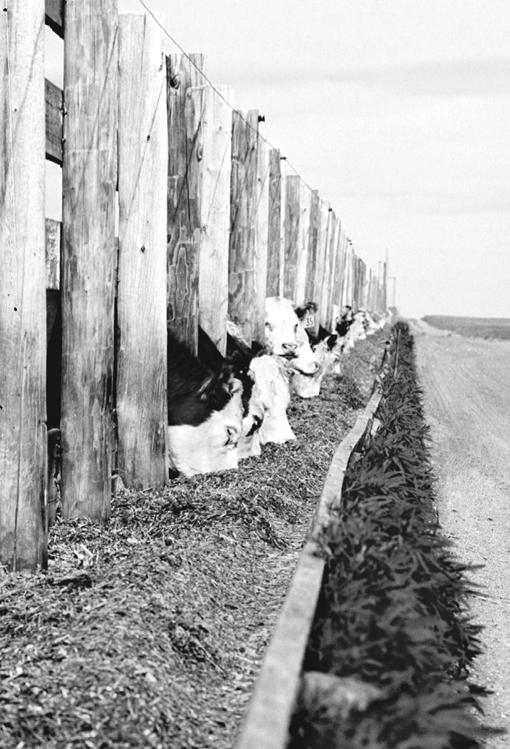
The continuous growth of meat consumption and, consequently, the number of animals reared for slaughter, has caused several environmental problems. The two main problems are represented by the considerable quantities of water needed during the various phases of rearing (the production of one kilo of beef reared with cereals requires around 16,000 liters of water) and by the complexity of the disposal of butchered animal waste.
...
- Green Consumer Challenges
- Affluenza
- Air Travel
- Carbon Emissions
- Commuting
- Conspicuous Consumption
- Disparities in Consumption
- Dumpster Diving
- Durability
- E-Waste
- Electricity Usage
- Energy Efficiency of Products and Appliances
- Food Additives
- Food Miles
- Genetically Modified Products
- Greenwashing
- Healthcare
- Insulation
- Lawns and Landscaping
- Materialism
- Needs and Wants
- Overconsumption
- Pesticides and Fertilizers
- Pets
- Pharmaceuticals
- Positional Goods
- Poverty
- Pricing
- Quality of Life
- Resource Consumption and Usage
- Solid and Human Waste
- Super-Rich
- Symbolic Consumption
- Waste Disposal
- Windows
- Beverages
- Bottled Beverages (Water)
- Coffee
- Confections
- Dairy Products
- Fish
- Meat
- Poultry and Eggs
- Slow Food
- Tea
- Vegetables and Fruits
- Water
- Green Consumer Products and Services
- Adhesives
- Apparel
- Audio Equipment
- Automobiles
- Baby Products
- Books
- Car Washing
- Certified Products (Fair Trade or Organic)
- Cleaning Products
- Computers and Printers
- Cosmetics
- Disposable Plates and Plastic Implements
- Floor and Wall Coverings
- Fuel
- Funerals
- Furniture
- Garden Tools and Appliances
- Grains
- Home Appliances
- Home Shopping and Catalogs
- Homewares
- Internet Purchasing
- Lighting
- Linen and Bedding
- Magazines
- Malls
- Mobile Phones
- Packaging and Product Containers
- Paper Products
- Personal Products
- Recyclable Products
- Seasonal Products
- Services
- Shopping
- Shopping Bags
- Sports
- Supermarkets
- Swimming Pools and Spas
- Television and DVD Equipment
- Tools
- Toys
- Green Consumer Solutions
- Biodegradable
- Carbon Credits
- Carbon Offsets
- Certification Process
- Composting
- Consumer Activism
- Downshifting
- Ecolabeling
- Ecological Footprint
- Ecotourism
- Environmentally Friendly
- Ethically Produced Products
- Fair Trade
- Gardening/Growing
- Gifting (Green Gifts)
- Green Communities
- Green Consumer
- Green Consumerism Organizations
- Green Design
- Green Discourse
- Green Food
- Green Gross Domestic Product
- Green Homes
- Green Marketing
- Green Politics
- Local Exchange Trading Schemes
- Locally Made
- Markets (Organic/Farmers)
- Morality (Consumer Ethics)
- Organic
- Plants
- Product Sharing
- Public Transportation
- Recycling
- Regulation
- Secondhand Consumption
- Simple Living
- Sustainable Consumption
- Vege-Box Schemes
- Green Consumerism Organizations, Movements, and Planning
- Advertising
- Commodity Fetishism
- Consumer Behavior
- Consumer Boycotts
- Consumer Culture
- Consumer Ethics
- Consumer Society
- Consumerism
- Demographics
- Diderot Effect
- Environmentalism
- Fashion
- Final Consumption
- Finance and Economics
- Frugality
- Government Policy and Practice (Local and National)
- Heating and Cooling
- International Regulatory Frameworks
- Kyoto Protocol
- Leisure and Recreation
- Lifestyle, Rural
- Lifestyle, Suburban
- Lifestyle, Sustainable
- Lifestyle, Urban
- Organisation for Economic Co-operation and Development (OECD)
- Production and Commodity Chains
- Psychographics
- Social Identity
- Taxation
- United Nations Human Development Report 1998
- Websites and Blogs
- Loading...
Get a 30 day FREE TRIAL
-
 Watch videos from a variety of sources bringing classroom topics to life
 -
Read modern, diverse business cases
-
Explore hundreds of books and reference titles

Read next

More like this
Sage Recommends
We found other relevant content for you on other Sage platforms.
Have you created a personal profile? Login or create a profile so that you can save clips, playlists and searches