
Entry
Reader's guide
Entries A-Z
Subject index
Carbon Offsets
A carbon offset is an emission reduction credit from another organization's project that results in less carbon dioxide or other greenhouse gases (GHGs) in the atmosphere than would otherwise occur. Carbon offsets are typically measured in tons of carbon dioxide (CO2) equivalents and are bought and sold through a number of international brokers, online retailers, and trading platforms. Once it has been used, either for compliance or voluntary motives, an offset must be cancelled to avoid its reuse.
Before it is cancelled, a carbon offset can be considered a market commodity that represents a reduction in GHG emissions. Although most buyers of offsets use them for compliance purposes in a cap-and-trade GHG emission trading scheme, some entities purchase carbon offsets to become carbon neutral. This is called the voluntary market.
The compliance market involves companies, governments, or other entities that buy carbon offsets to comply with caps on the total amount of CO2 they are allowed to emit. This market is currently much larger than the voluntary market, in which individuals, companies, or governments purchase carbon offsets to mitigate their own GHG emissions from transportation, electricity use, and other sources without being constrained to reduce or offset their emissions. Voluntary carbon offsetting is particularly popular in Western countries that have become aware of and concerned about the potentially negative environmental effects of climate change.
Voluntary carbon offsetting is particularly popular in Western countries that are concerned about the potentially negative environmental effects of climate change
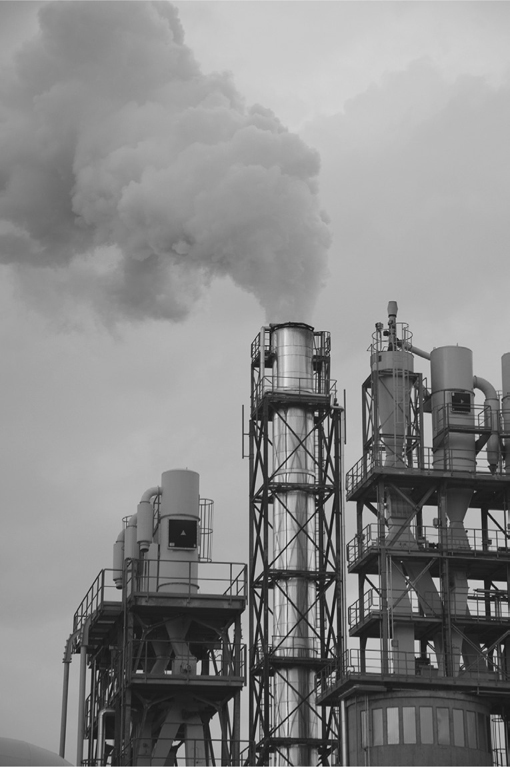
Offsets are typically achieved through the financial support of projects that reduce the emission of GHGs. The Kyoto Protocol established the Clean Development Mechanism (CDM) and Joint Implementation, which validate and measure projects to ensure they produce real benefits and are genuinely “additional” activities. Additionality is the fundamental criterion for the recognition of a project. Under this criterion, the project developers must, from a business-as-usual scenario, show that their project will result in GHG emissions reductions that would not occur otherwise. The difference between the level of emissions in the business-as-usual scenario and in the scenario with the CDM or Joint Implementation project determines rights to carbon credits (certified emissions reductions with the CDM, emission reduction units with the Joint Implementation). The additionality test is essentially composed of three elements: environmental additionality (does the project reduce emissions below the business-as-usual scenario?), investment additionality (does access to carbon credits make the project viable?), and technological additionality (does the project lead to a transfer of technologies in the host country?). The Marrakesh Accords implicitly recognized that investment additionality can be a means of proving the environmental additionality of the project but that it is not necessarily the only way (other barriers to investment such as technological barriers or availability of capital may also prove the environmental additionality of a project). Finally, economic additionality is also considered. This implies that the capital provided by the developed countries is not used as a substitute for traditional aid to developing countries.
Official compliance offsets (certified emissions reductions or emission reduction units) come mainly from the destruction of fluorinated gases, renewable energy, and waste management. Voluntary offsets come primarily from four types of projects: forestry, renewable energy, energy efficiency, and waste management. A feature of voluntary offsetting projects is that they are often small scale. For instance, a project in energy efficiency could be related to solar cooking in a school or the replacement of an inefficient diesel motor. More than one-third of the voluntary offset credits sold come from forestry projects or other sink projects. Forestry projects are considered more controversial than energy or waste projects (e.g., methane recovery in landfills), mainly because of the greater uncertainty in accounting for avoided emissions and the temporary aspect of carbon sinks (if the trees rot or burn, the carbon sink becomes an emission source, thus losing all offset benefits) and the potential for leakage resulting from displacement of the deforestation. Nevertheless, forestry projects may represent significant sources of income for people living in high-deforestation areas and protecting forests—a key element in the fight against global warming. There is clearly an urgent need for the development of financial mechanisms to encourage owners of primary forests not to exploit them. Here, too, only good quality controls can give the buyers the necessary guarantees.
...
- Green Consumer Challenges
- Affluenza
- Air Travel
- Carbon Emissions
- Commuting
- Conspicuous Consumption
- Disparities in Consumption
- Dumpster Diving
- Durability
- E-Waste
- Electricity Usage
- Energy Efficiency of Products and Appliances
- Food Additives
- Food Miles
- Genetically Modified Products
- Greenwashing
- Healthcare
- Insulation
- Lawns and Landscaping
- Materialism
- Needs and Wants
- Overconsumption
- Pesticides and Fertilizers
- Pets
- Pharmaceuticals
- Positional Goods
- Poverty
- Pricing
- Quality of Life
- Resource Consumption and Usage
- Solid and Human Waste
- Super-Rich
- Symbolic Consumption
- Waste Disposal
- Windows
- Beverages
- Bottled Beverages (Water)
- Coffee
- Confections
- Dairy Products
- Fish
- Meat
- Poultry and Eggs
- Slow Food
- Tea
- Vegetables and Fruits
- Water
- Green Consumer Products and Services
- Adhesives
- Apparel
- Audio Equipment
- Automobiles
- Baby Products
- Books
- Car Washing
- Certified Products (Fair Trade or Organic)
- Cleaning Products
- Computers and Printers
- Cosmetics
- Disposable Plates and Plastic Implements
- Floor and Wall Coverings
- Fuel
- Funerals
- Furniture
- Garden Tools and Appliances
- Grains
- Home Appliances
- Home Shopping and Catalogs
- Homewares
- Internet Purchasing
- Lighting
- Linen and Bedding
- Magazines
- Malls
- Mobile Phones
- Packaging and Product Containers
- Paper Products
- Personal Products
- Recyclable Products
- Seasonal Products
- Services
- Shopping
- Shopping Bags
- Sports
- Supermarkets
- Swimming Pools and Spas
- Television and DVD Equipment
- Tools
- Toys
- Green Consumer Solutions
- Biodegradable
- Carbon Credits
- Carbon Offsets
- Certification Process
- Composting
- Consumer Activism
- Downshifting
- Ecolabeling
- Ecological Footprint
- Ecotourism
- Environmentally Friendly
- Ethically Produced Products
- Fair Trade
- Gardening/Growing
- Gifting (Green Gifts)
- Green Communities
- Green Consumer
- Green Consumerism Organizations
- Green Design
- Green Discourse
- Green Food
- Green Gross Domestic Product
- Green Homes
- Green Marketing
- Green Politics
- Local Exchange Trading Schemes
- Locally Made
- Markets (Organic/Farmers)
- Morality (Consumer Ethics)
- Organic
- Plants
- Product Sharing
- Public Transportation
- Recycling
- Regulation
- Secondhand Consumption
- Simple Living
- Sustainable Consumption
- Vege-Box Schemes
- Green Consumerism Organizations, Movements, and Planning
- Advertising
- Commodity Fetishism
- Consumer Behavior
- Consumer Boycotts
- Consumer Culture
- Consumer Ethics
- Consumer Society
- Consumerism
- Demographics
- Diderot Effect
- Environmentalism
- Fashion
- Final Consumption
- Finance and Economics
- Frugality
- Government Policy and Practice (Local and National)
- Heating and Cooling
- International Regulatory Frameworks
- Kyoto Protocol
- Leisure and Recreation
- Lifestyle, Rural
- Lifestyle, Suburban
- Lifestyle, Sustainable
- Lifestyle, Urban
- Organisation for Economic Co-operation and Development (OECD)
- Production and Commodity Chains
- Psychographics
- Social Identity
- Taxation
- United Nations Human Development Report 1998
- Websites and Blogs
- Loading...
Get a 30 day FREE TRIAL
-
 Watch videos from a variety of sources bringing classroom topics to life
 -
Read modern, diverse business cases
-
Explore hundreds of books and reference titles

Read next

More like this
Sage Recommends
We found other relevant content for you on other Sage platforms.
Have you created a personal profile? Login or create a profile so that you can save clips, playlists and searches