
Entry
Reader's guide
Entries A-Z
Subject index
Apparel
Traditionally, apparel purchasing decisions have depended predominantly on price, quality, style, brand reputation, and fabric. In the last 10 to 15 years, consumers have become more aware of the realities of the clothing they wear and may believe anything bearing the Fair Trade label is ethically made.
The growth in ethical apparel is being driven by consumer demand for fairly produced and sustainable goods. The data analysis group Mintel reports that the ethical clothing market is now worth $288 million, with increasingly stylish designs of fairly produced apparel and a growing awareness of production. The demand for ethical clothing has been increasingly met by independent stores and a growing number of major upscale retailers and supermarkets. Among the many apparel retailers, Patagonia (an outdoor clothing company) and Timberland were named the world's most ethical apparel companies in 2008, having demonstrated ethical leadership at the Forbes-Ethisphere Ethical Leadership Forum in New York City. The awarded companies were given the highest scores based on the results of a survey in which they were rated in seven distinct categories: corporate citizenship and responsibility; corporate governance; innovations contributing to the public well-being; executive leadership and tone from the top; legal, regulatory, and reputation track record; internal systems; and ethics or compliance programs.
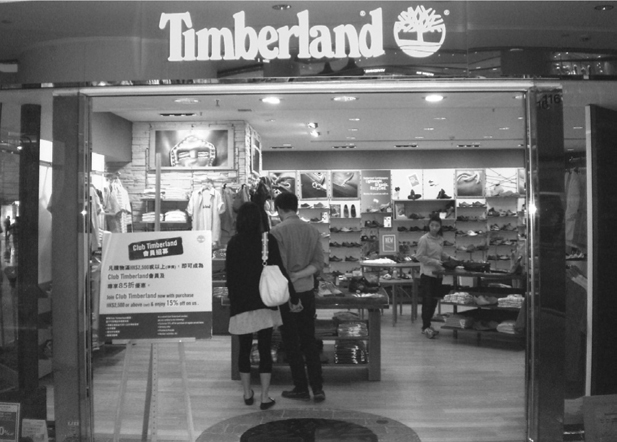
Timberland is among a group of apparel retailers that were recognized as the world's most ethical apparel companies, based on criteria that included corporate responsibility, contributions to the public well-being, and a regulatory track record.
The term ethical means different things to different people and organizations. The term generally means that workers' rights need to be respected throughout the supply chain. The main ethical concerns are excessive hours, forced overtime, lack of job security, poverty wages, and denial of trade union rights, poor health, exhaustion, sexual harassment, and mental stress. However, it may also mean promoting ecological and sustainable manufacturing practices that use a different model of production or trade. Some alternative brands are making a genuine effort to challenge the way the garment industry currently operates. Taking Patagonia as an example, the company is pushing a more sustainable model by initiating the Organic Exchange with the sole purpose of training other companies to source and manufacture organic goods. In an effort to provide its customers with greater access to information and to promote transparency, Patagonia created the Footprint Chronicles, a study that traces the life cycle of a product from design through to shipment. One of its most exciting goals is the development of not just fully recyclable clothing but completely biodegradable natural garments that will wind up on a compost heap, as opposed to in a landfill.
As the ethical movement has grown, there is a growing diverse use of the following terms; companies designate ethical apparel under different headings to reflect different types of concern:
- Fair Trade and sweatshop-free apparel: Focus on people, human rights, workers' rights, supply chain policy; aims to give producers in poorer countries a “fair deal.”
- Vegan apparel: Oppose animal cruelty, animal testing, factory farming, other abrogation of animal rights.
- Organic cotton apparel: Focus on product sustainability, positive environmental features; that is, apparel might be certified to Soil Association standards.
- Natural environmentally friendly, ecofriendly apparel: Focus on pollution and toxics, habitats and resources, such as apparel that uses only high-quality organic and sustainable materials (e.g., ecodyes); its production typically relies on far fewer agrochemicals.
These terms are used interchangeably based on different ethical consideration. Even in factories that on the surface look clean and modern, workers are often deprived of their internationally recognized basic rights.
...
- Green Consumer Challenges
- Affluenza
- Air Travel
- Carbon Emissions
- Commuting
- Conspicuous Consumption
- Disparities in Consumption
- Dumpster Diving
- Durability
- E-Waste
- Electricity Usage
- Energy Efficiency of Products and Appliances
- Food Additives
- Food Miles
- Genetically Modified Products
- Greenwashing
- Healthcare
- Insulation
- Lawns and Landscaping
- Materialism
- Needs and Wants
- Overconsumption
- Pesticides and Fertilizers
- Pets
- Pharmaceuticals
- Positional Goods
- Poverty
- Pricing
- Quality of Life
- Resource Consumption and Usage
- Solid and Human Waste
- Super-Rich
- Symbolic Consumption
- Waste Disposal
- Windows
- Beverages
- Bottled Beverages (Water)
- Coffee
- Confections
- Dairy Products
- Fish
- Meat
- Poultry and Eggs
- Slow Food
- Tea
- Vegetables and Fruits
- Water
- Green Consumer Products and Services
- Adhesives
- Apparel
- Audio Equipment
- Automobiles
- Baby Products
- Books
- Car Washing
- Certified Products (Fair Trade or Organic)
- Cleaning Products
- Computers and Printers
- Cosmetics
- Disposable Plates and Plastic Implements
- Floor and Wall Coverings
- Fuel
- Funerals
- Furniture
- Garden Tools and Appliances
- Grains
- Home Appliances
- Home Shopping and Catalogs
- Homewares
- Internet Purchasing
- Lighting
- Linen and Bedding
- Magazines
- Malls
- Mobile Phones
- Packaging and Product Containers
- Paper Products
- Personal Products
- Recyclable Products
- Seasonal Products
- Services
- Shopping
- Shopping Bags
- Sports
- Supermarkets
- Swimming Pools and Spas
- Television and DVD Equipment
- Tools
- Toys
- Green Consumer Solutions
- Biodegradable
- Carbon Credits
- Carbon Offsets
- Certification Process
- Composting
- Consumer Activism
- Downshifting
- Ecolabeling
- Ecological Footprint
- Ecotourism
- Environmentally Friendly
- Ethically Produced Products
- Fair Trade
- Gardening/Growing
- Gifting (Green Gifts)
- Green Communities
- Green Consumer
- Green Consumerism Organizations
- Green Design
- Green Discourse
- Green Food
- Green Gross Domestic Product
- Green Homes
- Green Marketing
- Green Politics
- Local Exchange Trading Schemes
- Locally Made
- Markets (Organic/Farmers)
- Morality (Consumer Ethics)
- Organic
- Plants
- Product Sharing
- Public Transportation
- Recycling
- Regulation
- Secondhand Consumption
- Simple Living
- Sustainable Consumption
- Vege-Box Schemes
- Green Consumerism Organizations, Movements, and Planning
- Advertising
- Commodity Fetishism
- Consumer Behavior
- Consumer Boycotts
- Consumer Culture
- Consumer Ethics
- Consumer Society
- Consumerism
- Demographics
- Diderot Effect
- Environmentalism
- Fashion
- Final Consumption
- Finance and Economics
- Frugality
- Government Policy and Practice (Local and National)
- Heating and Cooling
- International Regulatory Frameworks
- Kyoto Protocol
- Leisure and Recreation
- Lifestyle, Rural
- Lifestyle, Suburban
- Lifestyle, Sustainable
- Lifestyle, Urban
- Organisation for Economic Co-operation and Development (OECD)
- Production and Commodity Chains
- Psychographics
- Social Identity
- Taxation
- United Nations Human Development Report 1998
- Websites and Blogs
- Loading...
Get a 30 day FREE TRIAL
-
 Watch videos from a variety of sources bringing classroom topics to life
 -
Read modern, diverse business cases
-
Explore hundreds of books and reference titles

Read next

More like this
Sage Recommends
We found other relevant content for you on other Sage platforms.
Have you created a personal profile? Login or create a profile so that you can save clips, playlists and searches