
Entry
Reader's guide
Entries A-Z
Subject index
Early Ripe, Early Rot
“Early ripe, early rot” is a piece of folklore and educational jargon that suggests too early an intervention for the gifted will not help them and may actually cause them long-term harm. This proverbial saying is often dismissed as anti-intellectualism, yet there is some truth to this claim. Contrarily, ample evidence shows that early intervention, when done appropriately, is beneficial to the long-term intellectual, psychological, and emotional development of the gifted person. The notion of early ripe, early rot is occasionally substantiated in the life of a gifted individual. Longitudinal research with many gifted proves that early rot is not the norm and most early ripeners do well across the life span. This entry describes the background and empirical evidence for early ripe, early rot theories.
Background
The truism is not new; it is common in ancient occidental and oriental proverbs and in print at least as early as the 14th century. It is alluded to in the Hebrew bible. Fig trees produce two or more crops of fruit if weather conditions are right. In ancient Israel and Palestine, the first fruit was the bikkurah, or early-ripe fig. This early ripening and early rotting fruit is mentioned in Micah 7:1, Isaiah 28:4, Hosea 9:10, and Nahum 3:12. An ancient Thai proverb
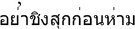
is translated as, “Don't hasten to ripen before being nearly ripe first.” Various authors note Chinese, Japanese, or Zen versions of the same idea, but do not give specific sources.
In literature from the late 1300s, several mentions are made of the pere-ionettes, the early-ripe pear. Chaucer wrote about them in the Reeves Tale from his Canterbury Tales. William Langland's Piers Plowman says that the pere-ionettes were very sweet and very early ripe, and therefore very soon rotten. The Latin phrase, Praecocia non diu-turna, “The fruicte that soonest ripes, doth soonest fade aw aie,” appears as a warning in Geoffry Whitney's 1586 catalog of emblematic sayings.
In Shakespeare's Richard III (circa 1590), Richard says about his nephew, whom he will soon murder, “So wise so young, they say do never live long” (III, i, 79). A similar saying appears in print in Scotland by 1882 as “ripe fruit is soonest rotten.” Other European versions include the following: “soon old, soon with God” (England), “bald reif hält nicht steif” (German), “vroeg rijp, vroeg rot” (Dutch), “ce qui croît soudain, périt le lendemain” (French), “sol que mucho madruga, poco dura” (Spanish), and “presto matura, presto marcio” (Italian).
In 1875, a British tract on good health noted, “It is a recognized fact in physiology that the longer a child is in getting its full growth the longer it will live. ‘Early ripe, early rot’ is almost a proverb. Children who grow rapidly are always weakly.” The 19th-century American journalist, critic, and women's rights activist Margaret Fuller said, “For precocity some great price is always demanded sooner or later in life.”
William Sidis, perhaps the smartest child ever with an estimated IQ of 200 to 300, became the rallying cry for those who believed the truth of early ripe, early rot in the 20th century. He could read and spell by age 2, type English and French by 4, and entered Harvard at 11 where he gave a lecture on his intuitive understanding of “four-dimensional bodies.” Soon after he had a breakdown, and although he graduated with honors at 20, he spent the rest of his life avoiding intellectual activities. A 1924 New York Times editorial about how gifted children, and especially Sidis, fizzled out as adults was entitled, “Precocity Doesn't Wear Well.” In the 1930s and 1940s, early ripe, early rot was a common educator mantra and early readers were generally thought of in the negative.
...
- Assessment and Identification
- ACT College Admission Examination
- Aptitude Assessment
- Artistic Assessment
- Biographical Assessment of Creativity
- Cognitive Abilities Test
- Creativity Assessment
- Early Identification
- Gifted Rating Scales
- High-Stakes Testing
- Identification
- Intelligence Testing
- Iowa Acceleration Scale
- Kaufman ABC Tests
- Levels of Gifted
- Multicultural Assessment
- Musical Talent Assessment
- Naglieri Nonverbal Ability Test
- Nonverbal Tests
- Optimal Development
- Raven's Progressive Matrices
- SAT
- Stanford-Binet
- Teacher Nominations
- Teacher Rating Scales
- Test Development
- Test Preparation
- Torrance Tests of Creative Thinking
- Wechsler Intelligence Scale for Children–Fourth Edition
- Wechsler Preschool and Primary Scale of Intelligence–Third Edition
- Creativity Studies
- “Aha!” Experience
- Cognitive Development
- Creative Personality
- Creative Problem Solving
- Creative Process
- Creative Productivity
- Creativity and Mental Illnesses
- Creativity in Science
- Creativity in the Workplace
- Divergent Thinking
- Family Creativity
- Flow
- Gestalt Psychology and Creativity
- Imagination
- Innovation
- Problem Solving
- Relationship of Creativity to Intelligence
- Sex Differences in Creativity
- Cultural Issues
- Africa, Gifted Education
- Anti-Intellectualism
- Asia, Gifted Education
- Attitudes Toward Religion and Spirituality
- Australia, Gifted Education
- Canada, Gifted Education
- China, Gifted Education
- Cultural Conceptions of Giftedness
- Cultural Values
- Diversity in Gifted Education
- Elitism
- Eugenics
- Europe, Gifted Education
- Global Issues
- Grandparenting
- History of Creativity
- History of Gifted Education in the United States
- Japan, Gifted Education
- Latin America/South America, Gifted Education
- Legal Issues for Gifted
- Multicultural Creativity
- Multicultural Curriculum
- Parental Attitudes
- Parenting
- Popular Culture
- Role Models
- School Attitudes
- Sibling Relationships
- Social-Emotional Issues
- Socioeconomic Status
- Stigmatization
- Student Attitudes
- Teacher Attitudes
- Underrepresentation
- World Views
- Education
- Academic Advising
- Acceleration/A Nation Deceived
- Action Research
- Administrative Attitudes
- Administrative Decision Making
- Architecture
- Art Education
- Astronomy
- Attitudes Toward Gifted
- Best Practices
- Biology Curriculum, Gifted
- Cartooning
- Chemistry Curriculum, Gifted
- Children, Middle School
- Classical Languages Curriculum, Gifted
- Classics/Great Books
- Classroom Practices
- Cluster Grouping
- Cluster Grouping for English Language Learners
- Collaborative Learning
- College Creativity
- College Gifted
- Competencies for Teachers of Gifted
- Controversies in Gifted Education
- Creative Classroom Techniques
- Creative Teaching
- Creativity in Engineering
- Differentiation
- Dropouts, Gifted
- Elementary Enrichment
- Elementary School, Literature Curriculum
- Elementary School, Mathematics Curriculum
- Elementary School, Science Curriculum
- Elementary School, Social Studies Curriculum
- Elementary School, Writing Curriculum
- Enrichment Theories
- Extracurricular Activities
- Factor Analyses Creativity
- Gifted Child Quarterly
- Governor's Schools
- Graduate Education
- Homeschooling
- Honor Societies
- Honors Program
- Inclusion
- Independent Day and Boarding Schools
- Indiana Academy
- Individual Education Plan
- Individualized Instruction
- Instructional Management
- International Baccalaureate
- International Schools for the Gifted
- Internships
- Ivy League Colleges
- Language Arts, Curriculum
- Learning
- Learning Styles
- Mathematics, Curriculum
- Mentoring Gifted and Talented Individuals
- Meta-Analyses of Gifted Education
- Middle School Enrichment
- Middle School Movement
- Middle School, Literature Curriculum
- Middle School, Mathematics Curriculum
- Middle School, Science Curriculum
- Middle School, Social Studies Curriculum
- Middle School, Writing Curriculum
- Montessori Schools
- Music Education
- National Academies of Sciences
- National Academy of Arts, Sciences, and Engineering
- National Merit Scholarship Program
- Online Gifted Education
- Out-of-School
- Parent Nominations
- Precocious Reading
- Preschool
- Preservice Education
- Presidential Scholars
- Professional Development
- Regular Classroom
- Saturday Programs
- Scholarships
- Science, Curriculum
- Scope and Sequence
- Secondary School, Literature Curriculum
- Secondary School, Mathematics Curriculum
- Secondary School, Social Studies Curriculum
- Secondary School, Writing Curriculum
- Secondary Schools
- Self-Contained Classroom
- Service-Learning
- Single-Sex Schooling
- Social Studies, Curriculum
- Specialized Secondary Schools
- Summer Programs
- Teacher Training
- Teachers of Gifted
- Technology
- Visual Metaphor
- Web-Based Learning
- Eminent People
- Exceptionalities
- Intelligence
- Neuroscience and Genetics
- Populations
- Adolescent, Creative
- Adolescent, Gifted
- Adult, Gifted
- African American, Gifted
- Asian American, Gifted
- Autonomous Learner
- Boys, Gifted
- Criminal Gifted
- Disabilities, Gifted
- Elderly, Gifted
- Gay, Lesbian, Bisexual, and Transgender Gifted
- Gifted in the Workplace
- Girls, Gifted
- Highly Gifted
- Hispanic/Latino(a), Gifted
- Islamic American, Gifted
- Men, Gifted
- Native American, Gifted
- Poverty and Low-Income Gifted
- Rural Gifted
- Savants
- Talented Girls, Mathematics
- Talented Readers
- Valedictorians
- Very Young Creative
- Very Young Gifted
- Women, Gifted
- Programs and Interventions
- Acceleration Options
- Advanced Placement
- American Psychological Association Center for Gifted Education Policy
- Belin-Blank Center
- Brainstorming
- Career Counseling
- Center for Gifted Education
- Center for Talent Development
- Chess
- Coaching
- Competitions
- Confratute
- Council for Exceptional Children—The Association for the Gifted
- Creativity Research Journal
- Creativity Training
- Davidson Institute for Talent Development
- Early Admission, College
- Early Entrance, Kindergarten
- Effective Programs
- Evaluation of Programs
- Future Problem Solving
- Gifted Education Centers
- Gifted Education Resource Institute
- Guidance
- Halbert Robinson Center
- Institute for Research and Policy on Acceleration
- Institute of Personality Assessment and Research
- Javits Program
- Mensa
- Midwest Academic Talent Search
- National Association for Gifted Children
- National Research Center on the Gifted and Talented
- No Child Left Behind
- Nobel Prize
- Poets Laureate
- Robotics
- Rocketry
- Roeper Review
- Science Talent Search Winners
- State Associations
- State Offices of Gifted
- Storytelling
- Study of Mathematically Precocious Youth
- Summer Camps
- Supporting Emotional Needs of the Gifted
- Synectics
- Talent Identification Program
- Talent Searches
- Torrance Center for Creativity and Talent Development
- Visualization
- Wallace Research Symposium
- World Conferences
- World Council for Gifted and Talented Children
- Psychological Issues
- Absorption
- Academic Self-Concept
- Achievement Motivation
- Aspiration Development and Self-Fulfillment
- Asynchrony
- Character and Moral Development
- Consciousness
- Eccentricity and Temperament
- Emotional Development
- Emotional Intelligence
- Existential Depression
- Family Achievement
- Friendships
- Genius
- Group Dynamics
- Imagery
- Inquiry
- Intrinsic Versus Extrinsic Motivation
- Leadership
- Life Satisfaction
- Locus of Control
- Meaning of Life
- Moral Development
- Motivating Gifted Students
- Overexcitabilities
- Perfectionism
- Prodigies
- Psychotherapy
- Reaction Time
- Resilience
- Risk Taking
- School Psychologists
- Self-Actualization
- Self-Efficacy/Self-Esteem
- Social Development
- Spirituality
- Stereotype Threat
- Talent Development
- Thinking Skills
- Transpersonal Psychology
- Talent Domains
- Academic Talent
- Artistic Ability
- Athletic Giftedness
- Bilingualism and Creativity
- Cognitive Abilities
- Creative Leadership
- Dance
- Domains of Talent
- Drama
- Entrepreneurial Ability
- Everyday Creativity
- Existentially Gifted
- Factor Analyses Creativity
- Film and Film-Making Gifted
- General Creativity
- Gifted Readers
- Inventors
- Literary Creativity
- Mathematical Creativity
- Mathematical Intelligence
- Mathematical Talent
- Mathematically Precocious
- Multilingualism
- Multiple Intelligences
- Multipotentiality
- Musical Creativity
- Musical Intelligence
- Musicians
- Originality
- Performing Arts
- Playwrights
- Political Leaders
- Polymaths
- Scientifically Gifted
- Scientists
- Spiritual Intelligence
- Spiritual Leaders
- Verbal Ability
- Visual-Spatial Learners
- Writers
- Theories and Models
- Biographical Methods in Gifted Education
- Creative Communities
- Creative Organizational Climate
- Creativity and the Economic System
- Creativity Theories
- Creativity, Definition
- Curriculum Models
- Differentiated Model of Giftedness and Talent
- Dual Processing Model
- Early Ripe, Early Rot
- Enrichment Triad Model
- Giftedness, Definition
- Habits of Mind
- Historiometry
- Hollingworth's Studies of Highly Gifted Students
- Intelligence Theories
- Parallel Curriculum Model
- Positive Disintegration
- Practical Intelligence
- Psychoanalytic Theories of Creativity
- Purdue Model
- Research, Qualitative
- Research, Quantitative
- Revolving Door Identification Model
- Schoolwide Enrichment Model
- Structure of Intellect
- Terman's Studies of Genius
- Triarchic Theory
- Loading...
Get a 30 day FREE TRIAL
-
 Watch videos from a variety of sources bringing classroom topics to life
 -
Read modern, diverse business cases
-
Explore hundreds of books and reference titles

Read next

More like this
Sage Recommends
We found other relevant content for you on other Sage platforms.
Have you created a personal profile? Login or create a profile so that you can save clips, playlists and searches