
Entry
Entries A-Z
Mugwump
One of the more colorful epithets of American politics—mugwump—has survived its rather narrow meaning. It originally referred to a Republican who refused to support the presidential candidacy of James G. Blaine in 1884. Now seldom used, it means someone who bolted his or her political party in favor of another candidate.
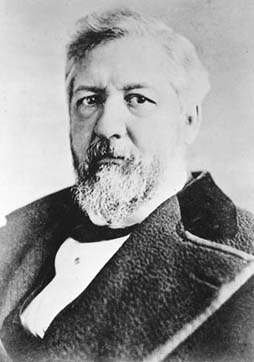
Library of Congress
Blaine offended some GOP stalwarts with his ethics problems, including allegations that he had accepted bribes from Crédit Mobilier, the Union Pacific subsidiary building the transcontinental railroad. Blaine, then Speaker of the House, avoided censure, but the stain of scandal hurt his later candidacy. Supporters of Democrat Grover Cleveland chanted: “Blaine, Blaine, James G. Blaine! Continental liar from the state of Maine!” Cleveland won, despite his admission that he was supporting an illegitimate son.
Mugwump comes from the Algonquin word for chief. A more facetious derivation is attributed to a Princeton University president, Harold Willis Dodds, who said a mugwump “is a fellow with his mug on one side of the fence and his wump on the other.” Given wide circulation by the media, Dodds's definition has endured as a secondary meaning of mugwump: a person who cannot make up his or her mind.
Get a 30 day FREE TRIAL
-
 Watch videos from a variety of sources bringing classroom topics to life
 -
Read modern, diverse business cases
-
Explore hundreds of books and reference titles

Read next

More like this
Sage Recommends
We found other relevant content for you on other Sage platforms.
Have you created a personal profile? Login or create a profile so that you can save clips, playlists and searches