
Entry
Entries A-Z
Media Coverage of Campaigns
There is much about elections that is exciting. The opportunity to do volunteer work in a campaign that you believe in. The chance to shake hands with a well-known candidate. The color and hoopla of the nominating conventions. And, finally, the suspense on election night as the names of the winners and losers are revealed.
On the other hand, there is much about elections that the public finds boring. The long speeches. The negative campaigning that seems to get worse with every election. The constant appeals for money for this or that campaign. And, finally, the sheer length of the campaign seasons, which are longer in the United States than in almost any other democratic country and perhaps much longer than they need to be to ensure that the voters have sufficient information to make intelligent choices. (See International and U.S. elections compared; zzz.)
What separates the exciting from the boring is chiefly the presence or absence of drama, and that in turn helps to determine the amount of attention a campaign receives from the news media, especially television. In the highly competitive news business, the media are looking for a larger audience share or greater readership. What the producers and editors think will gain the most viewers or readers may have little to do with what the individual voters find exciting about politics and elections.
Because drama thrives on conflict, the news coverage often emphasizes the “horse-race” aspects of an election, rather than the candidate's qualifications or positions on issues. campaign strategy, momentum, competition, and error are emphasized at the expense of candidates' records and policy pronouncements.
Journalists covering presidential debates, for example, are more concerned with who “won” than with the issues articulated. Issues are subordinated to personalities, and electoral outcomes focus on the individual's personal victory or defeat rather than on the process and its implications for the country, state, or region. Thus the media can impinge on the ability of candidates to set the policy agenda and articulate their positions.
By exposing a flaw in the person's history the media can derail a candidacy long before the election. In 1972 Thomas Eagleton was forced to give up the Democratic vice-presidential nomination after his past treatment for depression was disclosed. Gary Hart and Joseph Biden abandoned fledgling presidential bids in 1987 after receiving adverse publicity. Hart was caught in an extramarital relationship, and Biden had engaged in plagiarism.
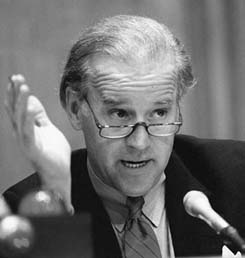
Scott Ferrell, Congressional Quarterly
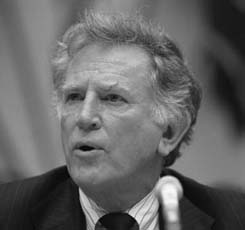
Scott Ferrell, Congressional Quarterly
Scandal, however, is not necessarily the kiss of death to a campaign. In 1992 Arkansas governor Bill Clinton, with his wife at his side, weathered Gennifer Flowers's assertions that she had been Clinton's mistress for twelve years. And in 1996, on the day Clinton accepted the Democratic presidential nomination for the second time, the media disclosed that one of his chief political consultants, Dick Morris, had a long-term relationship with a prostitute.
At the same time, Clinton himself was still under investigation by an independent counsel for the Whitewater real estate scandal in Arkansas, was fending off a sexual assault civil suit by former Arkansas state employee Paula Jones, and was under fire for receiving illicit campaign contributions from foreign nationals. Yet he defeated Republican challenger Robert J. Dole by a wide margin.
...
Get a 30 day FREE TRIAL
-
 Watch videos from a variety of sources bringing classroom topics to life
 -
Read modern, diverse business cases
-
Explore hundreds of books and reference titles

Read next

More like this
Sage Recommends
We found other relevant content for you on other Sage platforms.
Have you created a personal profile? Login or create a profile so that you can save clips, playlists and searches