
Entry
Reader's guide
Entries A-Z
Subject index
Uganda
Uganda is a landlocked East African nation bordered by Kenya, Sudan, the Democratic Republic of the Congo, Rwanda, and Tanzania. An impoverished country, more than half of its population lives below the poverty line. In the last decade there has been a serious increase of drug trafficking through Uganda, particularly heroin trafficked from India, Thailand, and Pakistan.
Drug trafficking transpires through Uganda with almost no impediment. The drug laws are lax, few of them targeting trafficking specifically. Sentences are short, and both the Anti-Narcotics Squad and the Joint Anti-Terrorism Taskforce have established histories of corruption; in a country so poor, a drug cartel can afford plenty of bribes to go around.
Drug abuse in Uganda is a significant problem, closely linked with violent crime, especially among the young. Popular youth drugs are bhang (a marijuana preparation) and mairungi, the local name for khat, a fresh leaf that can be chewed for effects similar to amphetamines. Taking advantage of lax drug use laws, groups of teenagers in the slums of the city of Kampala smoke bhang in plain view, and these crowds have been known to become violent. Public smoking is especially common around video halls and other places where teenagers gather at night; arrests tend to lead to, at the most, a few days of inconvenience. Many teenagers move to bhang from tobacco cigarettes or alcohol, and economics drives many to give up alcohol in favor of chewing mairungi. A bundle of 50 mairungi leaves is half the price of a bottle of beer, and provides a long-lasting, stronger high. Many men—young and old—believes it strengthens their libido. The drug is also popular among professional drivers, who need to work long hours in order to collect enough fares or get their cargo where it needs to be.
There is no law in Uganda against mairungi, a plant that grows all over East Africa and is simply plucked and chewed, with no processing or chemicals needed. Attempts at outlawing it have failed, though it is expected that as usage problems grow, a bill will pass parliament that criminalizes certain mairungi-induced behaviors. The police can charge mairungi-chewers under the law against being “idle and disorderly,” but this is little more than an inconvenience, and applicable only when something happens to bring the user to police attention. This has no effect on the sale of mairungi, though mairungi vendors tend not to draw attention to themselves. As common as the drug is, there is a stigma attached to it in some circles. The drug has deleterious long-term effects: in addition to the depression and lethargy caused by withdrawal, even short-term usage can lead to chronic insomnia, irritability, loss of sensation (typically in the mouth and jaw), and difficulty concentrating. Recently, intravenous drugs have become more popular among young people, and drugs have been blamed for the rise in human immunodeficiency virus (HIV) among young people—not simply because of needle sharing but because of the established correlation between drug use and high-risk sexual behavior.
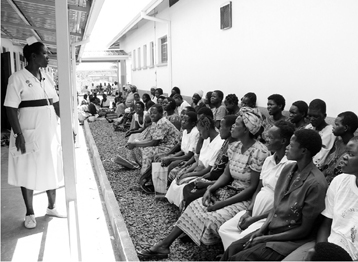
A health education class for pregnant women in Uganda. Drug use may influence human immunodeficiency virus rates.
...
- Employment Division v. Smith (1990)
- Gonzales v. O Centro Espirita Beneficente União do Vegetal (2006)
- Gonzales v. Oregon
- Gonzales v. Raich (2005)
- Gore v. United States (1958)
- Indianapolis v. Edmond (2000)
- Jin Fuey Moy v. United States (1920)
- Leary v. United States (1967)
- Lewis v. United States (1966)
- Linder v. United States (1925)
- People v. Woody (1964)
- United States v. Doremus (1919)
- United States v. Jeffers (1951)
- United States v. Kuch (1968)
- United States v. Sanchez (1950)
- United States v. Warner (1984)
- Convention on Psychotropic Substances, 1971
- Narcotics Limitation Convention of 1931
- National Commission on Marijuana and Drug Abuse (1972)
- 1909 Shanghai Conference
- 1912 Hague Conference
- 1925 Geneva Convention on Opium and Other Drugs
- 1946 Revision of the Harrison Act
- Single Convention on Narcotic Drugs, 1961
- United Nations Convention Against the Illicit Traffic in Narcotic Drugs
- Afghanistan
- Algeria
- Argentina
- Australia
- Azerbaijan
- Bahamas
- Bangladesh
- Belarus
- Belize
- Benin
- Bolivia
- Brazil
- Cambodia
- Canada
- Chile
- China
- Colombia
- Congo
- Costa Rica
- Cuba
- Denmark
- Dominican Republic
- Ecuador
- Egypt
- El Salvador
- France
- Germany
- Ghana
- Greece
- Guatemala
- Haiti
- Honduras
- Hong Kong
- India
- Indonesia
- Iran
- Iraq
- Ireland
- Israel
- Italy
- Jamaica
- Japan
- Jordan
- Kazakhstan
- Kenya
- Korea, South
- Kyrgyzstan
- Lao PDR
- Lebanon
- Libya
- Malaysia
- Mexico
- Morocco
- Myanmar
- Netherlands
- New Zealand
- Nicaragua
- Nigeria
- Pakistan
- Panama
- Papua New Guinea
- Paraguay
- Peru
- Philippines
- Poland
- Portugal
- Romania
- Russia
- Saudi Arabia
- Senegal
- Singapore
- South Africa
- Spain
- Sweden
- Switzerland
- Tajikistan
- Thailand
- Tunisia
- Turkey
- Uganda
- Ukraine
- United Kingdom
- United States
- Uruguay
- Uzbekistan
- Venezuela
- Vietnam
- Yemen
- Anti-Drug Operations, Pre-1960s
- Anti-Drug Operations, 1960s
- Anti-Drug Operations, 1970s
- Anti-Drug Operations, 1980s
- Anti-Drug Operations, 1990s
- Anti-Drug Operations, 2000s
- Asset Forfeiture
- Cocaine Cartels
- Data Collection Systems
- Drug Trafficking and Political Movements
- Drugs and Money Laundering
- Drugs and Terrorism
- Drugs-Crime Connection
- Golden Crescent
- Golden Triangle
- Prices and Volumes in Illicit Markets, Theories of
- Set and Setting
- Alabama Laws and Programs
- Alaska Laws and Programs
- Alcohol and Drug Abuse Education Amendments (1978)
- Analogue (Designer Drug) Act
- Anti-Drug Abuse Act (Drug-Free America Act)
- Anti-Drug Abuse Amendment Act
- Anti-Drug War Movement
- Arizona Laws and Programs
- Arkansas Laws and Programs
- Aviation Drug-Trafficking Control Act
- Boggs Act
- California Laws and Programs
- Colorado Laws and Programs
- Community Mental Health Centers Act
- Comprehensive Crime Control Act of 1984
- Comprehensive Drug Abuse Prevention and Control Act
- Comprehensive Methamphetamine Control Act
- Connecticut Laws and Programs
- Controlled Substance Registrant Protection Act
- Controlled Substances Import and Export Act
- Controlled Substances Penalties Amendments Act
- Criminal Justice/Enforcement Strategies of Drug Control
- Dangerous Drug Diversion Control Act
- Delaware Laws and Programs
- Demand-Side Policies
- Diversion Programs
- Drug Abuse Control Amendments (1965)
- Drug Courts
- Drug Policies: General Strategies
- Drug Policy Effects on Rates of Crime
- Drug Policy Effects on Rates of Drug-Related Illnesses
- Drug Policy Effects on Rates of Drug-Related Injuries
- Drug Policy Effects on Rates of Incarceration
- Drug Policy Effects on Rates of Use
- Drug-Free Communities Act
- Drugs and the Death Sentence
- Durham-Humphrey Act
- Ecstasy Anti-Proliferation Act
- Eighteenth Amendment to the U.S. Constitution
- Elite Model of Drug Laws
- Elite-Engineered Moral Panics
- Florida Laws and Programs
- Food and Drug Administration
- Georgia Laws and Programs
- Grassroots Model of Drug Laws
- Grassroots Moral Panics
- Group Model of Drug Laws
- Harrison Act
- Hawaii Laws and Programs
- Heroin Trafficking Act
- Idaho Laws and Programs
- Illicit Drug Anti-Proliferation Act
- Illinois Laws and Programs
- Indiana Laws and Programs
- International Drug Policies: Eradication of Narcotic Crops
- International Drug Policies: Interdiction and Law Enforcement
- International Drug Policies: International Cooperation
- International Drug Policies: Sanctions/Economic Assistance
- Iowa Laws and Programs
- “Just Say No”
- Kansas Laws and Programs
- Kentucky Laws and Programs
- Louisiana Laws and Programs
- Maine Laws and Programs
- Mandatory Sentencing
- Marihuana Tax Act (1937)
- Maryland Laws and Programs
- Massachusetts Laws and Programs
- Methadone Control Act
- Michigan Laws and Programs
- Minnesota Laws and Programs
- Mississippi Laws and Programs
- Missouri Laws and Programs
- Montana Laws and Programs
- Moral Panics and Drug Laws
- Narcotic Addict Rehabilitation Act
- Narcotic Control Act
- Narcotic Drug Act
- Narcotic Drug Import and Export Act
- Narcotics Manufacturers Act
- National Narcotics Act
- Native Races Act
- Nebraska Laws and Programs
- Nevada Laws and Programs
- New Hampshire Laws and Programs
- New Jersey Laws and Programs
- New Mexico Laws and Programs
- New York Laws and Programs
- 1946 Revision of Harrison Act
- North Carolina Laws and Programs
- North Dakota Laws and Programs
- Office of National Drug Control Policy Reauthorization Act
- Ohio Laws and Programs
- Oklahoma Laws and Programs
- Omnibus Drug Abuse Act
- Opium Poppy Control Act
- Oregon Laws and Programs
- Pennsylvania Laws and Programs
- Policies Regulating Alcohol, U.S.
- Policies Regulating Pharmaceutical Drugs, U.S.
- Policies Regulating Tobacco, U.S.
- Policing Techniques in the War on Drugs
- Porter Narcotic Farm Act
- Pure Food and Drug Act
- Reducing Americans' Vulnerability to Ecstasy Act (RAVE Act)
- Religious Freedom and Drug Laws
- Rhode Island Laws and Programs
- Rockefeller Laws
- Schedule of Controlled Substances
- South Carolina Laws and Programs
- South Dakota Laws and Programs
- Supply-Side Policies
- Tennessee Laws and Programs
- Testing and Sanctions
- Texas Laws and Programs
- Twenty-First Amendment to the U.S. Constitution
- Uniform State Narcotics Act
- Utah Laws and Programs
- Vermont Laws and Programs
- Virginia Laws and Programs
- Volstead Act
- “War on Drugs”
- Washington Laws and Programs
- Webb-Kenyon Act
- West Virginia Laws and Programs
- Wisconsin Laws and Programs
- Workplace: Drug-Free Policy
- Workplace: Role, Prevention, and Programs
- Wyoming Laws and Programs
- Zero Tolerance
- Alcoholics Anonymous
- Anti-Drug Grassroots Organizations
- Anti-Tobacco Campaigns
- Armed Forces
- Bureau of Drug Abuse Control
- Bureau of Narcotics and Dangerous Drugs
- D.A.R.E.
- Drug Enforcement Administration
- Drug Treatment Programs
- Federal Bureau of Narcotics
- International Drug Agencies
- International Narcotics Control Board
- Narcotics Anonymous
- National Organization for Reform of Marijuana Laws
- Office of Drug Abuse Law Enforcement
- Office of National Drug Control Policy
- Office of National Narcotics Intelligence
- Partnership for a Drug-Free America
- President's Advisory Commission on Narcotics and Drug Abuse (Prettyman)
- Secular Organizations for Sobriety
- Social Movements Against Drunken Driving
- Temperance Movement
- United Nations Office on Drugs and Crime
- U.S. Department of State Bureau of International Narcotics and Law Enforcement Affairs
- Women for Sobriety
- Ambrose, Myles
- Anslinger, Harry
- Bartels, John
- Bennett, William
- Bensinger, Peter
- Bonner, Robert
- Bourne, Peter
- Brown, Lee
- Constantine, Thomas
- Dupont, Robert
- Giordano, Henry
- Greene, Stephen
- Hutchinson, Asa
- Ingersoll, John
- Kerlikowske, Gil
- Lawn, John
- Leonhart, Michele
- Lindesmith, Alfred
- Marshall, Donnie
- Martinez, Bob
- McCaffrey, Barry R.
- Mill, John Stuart
- Mullen, Francis
- Sullivan, William
- Tandy, Karen
- Turner, Carlton
- Walters, John
- Bush Administration, George H. W.
- Bush Administration, George W.
- Carter Administration, James
- Clinton Administration, William
- Coolidge Administration, Calvin
- Eisenhower Administration, Dwight
- Ford Administration, Gerald
- Harding Administration, Warren
- Hoover Administration, Herbert
- Johnson Administration, Lyndon
- Kennedy Administration, John F.
- Nixon Administration, Richard
- Obama Administration, Barack
- Presidential Administrations Prior to Federal Drug Regulation
- Reagan Administration, Ronald
- Roosevelt Administration, Franklin D.
- Roosevelt Administration, Theodore
- Taft Administration, William Howard
- Truman Administration, Harry
- Wilson Administration, Woodrow
- Addiction Maintenance
- Coerced Drug Treatment
- Disease Model of Use
- Drug Abuse Warning Network
- Drug Testing
- Drug Treatment Programs
- Evaluative Evidence of Prevention Programs
- Evaluative Evidence of Rehab/Treatment Programs
- Group Therapy
- Harm Reduction
- Inpatient Treatment Programs
- Laboratory Techniques
- Needle Exchange Programs
- Prescription Drug Abuse
- Prevention Programs
- Rational Addiction Model of Drug Use
- Rehabilitation/Treatment Programs
- Safe Injection Rooms
- Single Distribution Theory of Consumption
- SMART Recovery
- 12-Step Recovery Programs
- Alcohol
- Amphetamines
- Antagonist Medications
- Barbiturates
- Caffeine
- Club Drugs
- Cocaine
- Crack
- Ecstasy
- Freebase
- Hallucinogens
- Heroin
- Inhalants
- Ketamine
- Khat
- LSD
- Marijuana
- Methadone
- Methamphetamine
- Morphine
- Over-the-Counter Drugs
- Salvia Divinorum
- Sedatives
- Steroids
- Synthetic Narcotics
- Tobacco
- Loading...
Get a 30 day FREE TRIAL
-
 Watch videos from a variety of sources bringing classroom topics to life
 -
Read modern, diverse business cases
-
Explore hundreds of books and reference titles

Read next

More like this
Sage Recommends
We found other relevant content for you on other Sage platforms.
Have you created a personal profile? Login or create a profile so that you can save clips, playlists and searches