
Entry
Entries A-Z
Subject index
Nabonidus and His God (539 BCE)
The excerpt below records a fragment of the words of the prayer said by King Nabonidus of Babylonia after being cured of the ulcer that had afflicted him for seven years. Two facts about Nabonidus can be corroborated by referring to other texts: Nabonidus was believed to have a mental illness, and he insulted the Babylonian clergy by being monotheistic. The text below may have been modified to fit the prohibitions on priestly purity identified in Leviticus.
Words of the prayer, said by Nabonidus, king of Babylonia, the great king, when afflicted with an ulcer on command of the most high God in Temâ:
I, Nabonidus, was afflicted with an evil ulcer for seven years, and far from men I was driven, until I prayed to the most high God. And an exorcist pardoned my sins. He was a Jew from among the children of the exile of Judah, and said: “Recount this in writing to glorify and exalt the name of the most high God.” Then I wrote this: “When I was afflicted for seven years by the most high God with an evil ulcer during my stay at Temâ, I prayed to the gods of silver and gold, bronze and iron, wood, stone and lime, because I thought and considered them gods […]
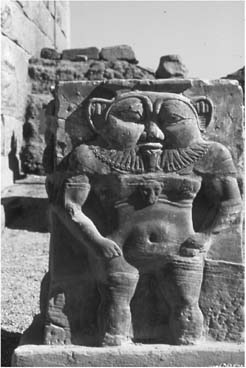
The god Besh, usually shown as a dwarf, is a domestic god, protector of women in childbirth, and is also associated with music and dance.
- Loading...
Get a 30 day FREE TRIAL
-
 Watch videos from a variety of sources bringing classroom topics to life
 -
Read modern, diverse business cases
-
Explore hundreds of books and reference titles

Read next

More like this
Sage Recommends
We found other relevant content for you on other Sage platforms.
Have you created a personal profile? Login or create a profile so that you can save clips, playlists and searches