
Entry
Reader's guide
Entries A-Z
Subject index
Manila, Philippines
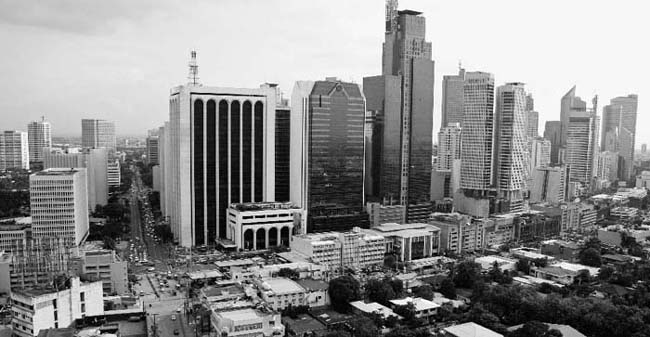
Metropolitan Manila is the formal name given to the 13 cities and four municipalities that comprise a rapidly growing megacity, one that is facing very serious problems of solid waste management, pollution, and associated threats to environmental health and sustainability. The estimated population of Metro Manila (as it is more widely known) is 12 million, though that comprises a commuting population of some 2–3 million during weekdays from surrounding regions.
Metro Manila's postwar growth has been phenomenal. In little more than six decades, it has grown from a population of a little over 1 million to a 21st-century megacity. In 2020, it is estimated Metro Manila's population will rise to around 18.5 million within 385 square miles, making it one of the most populated urban regions in the world.
It is, therefore, not surprising that concomitant infrastructure and institutional responses have lagged behind demand. Metro Manila's governance and planning has been hobbled by politics and intracity competition. Local government exercises considerable power in the Philippines, often at the expense of coordinated responses to shared problems. This is evident in solid waste management. Negotiations over access to landfills, which operate close to capacity, occur on a regular basis. Waste management and disposal is often an election issue. In 2000, Metro Manila's main landfill site, Carmona, closed, leaving several much-smaller sites to cope with demand. In actuality, most of Metro Manila's landfills do not meet international standards of sanitary disposal and can best be described as open dump sites.
Metro Manila has grown in enormous leaps in just over 60 years, from a population of just over 1 million to a massive megacity of 12 million. In 2020, it is estimated that Metro Manila's population will rise to around 18.5 million, making the city one of the most populated urban regions in the world. Total waste and per capita waste generation are also expected to increase substantially. Infrastructure and administration has not kept up with this growth, and local political negotiations determine the use of limited landfill space.
Waste Production and Composition
It is estimated that Metro Manila produced 7,000 metric tons of waste daily in 2010, a daily waste per capita rate of 0.66 kilograms (kg). Government estimates show that both total waste and per capita waste generation will increase substantially by 2020 (16,166 daily metric tons at 0.874 kg per capita). Between 65 and 85 percent of waste is collected, though coverage is said to be declining with the growing population and declining service coverage, particularly in poorer and informal settlements (informal, or “squatter,” communities make up some 35 percent of Metro Manila's population). This results in substantial open dumping or burning of waste. Illegal dumping is estimated at around 25 percent of solid waste disposal. Much of what is openly dumped finds its way into the city's numerous esteros (estuaries) and has contributed to severe water pollution problems. The impacts of waste, then, have been considerable in Metro Manila. Consequently, given the environmental, health, economic, and political impacts of waste, much greater efforts have been made in the 21st century toward cleaner production (CP) and waste minimization. Solid waste is also estimated to make a significant contribution to Metro Manila's poor air quality, in the form of carbon dioxide from burning and methane gases from open dump sites.
...
- Archaeology of Garbage
- Consumption and Waste, Industrial/Commercial
- Acid Rain
- Aluminum
- Celluloid
- Coal Ash
- Computers and Printers, Business Waste
- Construction and Demolition Waste
- Copper
- Emissions
- Farms
- Fusion
- Garbage Project
- Hanford Nuclear Reservation
- High-Level Waste Disposal
- Hospitals
- Incinerator Waste
- Incinerators
- Incinerators in Japan
- Industrial Revolution
- Industrial Waste
- Iron
- Malls
- Medical Waste
- Midnight Dumping
- Mineral Waste
- Mining Law
- Noise
- Noise Control Act of 1972
- Nuclear Reactors
- Ocean Disposal
- Pesticides
- Power Plants
- Producer Responsibility
- Radioactive Waste Disposal
- Restaurants
- Rubber
- Sanitation Engineering
- Scrubbers
- Solid Waste Data Analysis
- Stadiums
- Sugar Shortage, 1975
- Supermarkets
- Sustainable Waste Management
- Thallium
- Uranium
- Waste Disposal Authority
- Consumption and Waste, Personal
- Adhesives
- Aerosol Spray
- Air Filters
- Alcohol Consumption Surveys
- Audio Equipment
- Automobiles
- Baby Products
- Beverages
- Books
- Candy
- Car Washing
- Carbon Dioxide
- Certified Products (Fair Trade or Organic)
- Children
- Cleaning Products
- Composting
- Computers and Printers, Business Waste
- Computers and Printers, Personal Waste
- Consumption Patterns
- Cosmetics
- Dairy Products
- Disposable Diapers
- Disposable Plates and Plastic Implements
- Dumpster Diving
- Engine Oil
- Environmental Tobacco Smoke
- Fast Food Packaging
- Fish
- Floor and Wall Coverings
- Food Consumption
- Food Waste Behavior
- Fuel
- Funerals/Corpses
- Furniture
- Garden Tools and Appliances
- Gasoline
- Gluttony
- Hoarding and Hoarders
- Home Appliances
- Home Shopping
- Household Consumption Patterns
- Household Hazardous Waste
- Human Waste
- Junk Mail
- Lighting
- Linen and Bedding
- Magazines and Newspapers
- Marketing, Consumer Behavior, and Garbage
- Meat
- Microorganisms
- Mobile Phones
- NIMBY (Not in My Backyard)
- Open Burning
- Packaging and Product Containers
- Paint
- Paper Products
- Personal Products
- Pets
- Post-Consumer Waste
- Pre-Consumer Waste
- Recyclable Products
- Recycling Behaviors
- Residential Urban Refuse
- Seasonal Products
- Septic System
- Sewage
- Shopping
- Shopping Bags
- Slow Food
- Sports
- Street Scavenging and Trash Picking
- Styrofoam
- Swimming Pools and Spas
- Television and DVD Equipment
- Tires
- Tools
- Toys
- Wood
- Yardwaste
- Geography, Culture, and Waste
- Africa, North
- Africa, Sub-Saharan
- Argentina
- Australia
- Brazil
- Canada
- Central America
- Chile
- China
- Developing Countries
- European Union
- France
- Germany
- Greece
- India
- Indonesia
- Iran
- Italy
- Japan
- Mexico
- Middle East
- Netherlands
- Pacific Garbage Patch
- Pakistan
- Philippines
- Poland
- Russia
- Saudi Arabia
- Scandinavia
- Singapore
- South Africa
- South America
- South Korea
- Space Debris
- Spain and Portugal
- Switzerland
- Thailand
- Turkey
- United Kingdom
- United States
- Global Cities: Consumption, Waste Collection, and Disposal
- History of Consumption and Waste
- Atomic Energy Commission
- Bubonic Plague
- Clean Air Act
- Clean Water Act
- Cloaca Maxima
- Earth Day
- Environmental Protection Agency (EPA)
- Federal Insecticide, Fungicide, and Rodenticide Act
- Fresh Kills Landfill
- Germ Theory of Disease
- Hazardous Materials Transportation Act
- History of Consumption and Waste, Ancient World
- History of Consumption and Waste, Medieval World
- History of Consumption and Waste, Renaissance
- History of Consumption and Waste, U.S., 1800–1850
- History of Consumption and Waste, U.S., 1850–1900
- History of Consumption and Waste, U.S., 1900–1950
- History of Consumption and Waste, U.S., 1950–Present
- History of Consumption and Waste, U.S., Colonial Period
- History of Consumption and Waste, World, 1500s
- History of Consumption and Waste, World, 1600s
- History of Consumption and Waste, World, 1700s
- History of Consumption and Waste, World, 1800s
- History of Consumption and Waste, World, 1900s
- Industrial Revolution
- Marine Protection, Research, and Sanctuaries Act
- Miasma Theory of Disease
- National Clean Up and Paint Up Bureau
- National Survey of Community Solid Waste Practices
- Price-Anderson Act
- Public Health Service, U.S.
- Recycling in History
- Resource Conservation and Recovery Act
- Resource Recovery Act
- Rittenhouse Mill
- Rivers and Harbors Act
- Safe Drinking Water Act
- September 11 Attacks (Aftermath)
- Société BIC
- Solid Waste Disposal Act
- Toxic Substances Control Act
- Trash as History/Memory
- Waste Reclamation Service
- Issues and Solutions
- Anaerobic Digestion
- Biodegradable
- Browning-Ferris Industries
- Capitalism
- Commodification
- Consumerism
- Definition of Waste
- Downcycling
- Environmental Protection Agency (EPA)
- Environmentalism
- Garbage in Modern Thought
- Goodwill Industries
- Incinerator Construction Trends
- Organic Waste
- Overconsumption
- Politics of Waste
- Pollution, Air
- Pollution, Land
- Pollution, Water
- Recycling
- Rendering
- Salvation Army
- Sierra Club
- Social Sensibility
- Street Sweeping
- Sustainable Development
- Toxic Wastes
- Transition Movement
- Trash to Cash
- Typology of Waste
- Underconsumption
- Waste Management, Inc.
- Waste Treatment Plants
- Water Treatment
- WMX Technologies
- Zero Waste
- People
- Sociology of Waste
- Garbage Dreams
- Avoided Cost
- Crime and Garbage
- Culture, Values, and Garbage
- Economics of Consumption, International
- Economics of Consumption, U.S.
- Economics of Waste Collection and Disposal, International
- Economics of Waste Collection and Disposal, U.S.
- Environmental Justice
- Externalities
- Freeganism
- Garbage Art
- Garbage, Minimalism, and Religion
- Garblogging
- Greenpeace
- Material Culture Today
- Material Culture, History of
- Materialist Values
- Needs and Wants
- Population Growth
- Race and Garbage
- Rubbish Theory
- Socialist Societies
- Sociology of Waste
- Surveys and Information Bias
- Waste as Food
- U.S. States: Consumption, Waste Collection, and Disposal
- Alabama
- Alaska
- Arizona
- Arizona Waste Characterization Study
- Arkansas
- California
- Colorado
- Connecticut
- Delaware
- District of Columbia
- Florida
- Georgia
- Hawaii
- Idaho
- Illinois
- Indiana
- Iowa
- Kansas
- Kentucky
- Louisiana
- Maine
- Maryland
- Massachusetts
- Michigan
- Minnesota
- Mississippi
- Missouri
- Montana
- Nebraska
- Nevada
- New Hampshire
- New Jersey
- New Mexico
- New York
- North Carolina
- North Dakota
- Ohio
- Oklahoma
- Oregon
- Pennsylvania
- Rhode Island
- South Carolina
- South Dakota
- Tennessee
- Texas
- Utah
- Vermont
- Virginia
- Washington
- West Virginia
- Wisconsin
- Wyoming
- Waste, Municipal/Local
- Loading...
Get a 30 day FREE TRIAL
-
 Watch videos from a variety of sources bringing classroom topics to life
 -
Read modern, diverse business cases
-
Explore hundreds of books and reference titles

Read next

More like this
Sage Recommends
We found other relevant content for you on other Sage platforms.
Have you created a personal profile? Login or create a profile so that you can save clips, playlists and searches