
Entry
Entries A-Z
Norris, George W.
George W. Norris (1861–1944) entered Congress as a Republican from Nebraska, became a Progressive Republican, and ended his congressional career as an Independent Republican. No matter what his party label, Norris was and remained a reformer. His zeal led him to advocate changes in the House of Representatives, the electoral system, the ownership of utilities, and the resolution of labor disputes.
Norris entered the House in 1903. He joined with Democrats in 1908 to try to curtail the powers of the Speaker of the House that had been so abused by Joseph G. Cannon, a Republican. The attempt was unsuccessful, and Norris was reelected by a margin of just twenty-two votes. Norris and his Democratic allies eventually won their goal, however, and in 1910 the post of Speaker was stripped of much of its power.
Norris moved to the Senate in 1913, the year the Seventeenth Amendment, calling for direct election of senators, was ratified. Norris had backed the amendment, and he continued to push for presidential primaries and the abolition of the electoral college. He supported President Woodrow Wilson's domestic policies but was one of six senators to vote against entry into World War I. He voted against the Treaty of Versailles, which ended the war and created the League of Nations.
Concerned by filibusters that slowed the proceedings of the Senate, Norris proposed doing away with the lame-duck session at the end of every Congress (held after a new Congress was elected but before it began on March 4). The Senate was most vulnerable to filibuster during the short session. Norris wrote the Twentieth Amendment to the Constitution, ratified in 1933, which abolished the short session by advancing the first day of a Congress to January. (See Lame-Duck Amendment.)
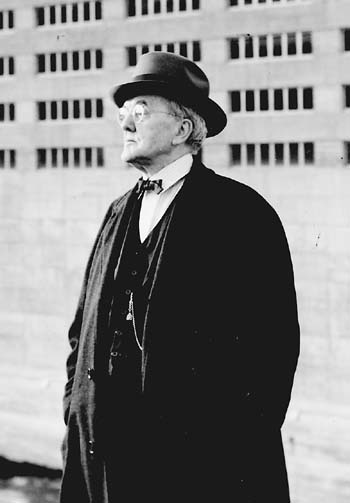
Senate Historical Office
A supporter of organized labor, Norris sponsored legislation restricting the use of federal injunctions against striking workers. He believed that hydroelectric power should be publicly owned, and he sponsored the legislation establishing the Tennessee Valley Authority.
Never one to take party ties too seriously, Norris endorsed the candidacy of Franklin D. Roosevelt in 1932 and later elections. Norris was defeated for reelection in 1942.
- filibustering
- senate
- voting
- elections
- labor
- legislation
- war
Get a 30 day FREE TRIAL
-
 Watch videos from a variety of sources bringing classroom topics to life
 -
Read modern, diverse business cases
-
Explore hundreds of books and reference titles

Read next

More like this
Sage Recommends
We found other relevant content for you on other Sage platforms.
Have you created a personal profile? Login or create a profile so that you can save clips, playlists and searches