
Entry
Reader's guide
Entries A-Z
Subject index
Sanctuary
The term sanctuary generally refers to a historical practice whereby individuals accused of a criminal offense or other deviant act were able to alleviate, delay, avoid, or otherwise alter the penalty they were facing by entering into a specially designated location and requesting mercy. Once the individual had entered the designated location and had requested assistance, he or she could be provided with varying levels of consideration and protection.
The exact degree of protection or assistance that was provided to those requesting sanctuary depended on a number of factors. First, the protections afforded varied both geographically and across time. As a result, the individual benefits that accrued from requests for mercy were largely dependent upon when and where the individual sought sanctuary. Second, in order for sanctuary to be of any substantive value to an accused it must have been recognized to at least some degree by existing secular or religious authorities. In practice, this meant that the assistance afforded to individuals seeking sanctuary was dependent on the existing state of civil, criminal, and religious doctrines and laws. Third, only certain types of offenses or punishments made individuals eligible for sanctuary at any given point in time. This meant that only certain individuals could avail themselves to the protections linked to sanctuary, based upon either the type of offense they were alleged to have committed or the type of punishment that they were facing.
Over time, the practice of sanctuary also varied in regard to the type of location that was thought to justify a plea for mercy. In some of the earliest times, entire cities were set aside as areas where individuals could seek sanctuary. In later times, sanctuary was available to an individual only after that person had entered a specific type of building that was thought to be sacred or holy. Over time, sanctuary became more strongly associated with formal places of worship, such as churches, or facilities associated with those places of worship, such as monasteries, nunneries, and rectories. The idea that places of worship were especially sacred and therefore not subject to the direct control of governmental authorities may have had its roots in other concepts, such as the benefit of clergy, which held that religious officials themselves were not subject to the control of secular authorities.
The tradition of religious sanctuary dates back to ancient times, became a formalized practice in England by the 4th century, and was finally abolished in 1540. According to current U.S. law, religious institutions do not have permission to harbor criminals or protect them from the government.
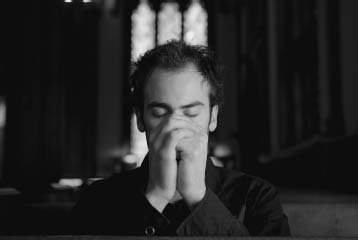
In most instances, sanctuary did not necessarily provide a means through which individuals could avoid punishment altogether. Instead, in most European countries sanctuary typically provided individuals with a temporary reprieve while an alternative sanction was being identified and implemented. Frequently, these alternative sanctions stood in sharp contrast to the harsh physical punishments that otherwise would have awaited the individual seeking sanctuary. This may account for why the practice of sanctuary has alternately been viewed as a means of providing mercy and a means of carrying out punishment. In some instances, sanctuary would provide the accused individual with an opportunity to go into exile in a distant land, far away from where the original offense was alleged to have occurred. In other instances, the accused would be provided with protection from punishment until religious officials could reach a consensus regarding an appropriate alternative sanction. In still other circumstances, the accused individual might be required to make an admission of guilt in exchange for an agreement among secular authorities to implement an alternative form of punishment from that originally proposed.
...
- Actuarial Risk Assessment
- Classification Systems
- COMPASS Program
- Firearms Charges, Offenders With
- Hare Psychopathy Checklist
- Level of Service Inventory
- Offender Needs
- Offender Responsivity
- Offender Risks
- Prediction Instruments
- Predispositional Reports for Juveniles
- Risk and Needs Assessment Instruments
- Risk Assessment Instruments: Three Generations
- Wisconsin Risk Assessment Instrument
- Absconding
- Augustus, John
- Benefit of Clergy
- Boston's Operation Night Light
- Case Management
- Caseload and Workload Standards
- Circle Sentencing
- Conditional Sentencing and Release
- Conditions of Community Corrections
- Continuum of Sanctions
- Crime Control Model of Corrections
- Curfews
- Diversion Programs
- Drug Courts
- Faith-Based Initiatives
- False Negatives and False Positives
- Family Courts
- Family Group Conferencing
- Family Therapy
- Felony Probation
- Field Visits
- Investigative Reports
- Juvenile Probation Officers
- Manhattan Bail Project
- Mediation
- Mental Health Courts
- Neighborhood Probation
- Offender Supervision
- Pre-Sentence Investigation Reports
- Pretrial Detention
- Pretrial Supervision
- Probation
- Probation: Administration Models
- Probation: Early Termination
- Probation: Organization of Services
- Probation: Private
- Probation and Judicial Reprieve
- Probation and Parole: Intensive Supervision
- Probation and Parole Fees
- Probation Mentor Home Program
- Probation Officers
- Probation Officers: Job Stress
- Project Safeway
- Recognizance
- Reparation Boards
- Restorative Justice
- Revocation
- Sanctuary
- Shock Probation
- SMART Partnership
- Specialized Caseload Models
- Teen Courts
- Victim-Offender Reconciliation Programs
- Wilderness Experience
- Attitudes and Myths about Punishment
- Attitudes of Offenders toward Community Corrections
- Bail Reform Act of 1984
- Banishment
- Beccaria, Cesare
- Bentham, Jeremy
- Certified Criminal Justice Professional
- Civil and Political Rights Affected by Conviction
- Community Corrections Acts
- Community Corrections and Sanctions
- Community Corrections as an Add-on to Imprisonment
- Community Corrections as an Alternative to Imprisonment
- Community Partnerships
- Cook County Juvenile Court
- Costs of Community Corrections
- Determinate Sentencing
- Employment-Related Rights of Offenders
- Ethics of Community-Based Sanctions
- Flat Time
- Front-End and Back-End Programming
- Goals and Objectives of Community Corrections
- History of Community Corrections
- Humanitarianism
- Indeterminate Sentencing
- Law Enforcement Administration Act Initiatives
- Long-Term Offender Designation
- Loss of Capacity to Be Bonded
- Loss of Individual Rights
- Loss of Parental Rights
- Loss of Right to Possess Firearms
- Loss of Welfare Benefits
- Net Widening
- Philosophy of Community Corrections
- Political Determinants of Corrections Policy
- President's Task Force on Corrections
- Prison Overcrowding
- Public Opinion of Community Corrections
- Public Safety and Collaborative Prevention
- Punishment
- Punishment Units
- Reducing Prison Populations
- Reintegration into Communities
- Second Chance Act
- Sentencing Guidelines
- Serious and Violent Offender Reentry Initiative
- Split Sentencing and Blended Sentencing
- Temperance Movement
- Three Strikes and You're Out
- Victims of Crime Act of 1984
- Violent Offender Reconciliation Programs
- Volunteers and Community Corrections
- Boot Camps
- Community Service Order
- Community-Based Centers
- Community-Based Vocational Networks
- Day Reporting Centers
- Electronic Monitoring
- Financial Penalties
- Fine Options Programs
- GPS Tracking
- Group Homes
- Halfway Houses and Residential Centers
- Home Confinement and House Arrest
- NIMBY Syndrome
- Probation and Parole: Intensive Supervision
- Residential Correctional Programs
- Residential Programs for Juveniles
- Restitution
- Restitution Centers
- Absconding
- Brockway, Zebulon
- Discretionary Release
- Elmira System
- Firearms and Community Corrections Personnel
- Furloughs
- Good Time and Merit Time
- Graduated Sanctions for Juvenile Offenders
- Irish Marks System
- Maconochie, Alexander
- Pardon and Restoration of Rights
- Parole
- Parole Boards and Hearings
- Parole Commission, U.S.
- Parole Commission Phaseout Act of 1996
- Parole Guidelines Score
- Parole Officers
- Pre-Parole Plan
- Prisoner's Family and Reentry
- Probation and Parole: Intensive Supervision
- Reentry Courts
- Reentry Programs and Initiatives
- Salient Factor Score
- Truth-in-Sentencing Provisions
- Victim Impact Statements
- Work/Study Release Programs
- Addiction-Specific Support Groups
- Correctional Case Managers
- Counseling
- Crime Victims' Concerns
- Cultural Competence
- Disabled Offenders
- Diversity in Community Corrections
- Drug- and Alcohol-Abusing Offenders and Treatment
- Drug Testing in Community Corrections
- Effectiveness of Community Corrections
- Elderly Offenders
- Environmental Crime Prevention
- Evaluation of Programs
- Female Offenders and Special Needs
- Job Satisfaction in Community Corrections
- Juvenile Aftercare
- Juvenile and Youth Offenders
- Liability
- Martinson, Robert
- Motivational Interviewing
- Offenders with Mental Illness
- Public Shaming as Punishment
- Recidivism
- Sex Offender Registration
- Sex Offenders in the Community
- Sexual and Gender Minorities and Special Needs
- Sexual Predators: Civil Commitment
- Therapeutic Communities
- Therapeutic Jurisprudence
- Thinking for a Change
- Victim Services
- “What Works” Approach and Evidence-Based Practices
- Women in Community Service Program
- Loading...
Get a 30 day FREE TRIAL
-
 Watch videos from a variety of sources bringing classroom topics to life
 -
Read modern, diverse business cases
-
Explore hundreds of books and reference titles

Read next

More like this
Sage Recommends
We found other relevant content for you on other Sage platforms.
Have you created a personal profile? Login or create a profile so that you can save clips, playlists and searches