
Entry
Reader's guide
Entries A-Z
Subject index
Family Courts
Families have had a separate court in which to litigate their private problems since English common law, but the United States was slow to adopt this trend. Between 1900 and 1918, the Progressive Era brought forth advances in social consciousness and paved the way for a movement that would push for a family-centric court. In 1959, the Standard Family Court Act was put forth by several high-profile groups. This law stated that juvenile and family problems were best handled by nonadversarial tactics, and it put forth a number of proposed changes that it believed would best benefit families in crisis. However, although family courts have been accepted by the vast majority of states, there is still little consensus about what constitutes a family court or even how one is best run.
History
Prior to the Progressive Era, juveniles were treated mostly like adults, subject to the same punishments and treatments. Those who helped establish the first family courts focused on rehabilitation and treatment of juveniles and their families. In 1912, New Jersey granted juvenile courts the jurisdiction to hear all domestic disputes. In 1914, Ohio took a broader approach to family matters by creating the Division of Domestic Relations in the Hamilton County Court of Common Pleas. The court was granted jurisdiction over the domestic relations issues of divorce, alimony, contributing to delinquency of children, early forms of child support, and the juvenile issues of delinquency, dependency, and neglected and crippled children.
There was little development in this area until 1959, when the Standard Family Court Act was put forth. This act was championed by several well-regarded groups, such as the National Probation and Parole Association, the National Council of Juvenile Court Judges, and the U.S. Children's Bureau. These groups called for a separate and distinct court in each state that dealt exclusively with family matters, and what it considered “family matters” covered a broad range of issues. The law stated that family courts should cover traditional areas, such as divorce, child support, and custody matters, but it also suggested that the family courts take on several criminal issues, such as crimes committed against a child by a parent and criminal charges against adults for abandoning or failing to provide support for children. The law also stated that these courts should take over mental health issues, such as involuntary commitment of both adults and juveniles, and areas tangential to family matters, such as the granting of permission for juveniles to marry and become employed.
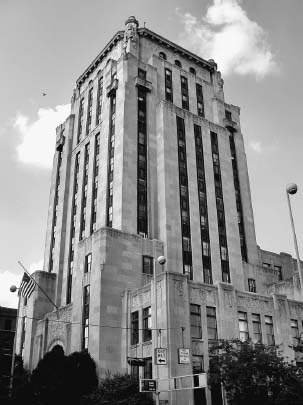
The 800 Broadway building in Cincinnati, Ohio, houses the Hamilton County courts. In 1914, Ohio created a domestic relations division of the Hamilton County court with jurisdiction over issues of divorce, juvenile delinquency, dependency, and neglected and handicapped children.
The philosophy behind the Standard Family Court Act held that nonadversarial and therapeutic procedures were the best way to deal with juvenile and family problems. It suggested that the best way to help families was to use judges with specialized dispute resolution training and ensure that these judges would have complete records on all matters related to the family so as to be able to put forth the best suggestions for them. In 1980, the American Bar Association added its support, stating that each state should develop a unified family court.
...
- Actuarial Risk Assessment
- Classification Systems
- COMPASS Program
- Firearms Charges, Offenders With
- Hare Psychopathy Checklist
- Level of Service Inventory
- Offender Needs
- Offender Responsivity
- Offender Risks
- Prediction Instruments
- Predispositional Reports for Juveniles
- Risk and Needs Assessment Instruments
- Risk Assessment Instruments: Three Generations
- Wisconsin Risk Assessment Instrument
- Absconding
- Augustus, John
- Benefit of Clergy
- Boston's Operation Night Light
- Case Management
- Caseload and Workload Standards
- Circle Sentencing
- Conditional Sentencing and Release
- Conditions of Community Corrections
- Continuum of Sanctions
- Crime Control Model of Corrections
- Curfews
- Diversion Programs
- Drug Courts
- Faith-Based Initiatives
- False Negatives and False Positives
- Family Courts
- Family Group Conferencing
- Family Therapy
- Felony Probation
- Field Visits
- Investigative Reports
- Juvenile Probation Officers
- Manhattan Bail Project
- Mediation
- Mental Health Courts
- Neighborhood Probation
- Offender Supervision
- Pre-Sentence Investigation Reports
- Pretrial Detention
- Pretrial Supervision
- Probation
- Probation: Administration Models
- Probation: Early Termination
- Probation: Organization of Services
- Probation: Private
- Probation and Judicial Reprieve
- Probation and Parole: Intensive Supervision
- Probation and Parole Fees
- Probation Mentor Home Program
- Probation Officers
- Probation Officers: Job Stress
- Project Safeway
- Recognizance
- Reparation Boards
- Restorative Justice
- Revocation
- Sanctuary
- Shock Probation
- SMART Partnership
- Specialized Caseload Models
- Teen Courts
- Victim-Offender Reconciliation Programs
- Wilderness Experience
- Attitudes and Myths about Punishment
- Attitudes of Offenders toward Community Corrections
- Bail Reform Act of 1984
- Banishment
- Beccaria, Cesare
- Bentham, Jeremy
- Certified Criminal Justice Professional
- Civil and Political Rights Affected by Conviction
- Community Corrections Acts
- Community Corrections and Sanctions
- Community Corrections as an Add-on to Imprisonment
- Community Corrections as an Alternative to Imprisonment
- Community Partnerships
- Cook County Juvenile Court
- Costs of Community Corrections
- Determinate Sentencing
- Employment-Related Rights of Offenders
- Ethics of Community-Based Sanctions
- Flat Time
- Front-End and Back-End Programming
- Goals and Objectives of Community Corrections
- History of Community Corrections
- Humanitarianism
- Indeterminate Sentencing
- Law Enforcement Administration Act Initiatives
- Long-Term Offender Designation
- Loss of Capacity to Be Bonded
- Loss of Individual Rights
- Loss of Parental Rights
- Loss of Right to Possess Firearms
- Loss of Welfare Benefits
- Net Widening
- Philosophy of Community Corrections
- Political Determinants of Corrections Policy
- President's Task Force on Corrections
- Prison Overcrowding
- Public Opinion of Community Corrections
- Public Safety and Collaborative Prevention
- Punishment
- Punishment Units
- Reducing Prison Populations
- Reintegration into Communities
- Second Chance Act
- Sentencing Guidelines
- Serious and Violent Offender Reentry Initiative
- Split Sentencing and Blended Sentencing
- Temperance Movement
- Three Strikes and You're Out
- Victims of Crime Act of 1984
- Violent Offender Reconciliation Programs
- Volunteers and Community Corrections
- Boot Camps
- Community Service Order
- Community-Based Centers
- Community-Based Vocational Networks
- Day Reporting Centers
- Electronic Monitoring
- Financial Penalties
- Fine Options Programs
- GPS Tracking
- Group Homes
- Halfway Houses and Residential Centers
- Home Confinement and House Arrest
- NIMBY Syndrome
- Probation and Parole: Intensive Supervision
- Residential Correctional Programs
- Residential Programs for Juveniles
- Restitution
- Restitution Centers
- Absconding
- Brockway, Zebulon
- Discretionary Release
- Elmira System
- Firearms and Community Corrections Personnel
- Furloughs
- Good Time and Merit Time
- Graduated Sanctions for Juvenile Offenders
- Irish Marks System
- Maconochie, Alexander
- Pardon and Restoration of Rights
- Parole
- Parole Boards and Hearings
- Parole Commission, U.S.
- Parole Commission Phaseout Act of 1996
- Parole Guidelines Score
- Parole Officers
- Pre-Parole Plan
- Prisoner's Family and Reentry
- Probation and Parole: Intensive Supervision
- Reentry Courts
- Reentry Programs and Initiatives
- Salient Factor Score
- Truth-in-Sentencing Provisions
- Victim Impact Statements
- Work/Study Release Programs
- Addiction-Specific Support Groups
- Correctional Case Managers
- Counseling
- Crime Victims' Concerns
- Cultural Competence
- Disabled Offenders
- Diversity in Community Corrections
- Drug- and Alcohol-Abusing Offenders and Treatment
- Drug Testing in Community Corrections
- Effectiveness of Community Corrections
- Elderly Offenders
- Environmental Crime Prevention
- Evaluation of Programs
- Female Offenders and Special Needs
- Job Satisfaction in Community Corrections
- Juvenile Aftercare
- Juvenile and Youth Offenders
- Liability
- Martinson, Robert
- Motivational Interviewing
- Offenders with Mental Illness
- Public Shaming as Punishment
- Recidivism
- Sex Offender Registration
- Sex Offenders in the Community
- Sexual and Gender Minorities and Special Needs
- Sexual Predators: Civil Commitment
- Therapeutic Communities
- Therapeutic Jurisprudence
- Thinking for a Change
- Victim Services
- “What Works” Approach and Evidence-Based Practices
- Women in Community Service Program
- Loading...
Get a 30 day FREE TRIAL
-
 Watch videos from a variety of sources bringing classroom topics to life
 -
Read modern, diverse business cases
-
Explore hundreds of books and reference titles

Read next

More like this
Sage Recommends
We found other relevant content for you on other Sage platforms.
Have you created a personal profile? Login or create a profile so that you can save clips, playlists and searches