
Entry
Reader's guide
Entries A-Z
Subject index
Boston's Operation Night Light
In the early 1990s, Boston experienced a dramatic growth in gang-related violence and youth victimization. Boston's Operation Night Light, an enhanced supervision program, is considered one of the first formalized partnerships between police and probation officers in the United States. The goal of the program was to reduce juvenile recidivism and gang violence through increased enforcement of curfews, geographic restrictions, gang association restrictions, and other probation conditions.
The partnership was born from a chance encounter in 1990 between probation officers of Dorchester, Massachusetts, District Court and police officers of the Boston Police Department Anti-Gang Violence Unit. The officers realized that they were often dealing with the same offenders, and, as a result, a series of brainstorming sessions were organized to promote interagency collaboration. Operation Night Light was officially formed on November 12, 1992, when two probation officers, Bill Stewart and Rich Skinner, got in the backseat of a police car with two police officers, Bobby Merner and Bobby Fratalia, to perform the first of many joint patrols. Probation officer Stewart later stated, “We never used to leave the office or talk to the police… but in the early 1990s the probation office looked like a MASH unit and we were seeing these officers in the courthouse all the time, and we realized we were all dealing with the same kids. And one day they said, do you want to ride together?”
Operation Night Light is a component of a larger intervention known as Operation Ceasefire (Boston's Gun Project). In Night Light, probation officers were matched with officers of the Boston Police Department. The probation officers selected 10 to 15 of their most high-risk youths, typically ages 17–25, and known for their gang affiliations. The team used unmarked cruisers and wore plain clothes while visiting each probationer at his home, school, or workplace while also driving through locations known for criminal activity and youthful congregation. Officers would also discuss substance abuse prevention and treatment options with youths and their families. The program focused on conducting supervision visits between 7:00 p. m. and midnight, when the youths were known to be more active on the streets. This required that probation officers alter their normal business hours, sending a greater message of accountability to probationers. Probationers possess diminished privacy rights and can be apprehended for a variety of noncriminal offenses. Under state law, probation officers have unrestricted rights to search for contraband and to visit their clients at any time. The Night Light program provided Boston police officers with information about who was on probation and about their conditions of supervision. As a result, police officers on the street could function as additional eyes for probation outside the joint patrols.
Targeting juveniles and youths on probation, Operation Night Light was launched in 1992. The program uses a coalition of probation officers and the Boston Police department to conduct unannounced visits to the homes, schools, and worksites of high-risk youths.
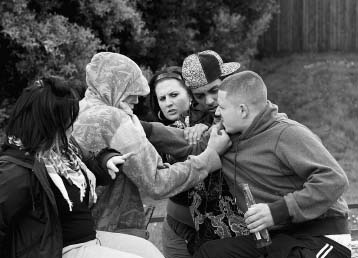
A large portion of the partnership involved intelligence sharing. In one example, the probation officers used the gang unit's intelligence to justify to judges the need for curfews and area restrictions as conditions of gang-affiliated offenders' probation. Officers also shared information concerning gang members with other local, state, and federal agencies, including the Drug Enforcement Administration (DEA) and the Bureau of Alcohol, Tobacco, and Firearms (ATF).
...
- Actuarial Risk Assessment
- Classification Systems
- COMPASS Program
- Firearms Charges, Offenders With
- Hare Psychopathy Checklist
- Level of Service Inventory
- Offender Needs
- Offender Responsivity
- Offender Risks
- Prediction Instruments
- Predispositional Reports for Juveniles
- Risk and Needs Assessment Instruments
- Risk Assessment Instruments: Three Generations
- Wisconsin Risk Assessment Instrument
- Absconding
- Augustus, John
- Benefit of Clergy
- Boston's Operation Night Light
- Case Management
- Caseload and Workload Standards
- Circle Sentencing
- Conditional Sentencing and Release
- Conditions of Community Corrections
- Continuum of Sanctions
- Crime Control Model of Corrections
- Curfews
- Diversion Programs
- Drug Courts
- Faith-Based Initiatives
- False Negatives and False Positives
- Family Courts
- Family Group Conferencing
- Family Therapy
- Felony Probation
- Field Visits
- Investigative Reports
- Juvenile Probation Officers
- Manhattan Bail Project
- Mediation
- Mental Health Courts
- Neighborhood Probation
- Offender Supervision
- Pre-Sentence Investigation Reports
- Pretrial Detention
- Pretrial Supervision
- Probation
- Probation: Administration Models
- Probation: Early Termination
- Probation: Organization of Services
- Probation: Private
- Probation and Judicial Reprieve
- Probation and Parole: Intensive Supervision
- Probation and Parole Fees
- Probation Mentor Home Program
- Probation Officers
- Probation Officers: Job Stress
- Project Safeway
- Recognizance
- Reparation Boards
- Restorative Justice
- Revocation
- Sanctuary
- Shock Probation
- SMART Partnership
- Specialized Caseload Models
- Teen Courts
- Victim-Offender Reconciliation Programs
- Wilderness Experience
- Attitudes and Myths about Punishment
- Attitudes of Offenders toward Community Corrections
- Bail Reform Act of 1984
- Banishment
- Beccaria, Cesare
- Bentham, Jeremy
- Certified Criminal Justice Professional
- Civil and Political Rights Affected by Conviction
- Community Corrections Acts
- Community Corrections and Sanctions
- Community Corrections as an Add-on to Imprisonment
- Community Corrections as an Alternative to Imprisonment
- Community Partnerships
- Cook County Juvenile Court
- Costs of Community Corrections
- Determinate Sentencing
- Employment-Related Rights of Offenders
- Ethics of Community-Based Sanctions
- Flat Time
- Front-End and Back-End Programming
- Goals and Objectives of Community Corrections
- History of Community Corrections
- Humanitarianism
- Indeterminate Sentencing
- Law Enforcement Administration Act Initiatives
- Long-Term Offender Designation
- Loss of Capacity to Be Bonded
- Loss of Individual Rights
- Loss of Parental Rights
- Loss of Right to Possess Firearms
- Loss of Welfare Benefits
- Net Widening
- Philosophy of Community Corrections
- Political Determinants of Corrections Policy
- President's Task Force on Corrections
- Prison Overcrowding
- Public Opinion of Community Corrections
- Public Safety and Collaborative Prevention
- Punishment
- Punishment Units
- Reducing Prison Populations
- Reintegration into Communities
- Second Chance Act
- Sentencing Guidelines
- Serious and Violent Offender Reentry Initiative
- Split Sentencing and Blended Sentencing
- Temperance Movement
- Three Strikes and You're Out
- Victims of Crime Act of 1984
- Violent Offender Reconciliation Programs
- Volunteers and Community Corrections
- Boot Camps
- Community Service Order
- Community-Based Centers
- Community-Based Vocational Networks
- Day Reporting Centers
- Electronic Monitoring
- Financial Penalties
- Fine Options Programs
- GPS Tracking
- Group Homes
- Halfway Houses and Residential Centers
- Home Confinement and House Arrest
- NIMBY Syndrome
- Probation and Parole: Intensive Supervision
- Residential Correctional Programs
- Residential Programs for Juveniles
- Restitution
- Restitution Centers
- Absconding
- Brockway, Zebulon
- Discretionary Release
- Elmira System
- Firearms and Community Corrections Personnel
- Furloughs
- Good Time and Merit Time
- Graduated Sanctions for Juvenile Offenders
- Irish Marks System
- Maconochie, Alexander
- Pardon and Restoration of Rights
- Parole
- Parole Boards and Hearings
- Parole Commission, U.S.
- Parole Commission Phaseout Act of 1996
- Parole Guidelines Score
- Parole Officers
- Pre-Parole Plan
- Prisoner's Family and Reentry
- Probation and Parole: Intensive Supervision
- Reentry Courts
- Reentry Programs and Initiatives
- Salient Factor Score
- Truth-in-Sentencing Provisions
- Victim Impact Statements
- Work/Study Release Programs
- Addiction-Specific Support Groups
- Correctional Case Managers
- Counseling
- Crime Victims' Concerns
- Cultural Competence
- Disabled Offenders
- Diversity in Community Corrections
- Drug- and Alcohol-Abusing Offenders and Treatment
- Drug Testing in Community Corrections
- Effectiveness of Community Corrections
- Elderly Offenders
- Environmental Crime Prevention
- Evaluation of Programs
- Female Offenders and Special Needs
- Job Satisfaction in Community Corrections
- Juvenile Aftercare
- Juvenile and Youth Offenders
- Liability
- Martinson, Robert
- Motivational Interviewing
- Offenders with Mental Illness
- Public Shaming as Punishment
- Recidivism
- Sex Offender Registration
- Sex Offenders in the Community
- Sexual and Gender Minorities and Special Needs
- Sexual Predators: Civil Commitment
- Therapeutic Communities
- Therapeutic Jurisprudence
- Thinking for a Change
- Victim Services
- “What Works” Approach and Evidence-Based Practices
- Women in Community Service Program
- Loading...
Get a 30 day FREE TRIAL
-
 Watch videos from a variety of sources bringing classroom topics to life
 -
Read modern, diverse business cases
-
Explore hundreds of books and reference titles

Read next

More like this
Sage Recommends
We found other relevant content for you on other Sage platforms.
Have you created a personal profile? Login or create a profile so that you can save clips, playlists and searches