
Entry
Reader's guide
Entries A-Z
Subject index
Presidential Election of 1824
THE 1824 ELECTION featured four candidates representing different wings of the Democratic-Republican Party. The Federalist Party had ceased to effectively exist as a national electoral force, and had not yet been replaced. The election also featured as much electoral drama after the votes were cast in prior years. Unlike the first post-election presidential campaign in 1800 between Thomas Jefferson and Aaron Burr, which led to the ratification of the Twelfth Amendment, this election did not require multiple ballots in the House of Representatives.
The Candidates
Andrew Jackson, a military hero for his service during the War of 1812 and the Battle of New Orleans, as well as his battles against Native Americans, was in his second stint as Senator from Tennessee. He had previously served as a representative and territorial governor of Florida, though he had resigned from each of his positions. He was known as a man of the people, but was not universally popular. His iron-fisted rule of his troops caused many political leaders to view his military service as indicative that he did not possess the temperament to exercise civilian power. In fact, during his prosecution of the Seminole Wars, he drew rebuke from the House of Representatives, including Speaker Henry Clay, who took a dim view of Jackson's “penchant for shooting wayward militiamen and soldiers with as much zeal as his British and Indian enemies and hoped that the populace would seek a more refined leader as president.” Fellow Democrat Thomas Jefferson said that he did not believe Jackson possessed the proper disposition for civilian leadership. Jackson was, however, admired for having brought himself out of poverty.
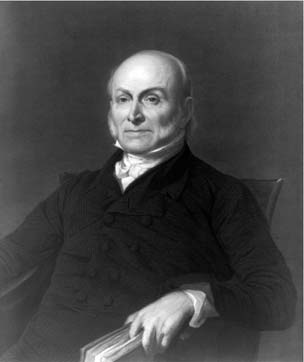
John Quincy Adams, in contrast, had been brought up in high society. He was son of the former president, and the sitting secretary of state under President James Monroe. In his younger days, he had studied in Europe, and had a much more cosmopolitan lifestyle than did any of his opponents, or almost any American at that time. He did not have a charming personality to match his immense talents. His wife stated her displeasure with the manner in which he acted toward others who did not possess his intellectual aptitude. Adams acknowledged that his personality lagged behind his other abilities, citing statements from his political and personal opponents, but he did not believe he could change. Professionally, he had been a successful proponent of U.S. interests throughout his career. Among other things, he had a hand in negotiating the Treaty of Ghent to end the War of 1812, and had negotiated from Spain the cession of Florida, which included a westward expansion. His personality defects, though, seemed to overshadow his positive traits.
Presidential candidate John Quincy Adams received 84 electoral votes in the 1824 election.
William Crawford was the sitting secretary of the treasury and the choice of the Democratic-Republican Party leadership. He had received overwhelming support at the sparsely attended party caucus. Due to a paralytic stroke suffered in September 1823, Crawford was unable to campaign for the presidency, and by the time of the election, was not expected to win. Henry Clay was the sitting speaker of the House from Kentucky. A lawyer first elected to the House in 1812, he became speaker during his first term and had used his position appointing committee chair to consolidate his power and gain more effective control of the body. John C. Calhoun, who would serve as vice president under both Adams and Jackson, once a contender, but when he realized that the number of viable candidates made it unlikely that any of them would achieve an electoral majority, he dropped out of the race and threw his support to Jackson.
...
- Ballot Issue Campaigns
- Campaigns, Elections, and the Law
- Abortion
- Advertising, Campaign
- Affirmative Action
- African-American Suffrage
- At-Large Election
- Bell-Shaped Curve
- Campaigns Around the World
- Civil Rights
- Coattail Effect
- Colonialism
- Congressional Elections
- Crime
- Currency
- Defense
- Domestic Policy
- Economy
- Education
- Eight-Hour Day
- Election Boards
- Election Judges
- Election Laws, Federal Elections
- Election Laws, State and Local Elections
- Election Outcome Forecasting Models
- Election Types
- Election Verification Exit Poll (EVEP)
- Electoral College
- Electoral Triangle
- Electors
- Environment
- Expansionism
- Fairness Doctrine
- Farm Issues in Campaigns
- Federal Election Assistance Commission
- Federal Election Commission
- Federal Elections Bill (Force Bill)
- Feminism
- Fifteenth Amendment
- First Amendment
- Foreign Policy
- Free Trade
- Gay Rights
- General Elections
- Get-Out-the-Vote (GOTV) Drives
- Government Spending
- Gun Control
- Healthcare
- High and Low Stimulus Elections
- Homeland Security
- Immigration
- Independent Voters
- Isolationism
- Jim Crow Laws
- Ku Klux Klan
- Landslides, Election
- Law and Order
- League of Nations
- Limited Government
- Literacy Test
- McCain-Feingold Campaign Finance Reform
- Midterm Elections
- Minimum Wage
- National Debt
- Nineteenth Amendment
- Nonpartisan Election
- Nonvoters
- Panama Canal
- Patriotism
- Period Effect
- Political Districts
- Popular Sovereignty, Doctrine of
- Primaries, State and Local Elections
- Primary Elections
- Protectionism
- Racial Justice
- Realignment
- Reconstruction
- Red States
- Religious Issues in Campaigns
- Rural Vote
- School Integration
- Senior Citizen Issues
- Slavery
- Social Concerns
- Social Security
- Social Security Reform
- Special Election
- Special Interests
- Stalking Horse
- Suffrage
- Taxes
- Technology
- Travel
- Twelfth Amendment
- Twenty-Fourth Amendment
- Twenty-Second Amendment
- Twenty-Sixth Amendment
- Twenty-Third Amendment
- United Nations
- Veterans
- Vietnam
- War and Peace
- War on Terrorism
- Watergate
- Welfare and Poverty
- Winner-Take-All System
- Corruption in American Campaigns and Elections
- Candidate Image
- Challengers to Incumbents
- Cognitive Dissonance
- Corruption and Democratic Elections
- Cross-Pressures, Sociopolitical
- Dealignment
- Demagogues in Political Campaigns
- Divided Government and Electoral Behavior
- Efficacy, Political
- Internet Use in Political Campaigns
- Literacy Test
- Machine Politics and Political Bosses
- Majority Rule
- Military Hero
- Negative Campaigning
- New Hampshire Primary
- Political Alienation
- Political Cynicism
- Presidential Approval Ratings
- Recall
- Electoral Behavior of Various Groups
- African-American Vote
- Age and Voting Behavior
- Arab-American (Muslim) Vote
- Asian-American Vote
- Catholic Vote
- Divided Government and Electoral Behavior
- Farm Vote
- Get-Out-the-Vote (GOTV) Drives
- Hispanic Vote
- Jewish Vote
- Labor Vote
- Marital Status and Voting Behavior
- Military Vote
- Occupation and Voting Behavior
- Political Elites
- Polling and Election Studies Organizations
- Protestant Vote
- Race and Voting Behavior
- Religion and Voting Behavior
- Social Groups and Electoral Behavior
- Local Campaigns and Elections
- Media Role
- Bandwagon Effect
- Candidate Image
- Cross-Pressures, Sociopolitical
- Dealignment
- Determinant of Vote Choice
- Early Voting
- Favorite Son Candidate
- Gatekeeping
- Get-Out-the-Vote (GOTV) Drives
- Horse Race, Media Coverage of
- Internet Use in Political Campaigns
- Issue Coverage by the Media
- Local Media Coverage of Campaigns
- Media Polls
- Media, Control by Campaign Organizations
- Media, Role in Campaigns
- Pack Journalism
- Political Cartoons
- Political Culture
- Political Cynicism
- Political Editorials
- Political Ephemera
- Political Socialization
- Technology
- People
- Anderson, John
- Bryan, William Jennings
- Crossley, Archibald
- Curley, James Michael
- Daley, Richard J.
- Debs, Eugene
- Field, Mervin
- Gallup, George
- Hall, Gus
- Hanna, Marcus
- Harris, Lou
- LaFollette, Robert M.
- Long, Huey P.
- Mitofsky, Warren
- Nader, Ralph
- Pendergast, Tom
- Perot, Ross
- Plunkett, George Washington
- Roper, Elmo
- Thurmond, J. Strom
- Tweed, William
- Wallace, George C.
- Wallace, Henry A.
- Zogby, John
- Political Parties and Interest Groups
- American Communist Party
- American Independent Party
- American Party
- Anti-Federalists
- Anti-Masonic Party
- Bull Moose Party
- Competitive Seats
- Conservatism
- Constitutional Union Party
- Conventions, National Nominating Party
- Democratic National Committee
- Democratic Party
- Democratic State Party Organizations
- Democratic-Republican Party
- Direct Democracy
- Efficacy, Political
- Electoral Behavior
- Federalist Party
- Fifteenth Amendment
- First Amendment
- Focus Groups
- Get-Out-the-Vote (GOTV) Drives
- Green Party
- Greenback-Labor Party
- Interest in Politics
- Know-Nothing Party
- Liberal Republican Party
- Liberalism
- Libertarian Party
- Liberty Party
- Multiparty System
- National Labor Reform Party
- National Republican Party
- Northern Democrats
- Participatory Democracy
- Partisanship
- Party Image
- Party Platforms
- Patronage System
- People's Party
- Pluralist Politics
- Political Action Committees
- Political Clubs
- Political Culture
- Political Elites
- Political Parties in American Elections
- Populists and Populist Movements
- Presidential Campaign Party Caucuses
- Progressive Party
- Prohibitionist Party
- Reform Party
- Religious Issues in Campaigns
- Representative Democracy
- Representative Role Types
- Republican National Committee
- Republican National Party Finance Committees
- Republican Party
- Republican State Party Organizations
- Right-Wing Candidates
- Safe Seats
- Social-Labor Party
- Socialist Party
- Southern Democratic Party
- State Campaign Committees
- States' Rights Party (Dixiecrats)
- Tammany Hall
- Third Parties
- Two-Party System
- Whig Party
- Political Theory and Democratic Elections
- Anti-Communism
- Corruption and Democratic Elections
- Democratic “Rules of the Game”
- Democratic National Committee
- Democratic National Party Finance Committees
- Democratic Party
- Democratic State Party Organizations
- Democratic-Republican Party
- Direct Democracy
- Fairness Doctrine
- Free Soil Party
- Issue Evasion
- Issue Framing
- Issue Ownership Theory
- Left-Wing Candidates
- Liberalism
- Machine Politics and Political Bosses
- Majority Rule
- Mandate
- Participatory Democracy
- Pluralist Politics
- Political Base
- Political Climate
- Political Culture
- Political Cynicism
- Political Ephemera
- Political Legitimacy and Democracy
- Political Socialization
- Political Theorists
- Polls and Public Opinion
- Bandwagon Effect
- Candidate Image
- Caucuses
- Challengers to Incumbents
- Coattail Effect
- Cognitive Dissonance
- Cross-Pressures, Sociopolitical
- Dark Horse Candidate
- Dealignment
- Determinants of Vote Choice
- Early Voting
- Efficacy, Political
- Electoral Behavior
- Exit Poll
- Favorite Son/Daughter
- First-Time Voters
- Get-Out-the-Vote (GOTV) Drives
- Incumbent
- Independent Voters
- Internet Polls
- Life-Cycle Effect
- Media Polls
- Nonvoters
- Plurality Vote
- Political Ideology and Voting
- Poll Tax
- Polling
- Polling and Election Studies Organizations
- Polling Place
- Polls, Pre-Election
- Presidential Approval Ratings
- Protest Voting
- Push Polls
- Rational Voter Model
- Recall
- Red States
- Retrospective Voting
- Rural Vote
- Single-Issue Voting
- Split Ticket Voting
- Straight Ticket Voting
- Suburban Vote
- Suffrage
- Undecided Voters
- Urban Vote
- Vote by Mail
- Voter Alienation
- Voter Apathy
- Voter Disenfranchisement
- Voter Expectations
- Voter Knowledge/Ignorance
- Voter Qualifications
- Voter Registration
- Voter Self-Interest
- Voter Turnout
- Voting
- Voting by Regions
- Voting Methods
- Voting Rights Act of 1965
- Voting, Incentives for
- Voting, Obstacles to
- Presidential Campaigns and Elections
- Campaign Finance, Federal Elections
- Campaigns, Presidential
- Court Cases, Federal Elections
- Elections Laws, Federal Elections
- Federal Election Assistance Commission
- Federal Election Commission
- Federal Elections Bill (Force Bill)
- Nomination Process, Presidential
- Presidential Approval Ratings
- Presidential Campaign Party Caucuses
- Presidential Debates
- Presidential Election of 1789
- Presidential Election of 1792
- Presidential Election of 1796
- Presidential Election of 1800
- Presidential Election of 1804
- Presidential Election of 1808
- Presidential Election of 1812
- Presidential Election of 1816
- Presidential Election of 1820
- Presidential Election of 1824
- Presidential Election of 1828
- Presidential Election of 1832
- Presidential Election of 1836
- Presidential Election of 1840
- Presidential Election of 1844
- Presidential Election of 1848
- Presidential Election of 1852
- Presidential Election of 1856
- Presidential Election of 1860
- Presidential Election of 1864
- Presidential Election of 1868
- Presidential Election of 1872
- Presidential Election of 1876
- Presidential Election of 1880
- Presidential Election of 1884
- Presidential Election of 1888
- Presidential Election of 1892
- Presidential Election of 1896
- Presidential Election of 1900
- Presidential Election of 1904
- Presidential Election of 1908
- Presidential Election of 1912
- Presidential Election of 1916
- Presidential Election of 1920
- Presidential Election of 1924
- Presidential Election of 1928
- Presidential Election of 1932
- Presidential Election of 1936
- Presidential Election of 1940
- Presidential Election of 1944
- Presidential Election of 1948
- Presidential Election of 1952
- Presidential Election of 1956
- Presidential Election of 1960
- Presidential Election of 1964
- Presidential Election of 1968
- Presidential Election of 1972
- Presidential Election of 1976
- Presidential Election of 1980
- Presidential Election of 1984
- Presidential Election of 1988
- Presidential Election of 1992
- Presidential Election of 1996
- Presidential Election of 2000
- Presidential Election of 2004
- Presidential Election of 2008
- Presidential Elections
- Presidential Primaries
- Scandals, Presidential Elections
- Reforming Campaigns and Elections
- Running Political Campaigns: Management, Organization, and Strategies
- Agenda Setting
- Balanced Ticket
- Bell-Shaped Curve
- Campaign Exploratory Committees
- Campaign Finance, Federal Elections
- Campaign Finance, Politics of
- Campaign Manager
- Campaign Reforms
- Campaign Spending
- Campaign Strategies
- Campaigns Around the World
- Candidate Image
- Canvassing Voters in Campaigns
- Caucuses
- Centrist Candidates
- Civil War and Realignment
- Dark Horse Candidate
- Delegates, Convention
- Demagogues in Political Campaigns
- Efficacy, Political
- Endorsements in Campaigns
- Fairness Doctrine
- Favorite Son Candidate
- Focus Groups
- Functional Theory of Political Campaign Discourse
- Fundraising, Federal Campaigns
- Fundraising, State Campaigns
- Generation Effect
- Get-Out-the-Vote (GOTV) Drives
- Great Depression and Realignment
- Internet Use in Political Campaigns
- Issue Evasion
- Issue Framing
- Left Wing Candidates
- Military Hero
- Pluralist Politics
- Political Base
- Political Cartoons
- Political Ephemera
- Proportional Representation
- Public Funding of Campaigns
- Red States
- Representative Role Types
- Rose Garden Strategy
- Special Interests
- Stalking Horse
- Targeting Strategies
- Veterans
- Social and Psychological Dynamics of Electoral Behavior
- African-American Vote
- Age and Voting Behavior
- Arab-American (Muslim) Vote
- Asian-American Vote
- Catholic Vote
- Conservatism
- Cross-Pressures, Sociopolitical
- Dealignment
- Determinants of Vote Choice
- Divided Government and Electoral Behavior
- Early Voting
- Educational Level and Voting Behavior
- Electoral Behavior
- Favorite Son Candidate
- Gender and Voting Behavior
- Gender Gap
- Hispanic Vote
- Income and Voting Behavior
- Issue Salience and Voting Behavior
- Jewish Vote
- Labor Vote
- Marital Status and Voting Behavior
- Military Vote
- Occupation and Voting Behavior
- Political Alienation
- Political Culture
- Political Cynicism
- Political Elites
- Political Ideology and Voting
- Political Socialization
- Polling and Election Studies Organizations
- Protestant Vote
- Psychological Reasons for Voting and Nonvoting
- Race and Voting Behavior
- Religion and Voting Behavior
- Social Groups and Electoral Behavior
- Travel
- Trust in Government
- Voter Self-Interest
- State and Congressional Campaigns and Elections
- Alabama
- Alaska
- Arizona
- Arkansas
- Battleground States
- Bellwether States
- Blue States
- California
- Campaigns, State
- Colorado
- Congressional Elections
- Connecticut
- Court Cases, State and Local Elections
- Delaware
- Democratic State Party Organizations
- District of Columbia
- Florida
- Georgia
- Hawaii
- Idaho
- Illinois
- Indiana
- Iowa
- Iowa Caucus
- Kansas
- Kentucky
- Louisiana
- Maine
- Maryland
- Massachusetts
- Michigan
- Minnesota
- Mississippi
- Missouri
- Montana
- Nebraska
- Nevada
- New Hampshire
- New Hampshire Primary
- New Jersey
- New Mexico
- New York
- North Carolina
- North Dakota
- Ohio
- Oklahoma
- Oregon
- Pennsylvania
- Red States
- Rhode Island
- Scandals, State and Local Elections
- South Carolina
- South Dakota
- Tennessee
- Texas
- Utah
- Vermont
- Virginia
- Washington
- West Virginia
- Wisconsin
- Wyoming
- Loading...
Get a 30 day FREE TRIAL
-
 Watch videos from a variety of sources bringing classroom topics to life
 -
Read modern, diverse business cases
-
Explore hundreds of books and reference titles

Read next

More like this
Sage Recommends
We found other relevant content for you on other Sage platforms.
Have you created a personal profile? Login or create a profile so that you can save clips, playlists and searches