
Entry
Entries A-Z
Subject index
Appendix: The Complete Bibliography of The Journal of Negro Education, 1932–2008 (9.1 MB)
Introduction
The Journal of Negro Education is pleased to contribute the complete bibliography of our first 76 years of continuous publication to The Encyclopedia of African American Education. The bibliography was originally published in the spring 2006 issue under the leadership of Dr. Frederick D. Harper, who served as Editor-in-Chief from 2004–2008. The complete bibliography of The Journal of Negro Education from 1932–2006 commemorated our 75th volume year. Since spring 2006, we have published 11 issues, including 3 special issues: Research and Its Impact on Educational Policy and Practice in summer 2006, Looking Beyond the Digital Divide in winter 2007, and Learning Communities in the Higher Education of African Americans in summer 2008. In summer 2007, we released the Diamond Anniversary Issue of The Journal of Negro Education, coedited by Editor-in-Chief Emeritus Dr. Faustine C. Jones-Wilson and Dr. Veronica G. Thomas.
In the summer of 2008, Dr. Ivory A. Toldson was selected to serve as the seventh Editor-in-Chief of The Journal of Negro Education. As a member of Howard University's counseling psychology faculty and senior research analyst for the Congressional Black Caucus Foundation, Dr. Toldson has led initiatives to place the Journal in a position to influence federal-level educational policy. As we follow changes in educational legislation under the Obama administration and the cultural changes as American society becomes more diverse and inclusive, presently the Journal is focused on research that provides solutions for the persistent achievement gaps between races, the education of Black people in the Diaspora, interdisciplinary educational research, and research that celebrates our legacy and builds on strengths instead of focusing on deficits. The Journal of Negro Education will continue to be “a Howard University quarterly review of issues incident to the education of Black people.”
The Journal of Negro Education is published under the auspices of the School of Education, Howard University, Washington DC 20059. The bibliography and reprinted articles in this appendix are copyrighted by Howard University and are included here by permission. Further information about the journal is available on its Web site: http://www.journalnegroed.org.
Full-text articles from The Journal of Negro Education are available from JSTOR, at http://www.jstor.org through participating libraries. JSTOR is a not-for-profit organization dedicated to creating and preserving a digital archive of scholarly journals.
Editor's Comments: The Complete Bibliography of The Journal of Negro Education, 1932–2006, by Frederick D. Harper (Spring 2006 Issue)
As the spring 2006 issue, The Journal of Negro Education (JNE) is pleased to publish the complete bibliography of all articles printed in The Journal since its founding in 1932. When I assumed editorship of The Journal in 2004, one of my goals was to develop a bibliographic listing of all published JNE articles by year, volume, and issue. The major purpose of developing the bibliography was to provide a valuable reference source for research and teaching. Failing to receive a small grant to carry out the project, The Journal staff agreed to carve out time to produce the bibliography. All staff members, including the Editor-in-Chief, participated in typing, proof-reading, and formatting what has become the content of this special publication.
To a degree, the bibliography chronicles historical and educational developments of people of African descent in the U.S. and other sectors of the world over a span of more than 74 years. During these years, JNE articles have documented events, published survey results and other research findings, promulgated theoretical and philosophical thoughts, profiled outstanding educational leaders and scholars, and discussed legislative acts and judicial decisions as related to the education and welfare of Black people. Moreover, as a significant archive and contribution to Black studies, JNE articles, over the years, have documented important events of Black history and the various conditions of race relations throughout the world (e.g., see Bunche, 1934, 1940, 1950; Du Bois, 1941, 1946; Logan, 1946, 1955; May, 1937).
The Journal of Negro Education began publishing during a time in U.S. history when there were very few Black, scholarly journals. Furthermore, this was a time when traditionally White journals very often excluded articles related to Black people, or they tended to publish racially biased and negative articles regarding Blacks. Therefore, The Journal of Negro Education filled a void and became a major forum for articles by and/or about Black people.
Over the decades of its existence, The Journal has published articles by some of America's eminent leaders, literary figures, and educational scholars—both Black and non-Black authors. In addition, it has published works of authors from Canada and numerous countries in Africa, Asia, Europe, and the Caribbean. Presented in Table 1 by name, year of publication, and number of articles are fine examples of distinguished Black scholars who authored or coauthored three or more articles in The Journal of Negro Education during its earlier decades (1930s through the 1960s). As noted in Table 1, these outstanding JNE authors include Horace M. Bond, Ralph J. Bunche, Kenneth B. Clark, W. Montague Cobb, W. E. B. Du Bois, John Hope Franklin, E. Franklin Frazier, Charles H. Houston, Charles S. Johnson, Alain L. Locke, Rayford W. Logan, Benjamin E. Mays, Frederick D. Patterson, Dorothy B. Porter, and Robert C. Weaver. Other notable Black scholars who authored or coauthored in the JNE during this time period include James A. Bayton (1942, 1949), Sterling A. Brown (1933, 1939), Allison Davis (1939), Arthur P. Davis (1962), Dorothy I. Height (1945), Thurgood Marshall (Marshall, 1952, 1957; Carter & Marshall, 1955), A. Philip Randolph (1936), Lucy Slowe (1933), Arthur B. Spingarn (1938), and Clemmont E. Vontress (1966, 1968, 1969).
| Table 1 Eminent Authors Who Published Multiple Times in The Journal of Negro Education by Name, Year of Publication, and Number (N) of Articles Published | ||
|---|---|---|
| Name | Year of Publication | N of Articles Published in JNE |
| Horace Mann Bond | (Bond, 1932, 1935a, 1935b, 1937a, 1937b, 1938, 1939, 1941, 1943, 1945, 1947, 1948, 1950, 1952, 1958, 1959, 1960, 1961; Johnson & Bond, 1934) | 19 |
| Ralph J. Bunche | (Bunche, 1934, 1935, 1936a, 1936b, 1939, 1940, 1941, 1950) | 8 |
| Kenneth B. Clark | (Clark, 1943, 1959, 1967, 1988; Clark & Clark, 1950) | 5 |
| W. Montague Cobb | (Cobb, 1934, 1939, 1949, 1951, 1958) | 5 |
| W. E. B. Du Bois | (Du Bois, 1932, 1935, 1936, 1938, 1939, 1940, 1941, 1943, 1946) | 9 |
| John Hope Franklin | (Franklin, 1948, 1956, 1957) | 3 |
| E. Franklin Frazier | (Frazier, 1933, 1935, 1936, 1939, 1940, 1944, 1950, 1961) | 8 |
| Charles H. Houston | (Houston, 1935, 1938, 1943) | 3 |
| Charles S. Johnson | (Johnson, 1935, 1936, 1939, 1940, 1941, 1942, 1943, 1944a, 1944b, 1944c, 1949, 1951, 1954, 1957; Johnson & Bond, 1934) | 15 |
| Alain L. Locke | (Locke, 1935, 1939, 1944a, 1944b, 1945) | 5 |
| Rayford W. Logan | (Logan, 1933, 1940, 1941, 1946, 1955, 1958, 1961, 1963) | 8 |
| Benjamin E. Mays | (Mays, 1933, 1937, 1940, 1942, 1945, 1950, 1952, 1959, 1960) | 9 |
| Frederick D. Patterson | (Patterson, 1936, 1942, 1952, 1955, 1958, 1960, 1966; Trent & Patterson, 1958) | 8 |
| Dorothy B. Porter | (Porter, 1936a, 1936b, 1943, 1952, 1963) | 5 |
| Robert C. Weaver | (Weaver, 1938a, 1938b, 1942, 1943, 1944, 1947, 1950, 1953, 1956, 1960a, 1960b, 1960c; Weaver & Gabel, 1957) | 13 |
Among eminent White authors who published in The Journal of Negro Education during its early decades were Nobel Prize novelist, Pearl S. Buck (1942); former University of Chicago President, Robert M. Hutchins (1941); and former First Lady, Eleanor Roosevelt (1934), who listed her authorship as Mrs. Franklin D. Roosevelt.
In recent decades, since 1970, The Journal has published articles by scores of notable authors, who are too numerous to name in the space of this editorial. However, some of these JNE authors who pioneered their scholarly areas of interest or who have broad professional recognition include Molefi Kete Asante (1991), James A. Banks (1979, 1995), Andrew Billingsley (1982), A. Wade Boykin (1984), Johnnetta B. Cole (2001), James P. Comer (1989), Lisa D. Delpit (1992), Jacqueline Fleming (1981), Mary Hatwood Futrell (1999), Edmund W. Gordon (1985), Asa G. Hilliard (1983, 1992), Jacqueline Jordan Irvine (1999), Joyce A. Ladner (1987), Gloria Ladson-Billings (1991, 1998), Beverly Lindsay (1980, 1994, 2004), Harriette Pipes McAdoo (1991), John U. Ogbu (1990), Alvin F. Poussaint (Poussaint & Atkinson, 1968), Mwalimu J. Shujaa (1992), and Charles V. Willie (1987, 1994, 2000).
Some of the classic articles published in The Journal of Negro Education, since its founding, include Clark and Clark's (1950) study of Black children's preference for White vs. Black dolls, research that contributed to the Supreme Court's Brown v. Board of Education (1954) decision. Moreover, there is Du Bois's (1935) often-quoted article that discusses the pros and cons of “separate” Black schools versus “mixed” schools (p. 328). In addition, there is Ralph Bunche's (1940) call for Blacks in academia to be “public intellectuals” and, thus, have a positive influence on moral and political issues that are relevant to Black people. In The Journal's recent special issue on Ralph Bunche, celebrating the centenary year of his birth, Holloway (2004, p. 130) states, “ … Bunche believed that intellectuals and universities had an extremely important role to play in shaping the public's morality and politics.”
In addition, The Journal has published numerous themed issues (special issues, special focus issues, and yearbooks) that are identified within this bibliography. A few examples of these JNE special publications, by theme, include hip-hop, rap, and oppositional culture (summer, 2005); special education and the achievement gap (fall, 2005); Ralph J. Bunche and education (spring, 2004); commercialism and youth (fall, 2003); juvenile justice (summer, 2002); recruiting, preparing, and retaining qualified teachers (summer, 1999); education in South Africa (fall, 1997); education of children in a violent society (summer, fall, 1996); Black males and education (winter, 1992; fall, 1994); racism and education (spring, 1991); mathematics, science, and technology (summer, 1990); Head Start (winter, 1989); Black language, Ebonics, and education (winter, 1983; winter, 1998); Black women and education (summer, 1982; summer, 2001); assessment and testing (summer, 1980; summer, 1986; summer, 1998); Brown v. Board of Education on its 40th and 50th anniversaries (summer, 1994; summer, 2004); Black studies (summer, 1984); Africentrism and multiculturalism (summer, 1979; summer, 1992); urban education and schools (summer, 1975; summer, 1988); international education as related to the Black Diaspora (summer, 1941; summer, 1946; summer, 1961; summer, 1987); equal educational opportunity (summer, 1968); racial desegregation (summer, 1954; winter, 1978); health status and health education (summer, 1937; summer, 1949); leadership and higher education (summer, 1933; winter, 2004).
In developing this bibliography, we learned a number of things that are worth bringing to the attention of JNE readers. For example, upon realizing that punctuation and terminology have changed over the decades, we held in almost all cases to remain true to the actual punctuation and language of the titles as printed. For example, in publications of the early decades, authors tended to use a dash, instead of a colon, to separate the main title of an article from the subtitle. Also, in a series (seriation) of three or more items within a sentence, a comma was often omitted before “and,” which is unlike today's formal writing of U.S. English. Moreover, the Publication Manual of the American Psychological Association, as we know it today, did not exist during the early period of JNE publishing, and it was not adopted as the publication style for The Journal until 1990 (see the current or 5th edition of the manual, American Psychological Association, 2001).
In several cases, while developing the bibliography, the JNE staff found that the titles and page numbers of articles printed in the table of contents did not match up precisely with those on the actual title page of the article or the actual pagination of the article. For example, a word or spelling of a name varied or a page number was off by one digit. Although such cases were very rare and expected in decades of published journal issues, the JNE staff adopted a rule to use bibliographic information from the title page of the printed article and the actual beginning and ending page numbers from the printed article. In other words, we relied on the printed text of articles and not the table of contents of issues or electronic copies of articles from the Internet.
The development and presentation of this bibliography is only a beginning toward exploring what has been published in The Journal of Negro Education and what is available for research, teaching, and learning. It is our purpose to update this document from time to time as new articles are published. Moreover, we plan to carry out qualitative content analyses of the articles in the bibliography by various categories such as by topic, author/s, educational context, educational level, period or time of publication, geographic area of focus, and method of research, among other categories of analysis.
I cannot conclude this editorial without mentioning that The Journal of Negro Education could not have existed in perpetuity for more than 74 years without the budgetary support of Howard University; the administrative/faculty support of its School of Education; and the dedicated, persevering, and unselfish work of The Journal's Editors-in-Chief and staff over these years. As we showcase the totality of published work in The Journal, it is appropriate to acknowledge those who toiled for years to make The Journal go and to keep it in print. Foremost, the founder and first Editor-in-Chief, Charles H. Thompson, served admirably in this capacity for 31 and one-half years (1932–1963). Faustine C. Jones-Wilson, the fifth and second-longest-tenured Editor-in-Chief, served for a total of 13-plus years (1978–1992). Other Editors-in-Chief who served unselfishly and made unique contributions to the publication of titled articles in this bibliography and the ongoing promulgation of The Journal include Walter G. Daniels (1963–1970), Earle H. West (Acting Editor-in-Chief, 1970–1973), Charles A. Martin (1973–1978), Sylvia T. Johnson (1993–2001), and Rc Saravanabhavan (2001–2004).
It is noteworthy to acknowledge two Associate Editors who each labored for 10 years or more in the editorial production of manuscripts into articles and the perpetual assurance of JNE's scholarly integrity. These two persons are Theresa A. Rector and Kamili Anderson. Theresa Rector worked for The Journal a total of 27 years, initially as Assistant Editor and most of her years as Associate Editor/Business Manager (Jones-Wilson, 1988). Kamili Anderson served as Associate Editor/ Business Manager for 10 years. In addition, Heather H. Austin served three years as Associate Editor and the late Mahmoud Gudarzi was employed 18 years as Circulation Manager/Editorial Assistant.
Lastly, I take this opportunity to acknowledge JNE staff members who contributed to the development of this bibliography during the 2004–2006 work period of the project. These fulltime, part-time, and graduate student contributors include Abraham Owusu-Afriyie (part-time Computer Tech Specialist, 2004–2006), Michael Guilbault (Graduate Assistant, 2005–2006), Lenda P. Hill (Associate Editor, 2004–2006), Sharlene R. Jacobs (Graduate Student Office Assistant, 2004–2005), Selena Jones (McNair Graduate Assistant, 2005–2006), Cynthia Joseph (Administrative Secretary, 2006), Yvonne N. Langdon (Graduate Assistant, 2004–2005), Octavia McGill (Graduate Student Research/Marketing Assistant, 2005–2006), Temika Michael (Research Assistant, summer, 2006), and Marjorie B. Wiltshire (Research Assistant/Office Manager, 2004–2005; Marketing Consultant, 2006).
Further Readings
Frederick D. Harper Editor-in-Chief
The Journal of Negro Education: A Howard University Quarterly Review of Issues Incident to the Education of Black People
Early Charles H. Thompson Years (1932–1939)
| Volume 1 | Winter 1932 | Number 1 |
Editorial Comment
Thompson, C. H. (1932). Why a journal of Negro education? The Journal of Negro Education, 1, 1–4.
Articles
Lane, D. A., Jr. (1932). The report of the National Advisory Committee on Education and the problem of Negro education. The Journal of Negro Education, 1, 5–15.
McCuistion, F. (1932). The South's Negro teaching force. The Journal of Negro Education, 1, 16–24.
Crowley, M. R. (1932). Cincinnati's experiment in Negro education: A comparative study of the segregated and mixed school. The Journal of Negro Education, 1, 25–33.
Trenholm, H. C. (1932). The accreditation of the Negro high school. The Journal of Negro Education, 1, 34–43.
McAlpin, A. S. (1932). Changes in the intelligence quotients of Negro children. The Journal of Negro Education, 1, 44–48.
Bond, H. M. (1932). Negro education: A debate in the Alabama Constitutional Convention of 1901. The Journal of Negro Education, 1, 49–59.
Du Bois, W. E. B. (1932). Education and work. The Journal of Negro Education, 1, 60–74.
Note: In order to facilitate research and clarify titles of articles, especially where relatively unfamiliar acronyms or names are employed, a brief explanatory note is inserted within brackets. However, the bracketed information is for explanation only and not to be interpreted as a part of the title of the article. See an example below wherein the reader is informed that a high school of focus is located in the state of Illinois:
Sims, E. R. (1988). Successful programs, policies, and practices employed at Corliss High School [IL]. The Journal of Negro Education, 57, 394–407.
| Volume 1 | Spring 1932 | Number 2 |
The Present Status and Relative Progress of Preschool and Elementary Education for Negroes
Yearbook Number 1
Editorial Note
Thompson, C. H. (1932). Editorial Note. The Journal of Negro Education, 1, 99–100.
Articles
Thompson, C. H. (1932). Introduction. The Journal of Negro Education, 1, 101–107.
Phillips, M. R. (1932). The financial support of the Negro elementary school. The Journal of Negro Education, 1, 108–136.
Clark, F. G. (1932). The general administration and control. The Journal of Negro Education, 1, 137–162.
Harris, H. C. (1932). The physical equipment. The Journal of Negro Education, 1, 163–195.
Miller, C. L., & Gregg, H. D. (1932). The teaching staff. The Journal of Negro Education, 1, 196–223.
Washington, A. H. (1932). The supervision of instruction. The Journal of Negro Education, 1, 224–255.
Brooks, J. C. (1932). Student personnel. The Journal of Negro Education, 1, 256–276.
Daniel, W. G. (1932). The curriculum. The Journal of Negro Education, 1, 277–303.
Honesty, E. T. (1932). The handicapped child. The Journal of Negro Education, 1, 304–324.
Price, J. S. C. (1932). General summary and conclusions. The Journal of Negro Education, 1, 325–335.
| Volume 1 | Summer and Fall 1932 | Numbers 3 and 4 |
Editorial Comment
Thompson, C. H. (1932). Is there an oversupply of Negro teachers? The Journal of Negro Education, 1, 343–346.
Articles
Sackett, E. B. (1932). The Negro schools of the Canal Zone. The Journal of Negro Education, 1, 347–353.
Wesley, C. H. (1932). The rise of Negro education in the British Empire—I. The Journal of Negro Education, 1, 354–366.
Hudson, A. (1932). Reading achievements, interests, and habits of Negro women. The Journal of Negro Education, 1, 367–373.
Shores, L. (1932). Library service and the Negro. The Journal of Negro Education, 1, 374–380.
Daniel, R. P. (1932). Personality differences between delinquent and non-delinquent Negro boys. The Journal of Negro Education, 1, 381–387.
Bousfield, M. B. (1932). The intelligence and school achievement of Negro children. The Journal of Negro Education, 1, 388–395.
Lane, R. A. (1932). Legal trends toward increased provisions for Negro education in the United States between 1920 and 1930. The Journal of Negro Education, 1, 396–399.
Oak, V. V. (1932). Commercial education in Negro colleges. The Journal of Negro Education, 1, 400–407.
Hill, L. P. (1932). The State Teachers' College at Cheyney and its relation to segregation in the North. The Journal of Negro Education, 1, 408–413.
Phillips, M. R. (1932). The origin, development and present status of public education for Negroes in Kentucky. The Journal of Negro Education, 1, 414–423.
Current Events of Importance in Negro Education
Daniel, W. G. (1932). National meetings and conferences; Educational mergers and consolidations; Studies, investigations, and innovating practices; General educational progress and achievement. The Journal of Negro Education, 1, 443–454.
| Volume 2 | Winter 1933 | Number 1 |
Special Focus: Negro Education and the Depression
Editorial Comment
Miller, K. (1933). Negro education and the Depression. The Journal of Negro Education, 2, 1–4.
Articles
Newbold, N. C. (1933). The public education of Negroes and the current Depression. The Journal of Negro Education, 2, 5–15.
Holmes, D. O. W. (1933). The Negro college faces the Depression. The Journal of Negro Education, 2, 16–25.
Thompson, C. H. (1933). The socio-economic status of Negro college students. The Journal of Negro Education, 2, 26–37.
Leavell, U. W. (1933). Trends of philanthropy in Negro education: A survey. The Journal of Negro Education, 2, 38–52.
General Articles
Shannon, I. V. (1933). The teaching of Negro life and history in relation to some views of educators on race adjustment. The Journal of Negro Education, 2, 53–64.
Logan, R. W. (1933). Educational segregation in the North. The Journal of Negro Education, 2, 65–67.
Wesley, C. H. (1933). The rise of Negro education in the British Empire—II. The Journal of Negro Education, 2, 68–82.
Current Events of Importance in Negro Education
Hayes, H. C. (1933). The effect of the Depression upon educational activities among Negroes. The Journal of Negro Education, 2, 96–120.
| Volume 2 | Spring 1933 | Number 2 |
Special Focus: Race Relations and the Education of Negroes
Editorial Comment
Thompson, C. H. (1933). Race relations and the education of Negroes. The Journal of Negro Education, 2, 121–127.
Articles
Reckless, W. C., & Bringen, H. L. (1933). Racial attitudes and information about the Negro. The Journal of Negro Education, 2, 128–138.
Alexander, W. W. (1933). Southern White schools study race questions. The Journal of Negro Education, 2, 139–146.
Weatherford, W. D. (1933). Changing attitudes of southern students. The Journal of Negro Education, 2, 147–150.
Carmichael, M. (1933). A program for “A better understanding between the races.” The Journal of Negro Education, 2, 151–156.
Leavell, U. W. (1933). The program of dual education and racial adjustment at George Peabody College for teachers. The Journal of Negro Education, 2, 157–164.
General Articles
Knox, E. O. (1933). The Negro as a subject of university research. The Journal of Negro Education, 2, 165–174.
Reavis, W. C. (1933). A critical evaluation of the yearbook on the Negro elementary school. The Journal of Negro Education, 2, 175–178.
Brown, S. A. (1933). Negro character as seen by White authors. The Journal of Negro Education, 2, 179–203.
| Volume 2 | Summer 1933 | Number 3 |
Survey of Negro Higher Education Yearbook Number 2
Editorial Note
Thompson, C. H. (1933). Editorial Note. The Journal of Negro Education, 2, 255–256.
Articles
Thompson, C. H. (1933). Introduction: The problem of Negro higher education. The Journal of Negro Education, 2, 257–271.
Lane, D. A., Jr. (1933). The junior college movement among Negroes. The Journal of Negro Education, 2, 272–283.
Colson, E. M. (1933). The Negro teachers' college and normal school. The Journal of Negro Education, 2, 284–298.
Davis, E. P. (1933). The Negro liberal arts college. The Journal of Negro Education, 2, 299–311.
Davis, J. W. (1933). The Negro land-grant college. The Journal of Negro Education, 2, 312–328.
Frazier, E. F. (1933). Graduate education in Negro colleges and universities. The Journal of Negro Education, 2, 329–341.
Mays, B. E. (1933). The education of Negro ministers. The Journal of Negro Education, 2, 342–351.
Slowe, L. D. (1933). Higher education of Negro women. The Journal of Negro Education, 2, 352–358.
Caliver, A. (1933). Negro college students and the need of personnel work. The Journal of Negro Education, 2, 359–378.
McCuistion, F. (1933). The present status of higher education of Negroes. The Journal of Negro Education, 2, 379–396.
Moton, R. R. (1933). Negro higher and professional education in 1943. The Journal of Negro Education, 2, 397–402.
Davis, J. (1933). The outlook for the professional and higher education of Negroes. The Journal of Negro Education, 2, 403–410.
Miller, K. (1933). The past, present, and future of the Negro college. The Journal of Negro Education, 2, 411–422.
| Volume 2 | Fall 1933 | Number 4 |
Editorial Comment
Thompson, C. H. (1933). Why a Class “B” Negro college? The Journal of Negro Education, 2, 427–431.
Articles
Caliver, A. (1933). The Negro teacher and a philosophy of Negro education. The Journal of Negro Education, 2, 432–447.
Dunlap, M. E. (1933). Recreational reading of Negro college students. The Journal of Negro Education, 2, 448–459.
Shores, L. (1933). A comparison of the reading interests of Negro and White college students. The Journal of Negro Education, 2, 460–465.
Posey, T. E. (1933). The socio-economic background of freshmen at West Virginia State College. The Journal of Negro Education, 2, 466–476.
Davis, T. E. (1933). A study of Fisk University freshmen from 1928 to 1930. The Journal of Negro Education, 2, 477–483.
Johnston, J. H. (1933). Graduates of northern high schools as students at a southern Negro college. The Journal of Negro Education, 2, 484–486.
Rivers, W. N., Jr. (1933). A study of the modern foreign languages in thirty Negro colleges. The Journal of Negro Education, 2, 487–493.
Swanson, C. G., & Holmes, M. G. (1933). The social and economic background of the Negro in a northern metropolitan suburb. The Journal of Negro Education, 2, 494–499.
| Volume 3 | Winter 1934 | Number 1 |
Editorial Comment
Thompson, C. H. (1934). The education of subject and underprivileged peoples. The Journal of Negro Education, 3, 1–4.
Articles
Ickes, H. L. (1934). The education of the Negro in the United States. The Journal of Negro Education, 3, 5–7.
Beale, H. K. (1934). The needs of Negro education in the United States. The Journal of Negro Education, 3, 8–19.
Cook, K. M. (1934). Education among native and minority groups in Alaska, Puerto Rico, Virgin Islands, and Hawaii. The Journal of Negro Education, 3, 20–41.
Lane, B. B. (1934). Education in the Virgin Islands. The Journal of Negro Education, 3, 42–49.
Embree, E. R. (1934). A new school in American Samoa. The Journal of Negro Education, 3, 50–56.
Parker, H. T. (1934). The Australian Aborigine. The Journal of Negro Education, 3, 57–65.
Work, F. E. (1934). A plan for Ethiopia's educational system. The Journal of Negro Education, 3, 66–68.
Bunche, R. J. (1934). French educational policy in Togo and Dahomey. The Journal of Negro Education, 3, 69–97.
Cook, P. A. W. (1934). The education of rural Bantu peoples in South Africa. The Journal of Negro Education, 3, 98–104.
Wallbank, T. W. (1934). The educational renaissance in British tropical Africa. The Journal of Negro Education, 3, 105–122.
Faris, E. (1934). Native education in the Belgian Congo. The Journal of Negro Education, 3, 123–130.
| Volume 3 | Spring 1934 | Number 2 |
Editorial Comment
Thompson, C. H. (1934). Are there too many Negro colleges? The Journal of Negro Education, 3, 159–167.
Articles
Holmes, D. O. W. (1934). The beginnings of the Negro college. The Journal of Negro Education, 3, 168–193.
Baker, P. E. (1934). Negro-White adjustment in America. The Journal of Negro Education, 3, 194–204.
Long, H. H. (1934). The intelligence of Colored elementary pupils in Washington, D.C. The Journal of Negro Education, 3, 205–222.
Knox, E. O. (1934). The Negro as a subject of university research in 1933. The Journal of Negro Education, 3, 223–244.
Clark, F. G. (1934). Administrative control of public Negro colleges. The Journal of Negro Education, 3, 245–256.
Butler, J. H. M. (1934). New education in the Philippines. The Journal of Negro Education, 3, 257–268.
| Volume 3 | Summer 1934 | Number 3 |
The Physical and Mental Abilities of the American Negro
Yearbook Number 3
Editorial Note
Thompson, C. H. (1934). Editorial Note. The Journal of Negro Education, 3, 317–318.
Part 1: Introduction
Garth, T. R. (1934). The problem of race psychology: A general statement. The Journal of Negro Education, 3, 319–327.
Johnson, C. S., & Bond, H. M. (1934). The investigation of racial differences prior to 1910. The Journal of Negro Education, 3, 328–339.
Part 2: A Critical Examination of Investigations Since 1910 A. Physical
Cobb, W. M. (1934). The physical constitution of the American Negro. The Journal of Negro Education, 3, 340–388.
Herskovits, M. J. (1934). A critical discussion of the “Mulatto Hypothesis.” The Journal of Negro Education, 3, 389–402.
B. Mental
Peterson, J. (1934). Basic considerations of methodology in race testing. The Journal of Negro Education, 3, 403–410.
Daniel, R. P. (1934). Negro-White differences in nonintellectual traits, and in special aptitudes. The Journal of Negro Education, 3, 411–423.
Price, J. S. C. (1934). Negro-White differences in general intelligence. The Journal of Negro Education, 3, 424–452.
Wilkerson, D. A. (1934). Racial differences in scholastic achievement. The Journal of Negro Education, 3, 453–477.
Klineberg, O. (1934). Cultural factors in intelligence-test performance. The Journal of Negro Education, 3, 478–483.
Rosenthal, S. P. (1934). Racial differences in the incidence of mental disease. The Journal of Negro Education, 3, 484–493.
Part 3: The Present Status of the Problem
Thompson, C. H. (1934). The conclusions of scientists relative to racial differences. The Journal of Negro Education, 3, 494–512.
Pintner, R. (1934). Intelligence differences between American Negroes and Whites. The Journal of Negro Education, 3, 513–518.
Freeman, F. N. (1934). The interpretation of test results with especial reference to race comparisons. The Journal of Negro Education, 3, 519–522.
Smith, C. E. (1934). A new approach to the problem of racial differences. The Journal of Negro Education, 3, 523–529.
Dearborn, W. F., & Long, H. H. (1934). The physical and mental abilities of the American Negro: A critical summary. The Journal of Negro Education, 3, 530–547.
| Volume 3 | Fall 1934 | Number 4 |
Special Focus: The Federal Government and Negro Education
Editorial Comment
Thompson, C. H. (1934). The federal government and Negro education. The Journal of Negro Education, 3, 565–572.
Articles
Roosevelt, F. D. [Mrs.]. (1934). The National Conference on the Education of Negroes. The Journal of Negro Education, 3, 573–575.
Ickes, H. L. (1934). Why a national conference on the education of Negroes? The Journal of Negro Education, 3, 576–578.
Chapman, O. L. (1934). A national conference on the education of Negroes. The Journal of Negro Education, 3, 579–580.
Zook, G. F. (1934). The National Conference on Negro Education. The Journal of Negro Education, 3, 581–585.
General Articles
MidKiff, F. E. (1934). Negro education and race relations in southern United States. The Journal of Negro Education, 3, 586–592.
Crooks, K. B. M. (1934). Entrance examinations for Negro colleges. The Journal of Negro Education, 3, 593–597.
Reedy, S. J. (1934). The Negro magazine: A critical study of its educational significance. The Journal of Negro Education, 3, 598–604.
McCormick, J. S. (1934). The Julius Rosenwald Fund. The Journal of Negro Education, 3, 605–626.
| Volume 4 | Winter 1935 | Number 1 |
Editorial Comment
Thompson, C. H. (1935). The vocational guidance of Negroes. The Journal of Negro Education, 4, 1–4.
Editorial
Johnson, C. S. (1935). The Negro college graduate: How and where he is employed. The Journal of Negro Education, 4, 5–22.
Hill, T. A. (1935). Educating and guiding Negro youth for occupational efficiency. The Journal of Negro Education, 4, 23–31.
Callis, H. A. (1935). The need and training of Negro physicians. The Journal of Negro Education, 4, 32–41.
Massey-Riddle, E. G. (1935). The training and placement of Negro nurses. The Journal of Negro Education, 4, 42–48.
Houston, C. H. (1935). The need for Negro lawyers. The Journal of Negro Education, 4, 49–52.
Fisher, M. M. (1935). Negroes as Christian ministers. The Journal of Negro Education, 4, 53–59.
Downing, L. K. (1935). The Negro in the professions of engineering and architecture. The Journal of Negro Education, 4, 60–70.
Edwards, P. K. (1935). The need for and education of Negro business men. The Journal of Negro Education, 4, 71–75.
Washington, F. B. (1935). The need and education of Negro social workers. The Journal of Negro Education, 4, 76–93.
Curtis, F. R. (1935). Librarianship as a field for Negroes. The Journal of Negro Education, 4, 94–98.
Caliver, A. (1935). Some problems in the education and placement of Negro teachers. The Journal of Negro Education, 4, 99–112.
Daniel, W. G. (1935). Current trends and events of national importance in Negro education. The Journal of Negro Education, 4, 136–147.
| Volume 4 | Spring 1935 | Number 2 |
Editorial Comments
Thompson, C. H. (1935). School money in Black and White, part 1. The Journal of Negro Education, 4, 149–153.
Thompson, C. H. (1935). Investing in Negro brains: Coordination of national organizations, part 2. The Journal of Negro Education, 4, 153–158.
Editorial
Bond, H. M. (1935). The curriculum and the Negro child. The Journal of Negro Education, 4, 159–168.
Bryant, I. B., Jr. (1935). News items about Negroes in White urban and rural newspapers. The Journal of Negro Education, 4, 169–178.
Rothschild, R. (1935). A Belgian's view of Negro schools in southern U.S.A. The Journal of Negro Education, 4, 179–184.
Jackson, R. E. (1935). The development and present status of secondary education for Negroes in Kentucky. The Journal of Negro Education, 4, 185–191.
Long, H. H. (1935). Test results of third-grade Negro children selected on the basis of socio-economic status, I. The Journal of Negro Education, 4, 192–212.
Knox, E. O. (1935). The Negro as a subject of university research in 1934. The Journal of Negro Education, 4, 213–229.
Wallbank, T. W. (1935). Achimota College and educational objectives in Africa. The Journal of Negro Education, 4, 230–245.
Canady, H. G. (1935). Individual differences among freshmen at West Virginia State College. The Journal of Negro Education, 4, 246–258.
| Volume 4 | Summer 1935 | Number 3 |
The Courts and the Negro Separate School
Yearbook Number 4
Editorial Note
Thompson, C. H. (1935). Editorial Note. The Journal of Negro Education, 4, 289–292.
Part 1. The Problem of the Negro Separate School
Frazier, E. F. (1935). The status of the Negro in the American social order. The Journal of Negro Education, 4, 293–307.
Bunche, R. J. (1935). A critical analysis of the tactics and programs of minority groups. The Journal of Negro Education, 4, 308–320.
Bond, H. M. (1935). The extent and character of separate schools in the United States. The Journal of Negro Education, 4, 321–327.
Du Bois, W. E. B. (1935). Does the Negro need separate schools? The Journal of Negro Education, 4, 328–335.
Long, H. H. (1935). Some psychogenic hazards of segregated education of Negroes. The Journal of Negro Education, 4, 336–350.
Part 2. The Negro Separate School as Defined by Legislation and Court Decisions
Peterson, G. T. (1935). The present status of the Negro separate school as defined by court decisions. The Journal of Negro Education, 4, 351–374.
Hubbard, M. W., & Alexander, R. P. (1935). Types of potentially favorable court cases relative to the separate school. The Journal of Negro Education, 4, 375–405.
Part 3. Should Negroes Resort to the Courts?—A Symposium
Locke, A. (1935). The dilemma of segregation. The Journal of Negro Education, 4, 406–411.
Kilpatrick, W. H. (1935). Resort to courts by Negroes to improve their schools: A conditional alternative. The Journal of Negro Education, 4, 412–418.
Thompson, C. H. (1935). Court action the only reasonable alternative to remedy immediate abuses of the Negro separate school. The Journal of Negro Education, 4, 419–434.
Williams, W. T. B. (1935). Court action by Negroes to improve their schools a doubtful remedy. The Journal of Negro Education, 4, 435–441.
Part 4. A General Critical Summary of the Yearbook
Edwards, N. (1935). A critique: The courts and the Negro separate school. The Journal of Negro Education, 4, 442–455.
| Volume 4 | Fall 1935 | Number 4 |
Editorial Comment
Thompson, C. H. (1935). The Association for the Study of Negro Life and History. The Journal of Negro Education, 4, 465–467.
Editorial
Kelly, F. J. (1935). An outsider's view of Howard University. The Journal of Negro Education, 4, 468–475.
Eells, W. C. (1935). Results of surveys of Negro colleges and universities. The Journal of Negro Education, 4, 476–481.
Dunlap, M. E. (1935). Special collections of Negro literature in the United States. The Journal of Negro Education, 4, 482–489.
Baumgardner, H. W. (1935). Measuring Negro self-respect. The Journal of Negro Education, 4, 490–499.
Williams, L. V. (1935). The need for the development of creative abilities among Negro students. The Journal of Negro Education, 4, 500–504.
Jackson, R. E. (1935). Reorganized secondary schools for Negroes in Kentucky. The Journal of Negro Education, 4, 505–513.
Oldham, E. V. (1935). The socio-economic status and personality of Negro adolescent girls. The Journal of Negro Education, 4, 514–522.
Long, H. H. (1935). Test results of third grade Negro children selected on the basis of socio-economic status, II. The Journal of Negro Education, 4, 523–552.
| Volume 5 | Winter 1936 | Number 1 |
Editorial Comment
Thompson, C. H. (1936). The National Conference on the Economic Crisis and the Negro. The Journal of Negro Education, 5, 1–2.
Editorial
Davis, J. P. (1936). A survey of the problems of the Negro under the New Deal. The Journal of Negro Education, 5, 3–12.
Haynes, G. E. (1936). The American Negro in the changing economic order. The Journal of Negro Education, 5, 13–19.
Stone, O. M. (1936). The present position of the Negro farm population: The bottom rung of the farm ladder. The Journal of Negro Education, 5, 20–31.
Campbell, J. P. (1936). The government's farm policies and the Negro farmer. The Journal of Negro Education, 5, 32–39.
Hill, T. A. (1936). The plight of the Negro industrial worker. The Journal of Negro Education, 5, 40–47.
Myers, A. H. (1936). The Negro worker under NRA [National Recovery Administration]. The Journal of Negro Education, 5, 48–53.
Randolph, A. P. (1936). The trade union movement and the Negro. The Journal of Negro Education, 5, 54–58.
Bunche, R. J. (1936). A critique of New Deal social planning as it affects Negroes. The Journal of Negro Education, 5, 59–65.
Anderson, M. (1936). The plight of Negro domestic labor. The Journal of Negro Education, 5, 66–72.
Lewis, E. (1936). The Negro on relief. The Journal of Negro Education, 5, 73–78.
Hartwell, A. (1936). The need of social and unemployment insurance for Negroes. The Journal of Negro Education, 5, 79–87.
Ford, J. W. (1936). The Communist's way out for the Negro. The Journal of Negro Education, 5, 88–95.
McKinney, E. R. (1936). The Workers Party's way out for the Negro. The Journal of Negro Education, 5, 96–99.
Thomas, N. (1936). The Socialist's way out for the Negro. The Journal of Negro Education, 5, 100–104.
Dorsey, E. E. (1936). The Negro and social planning. The Journal of Negro Education, 5, 105–109.
Du Bois, W. E. B. (1936). Social planning for the Negro, past and present. The Journal of Negro Education, 5, 110–125.
Current Trends and Events of National Importance in Negro Education
Daniel, W. G. (1936). The education of the Negro in 1935. The Journal of Negro Education, 5, 150–162.
| Volume 5 | Spring 1936 | Number 2 |
Editorial Comment
Thompson, C. H. (1936). The passing of John Hope. The Journal of Negro Education, 5, 163–166.
Editorial Comment
Thompson, C. H. (1936). Discussion of The University of Maryland v. Donald Gaines Murray. The Journal of Negro Education, 5, 166–174.
Editorial
Jenkins, M. D. (1936). A socio-psychological study of Negro children of superior intelligence. The Journal of Negro Education, 5, 175–190.
Doyle, B. W. (1936). The etiquette of race relations—Past, present, and future. The Journal of Negro Education, 5, 191–208.
Canady, H. G. (1936). The effect of “rapport” on the I.Q.: A new approach to the problem of racial psychology. The Journal of Negro Education, 5, 209–219.
Moses, E. R. (1936). Community factors in Negro delinquency. The Journal of Negro Education, 5, 220–227.
Doran, A. T. (1936). Retardation among Negro pupils in the junior high school. The Journal of Negro Education, 5, 228–231.
Porter, D. B. (1936). Library sources for the study of Negro life and history. The Journal of Negro Education, 5, 232–244.
Eells, W. C. (1936). Surveys of higher education for Negroes. The Journal of Negro Education, 5, 245–251.
Knox, E. O. (1936). The Negro as a subject of university research in 1935, I. The Journal of Negro Education, 5, 252–262.
Current Trends and Events of National Importance in Negro Education
Daniel, W. G. (1936). Current trends and events of national importance in Negro education. The Journal of Negro Education, 5, 300–309.
| Volume 5 | Summer 1936 | Number 3 |
Does Negro Education Need Re-Organization and Re-Direction?
Yearbook Number 5
Editorial Note
Thompson, C. H. (1936). Does Negro education need re-organization and re-direction? The Journal of Negro Education, 5, 311–313.
Part 1. Definition of the Problem
Holmes, D. O. W. (1936). Does Negro education need reorganization and redirection?—A statement of the problem. The Journal of Negro Education, 5, 314–323.
Wilkerson, D. A. (1936). A determination of the peculiar problems of Negroes in contemporary American society. The Journal of Negro Education, 5, 324–350.
Part 2. The Symposium
Section A: General Reorganization and Redirection
Bunche, R. J. (1936). Education in Black and White. The Journal of Negro Education, 5, 351–358.
Horne, F. S. (1936). “Dog House” education. The Journal of Negro Education, 5, 359–368.
Lanier, R. O. (1936). Reorganization and redirection of Negro education in terms of articulation and integration. The Journal of Negro Education, 5, 369–374.
Johnson, C. S. (1936). On the need of realism in Negro education. The Journal of Negro Education, 5, 375–382.
Heningburg, A. (1936). What shall we challenge in the existing order? The Journal of Negro Education, 5, 383–392.
Robinson, W. A. (1936). What peculiar organization and direction should characterize the education of Negroes. The Journal of Negro Education, 5, 393–400.
Aery, W. A. (1936). New emphases in the education of Negroes. The Journal of Negro Education, 5, 401–406.
Jones, T. J. (1936). Universality of educational objectives. The Journal of Negro Education, 5, 407–411.
Bousfield, M. B. (1936). Redirection of the education of Negroes in terms of social needs. The Journal of Negro Education, 5, 412–419.
Section B: Elementary and Rural Education
Washington, A. H. (1936). The American problem of rural education. The Journal of Negro Education, 5, 420–429.
Favrot, L. M. (1936). How the small rural school can more adequately serve its community. The Journal of Negro Education, 5, 430–438.
Embree, E. R. (1936). Education for rural life. The Journal of Negro Education, 5, 439–447.
Carney, M. (1936). Desirable rural adaptations in the education of Negroes. The Journal of Negro Education, 5, 448–454.
Leavell, U. W. (1936). Needed redirection of elementary education for Negroes. The Journal of Negro Education, 5, 455–463.
Section C: Higher Education
Gallagher, B. G. (1936). Reorganize the college to discharge its social function. The Journal of Negro Education, 5, 464–473.
Clement, R. E. (1936). Redirection and reorganization of the college for Negroes. The Journal of Negro Education, 5, 474–478.
Daniel, R. P. (1936). One consideration of redirection of emphasis of the Negro college. The Journal of Negro Education, 5, 479–483.
Miller, K. (1936). The reorganization of the higher education of the Negro in light of changing conditions. The Journal of Negro Education, 5, 484–494.
Section D: Special Phases
Patterson, F. D. (1936). Avenues of redirection in vocational education. The Journal of Negro Education, 5, 495–501.
Newbold, N. C. (1936). More money for and more emphasis upon Negro education;—Not reorganization and redirection. The Journal of Negro Education, 5, 502–507.
Caliver, A. (1936). The role of the teacher in the reorganization and redirection of Negro education. The Journal of Negro Education, 5, 508–516.
Part 3. A Critical Summary of the Yearbook
Judd, C. H. (1936). The reorganization and redirection of Negro education: A critical comment. The Journal of Negro Education, 5, 517–520.
Lane, D. A., Jr. (1936). Some major implications of the fifth yearbook of The Journal of Negro Education. The Journal of Negro Education, 5, 521–526.
Payne, E. G. (1936). The reorganization and redirection of Negro education: A critical analysis. The Journal of Negro Education, 5, 527–530.
Frazier, E. F. (1936). A critical summary of articles contributed to symposium on Negro education. The Journal of Negro Education, 5, 531–533.
| Volume 5 | Fall 1936 | Number 4 |
Editorial Comment
Thompson, C. H. (1936). Discrimination in Negro teachers' salaries in Maryland. The Journal of Negro Education, 5, 539–542.
Editorial
Scott, E. J. (1936). Twenty years after: An appraisal of Booker T. Washington. The Journal of Negro Education, 5, 543–554.
Porter, D. B. (1936). The organized educational activities of Negro literary societies, 1828–1846. The Journal of Negro Education, 5, 555–576.
Rothschild, R. (1936). Trends in native policy in the Belgian Congo. The Journal of Negro Education, 5, 577–590.
Ford, N. A. (1936). The Negro junior college. The Journal of Negro Education, 5, 591–594.
Eells, W. C. (1936). The center of population of Negro higher education, 1870–1930. The Journal of Negro Education, 5, 595–598.
Douglass, H. R., & Collins, J. H. (1936). The relationship of certain factors to failure among superior pupils in a junior high school for Negroes. The Journal of Negro Education, 5, 599–601.
Jackson, R. E. (1936). A proposed revision of a two-year curriculum for training elementary teachers in Negro colleges. The Journal of Negro Education, 5, 602–611.
Knox, E. O. (1936). The Negro as a subject of university research in 1935, II. The Journal of Negro Education, 5, 612–625.
Current Trends and Events in Negro Education
Daniel, W. G. (1936). National conferences, and general progress. The Journal of Negro Education, 5, 648–666.
Jenkins, M. D. (1936). Negro higher education. The Journal of Negro Education, 5, 666–670.
Washington, A. H. (1936). Rural education. The Journal of Negro Education, 5, 671.
Wilkerson, D. A. (1936). The vocational and educational guidance of Negroes. The Journal of Negro Education, 5, 672–676.
| Volume 6 | Winter 1937 | Number 1 |
Editorial Comment
Thompson, C. H. (1937). The Harrison-Fletcher Bill and Negro separate schools. The Journal of Negro Education, 6, 1–6.
Articles
Hill, L. P. (1937). The future of our culture. The Journal of Negro Education, 6, 7–16.
Bond, H. M. (1937). The influence of personalities on the public education of Negroes in Alabama, I. The Journal of Negro Education, 6, 17–29.
Greene, H. W. (1937). Sixty years of doctorates conferred upon Negroes. The Journal of Negro Education, 6, 30–37.
Redcay, E. E. (1937). Pioneering in Negro education. The Journal of Negro Education, 6, 38–53.
McMorries, J. C. (1937). The interests of freshmen at Lincoln University. The Journal of Negro Education, 6, 54–59.
Cooper, C. L. (1937). The vocational choices of Negro college students in North Carolina. The Journal of Negro Education, 6, 60–69.
Current Trends and Events in Negro Education
Daniel, W. G. (1937). Federal activities and Negro education, and general progress. The Journal of Negro Education, 6, 101–105.
Jenkins, M. D. (1937). Higher education. The Journal of Negro Education, 6, 105–114.
Washington, A. H. (1937). Rural education. The Journal of Negro Education, 6, 115–125.
Wilkerson, D. A. (1937). The vocational and educational guidance of Negroes. The Journal of Negro Education, 6, 125–128.
| Volume 6 | Spring 1937 | Number 2 |
Editorial Comment
Thompson, C. H. (1937). The Harrison-Black-Fletcher Bill makes its debut. The Journal of Negro Education, 6, 129–133.
Editorial
Mays, B. E. (1937). The color line around the world. The Journal of Negro Education, 6, 134–143.
Bond, J. M. (1937). The educational program for Negroes in the TVA [Tennessee Valley Authority]. The Journal of Negro Education, 6, 144–151.
Blanchard, F. Q. (1937). A quarter century in the American Missionary Association. The Journal of Negro Education, 6, 152–156.
Davis, T. E. (1937). Some racial attitudes of Negro college and grade school students. The Journal of Negro Education, 6, 157–165.
Knox, E. O. (1937). The Negro as a subject of university research in 1936. The Journal of Negro Education, 6, 166–171.
Bond, H. M. (1937). The influence of personalities on the public education of Negroes in Alabama, II. The Journal of Negro Education, 6, 172–187.
Callis, H. A. (1937). The Negro teacher and the A.F.T. [American Federation of Teachers]. The Journal of Negro Education, 6, 188–190.
Current Trends and Events of National Importance in Negro Education
Daniel, W. G. (1937). National activities, and general progress. The Journal of Negro Education, 6, 225–240.
Jenkins, M. D. (1937). Negro higher education. The Journal of Negro Education, 6, 240–248.
Washington, A. H. (1937). Rural education. The Journal of Negro Education, 6, 249–257.
| Volume 6 | Summer 1937 | Number 3 |
The Health Status, Health Facilities, and Health Education of Negroes in the United States
Yearbook Number 6
Editorial Note
Thompson, C. H. (1937). The health status and health education of Negroes. The Journal of Negro Education, 6, 261–262.
Part 1: The Health Status of Negroes
Parran, T. (1937). A general introductory statement of the problems of the health status and health education of Negroes. The Journal of Negro Education, 6, 263–267.
Dublin, L. I. (1937). The problem of Negro health as revealed by vital statistics. The Journal of Negro Education, 6, 268–275.
Gover, M. (1937). Trend of mortality among southern Negroes since 1920. The Journal of Negro Education, 6, 276–288.
Holmes, S. J. (1937). The principal causes of death among Negroes: A general comparative statement. The Journal of Negro Education, 6, 289–302.
Ornstein, G. G. (1937). The leading causes of death among Negroes: Tuberculosis. The Journal of Negro Education, 6, 303–309.
Hazen, H. H. (1937). A leading cause of death among Negroes: Syphilis. The Journal of Negro Education, 6, 310–321.
Tandy, E. C. (1937). Infant and maternal mortality among Negroes. The Journal of Negro Education, 6, 322–349.
Perrott, G. S. J., & Holland, D. F. (1937). The need for adequate data on current illness among Negroes. The Journal of Negro Education, 6, 350–363.
Jones, R. F., & Price, K. A. (1937). The incidence of gonorrhea among Negroes. The Journal of Negro Education, 6, 364–376.
Williams, E. Y. (1937). The incidence of mental disease in the Negro. The Journal of Negro Education, 6, 377–392.
Smith, A. D. G., & Owens, N. A. (1937). The incidence of physical defects in Negro children. The Journal of Negro Education, 6, 393–395.
Callis, H. A. (1937). The incidence of physical defects in Negro adults. The Journal of Negro Education, 6, 396–398.
Poindexter, H. A. (1937). Special health problems of Negroes in rural areas. The Journal of Negro Education, 6, 399–412.
Tibbitts, C. (1937). The socio-economic background of Negro health status. The Journal of Negro Education, 6, 413–428.
Doull, J. A. (1937). Comparative racial immunity to diseases. The Journal of Negro Education, 6, 429–437.
Part 2: Health Facilities Available to Negroes
Davis, M. M. (1937). Problems of health service for Negroes. The Journal of Negro Education, 6, 438–449.
Smith, A. P. (1937). The availability of facilities for Negroes suffering from mental and nervous diseases. The Journal of Negro Education, 6, 450–454.
Scott, J. A. (1937). Educational facilities available for physically handicapped Negro children. The Journal of Negro Education, 6, 455–467.
Adams, N. P. G. (1937). Sources of supply of Negro health personnel: Physicians. The Journal of Negro Education, 6, 468–476.
Dixon, R. A. (1937). Sources of supply of Negro health personnel: Dentists. The Journal of Negro Education, 6, 477–482.
Riddle, E. M. (1937). Sources of supply of Negro health personnel: Nurses. The Journal of Negro Education, 6, 483–492.
Part 3: Health Education of Negroes
West, J. B. (1937). The present character and extent of health education of Negroes. The Journal of Negro Education, 6, 493–498.
Bent, M. J. (1937). Health education programs of government agencies. The Journal of Negro Education, 6, 499–505.
Lenroot, K. F. (1937). The health-education program of the Children's Bureau, with particular reference to Negroes. The Journal of Negro Education, 6, 506–512.
Bousfield, M. O. (1937). The Negro home and the health education program. The Journal of Negro Education, 6, 513–518.
Rogers, J. F. (1937). Health work in schools for Negroes. The Journal of Negro Education, 6, 519–522.
Nathan, W. B. (1937). Health education in Negro public schools. The Journal of Negro Education, 6, 523–530.
Cornely, P. B. (1937). Health education programs in Negro colleges. The Journal of Negro Education, 6, 531–537.
Smith, S. L. (1937). Development of a health education program for Negro teachers. The Journal of Negro Education, 6, 538–547.
Guild, C. S. C. (1937). A five-year study of tuberculosis among Negroes. The Journal of Negro Education, 6, 548–552.
Brown, R. C. (1937). The National Negro Health Week movement. The Journal of Negro Education, 6, 553–564.
Barnwell, F. R. (1937). Health education of Negroes provided by press, radio, and theatre. The Journal of Negro Education, 6, 565–571.
Part 4: A Critical Summary of the Yearbook
Wilbur, R. L. (1937). The health status and health education of Negroes in the United States: A critical summary. The Journal of Negro Education, 6, 572–577.
Part 5: Selected, Annotated Bibliography
Allen, E. H., Jr. (1937). A selected annotated bibliography on the health education of the Negro. The Journal of Negro Education, 6, 578–587.
| Volume 6 | Fall 1937 | Number 4 |
Editorial Comment
Thompson C. H. (1937). A “New Deal” in the administration of Negro colleges? The Journal of Negro Education, 6, 589–591.
Editorial
Smith, M. (1937). A comparison of White and Indian student attitudes toward the Negro. The Journal of Negro Education, 6, 592–595.
Outland, G. E. (1937). Educational backgrounds of transient Negro boys. The Journal of Negro Education, 6, 596–600.
Peck, L., & Hodges, A. B. (1937). A study of the eidetic imagery of young Negro children. The Journal of Negro Education, 6, 601–610.
Meenes, M. (1937). The incidence of eidetic imagery in Negro school children. The Journal of Negro Education, 6, 611–616.
McCulloch, M. C. (1937). The function of the Negro cultural college. The Journal of Negro Education, 6, 617–622.
Connor, M. W. (1937). The facilities and practices of Negro tax-supported teacher-training institutions. The Journal of Negro Education, 6, 623–627.
Simpson, G. E. (1937). Race relations and the Philadelphia press. The Journal of Negro Education, 6, 628–630.
Current Trends and Events of National Importance in Negro Education
Daniel, W. G. (1937). National and state activities. The Journal of Negro Education, 6, 661–672.
Washington, A. H. (1937). Rural education. The Journal of Negro Education, 6, 672–683.
Wilkerson, D. A. (1937). The vocational education and guidance of Negroes. The Journal of Negro Education, 6, 683–690.
| Volume 7 | Winter 1938 | Number 1 |
Editorial Comment
Thompson, C. H. (1938). A neglected phase of vocational education among Negroes. The Journal of Negro Education, 7, 1–4.
Editorial
Holmes, D. O. W. (1938). The future possibilities of graduate work in Negro colleges and universities. The Journal of Negro Education, 7, 5–11.
Spingarn, A. B. (1938). Collecting a library of Negro literature. The Journal of Negro Education, 7, 12–18.
Oak, V. V. (1938). Evaluation of business curricula in Negro colleges. The Journal of Negro Education, 7, 19–31.
Ferguson, E. A. (1938). Race consciousness among American Negroes. The Journal of Negro Education, 7, 32–40.
Gregg, H. D. (1938). Non-academic and academic interests of Negro high school students in mixed and separate schools. The Journal of Negro Education, 7, 41–47.
Holden, P. H. (1938). After-school careers of Negro high school graduates of Houston, Texas, 1933. The Journal of Negro Education, 7, 48–54.
Eberhardt, H. G. (1938). Individual differences in reading ability among college freshmen. The Journal of Negro Education, 7, 55–59.
Current Trends and Events of National Importance in Negro Education
Daniel, W. G. (1938). Progress in state and nation. The Journal of Negro Education, 7, 90–97.
Washington, A. H. (1938). Rural education. The Journal of Negro Education, 7, 97–98.
House, G. B. (1938). A cooperative adventure in rural education. The Journal of Negro Education, 7, 98–101.
Ransom, L. A. (1938). Education and the law. The Journal of Negro Education, 7, 102–104.
Wilkerson, D. A. (1938). The vocational education and guidance of Negroes. The Journal of Negro Education, 7, 104–108.
| Volume 7 | Spring 1938 | Number 2 |
Editorial Comment
Thompson, C. H. (1938). The Report of the President's Advisory Committee on Education. The Journal of Negro Education, 7, 109–117.
Editorial
Jenkins, M. D. (1938). Enrollment in Negro colleges and universities, 1937–38. The Journal of Negro Education, 7, 118–123.
Du Bois, W. E. B. (1938). How Negroes have taken advantage of educational opportunities offered by friends. The Journal of Negro Education, 7, 124–131.
McAllister, J. E. (1938). A venture in rural-teacher education among Negroes in Louisiana. The Journal of Negro Education, 7, 132–143.
Scates, D. E. (1938). Cincinnati Colored teachers set a standard. The Journal of Negro Education, 7, 144–146.
Cook, M. (1938). The teaching of French in Negro schools. The Journal of Negro Education, 7, 147–154.
Matheus, J. F. (1938). A Negro state college looks at foreign language. The Journal of Negro Education, 7, 155–159.
McPheeters, A. A. (1938). The Department of Education in seventeen small Negro liberal arts colleges. The Journal of Negro Education, 7, 160–164.
Canady, H. G. (1938). Psychology in Negro institutions. The Journal of Negro Education, 7, 165–171.
Knox, E. O. (1938). The Negro as a subject of university research in 1937. The Journal of Negro Education, 7, 172–179.
Current Trends and Events of National Importance in Negro Education
Daniel, W. G. (1938). General activities. The Journal of Negro Education, 7, 220–224.
Washington, A. H. (1938). Rural education. The Journal of Negro Education, 7, 224–231.
Ransom, L. A. (1938). Education and the law. The Journal of Negro Education, 7, 232–237.
Wilkerson, D. A. (1938). The vocational education and guidance of Negroes. The Journal of Negro Education, 7, 237–239.
| Volume 7 | Summer 1938 | Number 3 |
A Critical Study of Past, Present, and Future Relationships of the Federal Government
Yearbook Number 7
Editorial Comment
Thompson, C. H. (1938). The purpose and scope of the seventh yearbook. The Journal of Negro Education, 7, 241–243.
Part 1: Past Relations of the Federal Government to Education
Russell, J. D. (1938). The evolution of the present relations of the federal government to education in the United States. The Journal of Negro Education, 7, 244–255.
Cook, K. M. (1938). Federal relations to education in outlying parts. The Journal of Negro Education, 7, 256–266.
Beatty, W. W. (1938). The federal government and the education of Indians and Eskimos. The Journal of Negro Education, 7, 267–272.
Lane, D. A., Jr. (1938). The development of the present relationship of the federal government to Negro education. The Journal of Negro Education, 7, 273–281.
Part 2: Participation of Negro Separate Schools in Federal Education Grants
Davis, J. W. (1938). The participation of Negro land-grant colleges in permanent federal education funds. The Journal of Negro Education, 7, 282–291.
Florence, C. W. (1938). The federally aided program of vocational teacher-training in Negro schools. The Journal of Negro Education, 7, 292–302.
Thompson, C. H. (1938). The federal program of vocational education in Negro schools of less than college grade. The Journal of Negro Education, 7, 303–318.
Wilkerson, D. A., & Penn, L. A. (1938). The participation of Negroes in the federally aided program of civilian vocational rehabilitation. The Journal of Negro Education, 7, 319–330.
Wilkerson, D. A. (1938). The participation of Negroes in the federally aided program of agricultural and home economics extension. The Journal of Negro Education, 7, 331–344.
Atkins, J. A. (1938). The participation of Negroes in pre-school and adult education programs. The Journal of Negro Education, 7, 345–356.
Daniel, W. G., & Miller, C. L. (1938). The participation of the Negro in the National Youth Administration Program. The Journal of Negro Education, 7, 357–365.
Weaver, R. C. (1938). The Public Works Administration School Building-Aid Program and separate Negro schools. The Journal of Negro Education, 7, 366–374.
Oxley, H. W. (1938). The Civilian Conservation Corps and the education of the Negro. The Journal of Negro Education, 7, 375–382.
Bond, J. M. (1938). The training program of the Tennessee Valley Authority. The Journal of Negro Education, 7, 383–389.
Long, H. H. (1938). The support and control of public education in the District of Columbia. The Journal of Negro Education, 7, 390–399.
Reid, C. F. (1938). Federal support and control of education in the territories and outlying possessions. The Journal of Negro Education, 7, 400–412.
Knox, E. O. (1938). Federal support of special institutions—Columbia Institution for the Deaf and Howard University. The Journal of Negro Education, 7, 413–422.
Phillips, M. R. (1938). The special educational programs of the several departments of the federal government. The Journal of Negro Education, 7, 423–431.
Part 3: Future Policies and Practices
Johnson, G. (1938). New and/or enlarged conceptions of the relationship of the federal government to education in the United States. The Journal of Negro Education, 7, 432–436.
Ryan, W. C. (1938). New and enlarged conceptions of the relationship of the federal government to education. The Journal of Negro Education, 7, 437–442.
Givens, W. E. (1938). New and enlarged conceptions of the relationship of the federal government to education in the United States. The Journal of Negro Education, 7, 443–449.
Grossman, M. F. (1938). Redefining the relationship of the federal government to the education of racial and other minority groups. The Journal of Negro Education, 7, 450–453.
Bond, H. M. (1938). Redefining the relationship of the federal government to the education of racial and other minority groups. The Journal of Negro Education, 7, 454–459.
Houston, C. H. (1938). Future policies and practices which should govern the relationship of the federal government to Negro separate schools. The Journal of Negro Education, 7, 460–462.
Part 4: Critical Summary of the Yearbook
Klein, A. J. (1938). The federal government and Negro education: A critical summary. The Journal of Negro Education, 7, 463–467.
Part 5: Selected Annotated Bibliography
Phillips, M. R., & Miller, C. L. (1938). A selected annotated bibliography on the relationship of the federal government to Negro education. The Journal of Negro Education, 7, 468–474.
| Volume 7 | Fall 1938 | Number 4 |
Editorial Comment
Holmes, D. O. W. (1938). Twenty-five years of Thomas Jesse Jones and the Phelps-Stokes Fund. The Journal of Negro Education, 7, 475–480.
Editorial Comment
Thompson, C. H. (1938). White and Negro teachers' salaries and cost of living. The Journal of Negro Education, 7, 480–485.
Editorial
Weaver, R. C. (1938). Training Negroes for occupational opportunities. The Journal of Negro Education, 7, 486–497.
Fitchett, E. H. (1938). The occupational preferences and opportunities for Negro college students. The Journal of Negro Education, 7, 498–513.
Harris, N. H. (1938). The cost of instruction for Negroes in the public high schools of North Carolina. The Journal of Negro Education, 7, 514–520.
Wallbank, T. W. (1938). British colonial policy and native education in Kenya. The Journal of Negro Education, 7, 521–532.
Watson, J. B. (1938). The Negro graduate school? The Journal of Negro Education, 7, 533–534.
McMorries, J. C. (1938). A study of new students admitted by a Negro college in 1936. The Journal of Negro Education, 7, 535–539.
Jackson, R. E. (1938). Rise of teacher-training for Negroes. The Journal of Negro Education, 7, 540–547.
Evans, J. W. (1938). A brief sketch of the development of Negro education in St. Louis, Missouri. The Journal of Negro Education, 7, 548–552.
Current Trends and Events of National Importance in Negro Education
Daniel, W. G. (1938). Organizational and institutional programs in 1938. The Journal of Negro Education, 7, 582–587.
Washington, A. H. (1938). Rural education. The Journal of Negro Education, 7, 587–596.
Ransom, L. A. (1938). Education and the law. The Journal of Negro Education, 7, 597–599.
Wilkerson, D. A. (1938). The vocational education and guidance of Negroes. The Journal of Negro Education, 7, 599–608.
| Volume 8 | Winter 1939 | Number 1 |
Editorial Comment
Thompson, C. H. (1939). Eight years of rating of Negro schools and colleges by the Southern Association: An evaluation. The Journal of Negro Education, 8, 1–8.
Editorial
McMillan, L. K. (1939). Negro higher education as I have known it. The Journal of Negro Education, 8, 9–18.
Crooks, K. B. M. (1939). Is Negro education failing? The Journal of Negro Education, 8, 19–25.
Harvey, O. L. (1939). Negro representation in public school enrollments. The Journal of Negro Education, 8, 26–30.
Bartholomew, R. L., & Walton, S. (1939). The Paine College children's library. The Journal of Negro Education, 8, 31–33.
Chivers, W. R. (1939). Northward migration and the health of Negroes. The Journal of Negro Education, 8, 34–43.
Stewart, W. W. (1939). Factors affecting the education of Negroes in rural communities in Louisiana. The Journal of Negro Education, 8, 44–49.
Haynes, G. E. (1939). Negro technicians in American progress. The Journal of Negro Education, 8, 50–57.
Ellis, A. W. (1939). The status of health and physical education for women in Negro colleges and universities. The Journal of Negro Education, 8, 58–63.
Smith, M. (1939). A study of change of attitudes toward the Negro. The Journal of Negro Education, 8, 64–70.
Current Trends and Events of National Importance in Negro Education
Daniel, W. G. (1939). Organizational and institutional programs in 1938. The Journal of Negro Education, 8, 102–104.
Washington, A. H. (1939). Rural education—The cooperative movement. The Journal of Negro Education, 8, 104–111.
Ransom, L. A. (1939). Education and the law: Gaines v. The University of Missouri. The Journal of Negro Education, 8, 111–117.
Wilkerson, D. A. (1939). Vocational education and guidance of Negroes: A measure of the economic value of vocational education. The Journal of Negro Education, 8, 118–120.
Jenkins, M. D. (1939). Current trends in higher education: Democratic government in Negro colleges. The Journal of Negro Education, 8, 121–129.
| Volume 8 | Spring 1939 | Number 2 |
Editorial Comment
Thompson, C. H. (1939). The Missouri decision and the future of Negro education. The Journal of Negro Education, 8, 131–141.
Editorial
Clement, R. E. (1939). Legal provisions for graduate and professional instruction for Negroes in states operating separate school systems. The Journal of Negro Education, 8, 142–149.
McGuinn, H. J. (1939). The courts and equality of educational opportunity. The Journal of Negro Education, 8, 150–163.
Brewton, J. E. (1939). The status of supervision of schools for Negroes in the southeastern states. The Journal of Negro Education, 8, 164–169.
Mills, C. H. (1939). Selective annotated bibliography on the Negro and foreign languages. The Journal of Negro Education, 8, 170–176.
Reedy, S. J. (1939). English composition again. The Journal of Negro Education, 8, 177–185.
Davenport, R. K. (1939). A background study of a Negro college freshman population. The Journal of Negro Education, 8, 186–197.
Knox, E. O. (1939). The Negro as a subject of university research in 1938. The Journal of Negro Education, 8, 198–204.
Current Trends and Events of National Importance in Negro Education
Daniel, W. G. (1939). General activities. The Journal of Negro Education, 8, 235–237.
Washington, A. H. (1939). Rural education—the cooperative movement. The Journal of Negro Education, 8, 238–240.
Williamson, A. O. H. (1939). The cooperative way out: A challenge to the Negro college. The Journal of Negro Education, 8, 240–243.
Ransom, L. A. (1939). Education and the law: Aftermath of the Gaines Decision. The Journal of Negro Education, 8, 244–246.
Jenkins, M. D. (1939). Higher education: Enrollment in Negro colleges and universities, 1938–39. The Journal of Negro Education, 8, 247–253.
Wilkerson, D. A. (1939). Vocational education and guidance of Negroes. The Journal of Negro Education, 8, 254–259.
Thompson, C. H. (1939). Special: Marian Anderson sings to 75,000 at the Lincoln
Memorial. The Journal of Negro Education, 8, 260.
| Volume 8 | Summer 1939 | Number 3 |
The Present and Future Position of the Negro in the American Social Order
Yearbook Number 8
Editorial Note
Thompson, C. H. (1939). The present and future position of the Negro in the American social order. The Journal of Negro Education, 8, 261–263.
Part 1. The Negro as a Racial Minority Group in the American Social Order
Davis, A. (1939). The socialization of the American Negro child and adolescent. The Journal of Negro Education, 8, 264–274.
Brown, S. A. (1939). The American race problem as reflected in American literature. The Journal of Negro Education, 8, 275–290.
Reuter, E. B. (1939). Why the presence of the Negro constitutes a problem in the American social order. The Journal of Negro Education, 8, 291–298.
Roucek, J. S., & Brown, F. J. (1939). The problem of the Negro and European immigrant minorities: Some comparisons and contrasts. The Journal of Negro Education, 8, 299–312.
Seiferth, W. S. (1939). The problem of racial and minority groups in America as seen by Europeans. The Journal of Negro Education, 8, 313–322.
Johnson, C. S. (1939). The present status of race relations, with particular reference to the Negro. The Journal of Negro Education, 8, 323–335.
Part 2. The Present Status of the Negro in the American Social Order
Cobb, W. M. (1939). The Negro as a biological element in the American population. The Journal of Negro Education, 8, 336–348.
Brown, W. O. (1939). Race prejudice as a factor in the status of the American Negro. The Journal of Negro Education, 8, 349–358.
Cornely, P. B., & Alexander, V. M. (1939). The health status of the Negro in the United States. The Journal of Negro Education, 8, 359–375.
Frazier, E. F. (1939). The present status of the Negro family in the United States. The Journal of Negro Education, 8, 376–382.
Nabrit, J. M., Jr. (1939). Disabilities affecting suffrage among Negroes. The Journal of Negro Education, 8, 383–394.
Ransom, L. A. (1939). Legal status of Negro education under separate school systems. The Journal of Negro Education, 8, 395–405.
Ming, W. R. (1939). Disabilities affecting Negroes as to carrier accommodations, property, and judicial proceedings. The Journal of Negro Education, 8, 406–415.
Butler, G. O. (1939). The Black worker in industry, agriculture, domestic and personal service. The Journal of Negro Education, 8, 416–429.
Lewis, H. G. (1939). The Negro business, professional, and white collar worker. The Journal of Negro Education, 8, 430–445.
Lewis, E. E. (1939). The economic position of the American Negro: A brief summary. The Journal of Negro Education, 8, 446–448.
Wesley, C. H. (1939). Organized labor and the Negro. The Journal of Negro Education, 8, 449–461.
Wilkerson, D. A. (1939). The vocational education, guidance, and placement of Negroes in the United States. The Journal of Negro Education, 8, 462–488.
Thompson, C. H. (1939). The status of education of and for the American Negro in the American social order. The Journal of Negro Education, 8, 489–510.
Jenkins, M. D. (1939). The mental ability of the American Negro. The Journal of Negro Education, 8, 511–520.
Locke, A. (1939). The Negro's contribution to American culture. The Journal of Negro Education, 8, 521–529.
Mays, B. E. (1939). The American Negro and the Christian religion. The Journal of Negro Education, 8, 530–538.
Bunche, R. J. (1939). The programs of organizations devoted to the improvement of the status of the American Negro. The Journal of Negro Education, 8, 539–550.
Part 3. The Position of the Negro in the American Social Order in 1950
Du Bois, W. E. B. (1939). The position of the Negro in the American social order: Where do we go from here? The Journal of Negro Education, 8, 551–570.
Gallagher, B. G. (1939). What would constitute progress? The Journal of Negro Education, 8, 571–582.
Bond, H. M. (1939). The position of the Negro in the American social order in 1950. The Journal of Negro Education, 8, 583–586.
Odum, H. W. (1939). The position of the Negro in the American social order in 1950. The Journal of Negro Education, 8, 587–594.
Hastie, W. H. (1939). The position of the Negro in the American social order: Outlook for 1950. The Journal of Negro Education, 8, 595–602.
Long, H. H. (1939). The position of the Negro in the American social order: A forecast. The Journal of Negro Education, 8, 603–616.
| Volume 8 | Fall 1939 | Number 4 |
Editorial Comment
Thompson, C. H. (1939). The U.S. Office of Education survey of Negro higher education. The Journal of Negro Education, 8, 617–619.
Editorial
Holmes, D. O. W. (1939). The Negro chooses democracy. The Journal of Negro Education, 8, 620–633.
Lovell, J., Jr. (1939). The social implications of the Negro spiritual. The Journal of Negro Education, 8, 634–643.
Woodson, H. W. (1939). A survey of chemistry curricula in Negro colleges. The Journal of Negro Education, 8, 644–648.
Carroll, J. C. (1939). The beginnings of public education for Negroes in Indiana. The Journal of Negro Education, 8, 649–658.
Atwood, R. B. (1939). Financing schools for Negro children from state school funds in Kentucky. The Journal of Negro Education, 8, 659–665.
Klingberg, F. J. (1939). Philip Quaque: Pioneer native missionary on the Gold Coast, 1765–1816. The Journal of Negro Education, 8, 666–672.
Cook, M. (1939). The race problem in Paris and the French West Indies. The Journal of Negro Education, 8, 673–680.
Stokes, M. S. (1939). The education of Negro children living in Emporia. The Journal of Negro Education, 8, 681–687.
Pell, C. (1939). Anthropological differences between Whites and Negroes. The Journal of Negro Education, 8, 688–693.
Gray, W. H., Jr. (1939). The growth and decline of private secondary schools in Louisiana. The Journal of Negro Education, 8, 694–701.
World War II and Post-War Years (1940–1949)
| Volume 9 | Winter 1940 | Number 1 |
Editorial Comment
Thompson, C. H. (1940). Progress in the elimination of discrimination in White and Negro teachers' salaries. The Journal of Negro Education, 9, 1–4.
Editorial
Chivers, W. R. (1940). Religion in Negro colleges. The Journal of Negro Education, 9, 5–12.
Fraser, T. P. (1940). Science surveys in accredited Negro colleges. The Journal of Negro Education, 9, 13–21.
Cox, O. C. (1940). Provisions for graduate education among Negroes and prospects of a new system. The Journal of Negro Education, 9, 22–31.
Parker, J. W. (1940). Current debate practices in thirty Negro colleges. The Journal of Negro Education, 9, 32–38.
Jones, W. H. (1940). Some theories regarding the education of the Negro. The Journal of Negro Education, 9, 39–43.
Harris, N. H. (1940). In-service teacher training facilities of North Carolina Negro institutions. The Journal of Negro Education, 9, 44–50.
Smith, S. L. (1940). The passing of the Hampton Library School. The Journal of Negro Education, 9, 51–58.
Jackson, R. E. (1940). An evaluation of educational opportunities for the Negro adolescent in Alabama, I. The Journal of Negro Education, 9, 59–72.
Current Trends and Events of National Importance in Negro Education
Daniel, W. G., & Miller, C. L. (1940). National activities and general progress. The Journal of Negro Education, 9, 99–104.
Washington, A. H. (1940). Rural education: An educational program for the Southeast Cultural Region of the United States; the 1939 Rural Institute at Atlanta, Georgia. The Journal of Negro Education, 9, 105.
Lee, H. F. (1940). A democratic educational program for a socially backward cultural region. The Journal of Negro Education, 9, 105–112.
Bullock, B. F. (1940). The 1939 Rural Institute. The Journal of Negro Education, 9, 112–114.
Ransom, L. A. (1940). Education and the law. The Journal of Negro Education, 9, 114–123.
Wilkerson, D. A. (1940). The vocational education and guidance of Negroes: Some educational implications of the survey of white-collar and skilled Negro workers. The Journal of Negro Education, 9, 123–130.
Jenkins, M. D. (1940). Higher education: The cost of attending Negro colleges and universities. The Journal of Negro Education, 9, 130–137.
| Volume 9 | Spring 1940 | Number 2 |
Editorial Comment
Thompson, C. H. (1940). The educational and administrative reorganization of Hampton Institute. The Journal of Negro Education, 9, 139–143.
Editorial
McMillan, L. K. (1940). The Negro forty-ninth state in the light of the Jewish national home. The Journal of Negro Education, 9, 144–153.
Derbigny, I. A. (1940). Selective college admission in the lower South. The Journal of Negro Education, 9, 154–161.
Badger, H. G. (1940). Finances of Negro colleges, 1929–30 to 1938–39. The Journal of Negro Education, 9, 162–166.
Parker, J. W. (1940). Problems incident to the higher education of Negroes in Arkansas. The Journal of Negro Education, 9, 167–176.
Blanton, R. J. (1940). The future of higher education for Negroes. The Journal of Negro Education, 9, 177–182.
Punke, H. H. (1940). Social democracy through vocational education. The Journal of Negro Education, 9, 183–187.
Knox, E. O. (1940). The Negro as a subject of university research in 1939. The Journal of Negro Education, 9, 188–199.
Jackson, R. E. (1940). An evaluation of educational opportunities for the Negro adolescent in Alabama, II. The Journal of Negro Education, 9, 200–207.
Current Trends and Events of National Importance in Negro Education
Daniel, W. G., & Miller, C. L. (1940). National activities and general progress. The Journal of Negro Education, 9, 239–242.
Washington, A. H. (1940). Rural education. The Journal of Negro Education, 9, 243–249.
Earley, A. (1940). Education in rural Delaware. The Journal of Negro Education, 9, 249–255.
Ransom, L. A. (1940). Education and the law. The Journal of Negro Education, 9, 255–259.
Wilkerson, D. A. (1940). The vocational education and guidance of Negroes. The Journal of Negro Education, 9, 259–266.
Jenkins, M. D. (1940). Higher education: Enrollment in Negro colleges and universities, 1939–1940. The Journal of Negro Education, 9, 266–273.
| Volume 9 | Summer 1940 | Number 3 |
A Critical Survey of Secondary Education for Negroes
Yearbook Number 9
Editorial Note
Thompson, C. H. (1940). The Negro adolescent and his education. The Journal of Negro Education, 9, 275–277.
Part 1. The Negro Adolescent: His Problems and His Needs
Reid, I. D. A. (1940). General characteristics of the Negro youth population. The Journal of Negro Education, 9, 278–289.
Frazier, E. F. (1940). The Negro family and Negro youth. The Journal of Negro Education, 9, 290–299.
Alexander, V. M. (1940). The health status and needs of the Negro adolescent. The Journal of Negro Education, 9, 300–310.
Diggs, M. H. (1940). The problems and needs of Negro youth as revealed by delinquency and crime statistics. The Journal of Negro Education, 9, 311–320.
Granger, L. B. (1940). Problems and needs of Negro adolescent workers. The Journal of Negro Education, 9, 321–331.
Mays, B. E. (1940). The religious life and needs of Negro students. The Journal of Negro Education, 9, 332–343.
Johnson, C. S. (1940). The problems and needs of the Negro adolescent in view of his minority racial status: A critical summary. The Journal of Negro Education, 9, 344–353.
Part 2. Non-school Agencies for the Education of Negro Youth
Johnson, C. C. (1940). Negro youth and the educational program of the Y.M.C.A. The Journal of Negro Education, 9, 354–362.
Cuthbert, M. (1940). Negro youth and the educational program of the Y.W.C.A. The Journal of Negro Education, 9, 363–371.
Harris, S. A. (1940). Negro youth and scouting, a character education program. The Journal of Negro Education, 9, 372–378.
Lovell, J., Jr. (1940). Youth programs of Negro improvement groups. The Journal of Negro Education, 9, 379–387.
Carrington, W. E. (1940). Negro youth and the religious education program of the church. The Journal of Negro Education, 9, 388–396.
Wright, M. T. (1940). Negro youth and the federal emergency programs: CCC [Civilian Conservation Corps] and NYA [National Youth Administration]. The Journal of Negro Education, 9, 397–407.
Simmons, S. B. (1940). Negro youth and the U.S. Junior Employment Service—4-H Clubs and the New Farmers of America. The Journal of Negro Education, 9, 408–415.
Henderson, E. B. (1940). The participation of Negro youth in community and educational programs. The Journal of Negro Education, 9, 416–424.
Logan, R. W. (1940). Negro youth and the influence of the press, radio, and cinema. The Journal of Negro Education, 9, 425–434.
Cook, L. A. (1940). Informal and non-school agencies for the education of Negro youth: A critical summary. The Journal of Negro Education, 9, 435–439.
Part 3. The Negro Secondary School
Knox, E. O. (1940). A historical sketch of secondary education for Negroes. The Journal of Negro Education, 9, 440–453.
Long, H. H. (1940). The Negro secondary school population. The Journal of Negro Education, 9, 454–464.
Daniel, W. G. (1940). The aims of secondary education and the adequacy of the curriculum of the Negro secondary school. The Journal of Negro Education, 9, 465–473.
Robinson, W. A. (1940). Some problems in the administration, support, and accreditation of Negro secondary schools. The Journal of Negro Education, 9, 474–481.
Phillips, M. R. (1940). The Negro secondary school teacher. The Journal of Negro Education, 9, 482–497.
Davis, T. E. (1940). Vocational education and guidance in the Negro secondary school. The Journal of Negro Education, 9, 498–503.
Smith, S. L. (1940). Library facilities in Negro secondary schools. The Journal of Negro Education, 9, 504–512.
Washington, A. H. (1940). Negro secondary education in rural areas. The Journal of Negro Education, 9, 513–524.
Elder, A. (1940). The articulation of the Negro elementary and secondary school and college. The Journal of Negro Education, 9, 525–533.
Douglass, H. R. (1940). The education of Negro youth for modern America: A critical summary. The Journal of Negro Education, 9, 534–546.
| Volume 9 | Fall 1940 | Number 4 |
Editorial Comment
Thompson, C. H. (1940). The American Negro and the national defense. The Journal of Negro Education, 9, 547–552.
Editorial
Du Bois, W. E. B. (1940). The future of Wilberforce University. The Journal of Negro Education, 9, 553–570.
Bunche, R. J. (1940). The role of the university in the political orientation of Negro youth. The Journal of Negro Education, 9, 571–579.
Clark, E. R. (1940). Music education in Negro schools and colleges. The Journal of Negro Education, 9, 580–590.
Farmer, H. E. (1940). The revival of classical learning as the most potent force in Negro progress. The Journal of Negro Education, 9, 591–594.
Preston, E. D., Jr. (1940). The development of Negro education in the District of Columbia. The Journal of Negro Education, 9, 595–603.
Taylor, W. S. (1940). Some observations of marginal man in the United States. The Journal of Negro Education, 9, 604–609.
Current Trends and Events of National Importance in Negro Education
Miller, C. L. (1940). General activities. The Journal of Negro Education, 9, 636–649.
Washington, A. H. (1940). Rural education “Marches On” in the Americas. The Journal of Negro Education, 9, 649–650.
Williamson, A. O. H. (1940). Housing as a vital factor in rural Negro rehabilitation. The Journal of Negro Education, 9, 650–657.
Ferguson, E., Jr. (1940). Higher education: Charles Henry Turner and his contributions. The Journal of Negro Education, 9, 657–660.
| Volume 10 | Winter 1941 | Number 1 |
Editorial Comment
Thompson, C. H. (1941). The tenth Volume of The Journal of Negro Education. The Journal of Negro Education, 10, 1–23.
Editorial
Spaulding, F. T. (1941). Some special problems in the secondary education of Negroes: A critical summary. The Journal of Negro Education, 10, 24–33.
McCulloch, M. C. (1941). Beyond racialism. The Journal of Negro Education, 10, 34–38.
Cox, O. C. (1941). Employment, education, and marriage of young Negro adults. The Journal of Negro Education, 10, 39–42.
Bryant, G. E. (1941). Recent trends in racial attitudes of Negro college students. The Journal of Negro Education, 10, 43–50.
Clarke, D. P. (1941). The role of psychology in race survival. The Journal of Negro Education, 10, 51–53.
Mason, C. T., & Wilkins, T. B. (1941). Entrance examinations and success in college. The Journal of Negro Education, 10, 54–58.
Cook, W. W., & Hartshorn, H. H. (1941). Success of Lincoln University (Mo.) graduates in graduate school. The Journal of Negro Education, 10, 59–62.
Gray, W. H., Jr. (1941). The present status of Negro teachers in Iberia and Jackson Parishes, Louisiana. The Journal of Negro Education, 10, 63–67.
Wesley, C. H. (1941). Education for citizenship in a democracy. The Journal of Negro Education, 10, 68–78.
Current Trends and Events of National Importance in Negro Education
Miller, C. L. (1941). National activities and general progress. The Journal of Negro Education, 10, 108–113.
Washington, A. H. (1941). Rural education. The Journal of Negro Education, 10, 113–120.
Wilkerson, D. A. (1941). The vocational guidance and education of Negroes: The training and employment of Negroes in national defense industries. The Journal of Negro Education, 10, 121–132.
Ransom, L. A. (1941). Education and the law. The Journal of Negro Education, 10, 132–138.
| Volume 10 | Spring 1941 | Number 2 |
Editorial Comment
Thompson, C. H. (1941). Rank, tenure, and retirement of teachers in Negro colleges. The Journal of Negro Education, 10, 139–150.
Editorial
Cornely, P. B. (1941). The status of student health programs in Negro colleges in 1938–39. The Journal of Negro Education, 10, 151–167.
Williams, R. K. (1941). A study of personnel programs in eleven accredited Negro colleges. The Journal of Negro Education, 10, 168–177.
Davenport, R. K. (1941). A Negro college examines its curricula by measuring improvement in reading. The Journal of Negro Education, 10, 178–184.
Farmer, H. E. (1941). Informal post-graduate education of college-bred Negroes. The Journal of Negro Education, 10, 185–189.
Watts, F. P. (1941). A comparative clinical study of delinquent and non-delinquent Negro boys. The Journal of Negro Education, 10, 190–207.
Loop, A. S. (1941). Does educational background influence the careers of Negroes? The Journal of Negro Education, 10, 208–222.
McDougald, E. (1941). Negro youth plans its future. The Journal of Negro Education, 10, 223–229.
Clarke, D. P. (1941). Stanford-Binet Scale “L” response patterns in matched racial groups. The Journal of Negro Education, 10, 230–238.
Moses, E. R. (1941). Indices of inequalities in a dual system of education. The Journal of Negro Education, 10, 239–244.
Knox, E. O. (1941). The Negro as a subject of university research in 1940. The Journal of Negro Education, 10, 245–257.
Current Trends and Events of National Importance in Negro Education
Miller, C. L. (1941). General activities: Trends in Negro education from 1930–1939 and prospects for the 1940s. The Journal of Negro Education, 10, 280–293.
Washington, A. H. (1941). Rural education: The “Workshop” in education. The Journal of Negro Education, 10, 293–299.
Ransom, L. A. (1941). Education and the law: A new deal? The Journal of Negro Education, 10, 300–303.
| Volume 10 | Summer 1941 | Number 3 |
Racial Minorities and the Present International Crisis
Yearbook Number 10
Editorial Note
Thompson, C. H. (1941). Racial minorities and the present international crisis. The Journal of Negro Education, 10, 305–308.
Part 1: The Crisis of Present-Day Democracy
Merriam, C. E. (1941). The meaning of democracy. The Journal of Negro Education, 10, 309–317.
Knight, F. H. (1941). The meaning of democracy: Its politico-economic structure and ideals. The Journal of Negro Education, 10, 318–332.
Hugh-Jones, E. M. (1941). The crisis of democracy in the British Empire. The Journal of Negro Education, 10, 333–343.
Logan, R. W. (1941). The crisis of democracy in the western hemisphere. The Journal of Negro Education, 10, 344–352.
Herz, J. H. (1941). Alternative proposals to democracy: Nazism. The Journal of Negro Education, 10, 353–367.
Stern, B. J. (1941). Alternative proposals to democracy: The pattern of fascism. The Journal of Negro Education, 10, 368–379.
Part 2: Immediate and Long-Range Prospects and Consequences of the Present Crisis
Du Bois, W. E. B. (1941). Neuropa: Hitler's new world order. The Journal of Negro Education, 10, 380–386.
Wilkerson, D. A. (1941). Russia's proposed new world order of socialism. The Journal of Negro Education, 10, 387–419.
Wirth, L. (1941). Is a Hitler defeat essential to the preservation of democracy in the western hemisphere? The Journal of Negro Education, 10, 420–425.
Elliott, W. Y. (1941). Will a British victory achieve a democratic world order? The Journal of Negro Education, 10, 426–434.
Hutchins, R. M. (1941). America and the war. The Journal of Negro Education, 10, 435–441.
Gallagher, B. G. (1941). The dilemma of America in the defense of democracy. The Journal of Negro Education, 10, 442–452.
Part 3: The Stake of the Negro and Other Minorities in the Present World Crisis
Embree, E. R. (1941). The status of minorities as a test of democracy. The Journal of Negro Education, 10, 453–458.
Brown, W. O. (1941). The present international crisis and the status of the African native. The Journal of Negro Education, 10, 459–465.
Seiferth, W. S. (1941). Abstract of a history of the Jews in Europe. The Journal of Negro Education, 10, 466–478.
Strong, S. M. (1941). The future of the Jewish populations of Europe. The Journal of Negro Education, 10, 479–492.
Sanchez, L. A. (1941). On the problem of the Indian in South America. The Journal of Negro Education, 10, 493–503.
Hanke, L. (1941). The incorporation of Indians and Negroes into Latin American life. The Journal of Negro Education, 10, 504–509.
Freyre, G. (1941). Brazil and the international crisis. The Journal of Negro Education, 10, 510–514.
Ramos, A. (1941). The Negro in Brazil. The Journal of Negro Education, 10, 515–523.
Reid, I. D. A. (1941). The Negro in the British West Indies. The Journal of Negro Education, 10, 524–535.
Williams, E. (1941). The impact of the international crisis upon the Negro in the Caribbean. The Journal of Negro Education, 10, 536–544.
Lesser, A. (1941). Anti-Semitism in the United States. The Journal of Negro Education, 10, 545–556.
Meenes, M. (1941). American Jews and Anti-Semitism. The Journal of Negro Education, 10, 557–566.
Bunche, R. J. (1941). The Negro in the political life of the United States. The Journal of Negro Education, 10, 567–584.
Johnson, C. S. (1941). The Negro and the present crisis. The Journal of Negro Education, 10, 585–595.
Johnson, G. G. (1941). The impact of war upon the Negro. The Journal of Negro Education, 10, 596–611.
Part 4: Critical Summary: The Educational Implications of the Present International Crisis
Hart, J. K. (1941). The general educational implications of the present international crisis. The Journal of Negro Education, 10, 612–616.
Bond, H. M. (1941). The educational and other social implications of the impact of the present crisis upon racial minorities. The Journal of Negro Education, 10, 617–622.
| Volume 10 | Fall 1941 | Number 4 |
Editorial Comment
Thompson, C. H. (1941). The American Negro and the national defense, II. The Journal of Negro Education, 10, 623–630.
Editorial
Mason, C. T., & Wilkins, T. B. (1941). Entrance examinations and success in college: A follow-up study. The Journal of Negro Education, 10, 631–634.
Miller, E. I. (1941). Library service for Negroes in Tennessee. The Journal of Negro Education, 10, 635–642.
Leidecker, K. F. (1941). The education of Negroes in St. Louis, Missouri, during William Torrey Harris' administration. The Journal of Negro Education, 10, 643–649.
Tanser, H. A. (1941). Intelligence of Negroes of mixed blood in Canada. The Journal of Negro Education, 10, 650–652.
Derbigny, I. A. (1941). Vocational orientation among Tuskegee Institute freshmen. The Journal of Negro Education, 10, 653–660.
Sanders, K. B., & Love, L. L. (1941). Causes of failures of Negro students in a northern university. The Journal of Negro Education, 10, 661–663.
Brunschwig, L. (1941). Opportunities for Negroes in the field of psychology. The Journal of Negro Education, 10, 664–676.
Ferguson, E., Jr. (1941). Relationship between courses in high school biology and general science and the grades of students in first quarter college biology. The Journal of Negro Education, 10, 677–679.
Current Trends and Events of National Importance in Negro Education
Washington, A. H. (1941). Rural education: The workshop in education. The Journal of Negro Education, 10, 702.
Whiting, H. A. (1941). Curriculum-planning for Georgia Negroes. The Journal of Negro Education, 10, 702–711.
Ransom, L. A. (1941). Education and the law: National legislation. The Journal of Negro Education, 10, 712–718.
Jenkins, M. D. (1941). Enrollment in institutions of higher education of Negroes, 1940–1941. The Journal of Negro Education, 10, 718–725.
| Volume 11 | Winter 1942 | Number 1 |
Editorial Comment
Thompson, C. H. (1942). Negro morale and World War II. The Journal of Negro Education, 11, 1–3.
Editorial
Canady, H. G., Buxton, C., & Gilliland, A. R. (1942). A scale for the measurement of the social environment of Negro youth. The Journal of Negro Education, 11, 4–13.
Branson, H. (1942). Microfilm in the Negro college. The Journal of Negro Education, 11, 14–17.
Gray, W. H., Jr. (1942). Trends in the control of private Negro colleges. The Journal of Negro Education, 11, 18–28.
Strong, H. H. (1942). Qualitative aspects of Negro education. The Journal of Negro Education, 11, 29–38.
Fitchett, E. H. (1942). The relation of income to adequate educational opportunities. The Journal of Negro Education, 11, 39–46.
Weaver, R. C. (1942). Federal aid, local control, and Negro participation. The Journal of Negro Education, 11, 47–59.
Harris, N. H. (1942). Honor societies in Negro four-year colleges. The Journal of Negro Education, 11, 60–63.
Current Trends and Events of National Importance in Negro Education
Daniel, W. G. (1942). Educational organizations and conferences for 1941. The Journal of Negro Education, 11, 92–94.
Washington, A. H., & Kirkland, M. W. (1942). The contributions of home economics education to rural society. The Journal of Negro Education, 11, 94–100.
Ransom, L. A. (1942). Education and the law. The Journal of Negro Education, 11, 100–103.
| Volume 11 | Spring 1942 | Number 2 |
Editorial Comment
Thompson, C. H. (1942). The role of race relations in World War II. The Journal of Negro Education, 11, 105–112.
Editorial
Turner, J. A. (1942). Dental health conditions in Negro colleges. The Journal of Negro Education, 11, 113–120.
Ford, R. N. (1942). Some major problems in the quantification of social attitudes. The Journal of Negro Education, 11, 121–134.
Good, C. V. (1942). Some problems of historical criticism and historical writing. The Journal of Negro Education, 11, 135–149.
Bayton, J. A. (1942). The psychology of racial morale. The Journal of Negro Education, 11, 150–153.
Hawkins, T. E. (1942). Some factors which made for occupational maladjustment among 38 Negro freshmen. The Journal of Negro Education, 11, 154–157.
Allen, M. E. (1942). A comparative study of Negro and White children on melodic and harmonic sensitivity. The Journal of Negro Education, 11, 158–164.
Holland, J. H. (1942). The role of the Negro church as an organ of protest. The Journal of Negro Education, 11, 165–169.
Knox, E. O. (1942). The Negro as a subject of university research in 1941. The Journal of Negro Education, 11, 170–184.
Current Trends and Events of National Importance in Negro Education
Daniel, W. G. (1942). Selected general trends, 1932–1942. The Journal of Negro Education, 11, 209–211.
Washington, A. H. (1942). Rural education. The Journal of Negro Education, 11, 212–217.
Jenkins, M. D. (1942). Enrollment in institutions of higher education of Negroes, 1941–1942. The Journal of Negro Education, 11, 217–223.
Ransom, L. A. (1942). Education and the law. The Journal of Negro Education, 11, 224–228.
Wilkerson, D. A. (1942). The vocational education and guidance of Negroes: The Negro and the battle of production. The Journal of Negro Education, 11, 228–239.
| Volume 11 | Summer 1942 | Number 3 |
Negro Higher Education and the War
Yearbook Number 11
Editorial Note
Thompson, C. H. (1942). Negro higher education and the war. The Journal of Negro Education, 11, 241–246.
Part 1: The General Role of Higher Education in the War and Post-War Reconstruction
Gideonse, H. D. (1942). The function of higher education in the present war crisis. The Journal of Negro Education, 11, 247–256.
Wilkins, E. H. (1942). The contribution of the liberal arts college to the war program. The Journal of Negro Education, 11, 257–261.
McAfee, M. H. (1942). The war and the higher education of women. The Journal of Negro Education, 11, 262–266.
Good, C. V. (1942). The social crisis and reconstruction in higher education. The Journal of Negro Education, 11, 267–273.
Zook, G. F. (1942). The role of higher education in post-war reconstruction. The Journal of Negro Education, 11, 274–278.
Part 2: Negro Higher Education and the War
Clark, F. G. (1942). Negro higher education and some fundamental issues raised by World War II. The Journal of Negro Education, 11, 279–291.
Davis, J. W. (1942). Current changes in Negro higher education to meet the immediate war emergency. The Journal of Negro Education, 11, 292–296.
Branson, H. (1942). The role of the Negro college in the preparation of technical personnel for the war effort. The Journal of Negro Education, 11, 297–303.
Evans, J. C. (1942). The contribution of Negro higher education to the war effort. The Journal of Negro Education, 11, 304–313.
Patterson, F. D. (1942). Negro higher education's contribution to the war effort from the point of view of agriculture. The Journal of Negro Education, 11, 314–321.
Golightly, C. L. (1942). Negro higher education and democratic Negro morale. The Journal of Negro Education, 11, 322–328.
Jones, D. D. (1942). The war and the higher education of Negro women. The Journal of Negro Education, 11, 329–337.
MacLean, M. S. (1942). The impact of World War II upon institutions for the higher education of the Negro. The Journal of Negro Education, 11, 338–345.
Gallagher, B. G. (1942). The impact of the war upon privately controlled Negro colleges and universities. The Journal of Negro Education, 11, 346–358.
Daniel, R. P. (1942). The impact of the war upon the church-related college and university. The Journal of Negro Education, 11, 359–364.
Clement, R. E. (1942). The impact of the war upon Negro graduate and professional schools. The Journal of Negro Education, 11, 365–374.
Part 3: Negro Higher Education and Post-War Reconstruction
Brown, I. C. (1942). The national survey of Negro higher education and post-war reconstruction: The place of the Negro college in Negro life. The Journal of Negro Education, 11, 375–381.
Jenkins, M. D. (1942). The national survey of Negro higher education post-war reconstruction: The resources of Negro higher education. The Journal of Negro Education, 11, 382–390.
Atwood, R. B. (1942). The role of Negro higher education in post-war reconstruction: The Negro land grant college. The Journal of Negro Education, 11, 391–399.
Mays, B. E. (1942). The role of the Negro liberal arts college in post-war reconstruction. The Journal of Negro Education, 11, 400–411.
Trenholm, H. C. (1942). The role of the Negro teachers college in post-war reconstruction. The Journal of Negro Education, 11, 412–422.
Wesley, C. H. (1942). The outlook for the graduate and professional education of Negroes. The Journal of Negro Education, 11, 423–434.
| Volume 11 | Fall 1942 | Number 4 |
Editorial Comment
Thompson, C. H. (1942). India: A crucial test of the war and peace aims of the United Nations. The Journal of Negro Education, 11, 435–443.
Editorial
Buck, P. S. (1942). Breaking the barriers of race prejudice. The Journal of Negro Education, 11, 444–453.
Thompson, C. H. (1942). The basis of Negro morale in World War II. The Journal of Negro Education, 11, 454–464.
Johnson, C. S. (1942). The Negro in post-war reconstruction: His hopes, fears and possibilities. The Journal of Negro Education, 11, 465–470.
McCulloch, M. C. (1942). Crisis in college study of the Negro. The Journal of Negro Education, 11, 471–475.
Boone, W. H. (1942). Problems of adjustment of Negro students at a White school. The Journal of Negro Education, 11, 476–483.
Hargrave, E. (1942). How I feel as a Negro at a White college. The Journal of Negro Education, 11, 484–486.
Boynton, P. L., & Mayo, G. D. (1942). A comparison of certain attitudinal responses of White and Negro high school students. The Journal of Negro Education, 11, 487–494.
Brawley, J. P. (1942). Social attitudes and philosophies affecting public education in the dual system of Georgia. The Journal of Negro Education, 11, 495–506.
Wilkins, T. B. (1942). Late afternoon and evening classes in colleges for Negroes. The Journal of Negro Education, 11, 507–516.
Jackson, R. E. (1942). A basic program for the education of Negro secondary-school teachers in Alabama. The Journal of Negro Education, 11, 517–526.
Current Trends and Events of National Importance in Negro Education
Daniel, W. G. (1942). Negro welfare and Mabel Carney at Teachers College, Columbia University. The Journal of Negro Education, 11, 560–562.
Washington, A. H. (1942). Rural education. The Journal of Negro Education, 11, 563–564.
Baker, L. (1942). Workshop in teachers' educational qualifications. The Journal of Negro Education, 11, 564–568.
Ransom, L. A. (1942). Education and the law. The Journal of Negro Education, 11, 568–570.
Jenkins, M. D. (1942). The Negro college fights for democracy: The Negro college versus the United States Navy. The Journal of Negro Education, 11, 570–574.
| Volume 12 | Winter 1943 | Number 1 |
Editorial Comment
Thompson, C. H. (1943). The war and Negro higher education in 1942. The Journal of Negro Education, 12, 1–6.
Editorial
Davis, A. P. (1943). The Negro student and world revolution. The Journal of Negro Education, 12, 7–13.
Porter, H. L. (1943). Negro women's opportunities for training and service in the field of dietetics. The Journal of Negro Education, 12, 14–20.
Porter, R. P. (1943). Negro women in the clothing, cigar, and laundry industries of Philadelphia, 1940. The Journal of Negro Education, 12, 21–23.
Martin, W. H. (1943). A study of local initiative in the education of Negro teachers. The Journal of Negro Education, 12, 24–30.
Turner, B. A. (1943). Some problems affecting industrial education in Negro colleges. The Journal of Negro Education, 12, 31–41.
Fitchett, E. H. (1943). The role of Claflin College in Negro life in South Carolina. The Journal of Negro Education, 12, 42–68.
Holmes, J. B. (1943). A study of racial attitudes found in four colleges, including a scale to measure these attitudes. The Journal of Negro Education, 12, 69–75.
Current Trends and Events of National Importance in Negro Education
Daniel, W. G. (1943). Negro education progressed in 1942. The Journal of Negro Education, 12, 107–111.
Washington, A. H. (1943). Rural education. The Journal of Negro Education, 12, 111.
McAllister, J. E. (1943). Jackson College (Mississippi) plans for the rural teacher. The Journal of Negro Education, 12, 111–120.
Brown, W. H. (1943). Report of two years of activity of the secondary school study. The Journal of Negro Education, 12, 121–130.
Abraham, A. A. (1943). Sick leave policies in Negro land grant colleges. The Journal of Negro Education, 12, 130–133.
Johnson, C. S. (1943). Southern Race Relations Conference. The Journal of Negro Education, 12, 133–139.
| Volume 12 | Spring 1943 | Number 2 |
Editorial Comment
Thompson, C. H. (1943). Mr. Dabney and the “Precipice.” The Journal of Negro Education, 12, 141–143.
Editorial
Cox, O. C. (1943). Race relations. The Journal of Negro Education, 12, 144–153.
McCulloch, M. C. (1943). The Negro studies himself: A thumbnail sketch of contrast. The Journal of Negro Education, 12, 154–158.
Jenkins, M. D. (1943). Case studies of Negro children of Binet IQ 160 and above. The Journal of Negro Education, 12, 159–166.
Canady, H. G. (1943). A study of sex differences in intelligence-test scores among 1,306 Negro college freshmen. The Journal of Negro Education, 12, 167–172.
Gillum, R. H. (1943). The Negro folksong in the American culture. The Journal of Negro Education, 12, 173–180.
Robinson, A. M., & Allen, F. W. (1943). Community service of a Negro college library. The Journal of Negro Education, 12, 181–188.
Preston, E. D., Jr. (1943). The development of Negro education in the District of Columbia, 1800–1860. The Journal of Negro Education, 12, 189–198.
Knox, E. O. (1943). The Negro as a subject of university research in 1942. The Journal of Negro Education, 12, 199–210.
Current Trends and Events of National Importance in Negro Education
Anderson, M. M. (1943). Warren Brown attacks the Negro press. The Journal of Negro Education, 12, 239–241.
Washington, A. H. (1943). Rural education and the war. The Journal of Negro Education, 12, 241–246.
Jenkins, M. D., & Ware, C. F. (1943). Higher education—information and suggestions from government agencies on a wartime college program for women. The Journal of Negro Education, 12, 246–250.
Ransom, L. A. (1943). Education and the law. The Journal of Negro Education, 12, 250–253.
Himler, L. E., & Middleton, A. B. (1943). Mental hygiene in Negro colleges of the United States. The Journal of Negro Education, 12, 253–256.
Whiting, A. N. (1943). The campus spreads. The Journal of Negro Education, 12, 256–259.
Greene, H. W. (1943). An adventure in cooperative teaching. The Journal of Negro Education, 12, 259–261.
| Volume 12 | Summer 1943 | Number 3 |
The American Negro in World War I and World War II
Yearbook Number 12
Editorial Note
Thompson, C. H. (1943). The American Negro in World War I and World War II. The Journal of Negro Education, 12, 263–267.
Part 1. The Negro in the U.S. Armed Forces in World Wars I and II
Bond, H. M. (1943). The Negro in the armed forces of the United States prior to World War I. The Journal of Negro Education, 12, 268–287.
Scott, E. J. (1943). The participation of Negroes in World War I: An introductory statement. The Journal of Negro Education, 12, 288–297.
Johnson, C. C. (1943). The mobilization of Negro manpower for the armed forces. The Journal of Negro Education, 12, 298–306.
Long, H. H. (1943). The Negro soldier in the army of the United States. The Journal of Negro Education, 12, 307–315.
Hastie, W. H. (1943). Negro officers in two world wars. The Journal of Negro Education, 12, 316–323.
Du Bois, W. E. B. (1943). The Negro soldier in service abroad during the first world war. The Journal of Negro Education, 12, 324–334.
Garvin, C. H. (1943). The Negro in the special services of the U.S. Army: Medical corps, dental corps, and nurses corps. The Journal of Negro Education, 12, 335–344.
Davis, J. W. (1943). The Negro in the U.S. Navy, Marine Corps, and Coast Guard. The Journal of Negro Education, 12, 345–349.
White, W. (1943). Race relations in the armed services of the United States. The Journal of Negro Education, 12, 350–354.
Prattis, P. L. (1943). The morale of the Negro in the armed services of the United States. The Journal of Negro Education, 12, 355–363.
Houston, C. H. (1943). Critical summary: The Negro in the U.S. Armed Forces in World Wars I and II. The Journal of Negro Education, 12, 364–366.
Part 2. The Negro on the Home Front in World Wars I and II
Roberts, T. N. (1943). The Negro in government war agencies. The Journal of Negro Education, 12, 367–375.
Branson, H. (1943). The training of Negroes for war industries in World War II. The Journal of Negro Education, 12, 376–385.
Weaver, R. C. (1943). The employment of the Negro in war industries. The Journal of Negro Education, 12, 386–396.
Hubert, G. A. (1943). The Negro on the agricultural front. The Journal of Negro Education, 12, 397–404.
Ransom, L. A. (1943). Combating discrimination in the employment of Negroes in war industries and government agencies. The Journal of Negro Education, 12, 405–416.
Clark, K. B. (1943). Morale of the Negro on the home front: World Wars I and II. The Journal of Negro Education, 12, 417–428.
McMillian, L. K. (1943). Light which two world wars throw upon the plight of the American Negro. The Journal of Negro Education, 12, 429–437.
Miller, C. L. (1943). The Negro and volunteer war agencies. The Journal of Negro Education, 12, 438–451.
Morton, M. M. (1943). The federal government and Negro morale. The Journal of Negro Education, 12, 452–463.
Lewis, R. E. (1943). The role of pressure groups in maintaining morale among Negroes. The Journal of Negro Education, 12, 464–473.
Barnett, C. A. (1943). The role of the press, radio, and motion picture and Negro morale. The Journal of Negro Education, 12, 474–489.
Daniel, W. G., & Wright, M. T. (1943). The role of educational agencies in maintaining morale among Negroes. The Journal of Negro Education, 12, 490–501.
Love, E. (1943). The role of the church in maintaining the morale of the Negro in World Wars I and II. The Journal of Negro Education, 12, 502–510.
Reid, I. D. A. (1943). A critical summary: The Negro on the home front in World Wars I and II. The Journal of Negro Education, 12, 511–520.
Part 3. The Negro in Post-War Reconstruction in World Wars I and II
Tate, M. (1943). The war aims of World War I and World War II and their relation to the darker peoples of the world. The Journal of Negro Education, 12, 521–532.
Clement, R. E. (1943). Problems of demobilization and rehabilitation of the Negro soldier after World Wars I and II. The Journal of Negro Education, 12, 533–542.
Ware, C. F. (1943). Implications for Negro Americans of the post-war planning activities of the U.S. government. The Journal of Negro Education, 12, 543–556.
McCulloch, M. C. (1943). What should the American Negro reasonably expect as the outcome of a real peace? The Journal of Negro Education, 12, 557–567.
Reddick, L. D. (1943). What should the American Negro reasonably expect as the outcome of a real peace? The Journal of Negro Education, 12, 568–578.
Porter, D. B. (1943). Selected references on the American Negro in World War I and World War II. The Journal of Negro Education, 12, 579–584.
| Volume 12 | Fall 1943 | Number 4 |
Editorial Comment
Thompson, C. H. (1943). FEPC [Fair Employment Practices Commission] hearings reduce race problem to lowest—equal economic opportunity. The Journal of Negro Education, 12, 585–588.
Editorial
Boykin, L. L. (1943). The survival and function of the Negro college in a changing social order. The Journal of Negro Education, 12, 589–599.
Hill, M. C., & Ackiss, T. D. (1943). Some ideological confusion among Negro college students. The Journal of Negro Education, 12, 600–606.
Pugh, R. W. (1943). A comparative study of the adjustment of Negro students in mixed and separate high schools. The Journal of Negro Education, 12, 607–616.
Helgerson, E. (1943). The relative significance of race, sex, and facial expression in choice of playmate by the preschool child. The Journal of Negro Education, 12, 617–622.
Hulbert, J. A. (1943). The Negro college library. The Journal of Negro Education, 12, 623–629.
Tanser, H. A. (1943). Josiah Henson, the Moses of his people. The Journal of Negro Education, 12, 630–632.
Roucek, J. S. (1943). American Japanese, Pearl Harbor, and World War II. The Journal of Negro Education, 12, 633–649.
Current Trends and Events of National Importance in Negro Education
Jenkins, M. D. (1943). Enrollment in institutions of higher education for Negroes, 1942–1943. The Journal of Negro Education, 12, 687–693.
Washington, A. H., & Williamson, A. O'H. (1943). Rural education: Wartime 1943–1944. The Journal of Negro Education, 12, 693–700.
Ransom, L. A. (1943). Education and the law. The Journal of Negro Education, 12, 700. Quarles, B. (1943). One shortcoming in Negro colleges. The Journal of Negro Education, 12, 700–702.
Scott, J. I. E. (1943). Educational improvement of the teaching personnel in Negro schools of Duval County [FL]. The Journal of Negro Education, 12, 702–705.
Lyells, R. E. S. (1943). The special book collection of the George C. Hall Branch Library [Chicago]. The Journal of Negro Education, 12, 705–709.
Myers, I. M. A. (1943). A study of anti-Negro prejudice. The Journal of Negro Education, 12, 709–714.
| Volume 13 | Winter 1944 | Number 1 |
Editorial Comment
Thompson, C. H. (1944). Race relations in the United States: The need for effective leadership. The Journal of Negro Education, 13, 1–6.
Editorial
Locke, A. L. (1944). The Negro in the three Americas. The Journal of Negro Education, 13, 7–18.
Daniel, V. E. (1944). Negro classes and life in the church. The Journal of Negro Education, 13, 19–29.
Jackson, R. E. (1944). Financial aid given by southern states to Negroes for out-of-state study. The Journal of Negro Education, 13, 30–39.
Richards, E. S. (1944). Migration and the social education of the Negro. The Journal of Negro Education, 13, 40–46.
Lee, M. A. (1944). Improving the reading of the Negro rural teacher in the South. The Journal of Negro Education, 13, 47–56.
Marcson, S. (1944). Ethnic and class education. The Journal of Negro Education, 13, 57–63.
Long, H. H. (1944). Tested personality adjustment in Jewish and non-Jewish groups. The Journal of Negro Education, 13, 64–69.
Current Trends and Events of National Importance in Negro Education
Chivers, W. R. (1944). Trend of race relations in the South during war times. The Journal of Negro Education, 13, 104–111.
Washington, A. H. (1944). Rural education: Wartime 1944–1945. The Journal of Negro Education, 13, 111–112.
Williams, M. T. (1944). Geography teaching and the rural teacher. The Journal of Negro Education, 13, 113–115.
Weatherford, A. E. E. (1944). A study in graduate placement as an aid to Negro deans and advisers in their personnel work. The Journal of Negro Education, 13, 115–120.
Morgan, M. R. (1944). Chicago school curriculum includes Negro achievements. The Journal of Negro Education, 13, 120–123.
Byas, V. W. (1944). A Negro travels in Mexico. The Journal of Negro Education, 13, 123–128.
Ransom, L. A. (1944). Education and the law. The Journal of Negro Education, 13, 128–130.
| Volume 13 | Spring 1944 | Number 2 |
Editorial Comment
Thompson, C. H. (1944). Some initial observations on the Carnegie Corporation's study of the Negro in America. The Journal of Negro Education, 13, 131–138.
Editorial
Cox, O. C. (1944). Class and caste: A definition and a distinction. The Journal of Negro Education, 13, 139–149.
Conrad, E. (1944). The philology of Negro dialect. The Journal of Negro Education, 13, 150–154.
Lee, G. C., & Lee, M. A. (1944). “For health's sake—write it in basic English.” The Journal of Negro Education, 13, 155–161.
Lash, J. (1944). Educational implications of the Negro college radio program. The Journal of Negro Education, 13, 162–168.
Scott, J. I. E. (1944). The professional functions of Negro principals in the public schools of Florida in relation to status. The Journal of Negro Education, 13, 169–173.
Jackson, W. V. (1944). Building our future with books. The Journal of Negro Education, 13, 174–179.
Knox, E. O. (1944). The Negro as a subject of university research in 1943. The Journal of Negro Education, 13, 180–190.
Current Trends and Events of National Importance in Negro Education
Jenkins, M. D. (1944). Enrollment in institutions of higher education for Negroes, 1943–1944. The Journal of Negro Education, 13, 227–233.
Washington, A. H. (1944). Rural education: Wartime 1944–1945. The Journal of Negro Education, 13, 233–237.
Poole, C. C. (1944). The National Non-Partisan Council of Public Affairs of the Alpha Kappa Alpha Sorority. The Journal of Negro Education, 13, 238–242.
Stokes, A. P. (1944). Committee on the American Negro in defense industries. The Journal of Negro Education, 13, 242–248.
Johnson, C. S. (1944). The race relations program of the American Missionary Association. The Journal of Negro Education, 13, 248–252.
Long, H. H. (1944). Federal-aid-to-education legislation. The Journal of Negro Education, 13, 252–254.
The Negro and the Democratic Primary in the South—Smith v. Allwright et al. (1944). The Journal of Negro Education, 13, 254–264.
| Volume 13 | Summer 1944 | Number 3 |
Education for Racial Understanding
Yearbook Number 13
Editorial Comment
Jenkins, M. D. (1944). Education for racial understanding. The Journal of Negro Education, 13, 265–269.
Part I: Bases of Education for Racial Understanding
Thompson, E. T. (1944). Race in the modern world. The Journal of Negro Education, 13, 270–279.
Brown, I. C. (1944). Race relations in the United States. The Journal of Negro Education, 13, 280–286.
Hartley, E. L. (1944). Psychological investigations and the modification of racial attitudes. The Journal of Negro Education, 13, 287–294.
Powdermaker, H. (1944). The anthropological approach to the problem of modifying race attitudes. The Journal of Negro Education, 13, 295–302.
Part II: Educational Programs for the Improvement of Race Relations
McCulloch, M. C. (1944). Educational programs for the improvement of race relations: Seven religious agencies. The Journal of Negro Education, 13, 303–315.
Clement, R. E. (1944). Educational programs for the improvement of race relations: Interracial committees. The Journal of Negro Education, 13, 316–328.
Brownlee, F. L. (1944). Educational programs for the improvement of race relations: Philanthropic foundations. The Journal of Negro Education, 13, 329–339.
Davis, J. A. (1944). Educational programs for the improvement of race relations: Organized labor and industrial organizations. The Journal of Negro Education, 13, 340–348.
Wright, M. T. (1944). Educational programs for the improvement of race relations: Negro advancement organizations. The Journal of Negro Education, 13, 349–360.
Smith, A. E. (1944). Educational programs for the improvement of race relations: Government agencies. The Journal of Negro Education, 13, 361–366.
Reddick, L. D. (1944). Educational programs for the improvement of race relations: Motion pictures, radio, the press, and libraries. The Journal of Negro Education, 13, 367–389.
Bond, J. M. (1944). Educational programs for the improvement of race relations: The schools. The Journal of Negro Education, 13, 390–397.
Locke, A. L. (1944). Whither race relations? A critical commentary. The Journal of Negro Education, 13, 398–406.
Part III: Next Steps in Education for Racial Understanding
Lindeman, E. C. (1944). Next steps in education for racial understanding: A philosophical approach. The Journal of Negro Education, 13, 407–413.
Weaver, G. L. P. (1944). The role of organized labor in education for racial understanding. The Journal of Negro Education, 13, 414–420.
Ware, C. F. (1944). The role of the schools in education for racial understanding. The Journal of Negro Education, 13, 421–431.
Wilkins, R. (1944). Next steps in education for racial understanding. The Journal of Negro Education, 13, 432–440.
Johnson, C. S. (1944). The next decade in race relations. The Journal of Negro Education, 13, 441–446.
| Volume 13 | Fall 1944 | Number 4 |
Editorial Comment
Thompson, C. H. (1944). The Negro and his immediate post-war prospects. The Journal of Negro Education, 13, 447–451.
Editorial
Cox, O. C. (1944). The racial theories of Robert E. Park and Ruth Benedict. The Journal of Negro Education, 13, 452–463.
Frazier, E. F. (1944). The role of Negro schools in the post-war world. The Journal of Negro Education, 13, 464–473.
Tomlinson, H. (1944). Differences between pre-school Negro children and their older siblings on the Stanford-Binet scales. The Journal of Negro Education, 13, 474–479.
Totty, S. V. (1944). Business education in Louisiana. The Journal of Negro Education, 13, 480–487.
Brown, A. (1944). An evaluation of the accredited secondary schools for Negroes in the South. The Journal of Negro Education, 13, 488–498.
Weatherford, A. E. E. (1944). Recreation in the Negro church in North Carolina. The Journal of Negro Education, 13, 499–508.
McKinney, R. I. (1944). Religion in Negro colleges. The Journal of Negro Education, 13, 509–519.
Current Trends and Events of National Importance in Negro Education
McPheeters, A. L. W. (1944). An educational program for the blind as conducted by a public library. The Journal of Negro Education, 13, 549–552.
Washington, A. H. (1944). Rural education: Wartime 1944–45. The Journal of Negro Education, 13, 552–554.
Kittrell, F. P. (1944). A nutrition workshop. The Journal of Negro Education, 13, 554–557.
Troup, C. V. (1944). A program of functional education at Fessenden Academy [FL]. The Journal of Negro Education, 13, 557–560.
Weaver, R. C. (1944). City of Chicago: Mayor's Committee on Race Relations. The Journal of Negro Education, 13, 560–562.
Embree, E. E. (1944). The American Council on Race Relations. The Journal of Negro Education, 13, 562–564.
Gamble, J. D. (1944). Interracial Code of the Council of Social Agencies of Metropolitan Detroit. The Journal of Negro Education, 13, 564–565.
Williams, E. (1944). Establishment of a university of the West Indies. The Journal of Negro Education, 13, 565–568.
Johnson, C. S. (1944). The American Missionary Association Institute of Race Relations. The Journal of Negro Education, 13, 568–574.
| Volume 14 | Winter 1945 | Number 1 |
Editorial Comment
Thompson, C. H. (1945). Postwar prospects of equitable educational opportunity for Negroes. The Journal of Negro Education, 14, 1–5.
Editorial
Townsend, W. S. (1945). Full employment and the Negro worker. The Journal of Negro Education, 14, 6–10.
Jenkins, M. (1945). The impact of African music upon the western hemisphere. The Journal of Negro Education, 14, 11–17.
Lash, J. S. (1945). Current opinion on the teaching of the literature of the Negro. The Journal of Negro Education, 14, 18–27.
Woolridge, N. B. (1945). The slave preacher—Portrait of a leader. The Journal of Negro Education, 14, 28–37.
Grossley, R. S. (1945). The Negro college and its public relations. The Journal of Negro Education, 14, 38–47.
Brown, W. H. (1945). An experimental study of workshop-type professional education for Negro teachers. The Journal of Negro Education, 14, 48–58.
Current Trends and Events of National Importance in Negro Education
Hamilton, W. A. (1945). The returning soldier. The Journal of Negro Education, 14, 93–97.
Washington, A. H. (1945). Rural education—Wartime 1944–1945: The White House conference on rural education. The Journal of Negro Education, 14, 98–102.
Nichols, F. O., & Pierce, J. A. (1945). A project to study business and business education among Negroes. The Journal of Negro Education, 14, 102–105.
Johnston, J. H. (1945). The Virginia Conference for College and Public School Personnel. The Journal of Negro Education, 14, 105–109.
Lane, L. (1945). Report of the Committee on Cultural Minorities of the American Federation of Teachers. The Journal of Negro Education, 14, 109–112.
Edwards, G. F. (1945). Post-war industrial status of Negroes discussed at Howard University. The Journal of Negro Education, 14, 112–115.
Trent, W. J., Jr. (1945). The United Negro College Fund. The Journal of Negro Education, 14, 115–117.
Lane, F. T. (1945). An educational program for the adjustment of Negroes to urban living. The Journal of Negro Education, 14, 117–122.
Tate, M. (1945). The twenty-ninth annual meeting of the Association for the Study of Negro Life and History. The Journal of Negro Education, 14, 122–125.
| Volume 14 | Spring 1945 | Number 2 |
Editorial Comment
Thompson, C. H. (1945). Peacetime compulsory military training and the Negro's status in the armed forces. The Journal of Negro Education, 14, 127–131.
Editorial
Cox, O. C. (1945). An American dilemma: A mystical approach to the study of race relations. The Journal of Negro Education, 14, 132–148.
Murray, W. I. (1945). A study of an aspect of social sensitivity of some Negro high school pupils. The Journal of Negro Education, 14, 149–152.
Lyells, R. E. S. (1945). The library in Negro land-grant colleges. The Journal of Negro Education, 14, 153–165.
Whitehead, M. J. (1945). Origin and establishment of the Negro college deanship. The Journal of Negro Education, 14, 166–173.
Walker, D. R. (1945). The need of sex education in Negro schools. The Journal of Negro Education, 14, 174–181.
Knox, E. O. (1945). The Negro as a subject of university research in 1944. The Journal of Negro Education, 14, 182–196.
Current Trends and Events of National Importance in Negro Education
Jenkins, M. D. (1945). Enrollment in institutions of higher education for Negroes, 1944–1945. The Journal of Negro Education, 14, 238–244.
Washington, A. H. (1945). Rural education: Wartime 1945–46. The Journal of Negro Education, 14, 244–247.
Walker, G. H., Jr. (1945). A remedial reading clinic workshop. The Journal of Negro Education, 14, 247–251.
Catterns, C. M. (1945). Teacher training in the British colonies. The Journal of Negro Education, 14, 251–253.
Woods, L. L. (1945). Chemistry in the Negro college curriculum. The Journal of Negro Education, 14, 254–255.
Reedy, S. J. (1945). Graduate work in selected White and Negro institutions. The Journal of Negro Education, 14, 256–258.
Kidd, R. (1945). Toward a saner philosophy of business education for Negroes. The Journal of Negro Education, 14, 258–262.
Haynes, G. E. (1945). The interracial clinic. The Journal of Negro Education, 14, 262–267.
Wedge, E. (1945). Honor roll in race relations, 1944. The Journal of Negro Education, 14, 267–268.
| Volume 14 | Summer 1945 | Number 3 |
Adult Education for Negroes in the United States
Yearbook Number 14
Editorial Note
Thompson, C. H. (1945). Adult education for Negroes in the United States. The Journal of Negro Education, 14, 269–271.
Part 1: The Need For and Philosophy of Adult Education
Johnson, E. S. (1945). The need for a philosophy of adult education. The Journal of Negro Education, 14, 272–282.
Cartwright, M. A. (1945). The history of adult education in the United States. The Journal of Negro Education, 14, 283–292.
Witty, P. (1945). What the war has taught us about adult education. The Journal of Negro Education, 14, 293–298.
Reid, I. D. A. (1945). The development of adult education for Negroes in the United States. The Journal of Negro Education, 14, 299–306.
Part 2: Adult Education Programs among Negroes
Cooper, W. M. (1945). Adult education programs of Negro colleges and universities. The Journal of Negro Education, 14, 307–311.
Redd, G. N. (1945). Adult education for Negroes under public school auspices. The Journal of Negro Education, 14, 312–321.
Williams, D. G. (1945). Adult education in public libraries and museums. The Journal of Negro Education, 14, 322–330.
McAllister, J. E., & McAllister, D. M. (1945). Adult education for Negroes in rural areas: The work of the Jeanes teachers and home and farm demonstration agents. The Journal of Negro Education, 14, 331–340.
Hubert, G. A. (1945). Some recent developments in adult education among Negroes in agriculture. The Journal of Negro Education, 14, 341–346.
Lindsay, I. B. (1945). Adult education programs for Negroes in settlement houses. The Journal of Negro Education, 14, 347–352.
Horne, F. S., & Robinson, C. K. (1945). Adult educational programs in housing projects with Negro tenants. The Journal of Negro Education, 14, 353–362.
Mitchell, E. C. (1945). Adult health education and recreational programs: National, state, and local. The Journal of Negro Education, 14, 363–373.
Partridge, D. C. (1945). Adult education projects sponsored by Negro college fraternities and sororities. The Journal of Negro Education, 14, 374–380.
Gandy, S. L. (1945). The Negro church and the adult education phases of its program. The Journal of Negro Education, 14, 381–384.
Bullock, R. W. (1945). The adult education program of the YMCA among Negroes. The Journal of Negro Education, 14, 385–389.
Height, D. I. (1945). The adult education program of the YWCA among Negroes. The Journal of Negro Education, 14, 390–395.
Heningburg, A. (1945). Adult education and the National Urban League. The Journal of Negro Education, 14, 396–402.
Wilkins, R. (1945). Adult education program of the NAACP. The Journal of Negro Education, 14, 403–406.
Hall, W. A. (1945). Adult education programs of labor unions and other workers groups. The Journal of Negro Education, 14, 407–411.
Menchan, W. M. (1945). Adult education programs of Negro parent-teacher associations. The Journal of Negro Education, 14, 412–417.
Cooke, A. M. (1945). The little theatre movement as an adult education project among Negroes. The Journal of Negro Education, 14, 418–424.
Wormley, M. J. (1945). Adult education in federal prisons. The Journal of Negro Education, 14, 425–430.
Lawson, M. M. (1945). The adult education aspects of the Negro press. The Journal of Negro Education, 14, 431–436.
Evans, J. C. (1945). Adult education for Negroes in the armed forces. The Journal of Negro Education, 14, 437–442.
Part 3: Extension and Improvement of Adult Educational Activities Among Negroes
Blackwell, G. W. (1945). Evaluation of present programs of adult education for Negroes. The Journal of Negro Education, 14, 443–452.
Locke, A. L. (1945). Areas of extension and improvement of adult education among Negroes. The Journal of Negro Education, 14, 453–459.
Ridley, W. N. (1945). Wider use of audio-visual aids in adult education for Negroes. The Journal of Negro Education, 14, 460–466.
Caliver, A., & Wilkins, T. (1945). Neglected areas of adult education among Negroes: Teacher-training programs. The Journal of Negro Education, 14, 467–476.
Jackson, L. P. (1945). Citizenship training—a neglected area in adult education. The Journal of Negro Education, 14, 477–487.
Reddick, L. D. (1945). Adult education and the improvement of race relations. The Journal of Negro Education, 14, 488–493.
Atkins, J. A. (1945). Resource materials and agencies for adult education. The Journal of Negro Education, 14, 494–508.
| Volume 14 | Fall 1945 | Number 4 |
Editorial Comment
Thompson, C. H. (1945). Some critical aspects of the problem of the higher and professional education for Negroes. The Journal of Negro Education, 14, 509–526.
Editorial
Mays, B. E. (1945). Democratizing and Christianizing America in this generation. The Journal of Negro Education, 14, 527–534.
Stokes, A. P. (1945). American race relations in war time. The Journal of Negro Education, 14, 535–551.
Mason, L. R. (1945). The CIO [Congress of Industrial Organizations] and the Negro in the South. The Journal of Negro Education, 14, 552–561.
McCulloch, M. C. (1945). Race relations and age. The Journal of Negro Education, 14, 562–565.
Barnett, C. A. (1945). The post-war outlook for the southern rural Negro. The Journal of Negro Education, 14, 566–575.
Cox, O. C. (1945). Lynching and the status quo. The Journal of Negro Education, 14, 576–588.
Current Trends and Events of National Importance
Boardman, H. (1945). Elementary propaganda. The Journal of Negro Education, 14, 619–622.
Washington, A. H. (1945). Rural education. The Journal of Negro Education, 14, 622–624.
Carney, M. (1945). Rural education in American universities, 1944–1945. The Journal of Negro Education, 14, 624–627.
Bond, H. M. (1945). What the San Francisco Conference means to the Negro. The Journal of Negro Education, 14, 627–630.
Parker, M. H. (1945). The English language program in the public elementary schools of Puerto Rico. The Journal of Negro Education, 14, 631–635.
Pipes, W. H. (1945). Mend your speech, professor, lest you mar your students. The Journal of Negro Education, 14, 635–642.
Jenkins, M. D. (1945). A listing of the significant programs in institutions of higher education of Negroes. The Journal of Negro Education, 14, 642–644.
Norris, E. M. (1945). Prairie View State College and community relations. The Journal of Negro Education, 14, 644–648.
Pecot, S. (1945). The Conference of Southern Students. The Journal of Negro Education, 14, 648–651.
| Volume 15 | Winter 1946 | Number 1 |
Editorial Comment
Thompson, C. H. (1946). Booker T. Washington is elected to the Hall of Fame. The Journal of Negro Education, 15, 1–3.
Editorial
Jones, C. R. (1946). Social stratification in the Negro population: A study of social classes in South Boston, Virginia. The Journal of Negro Education, 15, 4–12.
Parrish, C. H. (1946). Color names and color notions. The Journal of Negro Education, 15, 13–20.
Young, M. N. E. (1946). Some sociological aspects of vocational guidance of Negro children. The Journal of Negro Education, 15, 21–30.
Dummett, C. O. (1946). Improving dentistry in the Negro population. The Journal of Negro Education, 15, 31–35.
Turner, T. W. (1946). Science teaching in Negro colleges. The Journal of Negro Education, 15, 36–42.
Brigham, R. I. (1946). Trends in Negro education: A reader's view. The Journal of Negro Education, 15, 43–54.
Current Trends and Events of National Importance in Negro Education
Ransom, L. A. (1946). Education and the law—The Newport News [VA] case. The Journal of Negro Education, 15, 92–95.
Washington, A. H., & Carney, M. (1946). Rural education: Rural education in American universities, 1944–1945. The Journal of Negro Education, 15, 95–102.
Duncan, C. W. (1946). Teacher education at Fort Valley State College. The Journal of Negro Education, 15, 102–108.
Voorhees, L. W. (1946). A program of speech education for Talladega College. The Journal of Negro Education, 15, 109–116.
Alston, R., & Fitchett, E. H. (1946). Study conference on the twelve-year program of the public schools of South Carolina. The Journal of Negro Education, 15, 117–118.
Walker, G. H., Jr. (1946). Remedial reading programs in Negro colleges and universities. The Journal of Negro Education, 15, 119–121.
Funkhouser, W. D. (1946). Conferences on graduate work in Negro institutions in the South. The Journal of Negro Education, 15, 122–127.
| Volume 15 | Spring 1946 | Number 2 |
Editorial Comment
Thompson, C. H. (1946). The Fair Employment Practice Act temporarily shelved. The Journal of Negro Education, 15, 129–133.
Editorial
Savage, W. S. (1946). Early Negro education in the Pacific Coast states. The Journal of Negro Education, 15, 134–139.
Clift, V. A. (1946). Criteria for teacher education in Negro institutions. The Journal of Negro Education, 15, 140–145.
Walker, A. J. (1946). Vocational choices of Negro college students. The Journal of Negro Education, 15, 146–152.
Nyabongo, V. S. (1946). Achievement in modern foreign languages in Negro colleges of America. The Journal of Negro Education, 15, 153–160.
Redd, G. N. (1946). Resources for graduate work for Negroes in the states of Alabama, Kentucky, and Tennessee. The Journal of Negro Education, 15, 161–171.
Cotton, G. R. (1946). Collegiate technical education for Negroes in Missouri. The Journal of Negro Education, 15, 172–180.
Kentworthy, L. S. (1946). James K. Aggrey: Reconciler of races. The Journal of Negro Education, 15, 181–190.
Current Trends and Events of National Importance in Negro Education
Jenkins, M. D. (1946). Enrollment in institutions of higher education for Negroes 1945–1946. The Journal of Negro Education, 15, 231–239.
Washington, A. H. (1946). Rural education. The Journal of Negro Education, 15, 239–246.
Whiting, H. A. (1946). The teaching practice program of the Atlanta Negro colleges. The Journal of Negro Education, 15, 246–251.
Spellman, C. L. (1946). Some phases of the plan for post-war education in Negro colleges. The Journal of Negro Education, 15, 251–255.
Phelps-Stokes Fund names southerner president and Negro director. (1946). The Journal of Negro Education, 15, 255–256.
Winston, E. B. (1946). The day care program for children in Hartford, Connecticut. The Journal of Negro Education, 15, 257–261.
| Volume 15 | Summer 1946 | Number 3 |
The Problem of Education in Dependent Territories
Yearbook Number 15
Editorial Note
Thompson, C. H. (1946). The problem of education in dependent territories. The Journal of Negro Education, 15, 263–266.
Editorial
Part 1. Some General Problems of Education in Dependent Territories
Turner, R. E. (1946). The modern imperial process: The present phase and its significance. The Journal of Negro Education, 15, 267–284.
Logan, R. W. (1946). The system of international trusteeship. The Journal of Negro Education, 15, 285–299.
Benson, W. (1946). International organization and non-self-governing territories. The Journal of Negro Education, 15, 300–310.
Du Bois, W. E. B. (1946). Colonies and moral responsibility. The Journal of Negro Education, 15, 311–318.
Ross, E. (1946). The role of Christian missions in education and development in dependent territories. The Journal of Negro Education, 15, 319–335.
Tax, S. (1946). The education of underprivileged peoples in dependent and independent territories. The Journal of Negro Education, 15, 336–345.
Mead, M. (1946). Professional problems of education in dependent countries. The Journal of Negro Education, 15, 346–357.
Part 2. The Problem of Education in Dependent Territories
Section A—Africa
Davis, J. (1946). Education in British West Africa. The Journal of Negro Education, 15, 358–369.
Wrong, M. (1946). Education in British Central and South Africa. The Journal of Negro Education, 15, 370–381.
Wieschhoff, H. A. (1946). Education in the Anglo-Egyptian Sudan and British East Africa. The Journal of Negro Education, 15, 382–395.
De La Roche, J. (1946). Education in French equatorial and French West Africa. The Journal of Negro Education, 15, 396–409.
Harris, J. S. (1946). Education in the Belgian Congo. The Journal of Negro Education, 15, 410–426.
Section B—America
Hammond, S. A. (1946). Education in the British West Indies. The Journal of Negro Education, 15, 427–449.
Einaar, J. F. E. (1946). Education in the Netherlands and French West Indies. The Journal of Negro Education, 15, 450–461.
Blauch, L. E. (1946). Education in the territories and outlying possessions of the United States. The Journal of Negro Education, 15, 462–479.
Section C—Asia
Cleisz, G. (1946). The problem of education in French Asia, Oceania and Australasia. The Journal of Negro Education, 15, 480–493.
Emerson, R. (1946). Education in the Netherlands East Indies. The Journal of Negro Education, 15, 494–507.
McLean, W. (1946). Education in Malaya. The Journal of Negro Education, 15, 508–512.
Sundaram, M. S. (1946). Education in British India. The Journal of Negro Education, 15, 513–525.
Hillman, O. (1946). Education in Burma. The Journal of Negro Education, 15, 526–533.
Part 3. A General Critical Appraisal of Education in Dependent Territories
Williams, E. (1946). Education in dependent territories in America. The Journal of Negro Education, 15, 534–551.
Siegel, M. (1946). Educational opportunity in dependent territories in Africa. The Journal of Negro Education, 15, 552–563.
Vandenbosch, A. (1946). The provision of education in dependent territories. The Journal of Negro Education, 15, 564–570.
Embree, E. R. (1946). Education for one world. The Journal of Negro Education, 15, 571–578.
| Volume 15 | Fall 1946 | Number 4 |
Editorial Comment
Thompson, C. H. (1946). The critical situation in Negro higher and professional education. The Journal of Negro Education, 15, 579–584.
Editorial
Davenport, R. K. (1946). Implications of military selection and classification in relation to universal military training. The Journal of Negro Education, 15, 585–594.
Aptheker, H. (1946). Literacy, the Negro, and World War II. The Journal of Negro Education, 15, 595–602.
Cox, O. C. (1946). The nature of the anti-Asiatic movement on the Pacific coast. The Journal of Negro Education, 15, 603–614.
Martin, W. H. (1946). Practices utilized in promoting the in-service professional improvement of Negro techniques. The Journal of Negro Education, 15, 615–620.
Saundle, J. S. (1946). The rise of the Negro Assistant County Superintendent in West Virginia. The Journal of Negro Education, 15, 621–627.
Williams, H. H. (1946). A study of landscaping in Negro communities of the southeastern states. The Journal of Negro Education, 15, 628–637.
Knox, E. O. (1946). The Negro as a subject of university research in 1945. The Journal of Negro Education, 15, 638–646.
Current Trends and Events of National Importance in Negro Education
Catchings, L. M. (1946). The participation of racial and nationality minority peoples in Congregational-Christian Churches. The Journal of Negro Education, 15, 681–689.
Dorey, F. D. (1946). Negro college graduates in schools of religion. The Journal of Negro Education, 15, 689–694.
Colbert, R. E. (1946). The attitude of older Negro residents toward recent Negro migrants in the Pacific Northwest. The Journal of Negro Education, 15, 695–703.
Fitchett, E. H. (1946). The new program for the recertification of teachers in South Carolina. The Journal of Negro Education, 15, 703–716.
Ransom, R. C., III. (1946). Jamaican workers in the state of Connecticut. The Journal of Negro Education, 15, 717–721.
Lash, J. S. (1946). The American Negro in American literature: A selected bibliography of critical materials. The Journal of Negro Education, 15, 722–730.
| Volume 16 | Winter 1947 | Number 1 |
Editorial Comment
Thompson, C. H. (1947). The improvement of the Negro college faculty. The Journal of Negro Education, 16, 1–9.
Editorial
Lyman, J. L. (1947). Jefferson and Negro slavery. The Journal of Negro Education, 16, 10–27.
Gresham, L. W. (1947). Colonization proposals for free Negroes and contrabands during the Civil War. The Journal of Negro Education, 16, 28–33.
Winton, R. M. (1947). Negro participation in southern expositions, 1881–1915. The Journal of Negro Education, 16, 34–43.
Anderson, W. E. (1947). The personality characteristics of 153 Negro pupils, Dunbar High School, Okmulgee, Oklahoma. The Journal of Negro Education, 16, 44–48.
Bayton, J. A., & Byoune, E. F. (1947). Racio-national stereotypes held by Negroes. The Journal of Negro Education, 16, 49–56.
Hughes, W. H. (1947). What about human equality? The Journal of Negro Education, 16, 57–60.
Current Trends and Events of National Importance in Negro Education
Baker, O. J. (1947). The improvement of the Negro college library. The Journal of Negro Education, 16, 91–100.
Washington, A. H. (1947). Rural education—To the teachers of rural America. The Journal of Negro Education, 16, 100–104.
Robinson, J. R. (1947). The developmental reading program at Talladega College. The Journal of Negro Education, 16, 104–107.
Larsen, C. E. (1947). The challenge of intercultural education. The Journal of Negro Education, 16, 108–111.
Posey, T. E. (1947). Workers' education: A challenge to Negro colleges. The Journal of Negro Education, 16, 112–115.
Boulware, M. H. (1947). Speech training in the Negro college. The Journal of Negro Education, 16, 115–122.
| Volume 16 | Spring 1947 | Number 2 |
Editorial Comment
Thompson, C. H. (1947). “Best practices in race relations in the South.” The Journal of Negro Education, 16, 123–129.
Editorial
Weaver, R. C. (1947). A needed program of research in race relations and associated problems. The Journal of Negro Education, 16, 130–135.
Robinson, M. L., & Meenes, M. (1947). The relationship between test intelligence of third grade Negro children and the occupations of their parents. The Journal of Negro Education, 16, 136–141.
Allen, L. B. (1947). Religious attitudes of a selected group of Negro college students. The Journal of Negro Education, 16, 142–147.
Bradley, G. H. (1947). Some health education implications of the physical examinations of Negroes in World War II. The Journal of Negro Education, 16, 148–154.
Cox, O. C. (1947). Modern democracy and the class struggle. The Journal of Negro Education, 16, 155–164.
Bond, H. M. (1947). Education for political and social responsibility: Its natural history in the American college. The Journal of Negro Education, 16, 165–171.
Chick, C. A. (1947). Some recent United States Supreme Court decisions affecting the rights of Negro workers. The Journal of Negro Education, 16, 172–179.
Knox, E. O. (1947). The Negro as a subject of university research in 1946. The Journal of Negro Education, 16, 180–189.
Current Trends and Events of National Importance in Negro Education
Jenkins, M. D. (1947). Enrollment in institutions of higher education for Negroes, 1946–47. The Journal of Negro Education, 16, 224–232.
Walker, G. H., Jr. (1947). Negro educators consider problem of reading on college level—With statement of future institutional plans. The Journal of Negro Education, 16, 233–235.
Coleman, A. F. (1947). The salary equalization movement. The Journal of Negro Education, 16, 235–241.
Brigham, R. I. (1947). Provisions for graduate work for Negroes in Missouri. The Journal of Negro Education, 16, 242–246.
Cochran, A. S. (1947). The development of teacher education at Morris Brown College. The Journal of Negro Education, 16, 246–251.
Ford, J. W. (1947). The vital problem of the right of trade unions in countries of Africa. The Journal of Negro Education, 16, 251–256.
Washington, A. H. (1947). Selected 1946 references on rural life and education. The Journal of Negro Education, 16, 256–261.
| Volume 16 | Summer 1947 | Number 3 |
The Availability of Education in the Negro Separate School
Yearbook Number 16
Editorial Note
Thompson, C. H. (1947). The availability of education in the Negro separate school. The Journal of Negro Education, 16, 263–268.
Editorial
Part 1. The General Character and Extent of Separate Schools
Knox, E. O. (1947). The origin and development of the Negro separate school. The Journal of Negro Education, 16, 269–279.
Johnson, G. M., & Lucas, J. M. (1947). The present legal status of the Negro separate school. The Journal of Negro Education, 16, 280–289.
Reddick, L. D. (1947). The education of Negroes in states where separate schools are not legal. The Journal of Negro Education, 16, 290–300.
Jackson, R. E. (1947). The development and character of permissive and partly segregated schools. The Journal of Negro Education, 16, 301–310.
Part 2. Availability of Education in the Several States
Anderson, W. E. (1947). The education of Negroes in Alabama. The Journal of Negro Education, 16, 311–316.
Martin, W. H. (1947). The education of Negroes in Arkansas. The Journal of Negro Education, 16, 317–324.
Morton, M. A. (1947). The education of Negroes in the District of Columbia. The Journal of Negro Education, 16, 325–339.
Bracey, H. H. (1947). The education of Negroes in Florida. The Journal of Negro Education, 16, 340–346.
Brown, A. (1947). The education of Negroes in Georgia. The Journal of Negro Education, 16, 347–353.
Parrish, C. H. (1947). The education of Negroes in Kentucky. The Journal of Negro Education, 16, 354–360.
Cade, J. B. (1947). The education of Negroes in Louisiana. The Journal of Negro Education, 16, 361–369.
Bradley, G. H. (1947). The education of Negroes in Maryland. The Journal of Negro Education, 16, 370–374.
Alexander, F. O. (1947). The education of Negroes in Mississippi. The Journal of Negro Education, 16, 375–380.
Reedy, S. J. (1947). The education of Negroes in Missouri. The Journal of Negro Education, 16, 381–386.
Harris, N. H. (1947). The education of Negroes in North Carolina. The Journal of Negro Education, 16, 387–396.
Perry, T. A. (1947). The education of Negroes in Oklahoma. The Journal of Negro Education, 16, 397–404.
DeCosta, F. (1947). The education of Negroes in South Carolina. The Journal of Negro Education, 16, 405–416.
Roberts, S. O. (1947). The education of Negroes in Tennessee. The Journal of Negro Education, 16, 417–424.
Bullock, H. A. (1947). The availability of education in the Texas Negro separate school. The Journal of Negro Education, 16, 425–432.
Greene, H. W. (1947). The education of Negroes in West Virginia. The Journal of Negro Education, 16, 433–438.
Part 3. The Availability of Education for Negroes in the United States
Washington, A. H. (1947). Availability of education for Negroes in the elementary school. The Journal of Negro Education, 16, 439–449.
Daniel, W. G. (1947). Availability of education for Negroes in the secondary school. The Journal of Negro Education, 16, 450–458.
Jenkins, M. D. (1947). The availability of higher education for Negroes in the southern states. The Journal of Negro Education, 16, 459–473.
Long, H. H. (1947). Availability of special educational services to Negroes. The Journal of Negro Education, 16, 474–479.
| Volume 16 | Fall 1947 | Number 4 |
Editorial Comment
Thompson, C. H. (1947). Negro higher education in Maryland. The Journal of Negro Education, 16, 481–490.
Editorial
Levin, H. O. (1947). The legal basis for segregated schools in Maryland. The Journal of Negro Education, 16, 491–505.
Cox, O. C. (1947). The nature of race relations: A critique. The Journal of Negro Education, 16, 506–510.
Wilkerson, D. A. (1947). The Negro press. The Journal of Negro Education, 16, 511–521.
Tatum, E. L. (1947). The changed political thoughts of Negroes of the United States 1915–1940. The Journal of Negro Education, 16, 522–533.
Siegel, M. (1947). Felix Eboué and colonial policy. The Journal of Negro Education, 16, 534–544.
Current Trends and Events of National Importance in Negro Education
Woodson, G. I. (1947). Community related programs at West Virginia State College. The Journal of Negro Education, 16, 594–596.
Nyabongo, V. S. (1947). Modern foreign languages in Negro colleges. The Journal of Negro Education, 16, 596–600.
Ferguson, I. L. (1947). Education in Jamaica, British West Indies. The Journal of Negro Education, 16, 600–603.
Gray, W. H., Jr. (1947). Recommendation of an out-of-state scholarship fund for Negroes in Florida. The Journal of Negro Education, 16, 604–609.
Whiting, A. N. (1947). Clay, starch, and soot eating among southern rural Negroes in North Carolina. The Journal of Negro Education, 16, 610–612.
| Volume 17 | Winter 1948 | Number 1 |
Editorial Comment
Thompson, C. H. (1948). The Report of the President's Committee on Civil Rights. The Journal of Negro Education, 17, 1–9.
Editorial
Bustard, J. L. (1948). Administrative experiences of the New Jersey Division Against Discrimination. The Journal of Negro Education, 17, 10–17.
Marcuse, F. L. (1948). Some attitudes toward employing Negroes as teachers in a northern university. The Journal of Negro Education, 17, 18–26.
Cook, L. A. (1948). The college study in intergroup relations. The Journal of Negro Education, 17, 27–41.
Boykin, L. L. (1948). The vocational education and guidance of Negro youth in changing social order. The Journal of Negro Education, 17, 42–49.
Brigham, R. I. (1948). Negro public colleges in St. Louis and Kansas City, Missouri. The Journal of Negro Education, 17, 50–57.
Current Trends and Events of National Importance in Negro Education
Jensen, N. (1948). A survey of segregation practices in the New Jersey Public School System. The Journal of Negro Education, 17, 84–87.
Smythe, H. H. (1948). The N.A.A.C.P. petition on the denial of human rights and the United Nations. The Journal of Negro Education, 17, 88–90.
Harris, N. H. (1948). Student teaching in the Negro colleges of North Carolina. The Journal of Negro Education, 17, 91–97.
Lockwood, G. P. (1948). I participated in a workshop in human relations. The Journal of Negro Education, 17, 97–99.
| Volume 17 | Spring 1948 | Number 2 |
Editorial Comment
Thompson, C. H. (1948). Extension of segregation through regional schools. The Journal of Negro Education, 17, 101–105.
Editorial
Himes, J. S., & Manley, A. E. (1948). Guidance in Negro secondary schools in the south-eastern region. The Journal of Negro Education, 17, 106–113.
Smith, B. F. (1948). The school librarian and the reading process. The Journal of Negro Education, 17, 114–119.
Canady, H. G. (1948). The social psychology of youth. The Journal of Negro Education, 17, 120–123.
Abraham, A. A. (1948). Juvenile delinquency in Buffalo and its prevention. The Journal of Negro Education, 17, 124–133.
Clift, V. A. (1948). The role of higher education in transmitting democratic ideals into behavior patterns. The Journal of Negro Education, 17, 134–140.
Atkins, J. A. (1948). Negro educational institutions and the Veterans' Educational Facilities Program. The Journal of Negro Education, 17, 141–153.
Current Trends and Events of National Importance in Negro Education
Kittrell, F. P. (1948). Some observations on life and education in West Africa. The Journal of Negro Education, 17, 192–194.
Cochrane, H. S. (1948). The visiting teacher in the Atlanta Negro schools. The Journal of Negro Education, 17, 195–200.
Carnegie, M. E. L. (1948). Nurse training becomes nursing education at Florida A & M College. The Journal of Negro Education, 17, 200–204.
Lloyd, R. G. (1948). Are remedial writing programs needed in Negro colleges and universities? The Journal of Negro Education, 17, 204–206.
Jenkins, M. D. (1948). Enrollment in institutions of higher education of Negroes, 1947–48. The Journal of Negro Education, 17, 206–215.
Washington, A. H., & Dunlap, I. E. (1949). Selected 1947 references on rural life and education. The Journal of Negro Education, 17, 215–220.
| Volume 17 | Summer 1948 | Number 3 |
Negro Higher and Professional Education in the United States
Yearbook Number 17
Editorial Note
Thompson, C. H. (1948). Negro higher and professional education in the United States. The Journal of Negro Education, 17, 221–223.
Editorial
Part 1. Evolution and Present Status
Bond, H. M. (1948). The evolution and present status of Negro higher and professional education in the United States. The Journal of Negro Education, 17, 224–235.
Reddick, L. D. (1948). How much higher and professional education does the Negro need? The Journal of Negro Education, 17, 236–239.
Caliver, A. (1948). The education of Negro leaders. The Journal of Negro Education, 17, 240–248.
Part 2. Negro Higher and Professional Education in the Several States
Anderson, W. E. (1948). Negro higher and professional education in Alabama. The Journal of Negro Education, 17, 249–254.
Martin, W. H. (1948). Negro higher and professional education in Arkansas. The Journal of Negro Education, 17, 255–264.
Wright, M. T. (1948). Negro higher and professional education in Delaware. The Journal of Negro Education, 17, 265–271.
Bracey, H. H. (1948). Negro higher and professional education in Florida. The Journal of Negro Education, 17, 272–279.
Brown, A. (1948). Negro higher and professional education in Georgia. The Journal of Negro Education, 17, 280–288.
Parrish, C. H., Jr. (1948). Negro higher and professional education in Kentucky. The Journal of Negro Education, 17, 289–295.
Cade, J. B., & Hebert, E. L. (1948). Negro higher and professional education in Louisiana. The Journal of Negro Education, 17, 296–302.
Bradley, G. H. (1948). Negro higher and professional education in Maryland. The Journal of Negro Education, 17, 303–311.
Alexander, F. O., & Whiteside, M. G. (1948). Negro higher and professional education in Mississippi. The Journal of Negro Education, 17, 312–320.
Reedy, S. J. (1948). Negro higher and professional education in Missouri. The Journal of Negro Education, 17, 321–334.
Harris, N. H. (1948). Negro higher and professional education in North Carolina. The Journal of Negro Education, 17, 335–340.
Richards, E. S. (1948). Negro higher and professional education in Oklahoma. The Journal of Negro Education, 17, 341–349.
DeCosta, F. A. (1948). Negro higher and professional education in South Carolina. The Journal of Negro Education, 17, 350–360.
Roberts, S. O. (1948). Negro higher and professional education in Tennessee. The Journal of Negro Education, 17, 361–372.
Bullock, H. A. (1948). Negro higher and professional education in Texas. The Journal of Negro Education, 17, 373–381.
Daniel, W. G. (1948). Negro higher and professional education in Virginia. The Journal of Negro Education, 17, 382–392.
Greene, H. W. (1948). Negro higher and professional education in West Virginia. The Journal of Negro Education, 17, 393–399.
Part 3. Looking Ahead
Redd, G. N. (1948). Present status of Negro higher and professional education: A critical summary. The Journal of Negro Education, 17, 400–409.
Reid, H. O., & Nabrit, J. M., Jr. (1948). Remedies under statutes granting federal aid to land grant colleges. The Journal of Negro Education, 17, 410–425.
Bonds, A. B., Jr. (1948). The President's Commission on Higher Education and Negro higher education. The Journal of Negro Education, 17, 426–436.
| Volume 17 | Fall 1948 | Number 4 |
Editorial Comment
Thompson, C. H. (1948). Administrators of Negro colleges and the color line in higher education in the South. The Journal of Negro Education, 17, 437–445.
Editorial
Franklin, J. H. (1948). Whither reconstruction historiography? The Journal of Negro Education, 17, 446–461.
Butcher, P. (1948). George W. Cable and Booker T. Washington. The Journal of Negro Education, 17, 462–468.
Blue, J. T., Jr. (1948). The relationship of juvenile delinquency, race, and economic status. The Journal of Negro Education, 17, 469–477.
Roberts, H. W. (1948). The rural Negro minister: His educational status. The Journal of Negro Education, 17, 478–487.
Knox, E. O. (1948). The Negro as a subject of university research in 1947. The Journal of Negro Education, 17, 488–496.
Current Trends and Events of National Importance in Negro Education
Chick, C. A., Sr. (1948). Some economic and social implications of court decisions affecting the rights of Negroes on public conveyances. The Journal of Negro Education, 17, 537–544.
Clark, E. R. (1948). Negro stereotypes. The Journal of Negro Education, 17, 545–549.
Smythe, H. H., & Smith, R. (1948). Race policies and practices in selected public school systems of Pennsylvania. The Journal of Negro Education, 17, 549–554.
Partridge, D. C. (1948). Directives for designing the curriculum of Negro rural schools. The Journal of Negro Education, 17, 554–555.
Palmer, L. F., Jr. (1948). Public relations—A new development in Negro colleges. The Journal of Negro Education, 17, 556–561.
| Volume 18 | Winter 1949 | Number 1 |
Editorial Comment
Thompson, C. H. (1949). Why Negroes are opposed to segregated regional schools. The Journal of Negro Education, 18, 1–8.
Editorial
Bryant, I. B. (1949). Vocational education in Negro high schools in Texas. The Journal of Negro Education, 18, 9–15.
Abramowitz, J. (1949). Common distortions in the textbook treatment of slavery. The Journal of Negro Education, 18, 16–21.
Schiffman, J. (1949). The education of Negro soldiers in World War II. The Journal of Negro Education, 18, 22–28.
Farrison, W. E. (1949). William Wells Brown, social reformer. The Journal of Negro Education, 18, 29–39.
Boykin, L. L. (1949). The status and trends of differentials between White and Negro teachers' salaries in the southern states, 1900–1946. The Journal of Negro Education, 18, 40–47.
Current Trends and Events of National Importance in Negro Education
Martin, W. H. (1949). Recent developments in the education of Negro teachers in Oklahoma. The Journal of Negro Education, 18, 77–80.
Murray, W. I. (1949). The reading workshop at Jackson College. The Journal of Negro Education, 18, 81–83.
Green, R. F. (1949). The critical position of the “Colored people” in South Africa. The Journal of Negro Education, 18, 84–87.
Lawrence, P. F. (1949). A progress report on Negro Pepsi-Cola scholarship winners. The Journal of Negro Education, 18, 88–91.
| Volume 18 | Spring 1949 | Number 2 |
Editorial Comment
Thompson, C. H. (1949). Keeping up the fight for civil rights. The Journal of Negro Education, 18, 93–94.
Editorial
Cooke, P. (1949). The cost of segregated public schools in the District of Columbia. The Journal of Negro Education, 18, 95–103.
Mundy, P. (1949). The young Negro worker in Washington, D.C. The Journal of Negro Education, 18, 104–113.
Trent, W. J., Jr. (1949). The problems of financing private Negro colleges. The Journal of Negro Education, 18, 114–122.
Bustard, J. L. (1949). The operation of the New Jersey law against discrimination, 1947–48. The Journal of Negro Education, 18, 123–133.
Miller, P. S. (1949). Racial and nationalistic hurdles in the teaching of literature. The Journal of Negro Education, 18, 134–137.
Current Trends and Events of National Importance in Negro Education
Three Virginia public school cases. (1949). The Journal of Negro Education, 18, 173–179.
School officials held in contempt of court for failure to equalize schools. (1949). The Journal of Negro Education, 18, 179–186.
Second National Conference on Intergroup Relations. (1949). The Journal of Negro Education, 18, 186–191.
Report of the Connecticut Interracial Commission, 1947–1948. (1949). The Journal of Negro Education, 18, 191–196.
| Volume 18 | Summer 1949 | Number 3 |
Survey of the Health Status, Facilities and Education of Negroes
Yearbook Number 18
Editorial Note
Thompson, C. H. (1949). The health status and health education of Negroes in the United States. The Journal of Negro Education, 18, 197–199.
Editorial
Part 1. A General Introductory Statement
Scheele, L. A. (1949). The health status and health education of Negroes—A general introductory statement. The Journal of Negro Education, 18, 200–208.
Part 2. The Health Status of Negroes
Dublin, L. I. (1949). The problem of Negro health as revealed by vital statistics. The Journal of Negro Education, 18, 209–214.
Gover, M. (1949). A survey of Negro mortality: Vital statistics of the United States. The Journal of Negro Education, 18, 215–224.
Payne, H. M. (1949). Leading causes of death among Negroes: Tuberculosis. The Journal of Negro Education, 18, 225–234.
Callis, H. A. (1949). Leading causes of death among Negroes: The degenerative diseases. The Journal of Negro Education, 18, 235–239.
Schwartz, E. E. (1949). Infant and maternal mortality among Negroes. The Journal of Negro Education, 18, 240–250.
Grover, M. (1949). Physical defects of White and Negro families examined by the Farm Security Administration, 1940. The Journal of Negro Education, 18, 251–265.
Jones, R. F., & Price, K. A. (1949). Trends in venereal diseases. The Journal of Negro Education, 18, 266–275.
Williams, E. Y., & Carmichael, C. P. (1949). The incidence of mental disease in the Negro. The Journal of Negro Education, 18, 276–282.
McLean, H. V. (1949). The emotional health of Negroes. The Journal of Negro Education, 18, 283–290.
Nutrition Branch and Program Analysis Branch, Division of Chronic Disease, Public Health Service, FSA. (1949). The nutritional status of Negroes. The Journal of Negro Education, 18, 291–304.
Part 3. Health Facilities Available to Negroes
Davis, M. M., & Smythe, H. H. (1949). Providing adequate health service to Negroes. The Journal of Negro Education, 18, 305–317.
Roemer, M. I. (1949). Special health problems of Negroes in rural areas. The Journal of Negro Education, 18, 318–325.
Dent, A. W. (1949). Hospital services and facilities available to Negroes in the United States. The Journal of Negro Education, 18, 326–332.
Boas, E. P. (1949). The cost of medical care as a factor in the availability of health facilities for Negroes. The Journal of Negro Education, 18, 333–339.
Cobb, W. M. (1949). Special problems in the provision of medical services for Negroes. The Journal of Negro Education, 18, 340–345.
Johnson, J. L. (1949). The supply of Negro health personnel—Physicians. The Journal of Negro Education, 18, 346–356.
Dixon, R. A., & Byrd, G. E. (1949). The supply of Negro health personnel—Dentists. The Journal of Negro Education, 18, 357–363.
Osborne, E. M. (1949). Status and contribution of the Negro nurse. The Journal of Negro Education, 18, 364–369.
Part 4. The Health Education of Negroes
Cornely, P. B. (1949). The nature and extent of health education among Negroes. The Journal of Negro Education, 18, 370–376.
Brown, R. C. (1949). The health education programs of government and voluntary agencies. The Journal of Negro Education, 18, 377–387.
Lenroot, K. (1949). The Children's Bureau and health education. The Journal of Negro Education, 18, 388–397.
Phipard, E. F. (1949). The participation of government agencies in a nutrition program. The Journal of Negro Education, 18, 398–408.
Davis, C. W. (1949). Health education programs in Negro colleges and universities. The Journal of Negro Education, 18, 409–417.
Maxwell, C. H., & Pennell, M. Y. (1949). Health services in Negro schools of less than college grade. The Journal of Negro Education, 18, 418–421.
Kittrell, F. P. (1949). The Negro family as a health agency. The Journal of Negro Education, 18, 422–428.
Part 5. Some General Implications and Suggestions
Johnson, C. S. (1949). The socio-economic background of Negro health status. The Journal of Negro Education, 18, 429–435.
Ewing, O. R. (1949). The president's health program and the Negro. The Journal of Negro Education, 18, 436–443.
| Volume 18 | Fall 1949 | Number 4 |
Editorial Comment
Thompson, C. H. (1949). Federal aid to education and Negro separate public schools. The Journal of Negro Education, 18, 445–451.
Editorial
Codwell, J. E. (1949). Motor function and the hybridity of the American Negro. The Journal of Negro Education, 18, 452–464.
Bayton, J. A. (1949). The guidance dilemma—With special reference to the guidance of Negro youth. The Journal of Negro Education, 18, 465–473.
Johnson, O. C. (1949). Preventive remedial English in the Negro secondary school. The Journal of Negro Education, 18, 474–483.
Faggett, H. L. (1949). The Shepard tradition. The Journal of Negro Education, 18, 484–488.
Knox, E. O. (1949). The Negro as a subject of university research in 1948. The Journal of Negro Education, 18, 489–497.
Current Trends and Events of National Importance in Negro Education
Atwood, R. B., Smith, H. S., & Vaughan, C. O. (1949). Negro teachers in northern colleges and universities in the United States, 1940–49. The Journal of Negro Education, 18, 559–567.
Jenkins, M. D. (1949). Enrollment in institutions of higher education of Negroes, 1948–49. The Journal of Negro Education, 18, 568–575.
Troup, C. V. (1949). Some significant programs initiated at Negro colleges and universities during the school year 1948–49. The Journal of Negro Education, 18, 576–582.
Allman, R. W. (1949). A study of general education with emphasis on teacher education in Negro schools. The Journal of Negro Education, 18, 582–588.
Desegregation Years (1950–1959)
| Volume 19 | Winter 1950 | Number 1 |
Editorial Comment
Thompson, C. H. (1950). Some progress in the elimination of discrimination in higher education in the United States. The Journal of Negro Education, 19, 1–6.
Editorial
Fleming, G. J. (1950). Educational aspects of FEPC [Massachusetts Fair Employment Practices Commission] laws. The Journal of Negro Education, 19, 7–15.
Eusebius, M. (1950). A modern Moses: Harriet Tubman. The Journal of Negro Education, 19, 16–27.
Jones, L. W. (1950). The agent as a factor in the education of Negroes in the South. The Journal of Negro Education, 19, 28–37.
Harrison, E. C. (1950). An evaluation of industrial education in secondary schools for Negroes in Louisiana. The Journal of Negro Education, 19, 38–46.
Lawrence, P. F. (1950). Vocational aspirations of Negro youth of California. The Journal of Negro Education, 19, 47–56.
Current Trends and Events of National Importance in Negro Education
Silverman, M. (1950). Report of activities of the Connecticut State Inter-Racial Commission, 1948–1949. The Journal of Negro Education, 19, 83–93.
Zeligs, R. (1950). Growth in intergroup attitudes during Brotherhood Week [OH]. The Journal of Negro Education, 19, 94–102.
Singletary, J. D. (1950). Individualized education in college? The Journal of Negro Education, 19, 103–107.
Bowen, H. A. (1950). Orientation services in the Negro land grant colleges. The Journal of Negro Education, 19, 108–114.
American Council on Education. (1950). Conference on discrimination in higher education. The Journal of Negro Education, 19, 115–117.
Dombrowski, J. A. (1950). Attitudes of southern university professors toward the elimination of segregation in graduate and professional schools in the South. The Journal of Negro Education, 19, 118–133.
| Volume 19 | Spring 1950 | Number 2 |
Editorial Comment
Thompson, C. H. (1950). The South's legal defense of segregated schools. The Journal of Negro Education, 19, 135–141.
Editorial
Buggs, C. W. (1950). Problems in the premedical education of Negroes. The Journal of Negro Education, 19, 142–151.
Goff, R. M. (1950). Problems and emotional difficulties of Negro children due to race. The Journal of Negro Education, 19, 152–158.
Duncan, C. J. W. (1950). Pre-service teacher education for Negroes in Georgia. The Journal of Negro Education, 19, 159–166.
Current Trends and Events of National Importance in Negro Education
Jenkins, M. D. (1950). Enrollment in institutions of higher education for Negroes, 1949–50. The Journal of Negro Education, 19, 197–208.
McGinnis, F. A. (1950). Negro students in Ohio colleges, school year, 1948–49. The Journal of Negro Education, 19, 209–210.
Butcher, M. J. (1950). Exchange teaching for professional growth. The Journal of Negro Education, 19, 211–214.
| Volume 19 | Summer 1950 | Number 3 |
The Negro Child in the American Social Order
Yearbook Number 19
Editorial Comments
Thompson, C. H. (1950). The Negro child in the American social order. The Journal of Negro Education, 19, 215–218.
Editorial
Part 1. The Status of the Negro Minority in the American Social Order
Walker, H. J. (1950). The nature and characteristics of the Negro community. The Journal of Negro Education, 19, 219–231.
Weaver, R. C. (1950). The economic status of the Negro in the United States. The Journal of Negro Education, 19, 232–243.
Redd, G. N. (1950). The educational and cultural level of the American Negro. The Journal of Negro Education, 19, 244–252.
Reid, I. D. (1950). The socialization of the Negro in the American social order. The Journal of Negro Education, 19, 253–260.
Part 2. Some General Problems and Needs of Negro Children and Youth
Valien, P. (1950). The Negro child and youth population in the United States. The Journal of Negro Education, 19, 261–268.
Frazier, E. F. (1950). Problems and needs of Negro children and youth resulting from family disorganization. The Journal of Negro Education, 19, 269–277.
Taylor, R. B. (1950). Health problems and needs of Negro children. The Journal of Negro Education, 19, 278–289.
Diggs, M. H. (1950). Some problems and needs of children as revealed by comparative delinquency and crime statistics. The Journal of Negro Education, 19, 290–297.
Lee, J. O. (1950). The religious life and needs of Negro youth. The Journal of Negro Education, 19, 298–309.
Wright, M. T. (1950). Some educational and cultural problems and needs of Negro children and youth. The Journal of Negro Education, 19, 310–321.
Jenkins, M. D. (1950). Intellectually superior Negro youth: Problems and needs. The Journal of Negro Education, 19, 322–332.
Clift, V. A. (1950). Recreational and leisure-time problems and needs of Negro children and youth. The Journal of Negro Education, 19, 333–340.
Clark, K. B., & Clark, M. P. (1950). Emotional factors in racial identification and preference in Negro children. The Journal of Negro Education, 19, 341–350.
Roberts, S. O. (1950). Some mental and emotional health needs of Negro children and youth. The Journal of Negro Education, 19, 351–362.
Part 3. Improvement of the Life of Negro Children and Youth in the American Social Order
Gibbons, I. L. (1950). Character building agencies and the needs of Negro children and youth. The Journal of Negro Education, 19, 363–371.
Lindsay, I. B., & Ware, C. F. (1950). Welfare agencies and the needs of Negro children and youth. The Journal of Negro Education, 19, 372–383.
Brown, I. C. (1950). The role of education in preparing children and youth to live in a multiracial society. The Journal of Negro Education, 19, 384–387.
Daniel, W. G. (1950). The responsibility of education for the preparation of children and youth to live in a multi-racial society. The Journal of Negro Education, 19, 388–398.
Goodman, M. E. (1950). The education of children and youth to live in a multi-racial society. The Journal of Negro Education, 19, 399–407.
Bond, H. M. (1950). Improving the morale of Negro children and youth. The Journal of Negro Education, 19, 408–411.
Long, H. H. (1950). Improving the morale of Negro children and youth. The Journal of Negro Education, 19, 412–419.
Mays, B. E. (1950). Improving the morale of Negro children and youth. The Journal of Negro Education, 19, 420–425.
| Volume 19 | Fall 1950 | Number 4 |
Editorial Comment
Thompson, C. H. (1950). Southern intransigence and the Sweatt and McLaurin decisions. The Journal of Negro Education, 19, 427–430.
Editorial
Bunche, R. J. (1950). Democracy: A world issue. The Journal of Negro Education, 19, 431–438.
Parker, G. G. (1950). A summary of British native policy in Kenya and Uganda, 1885–1939. The Journal of Negro Education, 19, 439–448.
Perry, S. P., Jr. (1950). India's second year of independence. The Journal of Negro Education, 19, 449–458.
Cox, O. C. (1950). The new crisis in leadership among Negroes. The Journal of Negro Education, 19, 459–465.
Himes, J. S., Jr., & Manley, A. E. (1950). The success of students in a Negro liberal arts college. The Journal of Negro Education, 19, 466–473.
Knox, E. O. (1950). The Negro as a subject of university research in 1949. The Journal of Negro Education, 19, 474–482.
Current Trends and Events of National Importance in Negro Education
U.S. Supreme Court. (1950). Decision of Heman Marion Sweatt v. Theophilis Shickel Painter et al. The Journal of Negro Education, 19, 512–515.
U.S. Supreme Court. (1950). Decision of McLaurin v. University of Oklahoma. The Journal of Negro Education, 19, 516–518.
U.S. Supreme Court. (1950). The University of Delaware decision. The Journal of Negro Education, 19, 519–529.
U.S. Supreme Court. (1950). Decision of Browne Junior High School P.T.A. v. Board of Education, District of Columbia. The Journal of Negro Education, 19, 530–554.
Lee, M. B. (1950). We train our leaders. The Journal of Negro Education, 19, 555–556.
| Volume 20 | Winter 1951 | Number 1 |
Editorial Comment
Thompson, C. H. (1951). The Southern Association and Negro schools in the South. The Journal of Negro Education, 20, 1–7.
Editorial
Bayton, J. A., & Bell, E. (1951). An exploratory study of the role of the Negro press. The Journal of Negro Education, 20, 8–15.
Murray, W. I. (1951). The concept of social class and its implications for teachers. The Journal of Negro Education, 20, 16–21.
Morris, J. R. (1951). The social-economic background of Negro youth in California. The Journal of Negro Education, 20, 22–31.
Zeligs, R. (1951). Your child's good-will depends on you. The Journal of Negro Education, 20, 32–38.
Wallace, E. H. (1951). A study of Negro elementary education in North Alabama. The Journal of Negro Education, 20, 39–49.
Rudwick, E. M. (1951). A brief history of Mercy-Douglass Hospital in Philadelphia. The Journal of Negro Education, 20, 50–66.
Current Trends and Events of National Importance in Negro Education
Cox, O. C. (1951). Vested interests involved in the integration of schools for Negroes. The Journal of Negro Education, 20, 112–114.
Cartwright, M. (1951). The Ives-Quinn Bill—Legislative and social background. The Journal of Negro Education, 20, 115–118.
Williams, E. K. (1951). Degrees earned by social science teachers in Negro schools. The Journal of Negro Education, 20, 119–121.
Hawkins, T. E. (1951). A guidance program to aid students to fully appreciate college life. The Journal of Negro Education, 20, 122–125.
Cobb, W. M. (1951). The Negro nurse and the nation's health. The Journal of Negro Education, 20, 126–130.
Matthew, E. S. (1951). Launching a program of in-service professional growth for Jeanes supervisors. The Journal of Negro Education, 20, 131–134.
| Volume 20 | Spring 1951 | Number 2 |
Editorial Comment
Thompson, C. H. (1951). Negro teachers and the elimination of segregated schools. The Journal of Negro Education, 20, 135–139.
Editorial
Beittel, A. D. (1951). Some effects of the “separate but equal” doctrine of education. The Journal of Negro Education, 20, 140–147.
Walker, D. E. (1951). Some realistic aspects of the progress of Jamaica, 1895–1947. The Journal of Negro Education, 20, 148–159.
Butcher, P. (1951). Creative writing in the Negro college. The Journal of Negro Education, 20, 160–163.
Ireland, R. R. (1951). An exploratory study of minority group membership. The Journal of Negro Education, 20, 164–168.
Smith, P. M. (1951). Head librarians in Negro colleges and universities. The Journal of Negro Education, 20, 169–173.
Townes, R. E. (1951). Professional education in physical education in selected Negro colleges. The Journal of Negro Education, 20, 174–180.
Fenderson, L. H. (1951). The Negro press as a social instrument. The Journal of Negro Education, 20, 181–188.
Current Trends and Events of National Importance in Negro Education
Jenkins, M. D. (1951). Enrollment in institutions of higher education of Negroes, 1950–51. The Journal of Negro Education, 20, 207–222.
Langhorne, J. L. (1951). The use of audio-visual aids with Negro themes. The Journal of Negro Education, 20, 223–227.
Eaton, J. A. (1951). The effect of the college “atmosphere” on the personality of the student. The Journal of Negro Education, 20, 228–232.
Gill, R. L. (1951). Impressions of a Negro college professor in a mixed university. The Journal of Negro Education, 20, 233–236.
Hargrett, A. J. (1951). Religious attitudes as expressed by students of Savannah State college. The Journal of Negro Education, 20, 237–240.
The appeal of the Louisville Municipal College faculty to the board of trustees (1951). The Journal of Negro Education, 20, 241–248.
| Volume 20 | Summer 1951 | Number 3 |
The American Negro and Civil Rights in 1950
Yearbook Number 20
Editorial Note
Thompson, C. H. (1951). The American Negro and civil rights in 1950. The Journal of Negro Education, 20, 249–255.
Editorial
Part 1. The International Character of Human Rights
Benjamin, H. (1951). The United Nations' Human Rights Program. The Journal of Negro Education, 20, 256–260.
Drake, S. C. (1951). The international implications of race and race relations. The Journal of Negro Education, 20, 261–278.
Part 2. America's Disadvantaged Minorities
Malin, P. M. (1951). The status of civil rights in the United States in 1950. The Journal of Negro Education, 20, 279–289.
Schermerhorn, R. A. (1951). America's disadvantaged minorities: The American Indian. The Journal of Negro Education, 20, 290–300.
McWilliams, C. (1951). America's disadvantaged minorities: Mexican-Americans. The Journal of Negro Education, 20, 301–309.
Forster, A. (1951). America's disadvantaged minorities: The American Jew. The Journal of Negro Education, 20, 310–319.
Rose, A. M., & Rose, C. B. (1951). America's disadvantaged minorities: The American Negro. The Journal of Negro Education, 20, 320–332.
Part 3. Some Organized Efforts to Obtain and Protect the Civil Rights of Minorities
Washington, J. A. (1951). The program of the civil rights section of the Department of Justice. The Journal of Negro Education, 20, 333–345.
Myer, D. S. (1951). The program of the Bureau of Indian Affairs. The Journal of Negro Education, 20, 346–353.
Cox, O. C. (1951). The programs of Negro civil rights organizations. The Journal of Negro Education, 20, 354–366.
Epstein, H. (1951). The programs of Jewish civil rights organizations. The Journal of Negro Education, 20, 367–377.
Brazeal, B. R. (1951). The present status and programs of fair employment practices commissions—federal, state and municipal. The Journal of Negro Education, 20, 378–397.
Dodson, D. W. (1951). Public intergroup relations agencies. The Journal of Negro Education, 20, 398–407.
Giles, H. H. (1951). The present status and programs of private intergroup relations agencies. The Journal of Negro Education, 20, 408–424.
Part 4. Segregation and the Civil Rights of Negroes
Konvitz, M. R. (1951). The extent and character of legally enforced segregation. The Journal of Negro Education, 20, 425–435.
Reid, H. O. (1951). Efforts to eliminate legally enforced segregation through federal, state, and local legislation. The Journal of Negro Education, 20, 436–449.
Browne, V. J. (1951). The elimination of segregation by executive orders and federal administrative policies. The Journal of Negro Education, 20, 450–459.
Nabrit, J. M., Jr. (1951). Resort to the courts as a means of eliminating “legalized” segregation. The Journal of Negro Education, 20, 460–474.
Henderson, E. W. (1951). The elimination of segregation through protest, propaganda and education. The Journal of Negro Education, 20, 475–484.
Part 5. Critical Summary
Johnson, C. S. (1951). American minorities and civil rights in 1950. The Journal of Negro Education, 20, 485–493.
| Volume 20 | Fall 1951 | Number 4 |
Editorial Comment
Thompson, C. H. (1951). How imminent is the outlawing of segregation? The Journal of Negro Education, 20, 495–498.
Editorial
Lee, M. A. (1951). Nature and the causes of the difficulties of high school pupils in reading and interpreting four kinds of materials. The Journal of Negro Education, 20, 499–513.
Stodola, Q. C. (1951). The teaching of English in secondary schools for Negroes in Mississippi. The Journal of Negro Education, 20, 513–519.
Groves, H. E. (1951). A re-examination of the “Separate But Equal” doctrine in public education. The Journal of Negro Education, 20, 520–534.
Cobb, H. E. (1951). Salary, rank and tenure practices in thirty-six Negro colleges. The Journal of Negro Education, 20, 535–546.
Kaplan, S. (1951). The Octoroon: Early history of the drama of miscegenation. The Journal of Negro Education, 20, 547–557.
Ireland, R. R. (1951). Auguste Comte's views on slavery. The Journal of Negro Education, 20, 558–561.
Current Trends and Events of National Importance in Negro Education
Greenberg, J. (1951). Racial integration of teachers—A growing problem. The Journal of Negro Education, 20, 584–587.
Cooke, P. (1951). Safeguards for Negro teachers in an integrated school system in Washington, D.C. The Journal of Negro Education, 20, 588–590.
Saundle, J. S. (1951). Along the horizon as one educator sees it. The Journal of Negro Education, 20, 591–595.
| Volume 21 | Winter 1952 | Number 1 |
Editorial Comment
Thompson, C. H. (1952). The courts and racial integration in education. The Journal of Negro Education, 21, 1–7.
Editorial
Long, H. H. (1952). Cultural and racial tensions. The Journal of Negro Education, 21, 8–19.
Snowden, F. M., Jr. (1952). The Italian press views America's attitude toward civil rights and the Negro. The Journal of Negro Education, 21, 20–26.
Carter, E. M. (1952). College entrance requirements as they are related to life adjustment education in the Negro secondary school. The Journal of Negro Education, 21, 27–37.
Knox, E. O. (1952). The Negro as a subject of university research in 1950. The Journal of Negro Education, 21, 38–46.
Current Trends and Events of National Importance in Negro Education
Badger, H. G. (1952). Negro colleges and universities: 1900–1950. The Journal of Negro Education, 21, 89–93.
Porter, D. B. (1952). Maria Louise Baldwin, 1856–1922. The Journal of Negro Education, 21, 94–96.
U.S. Supreme Court. (1952). Decision of Harry Briggs, Jr. et al. v. R. W. Elliott, Chairman et al. The Journal of Negro Education, 21, 97–115.
Loescher, F. S. (1952). How Philadelphia got its FEPC [Fair Employment Practices Commission]. The Journal of Negro Education, 21, 116–119.
Smythe, H. H. (1952). Japanese GARIOA [Government Aid for the Rehabilitation of Individuals in Occupied Areas] scholarship students and Negro institutions. The Journal of Negro Education, 21, 120–122.
| Volume 21 | Spring 1952 | Number 2 |
Editorial Comment
Thompson, C. H. (1952). Southern Association abandons “B” class rating for Negro colleges. The Journal of Negro Education, 21, 123–124.
Editorial
Amos, R. T. (1952). The accuracy of Negro and White children's predictions of teachers' attitudes toward Negro students. The Journal of Negro Education, 21, 125–135.
Pittman, J. A. (1952). A study of the suitability of an attitude-gauging instrument for assaying the attitude-toward-schooling of a group of sixth-grade Negro pupils. The Journal of Negro Education, 21, 136–147.
Nesbitt, G. B. (1952). The Negro race relations expert and Negro community leadership. The Journal of Negro Education, 21, 148–160.
Neal, E. E. (1952). Two Negro problems instead of one: A challenge to Negro colleges. The Journal of Negro Education, 21, 161–166.
Robinson, W. H. (1952). The Negro college faces the future. The Journal of Negro Education, 21, 167–172.
Current Trends in Negro Education and Shorter Papers
Jenkins, M. D. (1952). Enrollment in institutions of higher education of Negroes, 1950–51. The Journal of Negro Education, 21, 205–219.
Weatherford, A. E., II. (1952). The status of graduate offerings in health education, physical education, and recreation education in Negro colleges and universities, 1950–51. The Journal of Negro Education, 21, 220–223.
Lloyd, R. G. (1952). Practices of American Negro colleges and universities regarding graduate training of faculty members within the employing institution. The Journal of Negro Education, 21, 224–225.
Couch, W., Jr. (1952). Rural education in Mississippi. The Journal of Negro Education, 21, 226–228.
| Volume 21 | Summer 1952 | Number 3 |
Proceedings of the National Conference on “The Courts and Racial Integration in Education”
Yearbook Number 21
Editorial Note
Thompson, C. H. (1952). The courts and racial integration in education. The Journal of Negro Education, 21, 229–230.
Editorial
I. The Present Status of and Future Outlook for Racial Integration in Education in the United States
Johnson, M. W. (1952). Welcome address and explanation of the general purposes of the conference. The Journal of Negro Education, 21, 233–241.
Bond, H. M. (1952). The present status of racial integration in the United States, with especial reference to education. The Journal of Negro Education, 21, 241–250.
Ashmore, H. S. (1952). Racial integration, with special reference to education in the South. The Journal of Negro Education, 21, 250–255.
II. Some Problems Incident to Racial Integration in the Public Schools
Ming, W. R., Jr. (1952). The elimination of segregation in the public schools of the North and West. The Journal of Negro Education, 21, 265–275.
Bustard, J. L. (1952). The New Jersey story: The development of racially integrated public schools. The Journal of Negro Education, 21, 275–285.
Miller, W. I. (1952). Anticipated problems incident to racial integration in public schools and some suggested approaches. The Journal of Negro Education, 21, 285–292.
III. Court Action as a Means of Achieving Racial Integration in Education
Frank, J. P. (1952). Can the courts erase the color line? The Journal of Negro Education, 21, 304–316.
Marshall, T. (1952). An evaluation of recent efforts to achieve racial integration in education through resort to the courts. The Journal of Negro Education, 21, 316–327.
IV. Some Tactics Which Should Supplement Resort to the Courts in Achieving Racial Integration in Education
White, W. (1952). Some tactics which should supplement resort to the courts in achieving racial integration in education. The Journal of Negro Education, 21, 340–344.
Granger, L. B. (1952). Some tactics which should supplement resort to the courts in achieving racial integration in education. The Journal of Negro Education, 21, 344–349.
V. Problems Incident to Racial Integration in Higher Education
Mays, B. E. (1952). The present status of and future outlook for racial integration in the church related White colleges in the South. The Journal of Negro Education, 21, 350–352.
Atwood, R. B. (1952). The public Negro college in a racially integrated system of higher education. The Journal of Negro Education, 21, 352–363.
Patterson, F. D. (1952). The private Negro college in a racially integrated system of higher education. The Journal of Negro Education, 21, 363–369.
VI. Court Action and Other Means of Achieving Racial Integration in Education
Court action and other means of achieving racial integration in education. (1952). The Journal of Negro Education, 21, 383–410.
VII. The Courts and Racial Integration in Education—A Critical Summary
Jenkins, M. D. (1952). Problems incident to racial integration and some suggested approaches to these problems—A critical summary. The Journal of Negro Education, 21, 411–421.
Nabrit, J. M., Jr. (1952). An appraisal of court action as a means of achieving racial segregation in education. The Journal of Negro Education, 21, 421–430.
Lafarge, J. S. J. (1952). The development of cooperative acceptance of racial integration. The Journal of Negro Education, 21, 430–433.
Thompson, C. H., Prattis, P. L., Dent, A. W., Horne, F. C., & Johnson, M. W. (1952). Discussion of papers and closing remarks. The Journal of Negro Education, 21, 434–444.
| Volume 21 | Fall 1952 | Number 4 |
Editorial Note
Thompson, C. H. (1952). Some issues in the segregated school cases. The Journal of Negro Education, 21, 445–447.
Editorial
Nicholson, L. E. (1952). The Urban League and the vocational guidance and adjustment of Negro youth. The Journal of Negro Education, 21, 448–458.
Gorham, T. T. (1952). Negro newsmen and practices of pressure groups in the Middle West. The Journal of Negro Education, 21, 459–468.
Hoyt, E. E. (1952). Higher education in British East Africa. The Journal of Negro Education, 21, 469–477.
Brown, W. H. (1952). Financial support of secondary education for Negroes in Georgia. The Journal of Negro Education, 21, 478–483.
Knox, E. O. (1952). The Negro as a subject of university research in 1951. The Journal of Negro Education, 21, 484–491.
Current Trends in Negro Education and Shorter Papers
Seitz, C. J. (1952). The decision in the Wilmington, Delaware case. The Journal of Negro Education, 21, 513–521.
Huxman, W. A., Mellott, A. J., & Hill, D. C. (1952). The Topeka, Kansas case decision. The Journal of Negro Education, 21, 522–527.
Dobie, A. M., Hutcheson, S., & Bryan, A. V. (1952). The Prince Edward County, Virginia case decision. The Journal of Negro Education, 21, 528–531.
Smythe, M. M. (1952). A broader base for Negro education. The Journal of Negro Education, 21, 532–534.
Powell, A. S. (1952). Group identity and book interests of college students. The Journal of Negro Education, 21, 535–540.
Rinder, I. D. (1952). Some observations on the “rank order of discriminations” hypothesis. The Journal of Negro Education, 21, 541–545.
Gibbs, W. T. (1952). Engineering education in Negro land grant colleges. The Journal of Negro Education, 21, 546–550.
| Volume 22 | Winter 1953 | Number 1 |
Editorial Note
Thompson, C. H. (1953). The Supreme Court examines “separate but equal” schools. The Journal of Negro Education, 22, 1–3.
Editorial
Murray, P. (1953). The historical development of race laws in the United States. The Journal of Negro Education, 22, 4–15.
Lee, J. O. (1953). Racial inclusion in church-related colleges in the South. The Journal of Negro Education, 22, 16–25.
Jans, R. T. (1953). Racial integration at Berea College, 1950–1952. The Journal of Negro Education, 22, 26–37.
Jones, L. W. (1953). The South's Negro farm agent. The Journal of Negro Education, 22, 38–45.
Current Trends in Negro Education and Shorter Papers
Carter, R. L. (1953). The effects of segregation and the consequences of desegregation: A social science statement (1953). The Journal of Negro Education, 22, 68–76.
Rand, E. W. (1953). The Negro private and church college at mid-century. The Journal of Negro Education, 22, 77–79.
Payne, J. A., Jr. (1953). The role of the Negro college in the light of integrative trends. The Journal of Negro Education, 22, 80–83.
Walker, G. H., Jr. (1953). The English Proficiency Test in fifteen Negro colleges. The Journal of Negro Education, 22, 84–87.
Hargrett, A. J. (1953). The teaching of religion in state colleges for Negroes. The Journal of Negro Education, 22, 88–90.
Ferguson, I. L. (1953). Modernizing health education in tuberculosis among Negroes in the South. The Journal of Negro Education, 22, 91–94.
| Volume 22 | Spring 1953 | Number 2 |
Editorial Comment
Thompson, C. H. (1953). The Negro teacher and the desegregation of the public schools. The Journal of Negro Education, 22, 95–101.
Editorial
Crane, R. I. (1953). The development of educational facilities in the non-self-governing territories. The Journal of Negro Education, 22, 102–114.
Waters, E. W. (1953). Problems of rural Negro high school seniors on the eastern shore of Maryland: A consideration for guidance. The Journal of Negro Education, 22, 115–125.
Sisk, G. N. (1953). Negro education in the Alabama Black Belt, 1875–1900. The Journal of Negro Education, 22, 126–135.
Allman, R. W. (1953). A study of selected competencies of prospective teachers in Alabama. The Journal of Negro Education, 22, 136–144.
Current Trends in Negro Education and Shorter Papers
Jenkins, M. D. (1953). Enrollment in institutions of higher education of Negroes, 1952–53. The Journal of Negro Education, 22, 188–200.
Lloyd, R. G. (1953). Retirement and annuity plans in Negro colleges and universities. The Journal of Negro Education, 22, 201–204.
Barnett, A. E. (1953). Youth and racial unity through educational opportunity. The Journal of Negro Education, 22, 205–207.
Marshall, J. W. (1953). The dilemma of southern youth. The Journal of Negro Education, 22, 208–211.
Long, H. H. (1953). Integration in education: A look forward. The Journal of Negro Education, 22, 212–215.
Neal, E. E. (1953). The education of the southern Negro in a changing economy. The Journal of Negro Education, 22, 216–220.
| Volume 22 | Summer 1953 | Number 3 |
The Relative Status of the Negro Population in the United States
Yearbook Number 22
Editorial Comment
Thompson, C. H. (1953). The relative status of the Negro population in the United States. The Journal of Negro Education, 22, 221–231.
Editorial
Burgess, R. W. (1953). Census data: Summary of types available, limitations, and possibility of extension. The Journal of Negro Education, 22, 232–241.
Valien, P. (1953). The growth and distribution of the Negro population in the United States. The Journal of Negro Education, 22, 242–249.
Lorimer, F. (1953). The demographic characteristics of the Negro population in the United States. The Journal of Negro Education, 22, 250–254.
Siegel, J. S. (1953). Natality, mortality, and growth prospects of the Negro population of the United States. The Journal of Negro Education, 22, 255–279.
Edwards, G. F. (1953). Marital status and general family characteristics of the non-White population of the United States. The Journal of Negro Education, 22, 280–296.
Bailer, L. H. (1953). The Negro in the labor force of the United States. The Journal of Negro Education, 22, 297–306.
Hope, J., II. (1953). The employment of Negroes in the United States by major occupation and industry. The Journal of Negro Education, 22, 307–321.
Jones, L. W. (1953). The Negro farmer. The Journal of Negro Education, 22, 322–332.
Mitchell, G. S. (1953). Money income of Negroes in the United States. The Journal of Negro Education, 22, 333–342.
Weaver, R. C. (1953). The relative status of the housing of Negroes in the United States. The Journal of Negro Education, 22, 343–354.
Sheldon, H. D. (1953). A comparative study of the non-White and White institutional population in the United States. The Journal of Negro Education, 22, 355–362.
Martin, R. E. (1953). The relative political status of the Negro in the United States. The Journal of Negro Education, 22, 363–379.
Reddick, L. D. (1953). The relative status of the Negro in the American armed forces. The Journal of Negro Education, 22, 380–387.
Miller, C. L. (1953). The relative educational attainment of the Negro population in the United States. The Journal of Negro Education, 22, 388–404.
Houchins, J. R. (1953). The Negro in professional occupations in the United States. The Journal of Negro Education, 22, 405–415.
DeCosta, F. A. (1953). The relative enrollment of Negroes in the common schools in the United States. The Journal of Negro Education, 22, 416–431.
Thompson, C. H. (1953). The relative enrollment of Negroes in higher educational institutions in the United States. The Journal of Negro Education, 22, 432–441.
Reid, I. D. A. (1953). The relative status of the Negro in the United States—A critical summary. The Journal of Negro Education, 22, 442–451.
| Volume 22 | Fall 1953 | Number 4 |
Editorial Comment
Thompson, C. H. (1953). Reargument of the educational segregation cases. The Journal of Negro Education, 22, 453–454.
Editorial
Roberts, H. W. (1953). Prior-service attitudes toward Whites of 219 Negro veterans. The Journal of Negro Education, 22, 455–465.
Luchterhand, E., & Kent, D. P. (1953). Relieving dysphoric reactions of students to minorities courses. The Journal of Negro Education, 22, 466–470.
Harrison, E. C. (1953). A study of occupational attitudes. The Journal of Negro Education, 22, 471–475.
Chick, C. A., Sr. (1953). Recent southern industrialization and its implications for Negroes living in the South. The Journal of Negro Education, 22, 476–483.
Scott, J. I. E., & Scott, H. R. (1953). Foreign students in Negro colleges and universities in the United States of America, 1951–1952. The Journal of Negro Education, 22, 484–492.
Current Trends in Negro Education and Shorter Papers
Cartwright, M. (1953). Chinese stereotype. The Journal of Negro Education, 22, 518–521.
Burr, S. E., Jr. (1953). The progress of racial integration in the public schools. The Journal of Negro Education, 22, 522–526.
Weatherford, A. E., II. (1953). Professional health, physical education, and recreation education in Negro colleges 1948–1949. The Journal of Negro Education, 22, 527–533.
Zeligs, R. (1953). Children explain their intergroup attitudes. The Journal of Negro Education, 22, 534–548.
| Volume 23 | Winter 1954 | Number 1 |
Editorial Comment
Thompson, C. H. (1954). The impending Court decision. The Journal of Negro Education, 23, 1–2.
Editorial
Cooke, P. (1954). The Negro teacher in the Washington, D.C. integrated school system. The Journal of Negro Education, 23, 3–8.
Parker, M. H. (1954). Some educational activities of the Freedmen's Bureau. The Journal of Negro Education, 23, 9–21.
Templeton, F. L. (1954). The admission of Negro boys to the Baltimore Polytechnic Institute “A” course. The Journal of Negro Education, 23, 22–29.
Bradley, G. H. (1954). Education in Africa—The problem of the twentieth century. The Journal of Negro Education, 23, 30–39.
Miller, K. C. (1954). Modern foreign languages in Negro colleges. The Journal of Negro Education, 23, 40–50.
Current Trends in Negro Education and Shorter Papers
Moran, R. E. (1954). Education for Negroes in South Carolina. The Journal of Negro Education, 23, 82–84.
Templeton, F. L. (1954). An integrated parent-teacher association organization. The Journal of Negro Education, 23, 85–87.
Hamilton, C. E. (1954). Problems of Negro college students. The Journal of Negro Education, 23, 88–91.
Troup, C. V. (1954). Building construction on Negro college campuses. The Journal of Negro Education, 23, 92–96.
Frumkin, R. M. (1954). Race and major mental disorders: A research note. The Journal of Negro Education, 23, 97–98.
Rice, P. (1954). A legislative attack on educational discrimination. The Journal of Negro Education, 23, 99–101.
| Volume 23 | Spring 1954 | Number 2 |
Editorial Comment
Thompson, C. H. (1954). After the U.S. Supreme Court decision—what? The Journal of Negro Education, 23, 107–108.
Editorial
Fishel, L. H., Jr. (1954). Can segregated schools be abolished? The Journal of Negro Education, 23, 109–116.
Moore, P. L. (1954). Factors involved in student elimination from high school. The Journal of Negro Education, 23, 117–122.
Pittman, J. A. (1954). A study of the prediction of academic achievement in publicly supported colleges for Negroes. The Journal of Negro Education, 23, 123–132.
Wilkinson, R. D. (1954). Goals for alumni relations. The Journal of Negro Education, 23, 133–138.
Jenkins, M. D. (1954). Enrollment in institutions of higher education of Negroes, 1953–1954. The Journal of Negro Education, 23, 139–151.
Current Trends in Negro Education and Shorter Papers
Hofmann, H. (1954). Illegitimate Negro children in German elementary schools. The Journal of Negro Education, 23, 180–182.
Powell, A. S. (1954). Reading interests of 366 college students. The Journal of Negro Education, 23, 183–185.
Wattenberg, W. W. (1954). Factors linked to race among boys in trouble with Detroit police, 1948. The Journal of Negro Education, 23, 186–189.
Morris, J. R. (1954). The equality of educational opportunity. The Journal of Negro Education, 23, 190–192.
Condell, J. F. (1954). The Negro patient and professional worker in the state-supported southern mental hospitals. The Journal of Negro Education, 23, 193–196.
Frumkin, R. M., & Brandyburg, M. S. (1954). Expected versus actual social behavior of Negro adolescent girls in a southern rural community. The Journal of Negro Education, 23, 197–200.
| Volume 23 | Summer 1954 | Number 3 |
Next Steps in Racial Desegregation
Yearbook Number 23
Editorial Comment
Thompson, C. H. (1954). Next steps in racial desegregation. The Journal of Negro Education, 23, 201–202.
Part 1. An Evaluation of Recent Experience in Desegregation Section A: Nonschool Desegregation
Mitchell, C. (1954). The status of racial integration in the armed forces. The Journal of Negro Education, 23, 203–213.
Long, H. H. (1954). Racial desegregation in railroad and bus transportation. The Journal of Negro Education, 23, 214–221.
Clement, R. E. (1954). Racial integration in the field of sports. The Journal of Negro Education, 23, 222–230.
Lee, J. O. (1954). The status of racial integration in religious institutions. The Journal of Negro Education, 23, 231–241.
Browne, V. J. (1954). Racial desegregation in the public service, with particular reference to the U.S. government. The Journal of Negro Education, 23, 242–248.
Rabkin, S. (1954). Racial desegregation in places of public accommodation. The Journal of Negro Education, 23, 249–261.
Hope, J., II. (1954). Efforts to eliminate racial discrimination in industry, with particular reference to the South. The Journal of Negro Education, 23, 262–272.
Osborne, I. (1954). Toward racial integration in the District of Columbia. The Journal of Negro Education, 23, 273–281.
Section B: Desegregation in Education—Case Studies
Wright, M. T. (1954). Racial integration in the public schools of New Jersey. The Journal of Negro Education, 23, 282–289.
Knox, E. O. (1954). Racial integration in the schools of Arizona, Kansas, and New Mexico. The Journal of Negro Education, 23, 290–295.
Culver, D. W. (1954). Racial desegregation in education in Indiana. The Journal of Negro Education, 23, 296–302.
Valien, B. H. (1954). Racial desegregation of the public schools in southern Illinois. The Journal of Negro Education, 23, 303–309.
Plaut, R. L. (1954). Racial integration in higher education in the North. The Journal of Negro Education, 23, 310–316.
Johnson, G. B. (1954). Racial integration in public higher education in the South. The Journal of Negro Education, 23, 317–329.
Shagaloff, J. (1954). A study of community acceptance of desegregation in two selected areas. The Journal of Negro Education, 23, 330–338.
Clark, K. B. (1954). Some principles related to the problem of desegregation. The Journal of Negro Education, 23, 339–347.
Reid, I. D. A. (1954). Integration: Ideal, process, and situation. The Journal of Negro Education, 23, 348–354.
Part 2. Next Steps in Racial Desegregation in Education
Indritz, P. (1954). The meaning of the school decisions: The break-through on the legal front of racial segregation. The Journal of Negro Education, 23, 355–363.
Johnson, C. S. (1954). Some significant social and educational implications of the U.S. Supreme Court's decision. The Journal of Negro Education, 23, 364–371.
Walker, H. J. (1954). Some basic factors involved in the development of community acceptance of desegregated schools. The Journal of Negro Education, 23, 372–383.
Mitchell, G. S. (1954). Next steps in racial desegregation in education in the South. The Journal of Negro Education, 23, 384–389.
Granger, L. B. (1954). Some suggested next steps in furtherance of racial desegregation in education. The Journal of Negro Education, 23, 390–399.
| Volume 23 | Fall 1954 | Number 4 |
Editorial Comment
Thompson, C. H. (1954). Between court decision and decree. The Journal of Negro Education, 23, 401–405.
Editorial
Valien, P., & Horton, C. (1954). Some demographic characteristics of outstanding Negro women. The Journal of Negro Education, 23, 406–420.
Lloyd, R. G., & Walker, G. H. (1954). Teacher supply and demand in the Negro college. The Journal of Negro Education, 23, 421–427.
Clift, V. A. (1954). Needed changes in higher education for the decades ahead. The Journal of Negro Education, 23, 428–435.
Brazeal, B. R. (1954). Some processes of strengthening civil rights. The Journal of Negro Education, 23, 436–442.
Current Trends in Negro Education and Shorter Papers
Matheson, A. (1954). Overcoming tribal prejudices against educating girls in Kenya. The Journal of Negro Education, 23, 481–482.
Cooke, P. (1954). Problems of school integration. The Journal of Negro Education, 23, 483–486.
Wilkins, W. D. (1954). A college education for Negroes. The Journal of Negro Education, 23, 487–491.
Frumkin, R. M. (1954). Race, occupation, and social class in Ohio. The Journal of Negro Education, 23, 492–495.
Deutsch, M. E. (1954). Equality in life as well as in death. The Journal of Negro Education, 23, 496–501.
Waters, E. W. (1954). Vocational aspirations, intelligence, problems and socio-economic status of rural Negro high school seniors on the eastern shore of Maryland, their implications for vocational guidance. The Journal of Negro Education, 23, 502–505.
| Volume 24 | Winter 1955 | Number 1 |
Editorial Comment
Thompson, C. H. (1955). Recent briefs submitted in the segregation cases. The Journal of Negro Education, 24, 1–5.
Editorial
Trent, W. J., Jr. (1955). Cooperative fund raising for higher education. The Journal of Negro Education, 24, 6–15.
Williams, C. (1955). Some current problems in African education. The Journal of Negro Education, 24, 16–25.
Doddy, H. H., & Edwards, G. F. (1955). Apprehensions of Negro teachers concerning desegregation in South Carolina. The Journal of Negro Education, 24, 26–43.
Current Trends in Negro Education and Shorter Papers
Stanley, E. (1955). Educational desegregation in Baltimore: A status report. The Journal of Negro Education, 24, 71–77.
Osborne, I. (1955). Desegregation of Washington schools: The first sixty days. The Journal of Negro Education, 24, 78–86.
Daves, J. H. (1955). TVA [Tennessee Valley Authority] and Negro employment. The Journal of Negro Education, 24, 87–90.
| Volume 24 | Spring 1955 | Number 2 |
Editorial Comment
Thompson, C. H. (1955). Some significant by-products of the May 17th decision. The Journal of Negro Education, 24, 91–92.
Editorial
Patterson, F. D. (1955). Education in Nigeria. The Journal of Negro Education, 24, 93–105.
Record, W. (1955). Negro intellectuals and Negro movements: Some methodological notes. The Journal of Negro Education, 24, 106–112.
Browne, V. J. (1955). Economic development in Liberia. The Journal of Negro Education, 24, 113–119.
Current Trends in Negro Education and Shorter Papers
Parker, J. W. (1955). The status of debate in the Negro college. The Journal of Negro Education, 24, 146–153.
Lovell, J., Jr. (1955). The ways of racial art. The Journal of Negro Education, 24, 154–156.
Logan, R. W. (1955). The birth of African nations. The Journal of Negro Education, 24, 157–160.
| Volume 24 | Summer 1955 | Number 3 |
The Desegregation Decision—One Year Afterward
Yearbook Number 24
Editorial Comment
Thompson, C. H. (1955). The desegregation decision—One year afterward. The Journal of Negro Education, 24, 161–164.
Editorial
Jones, L. W. (1955). Desegregation of education in Alabama. The Journal of Negro Education, 24, 165–171.
Stephan, A. S. (1955). Introduction and segregation in Arkansas—One year afterward. The Journal of Negro Education, 24, 172–187.
Shagaloff, J. (1955). Desegregation of public schools in Delaware. The Journal of Negro Education, 24, 188–204.
Cooke, P. (1955). Present status of integration in the public schools of the District of Columbia. The Journal of Negro Education, 24, 205–218.
Puryear, R. W. (1955). Desegregation of public education in Florida—One year afterward. The Journal of Negro Education, 24, 219–227.
Johnson, R. O. (1955). Desegregation of public education in Georgia—One year afterward. The Journal of Negro Education, 24, 228–247.
Coleman, A. L. (1955). Desegregation of public schools in Kentucky—One year afterward. The Journal of Negro Education, 24, 248–257.
Taylor, J. T. (1955). Desegregation in Louisiana—One year after. The Journal of Negro Education, 24, 258–274.
Grant, G. C. (1955). Desegregation in Maryland since the Supreme Court decision. The Journal of Negro Education, 24, 275–286.
Bender, W. A. (1955). Desegregation in the public schools of Mississippi. The Journal of Negro Education, 24, 287–292.
Brantley, G. D. (1955). Present status of integration in the public schools of Missouri. The Journal of Negro Education, 24, 293–309.
Harris, N. H. (1955). The implementation of the desegregation decision in North Carolina. The Journal of Negro Education, 24, 310–317.
Perry, T. D. (1955). Desegregation of public education in Oklahoma—One year afterward. The Journal of Negro Education, 24, 318–326.
Solomon, W. E. (1955). Desegregation in public education in South Carolina. The Journal of Negro Education, 24, 327–332.
Redd, G. N. (1955). Educational desegregation in Tennessee—One year afterward. The Journal of Negro Education, 24, 333–347.
Jones, W. H. (1955). Desegregation of public education in Texas—One year afterward. The Journal of Negro Education, 24, 348–360.
Picott, J. R. (1955). Desegregation of public education in Virginia—One year afterward. The Journal of Negro Education, 24, 361–370.
Jordan, L. V. (1955). Educational integration in West Virginia—One year afterward. The Journal of Negro Education, 24, 371–381.
Parrish, C. H. (1955). Desegregation in public education—A critical summary. The Journal of Negro Education, 24, 382–387.
Valien, P. (1955). The desegregation decision—One year afterward—A critical summary. The Journal of Negro Education, 24, 388–396.
Carter, R. L., & Marshall, T. (1955). The meaning and significance of the Supreme Court decree. The Journal of Negro Education, 24, 397–404.
| Volume 24 | Fall 1955 | Number 4 |
Editorial Comment
Doddy, H. H. (1955). Desegregation and the employment of Negro teachers. The Journal of Negro Education, 24, 405–408.
Editorial
Rauch, J. S. (1955). Area institute programs and African studies. The Journal of Negro Education, 24, 409–425.
Eells, W. C. (1955). Higher education of Negroes in the United States. The Journal of Negro Education, 24, 426–434.
Boykin, L. L. (1955). The reading performance of some Negro college students. The Journal of Negro Education, 24, 435–461.
Current Trends in Negro Education and Shorter Papers
McCulloch, M. C. (1955). Facing forward: An open letter to the colleges in the United Negro College Fund in reply to their message to contributors of November 22, 1954. The Journal of Negro Education, 24, 493–497.
Trent, W. J., Jr. (1955). A reply to facing forward. The Journal of Negro Education, 24, 498–500.
Decker, P. (1955). A study of “White” teachers in selected “Negro” colleges. The Journal of Negro Education, 24, 501–505.
Frumkin, R. M. (1955). Race of men serving life sentences in the Ohio State Penitentiary: A research note. The Journal of Negro Education, 24, 506–508.
Robinson, W. A. (1955). Libraries of integrated schools. The Journal of Negro Education, 24, 509–514.
| Volume 25 | Winter 1956 | Number 1 |
Editorial Comment
Thompson, C. H. (1956). The twenty-fifth volume of The Journal of Negro Education. The Journal of Negro Education, 25, 1–3.
Editorial
Nesbitt, G. B. (1956). Non-White residential dispersion and desegregation in the District of Columbia. The Journal of Negro Education, 25, 4–14.
Lindsay, I. B. (1956). Some contributions of Negroes to welfare services, 1865–1900. The Journal of Negro Education, 25, 15–24.
Capps, M. P. (1956). The Virginia Out-of-State Graduate Aid Program, 1936–1950. The Journal of Negro Education, 25, 25–35.
Current Trends in Negro Education and Shorter Papers
Grossack, M. M. (1956). Psychological effects of segregation on buses. The Journal of Negro Education, 25, 71–74.
Bayton, J. A., McAlister, L. B., & Hamer, J. (1956). Race-class stereotypes. The Journal of Negro Education, 25, 75–78.
Rand, E. W. (1956). Selection of board members in Negro church-related colleges. The Journal of Negro Education, 25, 79–82.
Lloyd, R. G. (1956). Some problems of graduate schools operated primarily for Negroes. The Journal of Negro Education, 25, 83–86.
Kolaja, J., & Buford, L. (1956). Some contributions in the roles of teachers of languages and social sciences. The Journal of Negro Education, 25, 87–90.
| Volume 25 | Spring 1956 | Number 2 |
Editorial Comment
Thompson, C. H. (1956). Some lessons of history and common sense. The Journal of Negro Education, 25, 91–94.
Editorial
Franklin, J. H. (1956). Desegregation—The South's newest dilemma. The Journal of Negro Education, 25, 95–100.
Weaver, R. C. (1956). Some basic issues in desegregation. The Journal of Negro Education, 25, 101–108.
Reid, H. O. (1956). The Supreme Court decision and interposition. The Journal of Negro Education, 25, 109–117.
Weaver, E. K. (1956). Development of science curricula in Negro schools. The Journal of Negro Education, 25, 118–129.
Evans, J. C., & Parker, A. J. (1956). ROTC programs and Negro youth. The Journal of Negro Education, 25, 130–138.
Current Trends in Negro Education and Shorter Papers
Cozart, L. S. (1956). Critical problems in the education of Negroes in the southern region. The Journal of Negro Education, 25, 169–174.
Malzberg, B. (1956). Mental disease among native and foreign-born Negroes in New York State. The Journal of Negro Education, 25, 175–181.
Davis, J. W. (1956). Protecting the Negro teacher. The Journal of Negro Education, 25, 182–184.
Scales, E. E. (1956). Grading practices at Fort Valley State College. The Journal of Negro Education, 25, 185–190.
Sisk, G. (1956). The educational awakening in Alabama and its effect upon the Black Belt, 1900–1917. The Journal of Negro Education, 25, 191–196.
Resolution of the faculty and staff of the South Carolina State College. (1956). The Journal of Negro Education, 25, 197–199.
The problem of college entrance requirements for the state universities of Florida. (1956). The Journal of Negro Education, 25, 200–202.
| Volume 25 | Summer 1956 | Number 3 |
Educational Desegregation, 1956
Yearbook Number 25
Editorial Note
Thompson, C. H. (1956). Educational desegregation, 1956. The Journal of Negro Education, 25, 203.
Editorial
Jones, L. W. (1956). Two years of desegregation in Alabama. The Journal of Negro Education, 25, 205–211.
Stephan, A. S. (1956). The status of integration and segregation in Arkansas. The Journal of Negro Education, 25, 212–220.
Shagaloff, J. (1956). Public school desegregation in Delaware. The Journal of Negro Education, 25, 221–236.
Cooke, P. (1956). Racial integration in education in the District of Columbia. The Journal of Negro Education, 25, 237–245.
Porter, G. L. (1956). The status of educational desegregation in Florida. The Journal of Negro Education, 25, 246–253.
Coleman, A. L. (1956). Desegregation of the public schools in Kentucky—The second year after the Supreme Court's decision. The Journal of Negro Education, 25, 254–261.
Taylor, J. T. (1956). Desegregation in Louisiana—1956. The Journal of Negro Education, 25, 262–272.
Fleming, G. J. (1956). Racial integration in education in Maryland. The Journal of Negro Education, 25, 273–284.
Bender, W. A. (1956). The status of educational desegregation in Mississippi. The Journal of Negro Education, 25, 285–288.
Marshall, A. P. (1956). Racial integration in education in Missouri. The Journal of Negro Education, 25, 289–298.
Harris, N. H. (1956). Desegregation in North Carolina. The Journal of Negro Education, 25, 299–306.
Perry, T. D., & Hughes, J. H. (1956). Educational desegregation in Oklahoma. The Journal of Negro Education, 25, 307–314.
Solomon, W. E. (1956). The problem of desegregation in South Carolina. The Journal of Negro Education, 25, 315–323.
Redd, G. N. (1956). The status of educational desegregation in Tennessee. The Journal of Negro Education, 25, 324–333.
Jones, W. H. (1956). The status of educational desegregation in Texas. The Journal of Negro Education, 25, 334–344.
Picott, J. R. (1956). The status of educational desegregation in Virginia. The Journal of Negro Education, 25, 345–351.
Jordan, L. V. (1956). Racial desegregation in education in West Virginia. The Journal of Negro Education, 25, 352–358.
Valien, P. (1956). The status of educational desegregation, 1956: A critical summary. The Journal of Negro Education, 25, 359–368.
| Volume 25 | Fall 1956 | Number 4 |
Editorial Comment
Thompson, C. H. (1956). The dilemma of Negro voters. The Journal of Negro Education, 25, 369–370.
Editorial
Robinson, W. A. (1956). The progress of integration in the Phoenix schools. The Journal of Negro Education, 25, 371–379.
Annella, S. M. (1956). Some aspects of interracial marriage in Washington, D.C., 1940–47. The Journal of Negro Education, 25, 380–391.
Record, W. (1956). Sociological theory, intra-racial color differentiation and the Garvey movement. The Journal of Negro Education, 25, 392–401.
Noble, J. L. (1956). Future educational emphasis: Psychological or sociological? The Journal of Negro Education, 25, 402–409.
Current Trends in Negro Education and Shorter Papers
Berry, C. A., & Jones, A. L. (1956). Factors involved in the withdrawal of students from Grambling College at or before the end of their freshman year. The Journal of Negro Education, 25, 445–447.
Thompson, M. L. (1956). Attitudes of twenty Negro graduate students toward education in the South. The Journal of Negro Education, 25, 448–451.
Smith, A. P., Jr. (1956). The role of teacher-counselor as psychotherapist. The Journal of Negro Education, 25, 452–455.
Brown, A. (1956). The Phelps-Stokes fund and its projects. The Journal of Negro Education, 25, 456–462.
Liles, S. B. (1956). Language arts instruction in the junior high schools in the District of Columbia. The Journal of Negro Education, 25, 463–466.
| Volume 26 | Winter 1957 | Number 1 |
Editorial Comment
Thompson, C. H. Desegregation, 1956; prospects, 1957. The Journal of Negro Education, 26, 1–3.
Editorial
Johnson, C. S. (1957). A southern Negro's view of the South. The Journal of Negro Education, 26, 4–9.
Larsen, C. E. (1957). I am not what I once was. The Journal of Negro Education, 26, 10–14.
Noble, J. L. (1957). Negro women today and their education. The Journal of Negro Education, 26, 15–21.
Stephan, A. S. (1957). Population ratios, racial attitudes, and desegregation. The Journal of Negro Education, 26, 22–29.
Current Trends in Negro Education and Shorter Papers
A Statement by Members of the Bar. (1957). Recent attacks upon the Supreme Court of the United States. The Journal of Negro Education, 26, 56–58.
Ahmed, L. N. (1957). Indian students in America and acceptance of Americans. The Journal of Negro Education, 26, 59–62.
Rosenthal, J. O. (1957). Negro teachers' attitudes toward desegregation. The Journal of Negro Education, 26, 63–71.
D'Amico, L. A. (1957). Problem behavior in Negro schools. The Journal of Negro Education, 26, 72–74.
Boykin, L. L. (1957). The adjustment of 2,078 Negro students. The Journal of Negro Education, 26, 75–79.
Mitchell, L. E. (1957). Aspiration levels of Negro delinquent, dependent, and public school boys. The Journal of Negro Education, 26, 80–85.
Ostlund, L. A. (1957). Occupational choice patterns of Negro college women. The Journal of Negro Education, 26, 86–91.
Virginia school desegregation affirmed. (1957). The Journal of Negro Education, 26, 92–96.
| Volume 26 | Spring 1957 | Number 2 |
Editorial Comment
Thompson, C. H. (1957). The Gold Coast revolution. The Journal of Negro Education, 26, 97–98.
Editorial
English, W. H. (1957). Minority group attitudes of Negroes and implications for guidance. The Journal of Negro Education, 26, 99–107.
Amerman, H. E. (1957). Perspective for evaluating intergroup relations in a public school system. The Journal of Negro Education, 26, 108–120.
Long, H. H. (1957). The relative learning capacities of Negroes and Whites. The Journal of Negro Education, 26, 121–134.
Shannon, L. W. (1957). A re-examination of the concept “capacity for self-government.” The Journal of Negro Education, 26, 135–144.
Jefferson, R. B. (1957). Some obstacles to racial integration. The Journal of Negro Education, 26, 145–154.
Current Trends in Negro Education and Shorter Papers
Bardolph, R. (1957). Negro religious and educational leaders in Who's Who in America, 1936–1955. The Journal of Negro Education, 26, 182–192.
Boykin, L. L. (1957). Trends in American higher education with implications for the higher education of Negroes. The Journal of Negro Education, 26, 193–199.
Bradley, G. H. (1957). Teacher education and desegregation. The Journal of Negro Education, 26, 200–203.
Williams, L. A. (1957). The interracial conference of the National Council of Negro Women. The Journal of Negro Education, 26, 204–206.
Rand, E. W. (1957). The cost of board, room and student fees in a selected group of Negro publicly supported colleges. The Journal of Negro Education, 26, 207–211.
| Volume 26 | Summer 1957 | Number 3 |
The Negro Voter in the South
Yearbook Number 26
Editorial Comment
Thompson, C. H. (1957). The Negro voter in the South. The Journal of Negro Education, 26, 213–218.
Editorial
Section 1. Introduction
Moon, H. L. (1957). The Negro vote in the presidential election of 1956. The Journal of Negro Education, 26, 219–230.
Section 2. Historical Background
Woodward, C. V. (1957). The political legacy of reconstruction. The Journal of Negro Education, 26, 231–240.
Franklin, J. H. (1957). “Legal” disfranchisement of the Negro. The Journal of Negro Education, 26, 241–248.
Marshall, T. (1957). The rise and collapse of the “White democratic primary.” The Journal of Negro Education, 26, 249–254.
Weaver, R. C., & Gabel, H. W. (1957). Some legislative consequences of Negro disfranchisement. The Journal of Negro Education, 26, 255–261.
Section 3. The Negro Voter Outside of the South
Miller, L. (1957). The Negro voter in the far West. The Journal of Negro Education, 26, 262–272.
Kesselman, L. C. (1957). Negro voting in a border community: Louisville, Kentucky. The Journal of Negro Education, 26, 273–280.
Section 4. The Negro Voter in the South
Gomillion, C. G. (1957). The Negro voter in Alabama. The Journal of Negro Education, 26, 281–286.
Cothran, T. C., & Phillips, W. M., Jr. (1957). Expansion of Negro suffrage in Arkansas. The Journal of Negro Education, 26, 287–296.
Roady, E. E. (1957). The expansion of Negro suffrage in Florida. The Journal of Negro Education, 26, 297–306.
Bacote, C. A. (1957). The Negro voter in Georgia politics, today. The Journal of Negro Education, 26, 307–318.
Fenton, J. H. (1957). The Negro voter in Louisiana. The Journal of Negro Education, 26, 319–328.
Lewis, E. M. (1957). The Negro voter in Mississippi. The Journal of Negro Education, 26, 329–350.
Newton, I. G. (1957). Expansion of Negro suffrage in North Carolina. The Journal of Negro Education, 26, 351–358.
McCain, J. T. (1957). The Negro voter in South Carolina. The Journal of Negro Education, 26, 359–361.
Valien, P. (1957). Expansion of Negro suffrage in Tennessee. The Journal of Negro Education, 26, 362–368.
Bullock, H. A. (1957). The expansion of Negro suffrage in Texas. The Journal of Negro Education, 26, 369–377.
McGuin, H. J., & Spraggins, T. L. (1957). Negro politics in Virginia. The Journal of Negro Education, 26, 378–389.
Irving, F. B. (1957). The future of the Negro voter in the South. The Journal of Negro Education, 26, 390–399.
Strong, D. S. (1957). The future of the Negro voter in the South. The Journal of Negro Education, 26, 400–407.
Lubell, S. (1957). The future of the Negro voter in the United States. The Journal of Negro Education, 26, 408–417.
Nabrit, J. M., Jr. (1957). The future of the Negro voter in the South. The Journal of Negro Education, 26, 418–423.
Wilkins, R. (1957). The future of the Negro voter in the United States. The Journal of Negro Education, 26, 424–431.
| Volume 26 | Fall 1957 | Number 4 |
Editorial Comment
Thompson, C. H. (1957). “The Civil Rights Bill of 1957.” The Journal of Negro Education, 26, 433–434.
Editorial
Weinberger, A. D. (1957). A reappraisal of the constitutionality of miscegenation statutes. The Journal of Negro Education, 26, 435–446.
Bell, H. H. (1957). Free Negroes of the North 1830–1835: A study in national cooperation. The Journal of Negro Education, 26, 447–455.
Smuts, R. W. (1957). The Negro community and the development of Negro potential. The Journal of Negro Education, 26, 456–465.
Rudwick, E. M. (1957). W. E. B. Du Bois and the Atlanta University studies on the Negro. The Journal of Negro Education, 26, 466–476.
Current Trends in Negro Education and Shorter Papers
Hilliard, R. L. (1957). Desegregation in educational theatre. The Journal of Negro Education, 26, 509–513.
Jackson, E. G. (1957). Some tendencies in demographic trends in Maryland, 1950–1956. The Journal of Negro Education, 26, 514–519.
Chilver, E. M. (1957). Makerere: The University College of East Africa. The Journal of Negro Education, 26, 520–524.
Palmer, R. R. (1957). Colonial statutes and present-day obstacles restricting Negro education. The Journal of Negro Education, 26, 525–529.
Miller, K. C. (1957). Take them where you find them. The Journal of Negro Education, 26, 530–531.
| Volume 27 | Winter 1958 | Number 1 |
Editorial Comment
Thompson, C. H. (1958). The Southern Association and Negro college membership. The Journal of Negro Education, 27, 1–3.
Editorial
Pasamanick, B., & Knobloch, H. (1958). The contribution of some organic factors to school retardation in Negro children. The Journal of Negro Education, 27, 4–9.
Broderick, F. L. (1958). The academic training of W. E. B. Du Bois. The Journal of Negro Education, 27, 10–16.
Record, W. (1958). Racial integration in California schools. The Journal of Negro Education, 27, 17–23.
Guild, J. P. (1958). Why choose Virginia? The Journal of Negro Education, 27, 24–33.
Bell, H. H. (1958). The American Moral Reform Society, 1836–1841. The Journal of Negro Education, 27, 34–40.
Current Trends in Negro Education and Shorter Papers
Frumkin, R. M. (1958). Race, occupation, and social class in New York. The Journal of Negro Education, 27, 62–65.
Blalock, H. M., Jr. (1958). A note on adjusting discrimination rates for per cent non-White. The Journal of Negro Education, 27, 66–68.
Carter, M. E. (1958). Human relations in the course offerings of the District of Columbia Teachers College. The Journal of Negro Education, 27, 69–78.
Brazziel, W. F., Jr. (1958). Meeting the psychosocial crises of Negro youth through a coordinated guidance service. The Journal of Negro Education, 27, 79–83.
Saundle, J. S. (1958). Non-resident students and non-resident fees. The Journal of Negro Education, 27, 84–89.
Howell, E. J. (1958). Student activities in twenty-five high schools in Alabama, 1955–56. The Journal of Negro Education, 27, 90–93.
Haynes, G. E. (1958). Americans look at Africa. The Journal of Negro Education, 27, 94–100.
| Volume 27 | Spring 1958 | Number 2 |
Special Focus: The Role of the Negro College
Editorial Comment
Thompson, C. H. (1958). The 125th anniversary of the American Baptist Home Mission Society. The Journal of Negro Education, 27, 101–102.
Articles
Cranford, C. W. (1958). The furnishings of a healthy mind. The Journal of Negro Education, 27, 103–106.
Patterson, F. D. (1958). Colleges for Negro youth and the future. The Journal of Negro Education, 27, 107–114.
Thurman, H. (1958). The new heaven and the new earth. The Journal of Negro Education, 27, 115–119.
Cobb, W. M. (1958). Not to the swift: Progress and prospects of the Negro in science and the professions. The Journal of Negro Education, 27, 120–126.
Thompson, C. H. (1958). The Negro college: In retrospect and in prospect. The Journal of Negro Education, 27, 127–131.
Manley, A. E. (1958). The role of the Negro college in retrospect and prospect. The Journal of Negro Education, 27, 132–135.
Henderson, T. H. (1958). The role of the Negro college in retrospect and prospect. The Journal of Negro Education, 27, 136–140.
Moron, A. G. (1958). Maintaining the solvency of the private college through efficient management. The Journal of Negro Education, 27, 141–144.
Trent, W. J., Jr. (1958). Solvency of the private colleges. The Journal of Negro Education, 27, 145–150.
Hastie, W. H. (1958). Some pains of progress. The Journal of Negro Education, 27, 151–158.
Current Trends in Negro Education and Shorter Papers
Clinard, M. B., & Noel, D. L. (1958). Role behavior of students from Negro colleges in a non-segregated university situation. The Journal of Negro Education, 27, 182–188.
Kiehl, R. (1958). Negro engineers and students report on their profession. The Journal of Negro Education, 27, 189–194.
Cunningham, G. E. (1958). Reasons for belated education: A study of the plight of older Negro teachers. The Journal of Negro Education, 27, 195–200.
Sisk, G. (1958). Morehouse College. The Journal of Negro Education, 27, 201–208.
| Volume 27 | Summer 1958 | Number 3 |
Desegregation and the Negro College
Yearbook Number 27
Editorial Note
Thompson, C. H. (1958). Desegregation and the Negro college. The Journal of Negro Education, 27, 209–211.
Editorial
Section 1. Historical Background of the Negro College
Logan, R. W. (1958). The evolution of private colleges for Negroes. The Journal of Negro Education, 27, 213–220.
Clark, F. G. (1958). The development and present status of publicly supported higher education for Negroes. The Journal of Negro Education, 27, 221–232.
Brown, A. (1958). Graduate and professional education in Negro institutions. The Journal of Negro Education, 27, 233–242.
Section 2. The Present Status of Desegregation in Higher Education in the South
Stephan, A. S. (1958). Desegregation of higher education in Arkansas. The Journal of Negro Education, 27, 243–252.
Redding, L. L. (1958). Desegregation in higher education in Delaware. The Journal of Negro Education, 27, 253–259.
Parrish, C. H. (1958). Desegregated higher education in Kentucky. The Journal of Negro Education, 27, 260–268.
Gandy, S. L. (1958). Desegregation of higher education in Louisiana. The Journal of Negro Education, 27, 269–274.
Fleming, G. J. (1958). Desegregation in higher education in Maryland. The Journal of Negro Education, 27, 275–283.
Reedy, S. J. (1958). Higher education and desegregation in Missouri. The Journal of Negro Education, 27, 284–294.
Harris, N. H. (1958). Desegregation in North Carolina institutions of higher learning. The Journal of Negro Education, 27, 295–299.
Moon, F. D. (1958). Higher education and desegregation in Oklahoma. The Journal of Negro Education, 27, 300–310.
Long, H. H. (1958). The status of desegregated higher education in Tennessee. The Journal of Negro Education, 27, 311–317.
Kirk, W. A., & King, J. Q. T. (1958). Desegregation of higher education in Texas. The Journal of Negro Education, 27, 318–323.
Picott, J. R. (1958). Desegregation of higher education in Virginia. The Journal of Negro Education, 27, 324–331.
Jordan, L. V. (1958). Desegregation of higher education in West Virginia. The Journal of Negro Education, 27, 332–341.
Cooke, P. (1958). Desegregated higher education in the District of Columbia. The Journal of Negro Education, 27, 342–351.
Brazeal, B. R. (1958). Some problems in the desegregation of higher education in the “hard core” states. The Journal of Negro Education, 27, 352–372.
Valien, P. (1958). Desegregation in higher education: A critical summary. The Journal of Negro Education, 27, 373–380.
Section 3. The Future of the Desegregated Negro College
Atwood, R. B. (1958). The future of the Negro land-grant college. The Journal of Negro Education, 27, 381–391.
Henderson, T. H. (1958). The future of the non-land-grant Negro public college. The Journal of Negro Education, 27, 392–397.
Trent, W. J., Jr., & Patterson, F. D. (1958). Financial support of the private Negro college. The Journal of Negro Education, 27, 398–405.
Wright, S. J. (1958). The future of the Negro private college: Philosophy and program. The Journal of Negro Education, 27, 406–413.
Nabrit, S. M. (1958). Desegregation and the future of graduate and professional education in Negro institutions. The Journal of Negro Education, 27, 414–418.
Jenkins, M. D. (1958). The future of the desegregated Negro college: A critical summary. The Journal of Negro Education, 27, 419–429.
Johnson, G. B. (1958). Desegregation and the future of the Negro college: A critical summary. The Journal of Negro Education, 27, 430–435.
| Volume 27 | Fall 1958 | Number 4 |
Editorial Comment
Thompson, C. H. (1958). “With all deliberate speed.” The Journal of Negro Education, 27, 437–439.
Editorial
Parsons, H. L. (1958). Integration and the professor. The Journal of Negro Education, 27, 439–450.
Moss, J. A. (1958). Negro teachers in predominantly White colleges. The Journal of Negro Education, 27, 451–462.
Grant, G. C. (1958). An approach to democratizing a phase of college education. The Journal of Negro Education, 27, 463–475.
Williams, L. (1958). The Civil War and intellectuals of the North. The Journal of Negro Education, 27, 476–485.
Current Trends in Negro Education and Shorter Papers
Bond, H. M. (1958). Cat on a hot tin roof. The Journal of Negro Education, 27, 519–525.
Rudwick, E. M. (1958). Du Bois's last year as Crisis editor. The Journal of Negro Education, 27, 526–533.
Payne, J. A., Jr. (1958). The role of the association of colleges and secondary schools for Negroes from 1934 to 1954. The Journal of Negro Education, 27, 534–538.
Hargrett, A. J. (1958). Feelings of depression among students of Savannah State College 1957–1958. The Journal of Negro Education, 27, 539–543.
Blalock, H. M., Jr. (1958). Educational achievement and job opportunities: A vicious circle. The Journal of Negro Education, 27, 544–548.
U.S. Supreme Court. (1958). Opinion of William G. Cooper et al. v. John Aaron et al. The Journal of Negro Education, 27, 549–557.
| Volume 28 | Winter 1959 | Number 1 |
Editorial Comment
Thompson, C. H. (1959). The moral issue in desegregation. The Journal of Negro Education, 28, 1–2.
Editorial
Bond, H. M. (1959). Talent—and toilets. The Journal of Negro Education, 28, 3–14.
Record, W. (1959). Racial diversity in California public schools. The Journal of Negro Education, 28, 15–25.
Pittman, J. A. (1959). The effectiveness of teaching and learning in the fundamentals of English usages. The Journal of Negro Education, 28, 26–34.
Pennington, S., & Mitchell, L. E. (1959). Sex differences in reactions to minority group status. The Journal of Negro Education, 28, 35–41.
Boykin, L. L., & Brazziel, W. F., Jr. (1959). Occupational interests of 1741 teacher education students as revealed on the Lee-Thorpe inventory. The Journal of Negro Education, 28, 42–48.
Current Trends in Negro Education and Shorter Papers
The Catholic Bishops of the United States. (1959). Discrimination and the Christian conscience. The Journal of Negro Education, 28, 66–69.
Palmer, R. R. (1959). The South and its human relations. The Journal of Negro Education, 28, 70–73.
Russell, J. W. (1959). Counseling Negro students. The Journal of Negro Education, 28, 74–75.
Walker, L. T. (1959). Performance level of Negro teachers of physical education in North Carolina. The Journal of Negro Education, 28, 76–80.
Means, J. H. (1959). Contributions of Negroes to national mathematics magazines. The Journal of Negro Education, 28, 81–83.
| Volume 28 | Spring 1959 | Number 2 |
Editorial Comment
Thompson, C. H. (1959). Mr. Huntley's astounding proposal. The Journal of Negro Education, 28, 85–91.
Editorial
Knoll, E. (1959). The truth about desegregation in the Washington, D.C., public schools. The Journal of Negro Education, 28, 92–113.
Alexis, M. (1959). Pathways to the Negro market. The Journal of Negro Education, 28, 114–127.
Meier, A., & Lewis, D. (1959). History of the Negro upper class in Atlanta, Georgia, 1890–1958. The Journal of Negro Education, 28, 128–139.
Current Trends in Negro Education and Shorter Papers
Virginia's “massive resistance” laws declared unconstitutional. (1959). The Journal of Negro Education, 28, 163–172.
Cozart, L. S. (1959). Education in a scientific age—Problems and responsibilities. The Journal of Negro Education, 28, 173–184.
Roth, R. M. (1959). A self-selection process by northern Negroes existing in a southern Negro college. The Journal of Negro Education, 28, 185–186.
| Volume 28 | Summer 1959 | Number 3 |
Juvenile Delinquency Among Negroes in the United States
Yearbook Number 28
Editorial Comment
Thompson, C. H. (1959). Juvenile delinquency among Negroes in the United States. The Journal of Negro Education, 28, 187–190.
Editorial
Section 1. The Problem of Juvenile Delinquency in the United States
Kvaraceus, W. C. (1959). The nature of the problem of juvenile delinquency in the United States. The Journal of Negro Education, 28, 191–199.
Teeters, N. K., & Matza, D. (1959). The extent of delinquency in the United States. The Journal of Negro Education, 28, 200–213.
Douglass, J. H. (1959). The extent and characteristics of juvenile delinquency among Negroes in the United States. The Journal of Negro Education, 28, 214–229.
Section 2. Some Factors Associated With the High Incidence of Juvenile Delinquency Among Negroes
Cavan, R. S. (1959). Negro family disorganization and juvenile delinquency. The Journal of Negro Education, 28, 230–239.
Clark, K. B. (1959). Color, class, personality and juvenile delinquency. The Journal of Negro Education, 28, 240–251.
Reiss, A. J., Jr., & Rhodes, A. L. (1959). Are educational norms and goals of conforming, truant and delinquent adolescents influenced by group position in American society? The Journal of Negro Education, 28, 252–267.
Miller, C. L. (1959). Educational level and juvenile delinquency among Negroes. The Journal of Negro Education, 28, 268–276.
Hill, M. (1959). The metropolis and juvenile delinquency among Negroes. The Journal of Negro Education, 28, 277–285.
Section 3. Some Types of Agencies Working in the Fields of Prevention and Rehabilitation
Lohman, J. D. (1959). Juvenile delinquency: A social dimension. The Journal of Negro Education, 28, 286–299.
Thomas, R. C. (1959). Family and child welfare agencies and juvenile delinquency prevention. The Journal of Negro Education, 28, 300–309.
Daniel, W. G. (1959). The role of youth character-building organizations in juvenile delinquency prevention. The Journal of Negro Education, 28, 310–316.
Hypps, I. C. (1959). The role of the school in juvenile delinquency prevention (with especial reference to pupil personnel services). The Journal of Negro Education, 28, 318–328.
Tufts, E. M. (1959). The role of the Children's Bureau and other federal agencies in juvenile delinquency prevention. The Journal of Negro Education, 28, 329–338.
McCloskey, M. A. (1959). State and municipal youth authorities (or commissions) and their role in juvenile delinquency prevention. The Journal of Negro Education, 28, 339–350.
Robison, S. M. (1959). How effective are current juvenile delinquency preventive programs. The Journal of Negro Education, 28, 351–365.
Mays, B. E. (1959). The role of the “Negro community” in delinquency prevention among Negro youth. The Journal of Negro Education, 28, 366–370.
Lewis, H. (1959). Juvenile delinquency among Negroes—A critical summary. The Journal of Negro Education, 28, 371–387.
| Volume 28 | Fall 1959 | Number 4 |
Editorial Comment
Thompson, C. H. (1959). Civil rights in the United States. The Journal of Negro Education, 28, 389–393.
Editorial
Stratmon, D. L. (1959). The Ghana educational system. The Journal of Negro Education, 28, 394–403.
Shack, W. A. (1959). Organization and problems of education in Ethiopia. The Journal of Negro Education, 28, 405–420.
Rudwick, E. M. (1959). Du Bois versus Garvey: Race propagandists at war. The Journal of Negro Education, 28, 421–429.
Glantz, O. (1959). Recent Negro ballots in Philadelphia. The Journal of Negro Education, 28, 430–438.
Stallings, F. H. (1959). A study of the immediate effects of integration on scholastic achievement in the Louisville public schools. The Journal of Negro Education, 28, 439–444.
Current Trends in Negro Education and Shorter Papers
Hamilton, C. V. (1959). The constitutional status of the “Colored youth” provision in state charters for private Negro colleges. The Journal of Negro Education, 28, 467–471.
Robinson, W. H. (1959). Integration's delay and frustration tolerance. The Journal of Negro Education, 28, 472–475.
Rosenstiel, A. (1959). Re-education: An effective approach to the problem of integration. The Journal of Negro Education, 28, 476–479.
Daniel, W. G. (1959). New perspectives on school desegregation. The Journal of Negro Education, 28, 480–483.
Civil Rights Movement Years (1960–1969)
| Volume 29 | Winter 1960 | Number 1 |
Editorial Comment
Thompson, C. H. (1960). Some unfinished business for the 1960s. The Journal of Negro Education, 29, 1–6.
Editorial
Peters, J. S., II. (1960). A study of the Wechsler-Bellevue verbal scores of Negro and White males. The Journal of Negro Education, 29, 7–16.
Wilkerson, D. A. (1960). The Negro school movement in Virginia: From “equalization” to “integration.” The Journal of Negro Education, 29, 17–29.
Boykin, L. L. (1960). An experiment in reducing the number of over-age pupils in elementary school. The Journal of Negro Education, 29, 30–36.
Thompson, D. C. (1960). Problems of faculty morale. The Journal of Negro Education, 29, 37–46.
Lane, D. E. (1960). Race relations in American law. The Journal of Negro Education, 29, 47–49.
Daniel, A. M. (1960). The White band. The Journal of Negro Education, 29, 49–50.
Current Trends in Negro Education and Shorter Papers
Rousseve, R. J. (1960). Some aspects of the personality stresses of Negro Americans and several of their implications for teaching. The Journal of Negro Education, 29, 70–72.
Coleman, A. L. (1960). Occupational, educational, and residence plans of Negro high-school seniors in Lexington and Fayette County, Kentucky. The Journal of Negro Education, 29, 73–79.
Spruill, A. W. (1960). The Negro teacher in the process of desegregation of schools. The Journal of Negro Education, 29, 80–84.
Blalock, H. M., & Blalock, A. B. (1960). Situational factors and Negro leadership activity in a medium-sized community. The Journal of Negro Education, 29, 85–90.
Rich, J. M. (1960). Social pressures and school segregation in a southern town. The Journal of Negro Education, 29, 91–92.
Decker, P. M. (1960). A study of job opportunities in the state of Florida for Negro college graduates. The Journal of Negro Education, 29, 93–95.
Gipson, T. H. (1960). Relationship of teaching aptitude to age, sex and classification of students at Southern University. The Journal of Negro Education, 29, 96–99.
Meier, A. (1960). A scholar discovers the Negro world: Some observations on Richard Bardolph's “The Negro Vanguard.” The Journal of Negro Education, 29, 100–106.
| Volume 29 | Spring 1960 | Number 2 |
Editorial Comment
Thompson, C. H. (1960). Desegregation pushed off dead center. The Journal of Negro Education, 29, 107–111.
Editorial
Weaver, R. C. (1960). The private Negro colleges and universities—An appraisal. The Journal of Negro Education, 29, 113–120.
Meier, A. (1960). The racial and educational philosophy of Kelly Miller, 1895–1915. The Journal of Negro Education, 29, 121–127.
Goins, A. E., & Meenes, M. (1960). Ethnic and class preferences among college Negroes. The Journal of Negro Education, 29, 128–133.
Rudwick, E. M. (1960). Booker T. Washington's relations with the National Association for the Advancement of Colored People. The Journal of Negro Education, 29, 134–144.
Clift, V. A. (1960). Does the Dewey philosophy have implications for desegregating the schools? The Journal of Negro Education, 29, 145–154.
Current Trends in Negro Education and Shorter Papers
Groff, P. J. (1960). The NEA [National Education Association] and school desegregation. The Journal of Negro Education, 29, 181–186.
Gould, F., & Kerckhoff, R. K. (1960). Family life education for the biracial community. The Journal of Negro Education, 29, 187–190.
Chick, C. A., Sr. (1960). The West's changing attitude toward Africa. The Journal of Negro Education, 29, 191–197.
Allman, R. W. (1960). An evaluation of the goals of higher education by 294 college seniors of Alabama. The Journal of Negro Education, 29, 198–203.
Walker, G. W., Jr., & Hazel, D. W. (1960). Integration in the junior college. The Journal of Negro Education, 29, 204–206.
Brazziel, W. F. (1960). Curriculum choice in the Negro college. The Journal of Negro Education, 29, 207–209.
| Volume 29 | Summer 1960 | Number 3 |
The Negro Private and Church-Related College
Yearbook Number 29
Editorial Note
Thompson, C. H. (1960). The Negro private and church-related college. The Journal of Negro Education, 29, 211–216.
Editorial
Section 1. Historical Background and Present Status of the Negro Church-Related College
Bond, H. M. (1960). The origin and development of the Negro church-related college. The Journal of Negro Education, 29, 217–226.
Thompson, C. H. (1960). The present status of the Negro private and church-related college. The Journal of Negro Education, 29, 227–244.
Mays, B. E. (1960). The significance of the Negro private and church-related college. The Journal of Negro Education, 29, 245–251.
Section 2. The Rationale and Policies of the Religious Denominations Which Support Negro Private Colleges
Thomas, J. S. (1960). The rationale underlying support of Negro private colleges by the Methodist Church. The Journal of Negro Education, 29, 252–259.
Campbell, E. F. (1960). The policies and rationale governing support of Negro private colleges maintained by the United Presbyterian church in the U.S.A. The Journal of Negro Education, 29, 260–263.
Bottoms, L. W. (1960). The policies and rationale underlying the support of Negro colleges and schools maintained by the Presbyterian church in the United States. The Journal of Negro Education, 29, 264–273.
Caution, T. L. (1960). The Protestant Episcopal church: Policies and rationale upon which support of its Negro colleges is predicated. The Journal of Negro Education, 29, 274–283.
Peterson, F. L. (1960). Why the Seventh-Day Adventist church established and maintains a Negro college (and schools for Negroes below college grade). The Journal of Negro Education, 29, 284–288.
Hotchkiss, W. A. (1960). Congregationalists and Negro education. The Journal of Negro Education, 29, 289–298.
Kampschmidt, W. H. (1960). Why the Evangelical Lutheran church established and maintains colleges for Negroes. The Journal of Negro Education, 29, 299–306.
Dunne, W. (1960). The Roman Catholic church: The rationale and policies underlying the maintenance of higher institutions for Negroes. The Journal of Negro Education, 29, 307–314.
Coleman, C. D. (1960). The Christian Methodist Episcopal church: The rationale and policies upon which support of its colleges is predicated. The Journal of Negro Education, 29, 315–318.
Greene, S. L., Jr. (1960). The rationale underlying the support of colleges maintained by the African Methodist Episcopal church. The Journal of Negro Education, 29, 319–322.
Eichelberger, J. W. (1960). The African Methodist Episcopal Zion church: The rationale and policies upon which maintenance of its colleges is based. The Journal of Negro Education, 29, 323–329.
Ellison, J. M. (1960). Policies and rationale underlying the support of colleges maintained by the Baptist denomination. The Journal of Negro Education, 29, 330–338.
Section 3. The Improvement of the Negro Private and Church-Related College
Wright, S. J. (1960). Some critical problems faced by the Negro church-related college. The Journal of Negro Education, 29, 339–344.
Foster, L. H., & Prothro, C. E. (1960). Minimum income necessary to maintain a small private college effectively. The Journal of Negro Education, 29, 345–355.
Trent, W. J., Jr. (1960). The relative adequacy of sources of income of the Negro church-related colleges. The Journal of Negro Education, 29, 356–367.
Patterson, F. D. (1960). Duplication of facilities and resources of Negro church-related colleges. The Journal of Negro Education, 29, 368–376.
Redd, G. N. (1960). Better utilization of the resources of the Negro church-related college through curriculum revision. The Journal of Negro Education, 29, 377–387.
Daniel, R. P. (1960). Relationship of the Negro public college and the Negro private and church-related college. The Journal of Negro Education, 29, 388–393.
Weaver, R. C. (1960). The Negro private and church-related college: A critical summary. The Journal of Negro Education, 29, 394–400.
Brownlee, F. L. (1960). Heritage and opportunity: The Negro church-related college: A critical summary. The Journal of Negro Education, 29, 401–407.
| Volume 29 | Fall 1960 | Number 4 |
Editorial Comment
Thompson, C. H. (1960). Howard University changes leadership. The Journal of Negro Education, 29, 409–411.
Editorial
Nabrit, J. M., Jr. (1960). Howard University looks to the future. The Journal of Negro Education, 29, 412–420.
Weaver, R. C. (1960). The NAACP today. The Journal of Negro Education, 29, 421–425.
Pittman, J. A. (1960). A study of the academic achievement of 415 college students in relation to remedial courses taken. The Journal of Negro Education, 29, 426–437.
Scales, E. E. (1960). A study of college student retention and withdrawal. The Journal of Negro Education, 29, 438–444.
Vander Zanden, J. W. (1960). Turmoil in the South. The Journal of Negro Education, 29, 445–452.
Record, W. (1960). Human rights, law, and education. The Journal of Negro Education, 29, 453–457.
Current Trends in Negro Education and Shorter Papers
Daniel, W. G. (1960). Some new books on regional and interracial problems. The Journal of Negro Education, 29, 490–496.
Newton, E. S. (1960). Verbal destitution: The pivotal barrier to learning. The Journal of Negro Education, 29, 497–499.
Amos, W. E. (1960). A study of the occupational awareness of a selected group of ninth grade Negro students. The Journal of Negro Education, 29, 500–503.
Phillips, W. B. (1960). Counseling Negro pupils: An educational dilemma. The Journal of Negro Education, 29, 504–507.
| Volume 30 | Winter 1961 | Number 1 |
Editorial Comment
Doddy, H. H. (1961). The “sit-in” demonstrations and the dilemma of the Negro college president. The Journal of Negro Education, 30, 1–3.
Editorial
Henderson, V. W. (1961). The economic imbalance: An inquiry into the economic status of Negroes in the United States, 1935–1960, with implications for Negro education. The Journal of Negro Education, 30, 4–16.
Fen, S. (1961). Liberal education for Negroes (as viewed in the general context of American higher education). The Journal of Negro Education, 30, 17–24.
Stafford, D. K. (1961). Alain Locke: The child, the man, and the people. The Journal of Negro Education, 30, 25–34.
Norman, A. (1961). A new approach to Negro education. The Journal of Negro Education, 30, 35–40.
Current Trends in Negro Education and Shorter Papers
Clarke, J. H. (1961). Africa and the American Negro press. The Journal of Negro Education, 30, 64–68.
Bryant, L. C. (1961). Graduate training in Negro colleges. The Journal of Negro Education, 30, 69–71.
Roth, R. M. (1961). The adjustment of Negro college students at Hampton Institute. The Journal of Negro Education, 30, 72–74.
Cooke, P. (1961). Desegregated education in the Middle-South region: Problems and issues. The Journal of Negro Education, 30, 75–79.
Rand, E. W., & Cooper, M. N. (1961). Sophomore college students and the conversion of common fractions, decimals, and percents. The Journal of Negro Education, 30, 80–82.
| Volume 30 | Spring 1961 | Number 2 |
Editorial Comment
Doddy, H. H. (1961). Federal aid to education and the religious controversy. The Journal of Negro Education, 30, 83–86.
Editorial
Banks, W. R. (1961). Changing attitudes towards the Negro in the United States: The primary causes. The Journal of Negro Education, 30, 87–93.
Thompson, D. C. (1961). The role of the federal courts in the changing status of Negroes since World War II. The Journal of Negro Education, 30, 94–101.
Rudwick, E. M. (1961). Negro police employment in the urban South. The Journal of Negro Education, 30, 102–108.
Hill, H. (1961). Racism within organized labor: A report of five years of the AFL-CIO, 1955–1960. The Journal of Negro Education, 30, 109–118.
Current Trends in Negro Education and Shorter Papers
Foster, L. H. (1961). Race relations in the South, 1960. The Journal of Negro Education, 30, 138–149.
Smith, P. M., Jr. (1961). A critical interpretation of special collections: Negro. The Journal of Negro Education, 30, 150–152.
Stroud, V. C. (1961). Voter registration in North Carolina. The Journal of Negro Education, 30, 153–155.
Clarke, J. H. (1961). Mohammed Ahmed, (The Mahdi) messiah of the Sudan. The Journal of Negro Education, 30, 156–162.
Sherrill, J. P. (1961). A Negro school-master of the 1870s. The Journal of Negro Education, 30, 163–172.
| Volume 30 | Summer 1961 | Number 3 |
African Education South of the Sahara
Yearbook Number 30
Editorial Comment
Thompson, C. H. (1961). African education south of the Sahara. The Journal of Negro Education, 30, 173–179.
Editorial
Section 1. Common Problems Involved in the Task of Nation-Building
Cowan, L. G. (1961). The current political status and significance of Africa south of the Sahara. The Journal of Negro Education, 30, 180–192.
Emerson, R. (1961). Crucial problems involved in nation-building in Africa. The Journal of Negro Education, 30, 193–205.
Ajayi, J. F. A. (1961). The place of African history and culture in the process of nationbuilding in Africa south of the Sahara. The Journal of Negro Education, 30, 206–213.
Frazier, E. F. (1961). Urbanization and its effects upon the task of nation-building in Africa south of the Sahara. The Journal of Negro Education, 30, 214–222.
Franck, T. M. (1961). European communities in Africa. The Journal of Negro Education, 30, 223–231.
Section 2. Some Special Educational Problems in Africa South of the Sahara
Wodajo, M. (1961). Ethiopia: Some pressing problems and the role of education in their resolution. The Journal of Negro Education, 30, 232–240.
Wheeler, J. H. (1961). Apartheid implemented by education in South Africa. The Journal of Negro Education, 30, 241–250.
Lanier, R. O. (1961). The problem of mass education in Liberia. The Journal of Negro Education, 30, 251–260.
Williams, C. (1961). Educational obstacles to Africanization in Ghana, Nigeria, and Sierra Leone. The Journal of Negro Education, 30, 261–265.
Fall, B. B. (1961). Education in the Republic of the Congo. The Journal of Negro Education, 30, 266–276.
Logan, R. W. (1961). Education in former French West and equatorial Africa and Madagascar. The Journal of Negro Education, 30, 277–285.
Parker, F. (1961). Education in the federation of Rhodesia and Nyasaland. The Journal of Negro Education, 30, 286–293.
Duffy, J. (1961). Portuguese Africa (Angola and Mozambique): Some crucial problems and the role of education in their resolution. The Journal of Negro Education, 30, 294–301.
Section 3. African Education South of the Sahara—Some Problems of Implementation
Miller, R. I. (1961). The role of the United Nations in an emerging Africa south of the Sahara. The Journal of Negro Education, 30, 302–315.
Young, R. (1961). The stake of the United States in an independent Africa south of the Sahara. The Journal of Negro Education, 30, 316–323.
Wilson, F. T. (1961). The future of missionary enterprise in Africa south of the Sahara. The Journal of Negro Education, 30, 324–333.
Smyke, R. J. (1961). Problems of teacher supply and demand in Africa south of the Sahara. The Journal of Negro Education, 30, 334–342.
Section 4. Some Major Educational Problems: A Critical Summary
Bigelow, K. W. (1961). Some major educational problems in Africa south of the Sahara: A critical summary. The Journal of Negro Education, 30, 343–357.
Bond, H. M. (1961). Some major educational problems in Africa south of the Sahara: A critical summary. The Journal of Negro Education, 30, 358–364.
| Volume 30 | Fall 1961 | Number 4 |
Editorial Comment
Thompson, C. H. (1961). The need for more “deliberate speed” in school desegregation. The Journal of Negro Education, 30, 365–367.
Editorial
Hope, J., II. (1961). The Negro college, student protest and the future. The Journal of Negro Education, 30, 368–376.
Guzman, J. P. (1961). W. E. B. Du Bois—The historian. The Journal of Negro Education, 30, 377–385.
Shannon, L. W. (1961). Undeveloped areas and their influence on personal development. The Journal of Negro Education, 30, 386–395.
Tate, M. (1961). The Sandwich Island missionaries lay the foundation for a system of public instruction in Hawaii. The Journal of Negro Education, 30, 396–405.
Current Trends in Negro Education and Shorter Papers
Rudwick, E. M. (1961). The southern Negro policeman and the White offender. The Journal of Negro Education, 30, 426–431.
Rose, H. M. (1961). The market for Negro educators in colleges and universities outside the South. The Journal of Negro Education, 30, 432–435.
Brazziel, W. F. (1961). Some dynamics of curriculum choice in the Negro college. The Journal of Negro Education, 30, 436–439.
Wright, E. (1961). The Souls of Black Folk and my larger education. The Journal of Negro Education, 30, 440–444.
Gordon, V. V. (1961). A history of Storer College, Harpers Ferry, West Virginia. The Journal of Negro Education, 30, 445–449.
Record, W. (1961). Counseling and communication. The Journal of Negro Education, 30, 450–454.
| Volume 31 | Winter 1962 | Number 1 |
Editorial Comment
Thompson, C. H. (1962). The relative significance of the Negro population in the United States. The Journal of Negro Education, 31, 1–3.
Editorial
Brazziel, W. F., & Terrell, M. (1962). An experiment in the development of readiness in a culturally disadvantaged group of first grade children. The Journal of Negro Education, 31, 4–7.
Springer, H. W. (1962). The historical development, hopes and aims of the University College of the West Indies. The Journal of Negro Education, 31, 8–15.
Rudwick, E. M. (1962). Race leadership struggle: Background of the Boston Riot of 1903. The Journal of Negro Education, 31, 16–24.
Greene, J. E., Sr. (1962). Disciplinary status of White and Negro high school students in a large southeastern school system. The Journal of Negro Education, 31, 25–29.
Vander Zanden, J. W. (1962). Accommodation to undesired change: The case of the South. The Journal of Negro Education, 31, 30–35.
Current Trends in Negro Education and Shorter Papers
Graves, J. L. (1962). The social ideas of Marcus Garvey. The Journal of Negro Education, 31, 65–74.
Edmonds, W. S. (1962). Oh, that median score—The bane of Negro pupils. The Journal of Negro Education, 31, 75–77.
Gauntlett, J. H., & McConaughy, J. B. (1962). Some observations on the influence of the income factor on urban Negro voting in South Carolina. The Journal of Negro Education, 31, 78–82.
Sawyer, B. E. (1962). The baccalaureate origins of the faculties of twenty-one selected colleges. The Journal of Negro Education, 31, 83–87.
Clarke, J. H. (1962). Bambata: Last of the Zulu rebel chiefs. The Journal of Negro Education, 31, 88–91.
Hart, T. A. (1962). Ghana, West Africa as I saw it. The Journal of Negro Education, 31, 92–96.
Selkow, S. (1962). Hawkins, the United States Supreme Court and Justice. The Journal of Negro Education, 31, 97–101.
Wilkins, R. (1962). NAACP reports for 1961. The Journal of Negro Education, 31, 102–104.
| Volume 31 | Spring 1962 | Number 2 |
Editorial Comment
Thompson, C. H. (1962). The Southern Association and the predominantly Negro high school and college. The Journal of Negro Education, 31, 105–107.
Editorial
Vontress, C. E. (1962). Patterns of segregation and discrimination: Contributing factors to crime among Negroes. The Journal of Negro Education, 31, 108–116.
Smith, H. P., & Abramson, M. (1962). Racial and family experience correlates of mobility aspiration. The Journal of Negro Education, 31, 117–124.
Nelson, H. A. (1962). Expressed and unexpressed prejudice against ethnic groups in a college community. The Journal of Negro Education, 31, 125–131.
Greene, J. E., Sr. (1962). A comparison of the “school morale” of White and Negro students in a large southeastern school system. The Journal of Negro Education, 31, 132–138.
Wolfe, D. P. (1962). Curriculum adaptations for the culturally deprived. The Journal of Negro Education, 31, 139–151.
Current Trends in Negro Education and Shorter Papers
Russell, R. D. (1962). Experiences of Negro high school girls with domestic placement agencies. The Journal of Negro Education, 31, 172–176.
Rudwick, E. M. (1962). Race labeling and the press. The Journal of Negro Education, 31, 177–181.
Rousseve, R. J. (1962). Updating guidance and personnel practices. The Journal of Negro Education, 31, 182–183.
Newton, E. S. (1962). The culturally deprived child in our verbal schools. The Journal of Negro Education, 31, 184–187.
Palmer, R. (1962). The incidence of race in social action. The Journal of Negro Education, 31, 188–190.
Gandy, W. E. (1962). Implications of integration for the southern teacher. The Journal of Negro Education, 31, 191–197.
Dulaney, W. L. (1962). The Negro and the city. The Journal of Negro Education, 31, 198–201.
Daniel, W. C. (1962). Negroes as teaching assistants in some publicly supported universities. The Journal of Negro Education, 31, 202–204.
Trent, W. J., Jr. (1962). The United Negro College Fund's African Scholarship Program. The Journal of Negro Education, 31, 205–209.
U.S. Supreme Court. (1962). Decision of Bailey v. Patterson. The Journal of Negro Education, 31, 210–211.
Wilkins, T. B. (1962). Ambrose Caliver: Distinguished civil servant. The Journal of Negro Education, 31, 212–214.
| Volume 31 | Summer 1962 | Number 3 |
The Negro Public College
Yearbook Number 31
Editorial Note
Thompson, C. H. (1962). The Negro public college. The Journal of Negro Education, 31, 215–220.
Editorial
Section 1. The Historical Background of the Public College Movement in the United States
Eells, W. C., & Hollis, E. V. (1962). Origin and development of the public college in the United States. The Journal of Negro Education, 31, 221–229.
Richter, J. (1962). The origin and development of the land-grant college in the United States. The Journal of Negro Education, 31, 230–239.
Atwood, R. B. (1962). The origin and development of the Negro public college, with especial reference to the land-grant college. The Journal of Negro Education, 31, 240–250.
Section 2. The Present Status of the Negro Publicly Supported College
Curtis, L. S. (1962). The Negro publicly supported college in Missouri. The Journal of Negro Education, 31, 251–259.
Fleming, G. J. (1962). The Negro publicly supported colleges in Delaware and Maryland. The Journal of Negro Education, 31, 260–274.
Picott, J. R. (1962). The Negro public college in Virginia. The Journal of Negro Education, 31, 275–283.
Harris, N. H. (1962). Publicly supported Negro higher institutions of learning in North Carolina. The Journal of Negro Education, 31, 284–292.
Porter, G. L. (1962). Negro publicly supported higher institutions in Florida. The Journal of Negro Education, 31, 293–298.
Blake, E. (1962). The Negro public college in Georgia. The Journal of Negro Education, 31, 299–309.
Russell, R. D. (1962). Negro publicly supported colleges in Mississippi and South Carolina. The Journal of Negro Education, 31, 310–321.
Moon, F. D. (1962). The Negro public college in Kentucky and Oklahoma. The Journal of Negro Education, 31, 322–329.
Boykin, L. L. (1962). Negro publicly supported higher institutions in Louisiana. The Journal of Negro Education, 31, 330–340.
Long, H. H. (1962). The Negro public college in Tennessee. The Journal of Negro Education, 31, 341–348.
McDaniel, V. (1962). Negro publicly supported higher institutions in Texas. The Journal of Negro Education, 31, 349–353.
Jones, G. W. (1962). The Negro public colleges in Alabama. The Journal of Negro Education, 31, 354–361.
Stephan, A. S. (1962). The Negro public college in Arkansas. The Journal of Negro Education, 31, 362–369.
Section 3. The Present Status and Future Role of the Negro Public College
Doddy, H. H. (1962). The status of the Negro public college: A statistical summary. The Journal of Negro Education, 31, 370–385.
Miller, C. L. (1962). The Negro publicly supported junior college. The Journal of Negro Education, 31, 386–395.
Martin, W. H. (1962). The land-grant functions of the Negro public college. The Journal of Negro Education, 31, 396–403.
Daniel, W. G. (1962). Liberal arts and teacher education in the Negro public college. The Journal of Negro Education, 31, 404–413.
Reddick, L. D. (1962). Critical review: The politics of desegregation. The Journal of Negro Education, 31, 414–420.
Davis, J. W. (1962). The future of the Negro public college. The Journal of Negro Education, 31, 421–428.
| Volume 31 | Fall 1962 | Number 4 |
Editorial
Davis, A. P. (1962). E. Franklin Frazier (1894–1962): A profile. The Journal of Negro Education, 31, 429–435.
Sigel, R. S. (1962). Race and religion as factors in the Kennedy victory in Detroit, 1960. The Journal of Negro Education, 31, 436–447.
Simms, D. M. (1962). Ethnic tensions in the “inner-city” church. The Journal of Negro Education, 31, 448–454.
Taylor, D. A. (1962). The relationship between authoritarianism and ethnocentrism in Negro college students. The Journal of Negro Education, 31, 455–459.
Richardson, J. M. (1962). The Freedmen's Bureau and Negro education in Florida. The Journal of Negro Education, 31, 460–467.
Current Trends in Negro Education and Shorter Papers
Harrison, L. J. (1962). The status of the Negro CPA in the United States. The Journal of Negro Education, 31, 503–506.
Bokelman, W. R., & D'Amico, L. A. (1962). Changes in faculty salaries and basic student charges in Negro colleges: 1960–61 and 1961–62. The Journal of Negro Education, 31, 507–510.
McGavern, J., & Stafford, D. K. (1962). TN [Token Negro]: A modest proposal for educators. The Journal of Negro Education, 31, 511–514.
Williams, L. A. (1962). The acceptance of the Civil War by northern intellectuals. The Journal of Negro Education, 31, 515–520.
Claye, C. M. (1962). Leadership behavior among Negro school principals. The Journal of Negro Education, 31, 521–526.
Clarke, J. H. (1962). The morning train to Ibadan. The Journal of Negro Education, 31, 527–530.
Chick, C. A., Sr. (1962). The American Negroes' changing attitude toward Africa. The Journal of Negro Education, 31, 531–535.
O'Brien, H. R. (1962). Medical education in tropical Africa progresses. The Journal of Negro Education, 31, 536–541.
| Volume 32 | Winter 1963 | Number 1 |
Editorial Comment
Thompson, C. H. (1963). The centennial of the Emancipation Proclamation. The Journal of Negro Education, 32, 1–5.
Editorial
O'Brien, K. B., Jr. (1963). The Cuban Educational Association: An early experiment in international education. The Journal of Negro Education, 32, 6–15.
Osofsky, G. (1963). Race riot, 1900: A study of ethnic violence. The Journal of Negro Education, 32, 16–24.
Bragg, E. W. (1963). Changes and challenges in the 60s. The Journal of Negro Education, 32, 25–34.
Palley, H. A. (1963). The migrant labor problem—Its state and interstate aspects. The Journal of Negro Education, 32, 35–42.
Groff, P. J. (1963). The abolitionist movement in high school texts. The Journal of Negro Education, 32, 43–51.
Current Trends in Negro Education and Shorter Papers
Kornberg, L. (1963). Slum children and new teachers. The Journal of Negro Education, 32, 74–80.
Green, G. C. (1963). Negro dialect, the last barrier to integration. The Journal of Negro Education, 32, 81–83.
McConnell, R. C. (1963). A small college and the archival record. The Journal of Negro Education, 32, 84–86.
Fen, S. (1963). The learning of social relations in school. The Journal of Negro Education, 32, 87–91.
Millard, T. L. (1963). The Negro and social protest. The Journal of Negro Education, 32, 92–98.
| Volume 32 | Spring 1963 | Number 2 |
Editorial Comment
Daniel, W. G. (1963). The president's message on civil rights and the progress of the American Negro. The Journal of Negro Education, 32, 99–106.
Editorial
Brazziel, W. F., & Gordon, M. (1963). Replications of some aspects of the Higher Horizons Program in a southern junior high school. The Journal of Negro Education, 32, 107–113.
Rousseve, R. J. (1963). Teachers of culturally disadvantaged American youth. The Journal of Negro Education, 32, 114–121.
Butts, H. F. (1963). Skin color perception and self-esteem. The Journal of Negro Education, 32, 122–128.
Lombardi, D. N. (1963). Factors affecting changes in attitudes toward Negroes among high school students. The Journal of Negro Education, 32, 129–136.
Singleton, R., & Bullock, P. (1963). Some problems in minority-group education in the Los Angeles public schools. The Journal of Negro Education, 32, 137–145.
Current Trends in Negro Education and Shorter Papers
Bolden, W. S. (1963). Tasks for the Negro teacher in improving academic achievement of Negro pupils in the South. The Journal of Negro Education, 32, 173–178.
Smith, P. M., Jr. (1963). A descriptive self-concept of high school counselors. The Journal of Negro Education, 32, 179–182.
Brown, C. I. (1963). The married student at Bennett College. The Journal of Negro Education, 32, 183–187.
Bryant, L. C. (1963). A study of music programs in public Negro colleges. The Journal of Negro Education, 32, 188–192.
Sawyer, B. E. (1963). The graduate training of twenty-one selected college faculties. The Journal of Negro Education, 32, 193–197.
Porter, D. B. (1963). First International Congress of Africanists. The Journal of Negro Education, 32, 198–204.
| Volume 32 | Summer 1963 | Number 3 |
Editorial Comment
Thompson, C. H. (1963). A valedictory note. The Journal of Negro Education, 32, 205–207.
Editorial
Morgan, G. D. (1963). Exploratory study of problems of academic adjustment of Nigerian students in America. The Journal of Negro Education, 32, 208–217.
Mays, N. (1963). Behavioral expectations of Negro and White teachers on recently desegregated public school faculties. The Journal of Negro Education, 32, 218–226.
Walker, J. L. (1963). The functions of disunity: Negro leadership in a southern city. The Journal of Negro Education, 32, 227–236.
Vontress, C. E. (1963). The Negro against himself. The Journal of Negro Education, 32, 237–242.
Current Trends in Negro Education and Shorter Papers
Shannon, L. W. (1963). The public's perception of social welfare agencies and organizations in an industrial community. The Journal of Negro Education, 32, 276–285.
Oppenheimer, M. (1963). Institutions of higher learning and the 1960 sit-ins: Some clues for social action. The Journal of Negro Education, 32, 286–288.
Arnez, N. L. (1963). A study of attitudes of Negro teachers and pupils toward their school. The Journal of Negro Education, 32, 289–293.
Barker, G. H., & Adams, W. T. (1963). Negro delinquents in public training schools in the West. The Journal of Negro Education, 32, 294–300.
Harrison, E. C. (1963). Working at improving the motivational and achievement levels of the deprived. The Journal of Negro Education, 32, 301–307.
Daniel, W. G. (1963). A tribute to Marion Thompson Wright. The Journal of Negro Education, 32, 308–310.
| Volume 32 | Fall 1963 | Number 4 |
The Relative Progress of the American Negro Since 1950
Yearbook Number 32
Editorial Note
Daniel, W. G. (1963). The relative progress of the American Negro since 1950. The Journal of Negro Education, 32, 311–319.
Editorial
Section 1. The Progress of the Negro after a Century of Emancipation
Logan, R. W. (1963). The progress of the Negro after a century of emancipation. The Journal of Negro Education, 32, 320–328.
Section 2. General Characteristics of the Negro Population—1960
Valien, P. (1963). General demographic characteristics of the Negro population in the United States. The Journal of Negro Education, 32, 329–336.
Goldstein, M. S. (1963). Longevity and health status of the Negro American. The Journal of Negro Education, 32, 337–348.
Section 3. Economic Status and Advancement
Daniel, W. G. (1963). The relative employment and income of American Negroes. The Journal of Negro Education, 32, 349–357.
Amos, W. E., & Perry, J. (1963). Negro youth and employment opportunities. The Journal of Negro Education, 32, 358–366.
Hope, J., II, & Shelton, E. E. (1963). The Negro in the federal government. The Journal of Negro Education, 32, 367–374.
Marshall, R. (1963). The Negro and organized labor. The Journal of Negro Education, 32, 375–389.
Young, H. B. (1963). Negro participation in American business. The Journal of Negro Education, 32, 390–401.
Section 4. Progress in the Attainment of Equal Civil Rights, Especially in Housing and Political Life
Yankauer, M. P., & Sunderhauf, M. B. (1963). Housing: Equal opportunity to choose where one shall live. The Journal of Negro Education, 32, 402–414.
Gosnell, H. F., & Martin, R. E. (1963). The Negro as voter and officeholder. The Journal of Negro Education, 32, 415–425.
Thompson, D. C. (1963). Civil rights leadership (An opinion study). The Journal of Negro Education, 32, 426–436.
Meier, A. (1963). Negro protest movements and organizations. The Journal of Negro Education, 32, 437–450.
Section 5. Social and Educational Development
Edwards, G. F. (1963). Marriage and family life among Negroes. The Journal of Negro Education, 32, 451–465.
Newton, E. S., & West, E. H. (1963). The progress of the Negro in elementary and secondary education. The Journal of Negro Education, 32, 466–484.
Doddy, H. H. (1963). The progress of the Negro in higher education. The Journal of Negro Education, 32, 485–492.
Section 6. The Relative Progress and the Future of the Negro in the United States
Pettigrew, T. F. (1963). Actual gains and psychological losses: The Negro American protest. The Journal of Negro Education, 32, 493–506.
Nabrit, J. M., Jr. (1963). Critical summary and evaluation. The Journal of Negro Education, 32, 507–516.
| Volume 33 | Winter 1964 | Number 1 |
Editorial Comment
Daniel, W. G. (1964). The time is now: Some educational imperatives for 1964. The Journal of Negro Education, 33, 1–5.
Editorial
Pettigrew, T. F. (1964). Negro American intelligence: A new look at an old controversy. The Journal of Negro Education, 33, 6–25.
Goldman, R. M. (1964). The politics of political integration. The Journal of Negro Education, 33, 26–34.
Rudwick, E. M. (1964). East St. Louis and the “colonization conspiracy” of 1916. The Journal of Negro Education, 33, 35–42.
Robbins, G. (1964). Rossa B. Cooley and Penn School [SC]: Social dynamo in a Negro rural subculture, 1901–1930. The Journal of Negro Education, 33, 43–51.
Latimer, J. (1964). The apprenticeship system in the British West Indies. The Journal of Negro Education, 33, 52–57.
Current Trends in Negro Education and Shorter Papers
Redden, C. L. (1964). The American Negro: An annotated list of educational films and filmstrips. The Journal of Negro Education, 33, 79–82.
Guild, J. P. (1964). Who is a Negro? The Journal of Negro Education, 33, 83–85.
Palmer, R. (1964). General education and the profession-bound Negro student. The Journal of Negro Education, 33, 86–89.
Bradley, G. H. (1964). Friendships among students in desegregated schools. The Journal of Negro Education, 33, 90–92.
Smith, P. M., Jr. (1964). The realism of counseling for scholarship aid with freshmen in the Negro college. The Journal of Negro Education, 33, 93–95.
| Volume 33 | Spring 1964 | Number 2 |
Editorial Comment
Daniel, W. G. (1964). A memorandum on the education of Negroes. The Journal of Negro Education, 33, 97–102.
Editorial
Ware, G. (1964). Lobbying as a means of protest: The NAACP as an agent of equality. The Journal of Negro Education, 33, 103–110.
Perry, J. G. (1964). The job outlook for Negro youth. The Journal of Negro Education, 33, 111–116.
Lane, D. A. (1964). An army project in the duty-time general education of Negro troops in Europe, 1947–51. The Journal of Negro Education, 33, 117–124.
Clarke, J. H. (1964). The search for Timbuctoo (sic). The Journal of Negro Education, 33, 125–130.
Sisk, G. (1964). The Negro colleges in Atlanta. The Journal of Negro Education, 33, 131–135.
Hines, R. H. (1964). Social expectations and cultural deprivation. The Journal of Negro Education, 33, 136–142.
Corbett, D. M. (1964). Taras Shevchenko and Ira Aldridge. The Journal of Negro Education, 33, 143–150.
Current Trends in Negro Education and Shorter Papers
Willie, C. V. (1964). Anti-social behavior among disadvantaged youth: Some observations on prevention for teachers. The Journal of Negro Education, 33, 176–181.
Haisch, H. M. (1964). Do child labor laws prevent youth employment? The Journal of Negro Education, 33, 182–185.
D'Amico, L. A., & Reed, M. M. (1964). A comparison of tuition-and-fee charges in Negro institutions with charges in institutions of the southeast and of the nation: 1962–1963. The Journal of Negro Education, 33, 186–190.
Josey, E. J. (1964). Enhancing and strengthening faculty-library relationships. The Journal of Negro Education, 33, 191–196.
Alston, F. C., & Williams, R. O. (1964). Johnny doesn't-didn't hear. The Journal of Negro Education, 33, 197–200.
Selkow, S. (1964). A view from Africa of American race relations. The Journal of Negro Education, 33, 201–202.
| Volume 33 | Summer 1964 | Number 3 |
Educational Planning for Socially Disadvantaged Children and Youth
Yearbook Number 33
Editorial Comment
Daniel, W. G. (1964). Educational planning for socially disadvantaged children and youth. The Journal of Negro Education, 33, 203–209.
Editorial
Section 1. Identifying Needs and Characteristics
Havighurst, R. J. (1964). Who are the socially disadvantaged? The Journal of Negro Education, 33, 210–217.
Daniel, W. G. (1964). Problems of disadvantaged youth, urban and rural. The Journal of Negro Education, 33, 218–224.
Riessman, F. (1964). The overlooked positives of disadvantaged groups. The Journal of Negro Education, 33, 225–231.
Deutsch, M. (1964). Social and psychological perspectives on the development of the disadvantaged learner. The Journal of Negro Education, 33, 232–244.
Spears, H., & Pivnick, I. (1964). How an urban school system identifies its disadvantaged. The Journal of Negro Education, 33, 245–253.
Section 2. Specific Areas of Emphasis Necessary to Effective Planning
Johnson, G. O. (1964). Organizing instruction and curriculum planning for the socially disadvantaged. The Journal of Negro Education, 33, 254–263.
Newton, E. S. (1964). Planning for the language development of disadvantaged children and youth. The Journal of Negro Education, 33, 264–274.
Perry, J. G. (1964). The preparation of disadvantaged youth for employment and civic responsibilities. The Journal of Negro Education, 33, 275–281.
Reed, H. J. (1964). Guidance and counseling. The Journal of Negro Education, 33, 282–289.
Froe, O. D. (1964). Educational planning for disadvantaged college youth. The Journal of Negro Education, 33, 290–303.
Section 3. Factors Influencing Effective Planning
Marburger, C. L. (1964). School and community roles in effective planning. The Journal of Negro Education, 33, 304–310.
Liddle, G. P., & Rockwell, R. E. (1964). The role of parents and family life. The Journal of Negro Education, 33, 311–317.
Landers, J. (1964). The responsibilities of teachers and school administrators. The Journal of Negro Education, 33, 318–332.
Thompson, D. C. (1964). Evaluation as a factor in planning programs for the culturally disadvantaged. The Journal of Negro Education, 33, 333–340.
Section 4. Evaluation of the Yearbook
Watson, G. (1964). A critical evaluation of the yearbook, 1964. The Journal of Negro Education, 33, 341–345.
Section 5. Research and Bibliography
Wilkerson, D. A. (1964). Prevailing and needed emphasis in research on the education of disadvantaged children and youth. The Journal of Negro Education, 33, 346–357.
| Volume 33 | Fall 1964 | Number 4 |
Editorial Comment
Daniel, W. G. (1964). We learn what we live. The Journal of Negro Education, 33, 367–370.
Editorial
Tillman, J. A., Jr. (1964). The case against de facto segregated education in the North and West: A contemporary case study. The Journal of Negro Education, 33, 371–381.
Brazziel, W. F. (1964). High horizons in southern elementary schools. The Journal of Negro Education, 33, 382–389.
Kraft, I. (1964). “Learning How to Learn”: Myth or reality? The Journal of Negro Education, 33, 390–395.
Oppenheimer, M. (1964). The southern student movement: Year 1. The Journal of Negro Education, 33, 396–403.
Sisk, G. (1964). The Negro colleges in Atlanta. The Journal of Negro Education, 33, 404–408.
Current Trends in Negro Education and Shorter Papers
Arnez, N. L. (1964). A liberal education for junior high school students in a culturally limited area. The Journal of Negro Education, 33, 436–440.
Byrne, D., & Andres, D. (1964). Prejudice and interpersonal expectancies. The Journal of Negro Education, 33, 441–445.
Fein, C. P. (1964). Marcus Garvey: His opinions about Africa. The Journal of Negro Education, 33, 446–449.
Lowe, G. A. (1964). A study of Jamaican students at Howard University, 1961–1962. The Journal of Negro Education, 33, 450–453.
Conyers, J. E., & Kennedy, T. H. (1964). Reported knowledge Negro and White college students have of Negroes who have passed as Whites. The Journal of Negro Education, 33, 454–459.
| Volume 34 | Winter 1965 | Number 1 |
Editorial Comment
Daniel, W. G. (1965). New focus on the American student as a learner. The Journal of Negro Education, 34, 1–4.
Editorial
Holmes, E. C. (1965). Alain L. Locke and the adult education movement. The Journal of Negro Education, 34, 5–10.
Palmer, R. R. (1965). “The Negro's quest for freedom and the good life.” The Journal of Negro Education, 34, 11–16.
Harris, E. E. (1965). Family and student identities: An exploratory study in self and “we-group” attitudes. The Journal of Negro Education, 34, 17–22.
Walker, B., Jr. (1965). Improving community health through student participation. The Journal of Negro Education, 34, 23–29.
West, E. H. (1965). Summary of research during 1963 related to the Negro and Negro education. The Journal of Negro Education, 34, 30–38.
Reprinted Editorial
Havighurst, R. J. (1965). Who are the socially disadvantaged? The Journal of Negro Education, 34, 39–46.
Spears, H., & Pivnick, I. (1965). How an urban school system identifies its disadvantaged. The Journal of Negro Education, 34, 47–55.
Liddle, G. P., & Rockwell, R. E. (1965). The role of parents and family life. The Journal of Negro Education, 34, 56–62.
Landers, J. (1965). The responsibilities of teachers and school administrators. The Journal of Negro Education, 34, 63–77.
Current Trends in Negro Education and Shorter Papers
Rowland, M., & Hill, P. (1965). Race, illustrations, and interest in materials for reading and creative writing. The Journal of Negro Education, 34, 84–87.
Wolfe, D. P. (1965). What the Economic Opportunity Act means to the Negro. The Journal of Negro Education, 34, 88–92.
Hawkins, T. E. (1965). Utilizing the services of the academically talented students. The Journal of Negro Education, 34, 93–95.
Lyda, W. J., & Copenny, V. P. (1965). Some selected factors associated with rural and urban dropouts in Laurens County, Georgia. The Journal of Negro Education, 34, 96–98.
Nelson, H. A. (1965). A note on education and the Negro revolt. The Journal of Negro Education, 34, 99–102.
| Volume 34 | Spring 1965 | Number 2 |
Editorial Comment
Daniel, W. G. (1965). Negro education and welfare one hundred years after Appomattox. The Journal of Negro Education, 34, 103–105.
Editorial
Pickens, W. G. (1965). Teaching Negro culture in high schools—Is it worthwhile? The Journal of Negro Education, 34, 106–113.
Webster, S. W. (1965). Some correlates of reported academically supportive behaviors of Negro mothers toward their children. The Journal of Negro Education, 34, 114–120.
Hargrett, A. J. (1965). The education-unemployment relationship in Chicago as revealed in the 1960 census. The Journal of Negro Education, 34, 121–129.
Hickerson, N. (1965). Some aspects of school integration in a California high school. The Journal of Negro Education, 34, 130–137.
Radin, N., & Kamii, C. K. (1965). The childrearing attitudes of disadvantaged Negro mothers and some educational implications. The Journal of Negro Education, 34, 138–146.
Herson, P. (1965). Personal and sociological variables associated with the occupational choices of Negro youth: Some implications for guidance. The Journal of Negro Education, 34, 147–151.
Blassingame, J. W. (1965). The Union Army as an educational institution for Negroes, 1862–1865. The Journal of Negro Education, 34, 152–159.
Reprinted Editorial
Riessman, F. (1965). The overlooked positives of disadvantaged groups. The Journal of Negro Education, 34, 160–166.
Newton, E. S. (1965). Planning for the language development of disadvantaged children and youth. The Journal of Negro Education, 34, 167–177.
Current Trends in Negro Education and Shorter Papers
Hamilton, H. (1965). “They spoke of their futures with hope.” The Journal of Negro Education, 34, 184–187.
Bryant, L. C. (1965). Assistance desired by counselors from the State Department of Education. The Journal of Negro Education, 34, 188–191.
Hayes, E. D., & Monroe, E. M. (1965). Impressions of short term counseling interviews among 187 freshmen students at Gibbs Junior College, St. Petersburg, Florida. The Journal of Negro Education, 34, 192–194.
Sacadat, E. (1965). Arousing parent interest in a program for the culturally deprived. The Journal of Negro Education, 34, 195–196.
| Volume 34 | Summer 1965 | Number 3 |
Education and Civil Rights in 1965
Yearbook Number 34
Editorial Comment
Daniel, W. G. (1965). Education and civil rights in 1965. The Journal of Negro Education, 34, 197–203.
Editorial
Section 1. Nature, Scope, and Issues Involved
Keppel, F. (1965). The emerging partnership of education and civil rights. The Journal of Negro Education, 34, 204–208.
Willie, C. V. (1965). Education, deprivation and alienation. The Journal of Negro Education, 34, 209–219.
Hess, R. D., Shipman, V., & Jackson, D. (1965). Some new dimensions in providing equal educational opportunity. The Journal of Negro Education, 34, 220–231.
Morsell, J. A. (1965). Legislation and its implementation. The Journal of Negro Education, 34, 232–238.
Lewis, H. O. (1965). American education and civil rights in an international perspective. The Journal of Negro Education, 34, 239–248.
Section 2. Administrative, Community, and Psychological Aspects of School Integration
Dodson, D. W. (1965). School administration, control, and public policy concerning integration. The Journal of Negro Education, 34, 249–257.
Dentler, R. A. (1965). Community behavior and northern school desegregation. The Journal of Negro Education, 34, 258–267.
Killian, L. M., & Grigg, C. M. (1965). Community resistance to and acceptance of desegregation. The Journal of Negro Education, 34, 268–277.
Grossack, M. M. (1965). Psychological considerations essential to effective educational integration. The Journal of Negro Education, 34, 278–287.
Blake, E., Jr. (1965). Color prejudice and the education of low income Negroes in the North and West. The Journal of Negro Education, 34, 288–299.
Section 3. Equalizing Educational Opportunity With Special Reference to Race
Wilkerson, D. A. (1965). School integration, compensatory education and the civil rights movement in the North. The Journal of Negro Education, 34, 300–309.
West, E. H., & Daniel, W. G. (1965). Programs in the South. The Journal of Negro Education, 34, 310–318.
Sullivan, N. V. (1965). A case study in achieving equal educational opportunity. The Journal of Negro Education, 34, 319–326.
Green, R. L., & Hofman, L. J. (1965). A case study of the effects of educational deprivation on southern rural Negro children. The Journal of Negro Education, 34, 327–341.
Landers, J., & Mercurio, C. (1965). Improving curriculum and instruction for the disadvantaged minorities. The Journal of Negro Education, 34, 342–366.
Reddick, L. D. (1965). What now do we learn of race and minority peoples? The Journal of Negro Education, 34, 367–376.
| Volume 34 | Fall 1965 | Number 4 |
Editorial Comment
Daniel, W. G. (1965). Teachers for America's disadvantaged with special reference to race. The Journal of Negro Education, 34, 381–384.
Editorial
Gittell, M. (1965). A pilot study of Negro middle class attitudes toward higher education in New York. The Journal of Negro Education, 34, 385–394.
Rousseve, R. J. (1965). Counselor education and the culturally isolated: An alliance for mutual benefit. The Journal of Negro Education, 34, 395–403.
Morgan, G. D. (1965). De-professionalization of teaching in East Africa. The Journal of Negro Education, 34, 404–412.
Gutman, H. G. (1965). Peter H. Clark: Pioneer Negro socialist, 1877. The Journal of Negro Education, 34, 413–418.
Richardson, J. M. (1965). The Negro in post Civil-War Tennessee: A report by a northern missionary. The Journal of Negro Education, 34, 419–424.
Harris, E. E. (1965). Racial and national identities: An exploratory study in self and “we-group” attitudes. The Journal of Negro Education, 34, 425–430.
Hare, N. (1965). Conflicting racial orientations of Negro college students and professors. The Journal of Negro Education, 34, 431–434.
Latimer, J. (1965). The foundation of religious education in the British West Indies. The Journal of Negro Education, 34, 435–442.
Current Trends in Negro Education and Shorter Papers
Scales, E. E. (1965). Regional-racial differences in income and level of education. The Journal of Negro Education, 34, 454–458.
Mayberry, T. J., Jr. (1965). The educator of Negro pupils in the Alabama public schools, 1865–1954. The Journal of Negro Education, 34, 459–460.
Eisenman, R. (1965). Reducing prejudice by Negro-White contacts. The Journal of Negro Education, 34, 461–462.
Strom, R. D. (1965). Education: Key to economic equality for the Negro. The Journal of Negro Education, 34, 463–466.
| Volume 35 | Winter 1966 | Number 1 |
Special Issue: Education, Race, and Economics
Editorial Comment
Daniel, W. G. (1966). Education, race, and economic opportunity. The Journal of Negro Education, 35, 1–4.
Editorial
Determan, D. W., & Ware, G. (1966). New dimensions in education: Title VI of the Civil Rights Act of 1964. The Journal of Negro Education, 35, 5–10.
Blodgett, E., & Green, R. L. (1966). A junior high school group counseling program. The Journal of Negro Education, 35, 11–17.
Rose, H. M. (1966). An appraisal of the Negro educator's situation in the academic marketplace. The Journal of Negro Education, 35, 18–26.
Simons, A. E., & Burke, N. S. (1966). The probable syndrome in terms of educational experiences which precipitates dropouts, delinquency, and eventual incarceration. The Journal of Negro Education, 35, 27–34.
Simms, D. M. (1966). The Negro spiritual: Origins and themes. The Journal of Negro Education, 35, 35–41.
Ponder, H. (1966). An example of the alternative cost doctrine applied to racial discrimination. The Journal of Negro Education, 35, 42–47.
Arnez, N. L. (1966). A thoughtful look at placement policies in a new era. The Journal of Negro Education, 35, 48–54.
Webster, S. W., & Kroger, M. N. (1966). A comparative study of selected perceptions and feelings of Negro adolescents with and without White friends in integrated urban high schools. The Journal of Negro Education, 35, 55–61.
West, E. H. (1966). Summary of research during 1964 related to the Negro and Negro education. The Journal of Negro Education, 35, 62–72.
Current Trends in Negro Education and Shorter Papers
Rudwick, E. M. (1966). Oscar De Priest and the Jim Crow restaurant in the U.S. House of Representatives. The Journal of Negro Education, 35, 77–82.
Brazziel, W. F. (1966). Manpower training and the Negro worker. The Journal of Negro Education, 35, 83–87.
Penn, N. (1966). Racial influence on vocational choice. The Journal of Negro Education, 35, 88–89.
Keith, J. P., Jordan, J. E., & Matheny, K. B. (1966). A cross-cultural study of potential school dropouts in certain sub-Saharan countries. The Journal of Negro Education, 35, 90–94.
Smith, P. M., Jr., & Johnson, N. C. (1966). Attitudes and academic status of freshmen. The Journal of Negro Education, 35, 95–100.
Bell, H. H. (1966). Negro nationalism in the 1850s. The Journal of Negro Education, 35, 101–104.
| Volume 35 | Spring 1966 | Number 2 |
Editorial Comment
Daniel, W. G. (1966). Race, stereotypes, and contemporary educational problems. The Journal of Negro Education, 35, 105–109.
Editorial
Hickerson, N. (1966). Physical integration alone is not enough. The Journal of Negro Education, 35, 110–116.
Ornstein, A. C. (1966). Program revision for culturally disadvantaged children. The Journal of Negro Education, 35, 117–124.
Boskin, J. (1966). The origins of American slavery: Education as an index of early differentiation. The Journal of Negro Education, 35, 125–133.
Harrison, I. E. (1966). The state employment service and the attitudes of “unemployable” dropouts. The Journal of Negro Education, 35, 134–143.
Levinson, B. M. (1966). A comparative study of northern and southern Negro homeless men. The Journal of Negro Education, 35, 144–150.
Cooke, P. (1966). Delinquency prevention through educational intervention. The Journal of Negro Education, 35, 151–160.
Weinberg, C. (1966). Social attitudes of Negro and White student leaders. The Journal of Negro Education, 35, 161–167.
Current Trends in Negro Education and Shorter Papers
Cheyney, A. B. (1966). Curricular methods used by outstanding teachers of culturally disadvantaged elementary school children. The Journal of Negro Education, 35, 174–177.
Kirman, J. M. (1966). A White teacher in a Negro school. The Journal of Negro Education, 35, 178–179.
Levine, D. U. (1966). Prerequisites for success in working with parents of disadvantaged youth. The Journal of Negro Education, 35, 180–183.
Knight, O. B. (1966). A study of attitudes of a select group of principals toward special classes for the mentally retarded. The Journal of Negro Education, 35, 184–188.
Allman, R. W. (1966). The knowledge of English usage of 318 graduate students at college “A.” The Journal of Negro Education, 35, 189–194.
Vogel, A. W. (1966). The education of the Negro in Richard Wright's Black Boy. The Journal of Negro Education, 35, 195–198.
| Volume 35 | Summer 1966 | Number 3 |
Editorial Comment
Daniel, W. G. (1966). Needed: A re-examination of plans for disadvantaged Negro youth. The Journal of Negro Education, 35, 199–203.
Editorial
Meeth, L. R. (1966). The report on predominantly Negro colleges one year later. The Journal of Negro Education, 35, 204–209.
Vontress, C. E. (1966). The Negro personality reconsidered. The Journal of Negro Education, 35, 210–217.
Sigel, I. E., Anderson, L. M., & Shapiro, H. (1966). Categorization behavior of lower- and middle-class Negro preschool children: Differences in dealing with representation of familiar objects. The Journal of Negro Education, 35, 218–229.
Lowe, G. A. (1966). Education, occupation of fathers and parental contributions to educational expenses as factors in career aspirations among male Jamaican students. The Journal of Negro Education, 35, 230–236.
Austin, G. E. (1966). The advent of the Negro actor on the legitimate stage in America. The Journal of Negro Education, 35, 237–245.
Brown, B. E. (1966). “Learning is fun” with the dictaphone electronic classroom—A discussion. The Journal of Negro Education, 35, 246–251.
Billington, M. (1966). Public school integration in Missouri, 1954–64. The Journal of Negro Education, 35, 252–262.
Current Trends in Negro Education and Shorter Papers
Petrof, J. V. (1966). Business administration curricula in predominantly Negro colleges. The Journal of Negro Education, 35, 276–279.
Caliguri, J. (1966). The self-concept of the poverty child. The Journal of Negro Education, 35, 280–282.
Warren, P. B. (1966). Guidelines for the future—An educational approach for the culturally disadvantaged. The Journal of Negro Education, 35, 283–286.
Dodd, J. M., & Randall, R. R. (1966). A comparison of Negro children's drawings of a man and a woman. The Journal of Negro Education, 35, 287–288.
Onwuachi, P. C. (1966). African traditional culture and western education. The Journal of Negro Education, 35, 289–292.
| Volume 35 | Fall 1966 | Number 4 |
Studies in the Higher Education of Negro Americans
Yearbook Number 35
Editorial Comment
Daniel, W. G. (1966). Studies in the higher education of Negro Americans. The Journal of Negro Education, 35, 293–298.
Editorial
Clement, R. E. (1966). The historical development of higher education for Negro Americans. The Journal of Negro Education, 35, 299–305.
Badger, H. G. (1966). Colleges that did not survive. The Journal of Negro Education, 35, 306–312.
Bindman, A. M. (1966). Pre-college preparation of Negro college students. The Journal of Negro Education, 35, 313–321.
Fichter, J. H. (1966). Career preparation and expectations of Negro college seniors. The Journal of Negro Education, 35, 322–335.
Gurin, P. (1966). Social class constraints on the occupational aspirations of students attending some predominantly Negro colleges. The Journal of Negro Education, 35, 336–350.
Harris, E. E. (1966). Some comparisons among Negro-White college students: Social ambition and estimated social mobility. The Journal of Negro Education, 35, 351–368.
Abraham, A. A., & Simmons, G. L. (1966). The educational outlook for non-Whites in Florida. The Journal of Negro Education, 35, 369–380.
Huyck, E. E. (1966). Faculty in predominantly White and predominantly Negro higher institutions. The Journal of Negro Education, 35, 381–392.
Plaut, R. L. (1966). Plans for assisting Negro students to enter and to remain in college. The Journal of Negro Education, 35, 393–399.
Love, T. R. (1966). Needs and approaches for developing linguistic abilities. The Journal of Negro Education, 35, 400–408.
Hurst, C. G., Jr., & Jones, W. L. (1966). Psychosocial concomitants of sub-standard speech. The Journal of Negro Education, 35, 409–421.
Froe, O. D. (1966). Meeting the needs of college youth: The Morgan State College Program. The Journal of Negro Education, 35, 422–429.
Wiggins, S. P. (1966). Dilemmas in desegregation in higher education. The Journal of Negro Education, 35, 430–438.
Cleary, R. E. (1966). The role of gubernatorial leadership in desegregation in public higher education. The Journal of Negro Education, 35, 439–444.
Cohen, A. M. (1966). The process of desegregation: A case study. The Journal of Negro Education, 35, 445–451.
Allen, L. B. (1966). The possibilities of integration for public colleges founded for Negroes. The Journal of Negro Education, 35, 452–458.
Ware, G., & Determan, D. W. (1966). The federal dollar, the Negro college, and the Negro student. The Journal of Negro Education, 35, 459–468.
Branson, H. R. (1966). Interinstitutional programs for promoting equal higher educational opportunities for Negroes. The Journal of Negro Education, 35, 469–476.
Patterson, F. D. (1966). Cooperation among the predominantly Negro colleges and universities. The Journal of Negro Education, 35, 477–484.
Miller, C. L. (1966). Issues and problems in the higher education of Negro Americans. The Journal of Negro Education, 35, 485–493.
Meeth, L. R. (1966). The transition of the predominantly Negro college. The Journal of Negro Education, 35, 494–505.
Wright, S. J. (1966). Problems, developments and issues incident to equality of opportunity in the higher education of Negroes: A critical summary of the 1966 yearbook. The Journal of Negro Education, 35, 506–513.
| Volume 36 | Winter 1967 | Number 1 |
Editorial Comment
Daniel, W. G. (1967). The Howard University Centennial and the higher education of Negro Americans. The Journal of Negro Education, 36, 1–4.
Editorial
Green, R. L., Hofmann, L. J., & Morgan, R. F. (1967). Some effects of deprivation on intelligence, achievement, and cognitive growth. The Journal of Negro Education, 36, 5–14.
Bradley, N. E. (1967). The Negro undergraduate student: Factors relative to performance in predominantly White state colleges and universities in Tennessee. The Journal of Negro Education, 36, 15–23.
Fen, S. (1967). Notes on the education of Negroes in North Carolina during the Civil War. The Journal of Negro Education, 36, 24–31.
Piedmont, E. B. (1967). Changing racial attitudes at a southern university: 1947–1964. The Journal of Negro Education, 36, 32–41.
Henderson, G. (1967). Beyond poverty of income. The Journal of Negro Education, 36, 42–50.
Vittenson, L. K. (1967). Areas of concern to Negro college students as indicated by their responses to the Mooney Problem Check List. The Journal of Negro Education, 36, 51–57.
West, E. H. (1967). Summary of doctoral research in 1965 related to the Negro and Negro education. The Journal of Negro Education, 36, 58–69.
Current Trends in Negro Education and Shorter Papers
Morris, E. W. (1967). Facts and factors of faculty desegregation in Kentucky, 1955–1965. The Journal of Negro Education, 36, 75–77.
Paschal, B. J. (1967). Mathematical readiness. The Journal of Negro Education, 36, 78–80.
Kirman, J. M. (1967). Teaching culturally deprived Negro children. The Journal of Negro Education, 36, 81–82.
Milliken, R. L., & Clardy, F. (1967). Prejudice and discrimination in college student personnel services. The Journal of Negro Education, 36, 83–87.
| Volume 36 | Spring 1967 | Number 2 |
Editorial Comment
Daniel, W. G. (1967). Improving schools in their societal context. The Journal of Negro Education, 36, 89–93.
Editorial
McAndrew, G. (1967). Educational innovation in North Carolina—A case study. The Journal of Negro Education, 36, 94–99.
Palley, H. A. (1967). Community action, public programs and youth unemployment: A case study of Newark, New Jersey. The Journal of Negro Education, 36, 100–110.
Cameron, H. (1967). A review of research and an investigation of emotional dependency among Negro youth. The Journal of Negro Education, 36, 111–120.
Marcus, R., Bispo, E., & Katuna, I. (1967). Social change and curriculum innovation. The Journal of Negro Education, 36, 121–128.
Kiernan, I. R., & Daniels, R. P. (1967). Signs of social change through an exploratory study of 23 Negro students in a community college. The Journal of Negro Education, 36, 129–135.
Ornstein, A. C. (1967). Techniques and fundamentals for teaching the disadvantaged. The Journal of Negro Education, 36, 136–145.
Morgan, G. D. (1967). Predicting the performance of African students on the Cambridge Examination. The Journal of Negro Education, 36, 146–153.
Gibson, G. W. (1967). What's it all about? The Journal of Negro Education, 36, 154–163.
Current Trends in Negro Education and Shorter Papers
Pruitt, A. S. (1967). Educators and industry confront the employment problems of Negro high school graduates. The Journal of Negro Education, 36, 168–172.
Weatherford, A. E., II. (1967). Critical problems and issues associated with recreation in public education. The Journal of Negro Education, 36, 173–176.
Smith, D. H. (1967). A speaker models project to enhance pupils' self-esteem. The Journal of Negro Education, 36, 177–180.
Cordasco, F. M. (1967). The Puerto Rican child in the American school. The Journal of Negro Education, 36, 181–186.
| Volume 36 | Summer 1967 | Number 3 |
Higher Education of Negro Americans: Prospects and Programs
Yearbook Number 36
Editorial Comment
Daniel, W. G. (1967). The higher education of Negro Americans: Prospects and programs. The Journal of Negro Education, 36, 187–191.
Conference Program
Howard University. (1967, April 16–18). Program of the conference on “The Higher Education of Negro Americans: Prospects and Programs.” The Journal of Negro Education, 36, 192–195.
Editorial
Section 1. Higher Education for Negroes: Challenges and Prospects
Clark, K. B. (1967). Higher education for Negroes: Challenges and prospects. The Journal of Negro Education, 36, 196–203.
Daniel, W. G. (Ed.). (1967). Symposium on the higher education of Negro Americans. The Journal of Negro Education, 36, 204–215.
Section 2. Prospects for Improving Programs and Participation in Higher Education
Dyer, H. S. (1967). Toward more effective recruitment and selection of Negroes for college. The Journal of Negro Education, 36, 216–229.
Plaut, R. L. (1967). Prospects for the entrance and scholastic advancement of Negroes in higher educational institutions. The Journal of Negro Education, 36, 230–237.
Valien, P. (1967). Improving programs in graduate education for Negroes. The Journal of Negro Education, 36, 238–248.
Section 3. Support for Higher Education
Kirk, G. (1967). Changing patterns of public and private support for higher education. The Journal of Negro Education, 36, 249–257.
Section 4. Institutional Roles in the Higher Education of Negro Americans
Bressler, M. (1967). White colleges and Negro higher education. The Journal of Negro Education, 36, 258–265.
Henderson, V. W. (1967). The role of the predominantly Negro institutions. The Journal of Negro Education, 36, 266–273.
Pettigrew, T. F. (1967). A social psychological view of the predominantly Negro college. The Journal of Negro Education, 36, 274–285.
Section 5. Evaluation and Issues Emerging from the Conference and the Yearbook
Bayton, J. A., & Lewis, H. O. (1967). Reflections and suggestions for further study concerning the higher education of Negroes. The Journal of Negro Education, 36, 286–294.
Thompson, C. H. (1967). The higher education of Negro Americans: Prospects and programs—A critical summary. The Journal of Negro Education, 36, 295–314.
Section 6. Supplementary Studies and Appendix
Boney, J. D. (1967). Some dynamics of disadvantaged students in learning situations. The Journal of Negro Education, 36, 315–319.
McClain, E. W. (1967). Personality characteristics of Negro college students in the South—A recent appraisal. The Journal of Negro Education, 36, 320–325.
Codwell, J. E. (1967). The Education Improvement Project of the Southern Association of Colleges and Schools—A focus on improving the educational performance of disadvantaged pupils. The Journal of Negro Education, 36, 326–333.
| Volume 36 | Fall 1967 | Number 4 |
Editorial Comment
West, E. H. (1967). Home-school relationships. The Journal of Negro Education, 36, 349–352.
Editorial
Glenn, N. D. (1967). Negro population concentration and Negro status. The Journal of Negro Education, 36, 353–361.
Hurst, C. G., Jr., & Jones, W. L. (1967). Generating spontaneous speech in the under-privileged child. The Journal of Negro Education, 36, 362–367.
Lowe, G. A., Jr. (1967). Howard University students and the community service project. The Journal of Negro Education, 36, 368–376.
Weinberg, C. (1967). Education level and perceptions of Los Angeles Negroes of educational conditions in a riot area. The Journal of Negro Education, 36, 377–384.
Antonovsky, A. (1967). Aspirations, class and racial-ethnic membership. The Journal of Negro Education, 36, 385–393.
Meier, A., & Rudwick, E. M. (1967). Early boycotts of segregated schools: The Alton, Illinois case, 1897–1908. The Journal of Negro Education, 36, 394–402.
Detweiler, J. S. (1967). The Negro teacher and the Fourteenth Amendment. The Journal of Negro Education, 36, 403–409.
Current Trends in Negro Education and Shorter Papers
Harris, E. E. (1967). Upward social mobility as an escape: The cases of Negroes and Whites. The Journal of Negro Education, 36, 420–423.
Cangemi, J. P. (1967). Life-chances: A comment on the dynamics of education and money. The Journal of Negro Education, 36, 424–427.
Annella, S. M. (1967). Interracial marriages in Washington, D.C. The Journal of Negro Education, 36, 428–433.
Cuban, L. (1967). Not “whether?” but “why? and how?”—Instructional materials on the Negro in the public schools. The Journal of Negro Education, 36, 434–436.
| Volume 37 | Winter 1968 | Number 1 |
Editorial Comment
West, E. H. (1968). The ethical challenge of teaching. The Journal of Negro Education, 37, 1–3.
Editorial
Levine, D. U. (1968). Issues in the provision of equal educational opportunity. The Journal of Negro Education, 37, 4–14.
Ekberg, D., & Ury, C. (1968). “Education for what?”—A report on an M.D.T.A. [Manpower Development and Training Act] program. The Journal of Negro Education, 37, 15–22.
Hines, R. H. (1968). Social distance components in integration attitudes of Negro college students. The Journal of Negro Education, 37, 23–30.
Littig, L. W. (1968). Negro personality correlates of aspiration to traditionally open and closed occupations. The Journal of Negro Education, 37, 31–36.
Vontress, C. E. (1968). Counseling Negro students for college. The Journal of Negro Education, 37, 37–44.
Spraggins, T. L. (1968). New educational goals and direction: A perspective of Title I, ESEA [Elementary and Secondary Education Act]. The Journal of Negro Education, 37, 45–54.
Weber, R. E. (1968). Feedback and the job corps. The Journal of Negro Education, 37, 55–61.
Waite, R. R. (1968). Further attempts to integrate and urbanize first grade reading textbooks: A research study. The Journal of Negro Education, 37, 62–69.
Current Trends in Negro Education and Shorter Papers
Caliguri, J., & Robertson, E. (1968). Preschool children's comparative performance on the Head Start Social Behavior Inventory. The Journal of Negro Education, 37, 75–78.
Smith, P. M., Jr. (1968). Drop-out prone feelings with urban and small town culturally disadvantaged pupils. The Journal of Negro Education, 37, 79–81.
Bragg, E. W. (1968). A study of the college campus as a learning environment. The Journal of Negro Education, 37, 82–85.
Rowland, M. K., & Delcampo, P. (1968). The values of the educationally disadvantaged: How different are they? The Journal of Negro Education, 37, 86–89.
Schuster, J. W. (1968). The values of Negro and Caucasian children: Do they differ? The Journal of Negro Education, 37, 90–94.
| Volume 37 | Spring 1968 | Number 2 |
Special Issue: Education, the Disadvantaged, and Values
Editorial Comment
West, E. H. (1968). Education, the disadvantaged, and values. The Journal of Negro Education, 37, 95–97.
Editorial
Carter, T. P., & Hickerson, N. (1968). A California citizens' committee studies its schools and de facto segregation. The Journal of Negro Education, 37, 98–105.
Clarizio, H. F. (1968). Maternal attitude change associated with involvement in Project Head Start. The Journal of Negro Education, 37, 106–113.
Bolner, J. (1968). Defining racial imbalance in public educational institutions. The Journal of Negro Education, 37, 114–126.
Weber, G. H., & Motz, A. B. (1968). School as perceived by the dropout. The Journal of Negro Education, 37, 127–134.
Hill, B. M., & Burke, N. S. (1968). Some disadvantaged youths look at their schools. The Journal of Negro Education, 37, 135–139.
Deane, P. C. (1968). The persistence of Uncle Tom: An examination of the image of the Negro in children's fiction series. The Journal of Negro Education, 37, 140–145.
Claye, C. M. (1968). Barriers to effective teaching. The Journal of Negro Education, 37, 146–152.
Current Trends in Negro Education and Shorter Papers
Mann, J. S. (1968). Authority styles in a project for Negro children. The Journal of Negro Education, 37, 160–163.
Larson, R. G., & Olson, J. L. (1968). Compensatory education: How much is enough? The Journal of Negro Education, 37, 164–167.
Neslon, J. C. (1968). Interests of disadvantaged and advantaged Negro and White first graders. The Journal of Negro Education, 37, 168–173.
Atchison, C. O. (1968). Relationships between some intellectual and nonintellectual factors of high anxiety and low anxiety Negro college students. The Journal of Negro Education, 37, 174–178.
Cawley, J. F. (1968). Learning aptitudes among preschool children of different intellectual levels. The Journal of Negro Education, 37, 179–183.
| Volume 37 | Summer 1968 | Number 3 |
Race and Equality in Education
Yearbook Number 37
Editorial Comment
Daniel, W. G. (1968). Race and equality in American education. The Journal of Negro Education, 37, 185–190.
Editorial
Section 1. Equal Educational Opportunity and Race:
Some Dimensions of the Problem
Thompson, C. H. (1968). Race and equality of educational opportunity: Defining the problem. The Journal of Negro Education, 37, 191–203.
Carter, R. L. (1968). The law and racial equality in education. The Journal of Negro Education, 37, 204–211.
West, E. H. (1968). Progress toward equality of opportunity in elementary and secondary education. The Journal of Negro Education, 37, 212–219.
Willie, C. V. (1968). New perspectives in school-community relations. The Journal of Negro Education, 37, 220–226.
Section 2. The Assessment of Negro Capacity and Achievement
Shulman, L. S. (1968). Negro-White differences in employability, self-concept, and related measures among adolescents classified as mentally handicapped. The Journal of Negro Education, 37, 227–240.
Poussaint, A. F., & Atkinson, C. O. (1968). Negro youth and psychological motivation. The Journal of Negro Education, 37, 241–251.
Cameron, H. K. (1968). Nonintellectual correlates of academic achievement. The Journal of Negro Education, 37, 252–257.
Manning, W. H. (1968). The measurement of intellectual capacity and performance. The Journal of Negro Education, 37, 258–267.
Section 3. Programs for the Improvement of Public Education
Gordon, E. W., & Jablonsky, A. (1968). Compensatory education in the equalization of educational opportunity, I. The Journal of Negro Education, 37, 268–279.
Gordon, E. W., & Jablonsky, A. (1968). Compensatory education in the equalization of educational opportunity, II: An organizational model for compensatory education. The Journal of Negro Education, 37, 280–290.
Mahan, T. W. (1968). The busing of students for equal opportunities. The Journal of Negro Education, 37, 291–300.
Fischer, J. H. (1968). School parks for equal opportunities. The Journal of Negro Education, 37, 301–309.
Section 4. Toward Equal Opportunities in Higher Education
Barros, F. J. (1968). Equal opportunity in higher education. The Journal of Negro Education, 37, 310–315.
Stembridge, B. P. (1968). A student's appraisal of the adequacy of higher education for Black Americans. The Journal of Negro Education, 37, 316–322.
Hayes, C. L. (1968). Institutional appraisal and planning for equal educational opportunity. The Journal of Negro Education, 37, 323–329.
Section 5. Summary and Evaluation
Cooke, P. P. (1968). Equal educational opportunity: Some findings and conclusions. The Journal of Negro Education, 37, 330–339.
Dyer, H. S. (1968). Summary and evaluation of contributions to the yearbook: Race and equality in American education. The Journal of Negro Education, 37, 340–358.
| Volume 37 | Fall 1968 | Number 4 |
Editorial Comment
West, E. H. (1968). Education and jobs. The Journal of Negro Education, 37, 359–363.
Editorial
Adler, M. (1968). Intelligence testing of the culturally disadvantaged: Some pitfalls. The Journal of Negro Education, 37, 364–369.
Froe, O. D. (1968). A comparative study of a population of “disadvantaged” college freshmen. The Journal of Negro Education, 37, 370–382.
Herson, P. F. (1968). An assessment of changes in achievement motivation among Upward Bound participants at the University of Maryland. The Journal of Negro Education, 37, 383–391.
Paschal, B. J. (1968). The role of self concept in achievement. The Journal of Negro Education, 37, 392–396.
Lee, G. A. (1968). Negroes in a medium-sized metropolis: Allentown, Pennsylvania—A case study. The Journal of Negro Education, 37, 397–405.
Cagle, L. T., & Beker, J. (1968). Social characteristics and educational aspirations of northern, lower-class, predominantly Negro parents who accepted and declined a school integration opportunity. The Journal of Negro Education, 37, 406–417.
North, G. E., & Buchanan, O. L. (1968). Maternal attitudes in a poverty area. The Journal of Negro Education, 37, 418–425.
Current Trends in Negro Education and Shorter Papers
Freeman, D., Kimbrough, R., & Zolili, B. (1968). The meaning of education. The Journal of Negro Education, 37, 432–434.
Caplin, M. D. (1968). Self concept, level of aspiration, and academic achievement. The Journal of Negro Education, 37, 435–439.
Harris, E. E. (1968). Prejudice and other social factors in school segregation. The Journal of Negro Education, 37, 440–443.
McNamara, J. R. (1968). A pilot program for pre-school culturally deprived children with learning disabilities. The Journal of Negro Education, 37, 444–446.
Kraft, L. E., & Kraft, W. R. (1968). Survey of attitudes of rural disadvantaged pupils toward their school—A model. The Journal of Negro Education, 37, 447–451.
| Volume 38 | Winter 1969 | Number 1 |
Editorial Comment
West, E. H. (1969). The concept of relevance. The Journal of Negro Education, 38, 1–3.
Editorial
Allen, I. L. (1969). Selecting an economic probability sample of Negro households in a city. The Journal of Negro Education, 38, 4–13.
Deberry, C. E., Fashing, J., & Harris, C. (1969). Black power and Black population: A dilemma. The Journal of Negro Education, 38, 14–21.
Trooboff, B. M. (1969). Employment opportunities for Negroes in the health related occupations. The Journal of Negro Education, 38, 22–31.
Phillips, R. E. (1969). Student activities and self-concept. The Journal of Negro Education, 38, 32–37.
Comer, J. P., Harrow, M., & Johnson, S. H. (1969). Summer study-skills program: A case for structure. The Journal of Negro Education, 38, 38–45.
Lessler, K., & Fox, R. E. (1969). An evaluation of a Head Start Program in a low population area. The Journal of Negro Education, 38, 46–54.
Current Trends in Negro Education and Shorter Papers
Forbes, G. B., & Gipson, M. (1969). Political attitudes and opinions, need for social approval, dogmatism and anxiety in Negro and White college students. The Journal of Negro Education, 38, 61–63.
Pasca, A. E. (1969). A business career for the Negro male. The Journal of Negro Education, 38, 64–68.
Smith, W. C., & Dean, K. I. (1969). Negro boys in the youth development centers of Georgia. The Journal of Negro Education, 38, 69–73.
Williams, R. L., & Cole, S. (1969). Scholastic attitudes of southern Negro students. The Journal of Negro Education, 38, 74–77.
Smith, P. M., Jr., & Pindle, V. (1969). The culturally disadvantaged pupil on the cumulative record. The Journal of Negro Education, 38, 78–81.
Ornstein, A. C. (1969). Theory practices for teaching disadvantaged youth. The Journal of Negro Education, 38, 82–85.
Beard, R. L. (1969). Popular culture and Negro education. The Journal of Negro Education, 38, 86–90.
| Volume 38 | Spring 1969 | Number 2 |
Editorial Comment
West, E. H. (1969). The affective domain. The Journal of Negro Education, 38, 91–93.
Editorial
Clift, V. A. (1969). Curriculum strategy based on the personality characteristics of disadvantaged youth. The Journal of Negro Education, 38, 94–104.
Slaughter, C. H. (1969). Cognitive style: Some implications for curriculum and instructional practices among Negro children. The Journal of Negro Education, 38, 105–111.
Sorkin, A. L. (1969). A comparison of quality characteristics in Negro and White public colleges and universities in the South. The Journal of Negro Education, 38, 112–119.
Rosen, B. (1969). The use of potentially discriminatory questions on college applications in the southern United States. The Journal of Negro Education, 38, 120–124.
Bolner, J. (1969). The Supreme Court and racially imbalanced public schools in 1967. The Journal of Negro Education, 38, 125–134.
Mann, P. H. (1969). Modifying the behavior of Negro educable mentally retarded boys through group counseling procedures. The Journal of Negro Education, 38, 135–142.
Knight, O. B. (1969). The self concept of Negro and White educable mentally retarded boys. The Journal of Negro Education, 38, 143–146.
Green, R. L., & Morgan, R. F. (1969). The effects of resumed schooling on the measured intelligence of Prince Edward County's Black children. The Journal of Negro Education, 38, 147–155.
Hall, M. M., & Gentry, H. W. (1969). Isolation of Negro students in integrated public schools. The Journal of Negro Education, 38, 156–161.
Current Trends in Negro Education and Shorter Papers
Ubben, G. C., & Hughes, L. W. (1969). Preparation programs for top level Negro public school administrators—A new perspective. The Journal of Negro Education, 38, 169–172.
Mattleman, M. S., & Emans, R. L. (1969). The language of the inner-city child: A comparison of Puerto Rican and Negro third grade girls. The Journal of Negro Education, 38, 173–176.
Poulos, N. (1969). Negro attitudes toward textbook illustrations. The Journal of Negro Education, 38, 177–181.
Webster, S. W. (1969). The case for a federal demonstration school system. The Journal of Negro Education, 38, 182–184.
| Volume 38 | Summer 1969 | Number 3 |
Minority Groups and Contemporary Education
Yearbook Number 38
Editorial Comment
West, E. H. (1969). American minority groups and contemporary education. The Journal of Negro Education, 38, 185–186.
Editorial
Section 1. The Background and Issues Involved
Glazer, N. (1969). Ethnic groups and education: Towards the tolerance of difference. The Journal of Negro Education, 38, 187–195.
Holmes, E. C. (1969). A philosophical approach to the study of minority problems. The Journal of Negro Education, 38, 196–203.
Hill, H. (1969). Employment, manpower training and the Black worker. The Journal of Negro Education, 38, 204–217.
Section 2. Studies of Selected Minorities
Lincoln, C. E. (1969). The relevance of education for Black Americans. The Journal of Negro Education, 38, 218–223.
Hooper, F. H. (1969). The Appalachian child's intellectual capabilities—Deprivation or diversity? The Journal of Negro Education, 38, 224–235.
Roucek, J. S. (1969). The problems of Jewish education. The Journal of Negro Education, 38, 236–241.
Welch, W. B. (1969). The American Indian (A stifled minority). The Journal of Negro Education, 38, 242–246.
Vazquez, H. I. (1969). Puerto Rican Americans. The Journal of Negro Education, 38, 247–256.
Section 3. Programs and Strategies for Meeting the Needs for Minority Groups
Newton, E. S. (1969). Bibliotherapy in the development of minority group self concept. The Journal of Negro Education, 38, 257–265.
Vontress, C. E. (1969). Cultural differences: Implications for counseling. The Journal of Negro Education, 38, 266–275.
Morsell, J. A. (1969). Racial desegregation and integration in public education. The Journal of Negro Education, 38, 276–284.
Young, W. M., Jr. (1969). Minorities and community control of the schools. The Journal of Negro Education, 38, 285–290.
Clift, V. A. (1969). Higher education of minority groups in the United States. The Journal of Negro Education, 38, 291–302.
Glickstein, H. A. (1969). Federal educational programs and minority groups. The Journal of Negro Education, 38, 303–314.
Ginzberg, E. (1969). The changing manpower scene. The Journal of Negro Education, 38, 315–323.
Section 4. Summary and Evaluation
Rossi, P. H. (1969). The education of failures or the failure of education? (Yearbook summary). The Journal of Negro Education, 38, 324–333.
| Volume 38 | Fall 1969 | Number 4 |
Editorial Comment
West, E. H. (1969). Desegregation slowdown. The Journal of Negro Education, 38, 335–337.
Editorial
Williams, R. L., & Vendetti, F. (1969). Effect of academic desegregation on southern White students' expressed satisfaction with school. The Journal of Negro Education, 38, 338–341.
Gaier, E. L., & Watts, W. A. (1969). Current attitudes and socialization patterns of White and Negro students entering college. The Journal of Negro Education, 38, 342–350.
Larson, R. G. (1969). School curriculum and the urban disadvantaged: A historical review and some thoughts about tomorrow. The Journal of Negro Education, 38, 351–360.
Friedman, N. (1969). The Miles College Freshman Social Science Program: Educational innovation in a Negro college. The Journal of Negro Education, 38, 361–369.
Hodgkins, B. J., & Stakenas, R. G. (1969). A study of self-concepts of Negro and White youth in segregated environments. The Journal of Negro Education, 38, 370–377.
Morgan, G. D. (1969). The performance of East African students on an experimental test battery. The Journal of Negro Education, 38, 378–383.
Rambo, L. M. (1969). Effects of experimenter bias on attitudes toward controversial issues. The Journal of Negro Education, 38, 384–394.
Dewing, R. (1969). Desegregation of state NEA [National Education Association] affiliates in the South. The Journal of Negro Education, 38, 395–403.
Allen, R. L., & Nickel, D. L. (1969). The Negro and learning to swim: The buoyancy problem related to reported biological differences. The Journal of Negro Education, 38, 404–411.
Solkoff, N. (1969). Reactions to frustration in Negro and White children. The Journal of Negro Education, 38, 412–418.
Current Trends in Negro Education and Shorter Papers
Henshel, A., & Henshel, R. L. (1969). Black studies programs: Promise and pitfalls. The Journal of Negro Education, 38, 423–429.
Katz, W. L. (1969). Black history in secondary schools. The Journal of Negro Education, 38, 430–434.
Roth, R. W. (1969). The effects of “Black studies” on Negro fifth grade students. The Journal of Negro Education, 38, 435–439.
Drimmer, M. (1969). Teaching Black history in America: What are the problems? The Journal of Negro Education, 38, 440–442.
Gilpin, P. J., & White, O. K., Jr. (1969). A challenge to White, southern universities—An argument for including Negro history in the curriculum. The Journal of Negro Education, 38, 443–446.
Brown, L. W. (1969). Why and how the Negro in history. The Journal of Negro Education, 38, 447–452.
Racial Identity and Black Consciousness Years (1970–1979)
| Volume 39 | Winter 1970 | Number 1 |
Editorial Comment
Daniel, W. G. (1970). Education for Negroes in 1970. The Journal of Negro Education, 39, 1–3.
Editorial
Day, D. E., & George, L. Y. (1970). Effecting change in inner city schools: Some reflections. The Journal of Negro Education, 39, 4–13.
Epps, E. G. (1970). Interpersonal relations and motivation: Implications for teachers of disadvantaged children. The Journal of Negro Education, 39, 14–25.
Oakland, T. (1970). A rationale for compensatory education programs. The Journal of Negro Education, 39, 26–33.
Paschal, B. J., & Williams, R. H. (1970). Some effects of participation in a summer Upward Bound program on the self-concept and attitude of the disadvantaged adolescent. The Journal of Negro Education, 39, 34–43.
Record, W. (1970). The White professional educators and the Black ghetto schools. The Journal of Negro Education, 39, 44–49.
Gershenberg, I. (1970). The Negro and the development of White public education in the South: Alabama, 1880–1930. The Journal of Negro Education, 39, 50–59.
Globetti, G. (1970). The drinking patterns of Negro and White high school students in two Mississippi communities. The Journal of Negro Education, 39, 60–69.
Latimer, J. (1970). The foundations of religious education in the Spanish West Indies. The Journal of Negro Education, 39, 70–75.
Jacobs, D. M. (1970). The nineteenth century struggle over segregated education in the Boston schools. The Journal of Negro Education, 39, 76–85.
Current Trends in Negro Education and Shorter Papers
Wheeler, W. B. (1970). Teaching Negro history in the public schools: Let's not repeat our mistakes. The Journal of Negro Education, 39, 91–95.
Younge, J. W. (1970). A study of high school preparation and freshmen failures at North Carolina College at Durham. The Journal of Negro Education, 39, 96–99.
Asbury, C. A. (1970). Some effects of training on verbal mental functioning in Negro pre-school children: A research note. The Journal of Negro Education, 39, 100–103.
Muehl, L., & Muehl, S. (1970). One way to extract the “square” root from opera. The Journal of Negro Education, 39, 104–106.
| Volume 39 | Spring 1970 | Number 2 |
Editorial Comment
Daniel, W. G. (1970). A priority for the seventies. The Journal of Negro Education, 39, 107–108.
Editorial
Saunders, M. H. (1970). An analysis of cultural differences on certain projective techniques. The Journal of Negro Education, 39, 109–115.
Rennels, M. R. (1970). The effects of instructional methodology in art education upon achievement on spatial tasks by disadvantaged Negro youths. The Journal of Negro Education, 39, 116–123.
Cawley, J. F., Burrow, W. H., & Goodstein, H. A. (1970). Performance of Head Start and non-Head Start participants at first grade. The Journal of Negro Education, 39, 124–131.
Stanfiel, J. D., & Watts, F. P. (1970). Freshman expectations and perceptions of the Howard University environment. The Journal of Negro Education, 39, 132–138.
Levine, D. U. (1970). Differences between segregated and desegregated settings. The Journal of Negro Education, 39, 139–147.
Sigel, E., & Jonas, G. F. (1970). Metropolitan cooperation in education: The greater Boston case. The Journal of Negro Education, 39, 148–157.
Hicks, E. P., & Beyer, B. K. (1970). Images of Africa. The Journal of Negro Education, 39, 158–166.
Current Trends in Negro Education and Shorter Papers
Johnson, J. C., II, & Jacobson, M. D. (1970). Operation summer-thrust: A study of the conceptual and verbal development of the culturally and educationally disadvantaged primary grade pupils. The Journal of Negro Education, 39, 171–176.
Caldwell, M. B., & Knight, D. (1970). The effect of Negro and White examiners on Negro intelligence test performance. The Journal of Negro Education, 39, 177–179.
Olson, J. L., & Larson, R. G. (1970). Compensatory programs and special education: Is there an alliance? The Journal of Negro Education, 39, 180–183.
Shadick, R. G. (1970). The myth of the apathetic parent. The Journal of Negro Education, 39, 184–187.
| Volume 39 | Summer 1970 | Number 3 |
Black Studies in American Education
Yearbook Number 39
Editorial Comment
Daniel, W. G. (1970). Black studies in American education. The Journal of Negro Education, 39, 189–191.
Editorial
Section 1: Background
Vontress, C. E. (1970). Black studies—Boon or bane? The Journal of Negro Education, 39, 192–201.
Section 2: Descriptions of Black Studies Programs
Adams, W. E. (1970). Black studies in the elementary schools. The Journal of Negro Education, 39, 202–208.
Rigsby, G. U. (1970). Afro-American studies at Howard University: One year later. The Journal of Negro Education, 39, 209–213.
Brown, R. C., Jr. (1970). New York University: The Institute of Afro-American Affairs. The Journal of Negro Education, 39, 214–220.
Turner, D. T. (1970). The center for African Afro-American studies at North Carolina Agricultural and Technical State University. The Journal of Negro Education, 39, 221–229.
Section 3: Evaluation of the Black Studies Movement
Roth, R. W. (1970). Critique of developments at the elementary level. The Journal of Negro Education, 39, 230–238.
Smith, W. L. (1970). Critique of developments at the secondary level. The Journal of Negro Education, 39, 239–261.
Wesley, C. H. (1970). The need for research in the development of Black studies programs. The Journal of Negro Education, 39, 262–273.
| Volume 39 | Fall 1970 | Number 4 |
Editorial Comment
West, E. H. (1970). Models in education. The Journal of Negro Education, 39, 275–277.
Editorial
Gotz, I. (1970). Inalienable education. The Journal of Negro Education, 39, 278–288.
Dunn, C. J. (1970). An analysis of the personal characteristics of deprived youth in a school desegregation institute. The Journal of Negro Education, 39, 289–295.
Van den Daele, L. D. (1970). Preschool intervention through social learning for Disadvantaged children. The Journal of Negro Education, 39, 296–304.
Harris, E. E. (1970). Personal and parental influences on college attendance: Some Negro-White differences. The Journal of Negro Education, 39, 305–313.
Blakely, K. B., & Somerville, A. W. (1970). An investigation of the preference for racial identification terms among Negro and Caucasian children. The Journal of Negro Education, 39, 314–319.
Hills, J. R., & Stanley, J. C. (1970). Easier test improves prediction of Black students' college grades. The Journal of Negro Education, 39, 320–324.
Whisenton, J. T., & Loree, M. R. (1970). A comparison of the values, needs, and aspirations of school leavers with those of non-school leavers. The Journal of Negro Education, 39, 325–332.
Kapel, D. E. (1970). Environmental factors, student variables, and employment adjustment of male Negroes. The Journal of Negro Education, 39, 333–340.
Sawyer, R. M. (1970). The National Educational Association and Negro education, 1865–1884. The Journal of Negro Education, 39, 341–345.
Koslin, S. C., Amarel, M., & Ames, N. (1970). The effect of race on peer evaluation and preference in primary grade children: An exploratory study. The Journal of Negro Education, 39, 346–350.
Hindelang, M. J. (1970). Educational and occupational aspirations among working class Negro, Mexican-American and White elementary school children. The Journal of Negro Education, 39, 351–353.
Bonner, M. W., & Belden, B. R. (1970). A comparative study of the performance of Negro seniors of Okalahoma City high schools on the Wechsler Adult Intelligence Scale and the Peabody Picture Vocabulary Test. The Journal of Negro Education, 39, 354–358.
Davis, S. C., Loeb, J. W., & Robinson, L. F. (1970). A comparison of characteristics of Negro and White college freshman classmates. The Journal of Negro Education, 39, 359–366.
| Volume 40 | Winter 1971 | Number 1 |
Editorial Comment
West, E. H. (1971). Diagnostic teaching. The Journal of Negro Education, 40, 1–3.
Editorial
Goldman, H., & Larson, R. (1971). When inner-city teachers are given “free” time. The Journal of Negro Education, 40, 4–11.
Rea, R. E., & Reys, R. E. (1971). Mathematical competencies of Negro and non-Negro children entering school. The Journal of Negro Education, 40, 12–16.
Cosby, A. (1971). Black-White differences in aspirations among Deep South high school students. The Journal of Negro Education, 40, 17–21.
Sweet, J. R., & Thornburg, K. R. (1971). Preschoolers' self and social identity within the family structure. The Journal of Negro Education, 40, 22–27.
Edwards, O. L. (1971). Post-high school activity of inner-city youth. The Journal of Negro Education, 40, 28–34.
Richardson, J. M. (1971). Christian abolitionism: The American Missionary Association and the Florida Negro. The Journal of Negro Education, 40, 35–44.
Harrison, L. J. (1971). The role of the Negro business school in promoting Black capitalism. The Journal of Negro Education, 40, 45–47.
Burrell, L., & Rayder, N. F. (1971). Black and White students' attitudes toward White counselors. The Journal of Negro Education, 40, 48–52.
Musgrove, W. J., & Lawson, J. R. (1971). A comparison of lower class Negro and White children on three standardized tests. The Journal of Negro Education, 40, 53–55.
Cordasco, F., & Galatioto, R. G. (1971). Ethnic displacement in the interstitial community: The East Harlem (New York City) experience. The Journal of Negro Education, 40, 56–65.
Cameron, P. (1971). Personality differences between typical urban Negroes and Whites. The Journal of Negro Education, 40, 66–75.
Georgeoff, J., & Bahlke, S. J. (1971). Race as a factor in knowledge about Negro history and culture. The Journal of Negro Education, 40, 76–80.
Lowe, G. A., Jr., & McDowell, S. F. (1971). Participant-nonparticipant differences in the Howard University student protest. The Journal of Negro Education, 40, 81–90.
Latimer, J. (1971). The foundations of religious education in the French West Indies. The Journal of Negro Education, 40, 91–98.
| Volume 40 | Spring 1971 | Number 2 |
Editorial
Rust, V. (1971). Negro schools: A model for Nazi colonial education. The Journal of Negro Education, 40, 103–107.
Schab, F. (1971). Attitudinal differences of southern White and Negro adolescent males regarding the home, school, religion, and morality. The Journal of Negro Education, 40, 108–110.
Richmond, B. O. (1971). Creative and cognitive abilities of White and Negro children. The Journal of Negro Education, 40, 111–116.
Frerichs, A. H. (1971). Relationship of self-esteem of the disadvantaged to school success. The Journal of Negro Education, 40, 117–120.
Jones, J. P. (1971). Negro stereotypes in children's literature: The case of Nancy Drew. The Journal of Negro Education, 40, 121–125.
Allen, D. E., & Kinnard, R. E. (1971). Academic aspirations and financial preparations for college. The Journal of Negro Education, 40, 126–132.
Ornstein, A. C. (1971). The need for research on teaching the disadvantaged. The Journal of Negro Education, 40, 133–139.
Allen, V. S. (1971). An analysis of textbooks relative to the treatment of Black Americans. The Journal of Negro Education, 40, 140–145.
Grady, M. L. (1971). An assessment of teachers' attitudes toward disadvantaged children. The Journal of Negro Education, 40, 146–152.
Weaver, J. L. (1971). Educational attainment and economic success: Some notes on a ghetto study. The Journal of Negro Education, 40, 153–158.
Brown, J. C., Starnes, T. A., & Watson, J. A. (1971). Southern Negro and White educators: A comparison of pertinent characteristics. The Journal of Negro Education, 40, 159–162.
Myers, J. B. (1971). The education of Alabama freedmen during Presidential Reconstruction, 1865–1867. The Journal of Negro Education, 40, 163–171.
Webb, V. S. (1971). Developing democratic attitudes in children: A case for action research. The Journal of Negro Education, 40, 172–176.
| Volume 40 | Summer 1971 | Number 3 |
Strategies for Educational Change
Yearbook Number 40
Editorial Comment
West, E. H. (1971). Strategies for educational change. The Journal of Negro Education, 40, 189–191.
Editorial
Section A: Historical Background
Newby, R. G., & Tyack, D. B. (1971). Victims without “crimes”: Some historical perspectives on Black education. The Journal of Negro Education, 40, 192–206.
Section B: Analysis of Specific Educational Change Agents
Weinberg, M. (1971). Schooling and the new parenthood. The Journal of Negro Education, 40, 207–215.
Gittell, M. (1971). The potential for change: Community roles. The Journal of Negro Education, 40, 216–224.
Allen, L. B. (1971). Replications of the educational park concept for the disadvantaged. The Journal of Negro Education, 40, 225–232.
Porter, O. L. (1971). Contracted school: An instrument of educational change. The Journal of Negro Education, 40, 233–239.
Agnew, D. C., & Codwell, J. E. (1971). Foundation support of education for BlackAmericans in the South. The Journal of Negro Education, 40, 240–247.
Nelsen, W. C. (1971). The storefront school: A vehicle for change. The Journal of Negro Education, 40, 248–254.
Harper, F. D. (1971). Media for change: Black students in the White university. The Journal of Negro Education, 40, 255–265.
Comer, J. P. (1971). Child development and social change: Some points of controversy. The Journal of Negro Education, 40, 266–276.
Lessinger, L. M. (1971). Educational engineering: Managing change to secure stipulated results for disadvantaged children. The Journal of Negro Education, 40, 277–281.
Lawson, J. R. (1971). Student participation in educational change. The Journal of Negro Education, 40, 282–289.
Section C: Strategies for Educational Change
Hesburgh, T. M. (1971). The challenge to education. The Journal of Negro Education, 40, 290–296.
Tucker, S. (1971). Black strategies for change in America. The Journal of Negro Education, 40, 297–311.
| Volume 40 | Fall 1971 | Number 4 |
Editorial
Bolner, J., & Vedlitz, A. (1971). The affinity of Negro pupils for segregated schools: Obstacle to desegregation. The Journal of Negro Education, 40, 313–321.
Caliguri, J. P. (1971). Teacher bias in the selection of social studies textbooks. The Journal of Negro Education, 40, 322–329.
Goodstein, H. A. (1971). The use of a structured curriculum with Black preschool disadvantaged children. The Journal of Negro Education, 40, 330–336.
Bentley, R. J. (1971). The challenge of pluralism. The Journal of Negro Education, 40, 337–341.
Totten, H. L. (1971). A survey of the academic status of Black college and university librarians. The Journal of Negro Education, 40, 342–346.
Smith, P. M., Jr. (1971). The role of the guidance counselor in the desegregation process. The Journal of Negro Education, 40, 347–351.
Carter, J. L. (1971). An analysis of the effects of a language development program with first grade children of the New Orleans Education Improvement Project. The Journal of Negro Education, 40, 352–355.
Sherman, C. E. (1971). An investigation of the interpersonal values of Negro and White junior college students. The Journal of Negro Education, 40, 356–360.
Wilcox, R. (1971). Further ado about Negro music ability. The Journal of Negro Education, 40, 361–364.
Coffin, B. S., Dietz, S. C., & Thompson, C. L. (1971). Academic achievement in a poverty area high school: Implications for counseling. The Journal of Negro Education, 40, 365–368.
Aspy, D. N. (1971). Better self concepts through success. The Journal of Negro Education, 40, 369–372.
Buetow, H. A. (1971). The underprivileged and Roman Catholic education. The Journal of Negro Education, 40, 373–389.
Boney, J. D., Dunn, C., & Bass, T. (1971). An analysis of the participation of racially integrated guidance groups of culturally different children in elementary school. The Journal of Negro Education, 40, 390–393.
| Volume 41 | Winter 1972 | Number 1 |
Editorial Comment
West, E. H. (1972). The little end of the tap root. The Journal of Negro Education, 41, 1–3.
Editorial
Knight, J. H., White, K. P., & Taff, L. R. (1972). The effect of school desegregation, sex of student, and socioeconomic status on the interpersonal values of southern Negro students. The Journal of Negro Education, 41, 4–11.
Ross, C., & Swick, K. (1972). Success in the inner-city: A three-factor analysis of the impact of an experimental inner-city training program on student teachers. The Journal of Negro Education, 41, 12–15.
Kapel, D. E., & Wexler, N. (1972). Conceptual structures of high risk Black and regular freshmen toward college related stimuli. The Journal of Negro Education, 41, 16–25.
Jones, M. J. (1972). Laboratory methods: An emphasis on the re-education of the socially disadvantaged Negro. The Journal of Negro Education, 41, 26–30.
Dales, R. J., & Keller, J. F. (1972). Self-concept scores among Black and White culturally deprived adolescent males. The Journal of Negro Education, 41, 31–34.
Gersman, E. M. (1972). The development of public education for Blacks in nineteenth century St. Louis, Missouri. The Journal of Negro Education, 41, 35–47.
Phillips, B. N. (1972). School-related aspirations of children with different sociocultural backgrounds. The Journal of Negro Education, 41, 48–52.
Powell, E. R., & White, W. F. (1972). Affect structure and achievement in a select sample of rural Negro children. The Journal of Negro Education, 41, 53–56.
Gobetz, G. E. (1972). “Race” differences in attitudes and ability among the geriatric blind. The Journal of Negro Education, 41, 57–61.
Musgrove, W. J. (1972). A follow-up study of low socio-economic Negro and White children on scholastic achievement. The Journal of Negro Education, 41, 62–64.
Muehl, S., & Muehl, L. (1972). A college-level compensatory program for educationally disadvantaged Black students: Interim findings and reflections. The Journal of Negro Education, 41, 65–81.
Kersey, H. A., Jr. (1972). The Harris School Project—A compensatory program for Negro migrant children in Florida. The Journal of Negro Education, 41, 82–91.
| Volume 41 | Spring 1972 | Number 2 |
Editorial
Berman, E. H. (1972). Tuskegee-in-Africa. The Journal of Negro Education, 41, 99–112.
Harrison, E. C. (1972). Student unrest on the Black college campus. The Journal of Negro Education, 41, 113–120.
Froe, O. D. (1972). Evaluating the achievement of the disadvantaged student. The Journal of Negro Education, 41, 121–126.
Sullivan, A. R. (1972). The influence of social processes on the learning abilities of Afro-American school children: Some educational implications. The Journal of Negro Education, 41, 127–136.
Wasserman, H. L. (1972). A comparative study of school performance among boys from broken and intact Black families. The Journal of Negro Education, 41, 137–141.
Fisher, M. D., & Turner, R. V. (1972). The effects of perceptual-motor training program upon the academic readiness of culturally disadvantaged kindergarten children. The Journal of Negro Education, 41, 142–150.
Sciara, F. (1972). A study of the acceptance of blackness among Negro boys. The Journal of Negro Education, 41, 151–155.
Payne, B. F., & Dunn, C. J. (1972). An analysis of the change in self concept by racial descent. The Journal of Negro Education, 41, 156–163.
Berk, R. A. (1972). An evaluation of a Negro history textbook versus a White history textbook, using fifth grade children. The Journal of Negro Education, 41, 164–169.
Stanfiel, J. D. (1972). Education and income of parents of students at predominantly Black colleges. The Journal of Negro Education, 41, 170–176.
| Volume 41 | Summer 1972 | Number 3 |
Education of Disadvantaged Peoples in International Perspective
Yearbook Number 41
Editorial Comment
West, E. H. (1972). The education of disadvantaged peoples in international perspective. The Journal of Negro Education, 41, 181–182.
Editorial
To, C. Y. (1972). Education of the Aborigines in Taiwan: An illustration of how certain traditional beliefs of a majority people determine the education of a disadvantaged minority. The Journal of Negro Education, 41, 183–194.
Wyckoff, T. (1972). Race, color, and prejudice: Solutions from three countries. The Journal of Negro Education, 41, 195–201.
Epstein, E. H. (1972). Social class, ethnicity, and academic achievement: A cross-cultural approach. The Journal of Negro Education, 41, 202–215.
Adesina, S. (1972). Power structures and education decision making in Nigeria. The Journal of Negro Education, 41, 216–226.
Ireland, R. R. (1972). Education for what? A comparison of the education of Black South Africans and Black Americans. The Journal of Negro Education, 41, 227–240.
Onwauchi, P. C. (1972). African peoples and western education. The Journal of Negro Education, 41, 241–247.
Newton, E. S. (1972). Linguistic pluralism: Third World impediment to universal literacy. The Journal of Negro Education, 41, 248–254.
Rogers, M. (1972). The education of children of immigrants in Britain. The Journal of Negro Education, 41, 255–265.
Parker, F. (1972). Separate schools and separate people of South Africa. The Journal of Negro Education, 41, 266–275.
Wilson, T. L. (1972). A view of developmental education and the “disadvantaged” in a national perspective: Implications for international education. The Journal of Negro Education, 41, 276–290.
| Volume 41 | Fall 1972 | Number 4 |
Editorial Comment
Howard, W. T. (1972). The menace to public education in America. The Journal of Negro Education, 41, 291–293.
Editorial
Hudson, H. (1972). The Black studies program: Strategy and structure. The Journal of Negro Education, 41, 294–298.
Wilkerson, D. A. (1972). How to make educational research relevant to the urban community. The Journal of Negro Education, 41, 299–302.
Nesbitt, G. B. (1972). Time and place for teaching Black pride. The Journal of Negro Education, 41, 303–308.
Morris, E. W. (1972). The contemporary Negro college and the brain drain. The Journal of Negro Education, 41, 309–319.
Rafky, D. M. (1972). The attitudes of Black scholars toward the Black colleges. The Journal of Negro Education, 41, 320–330.
Alston, J. P., & Knapp, M. J. (1972). Black attitudes toward speed of school integration, 1969. The Journal of Negro Education, 41, 331–336.
Sorensen, A. A. (1972). Black Americans and the medical profession, 1930–1970. The Journal of Negro Education, 41, 337–342.
Sorkin, A. L. (1972). Education, occupation, and income of non-White women. The Journal of Negro Education, 41, 343–351.
Rystrom, R. (1972). Teaching remedial reading to Black children: Some results. The Journal of Negro Education, 41, 352–360.
Carter, D. E., Little, C. A., & Barabasz, A. F. (1972). Comparative study of Negro and White attitudes associated with educational-occupational aspirations. The Journal of Negro Education, 41, 361–364.
Olsen, H. D. (1972). Effects of changes in academic roles on self-concept-of-academic ability of Black and White compensatory education students. The Journal of Negro Education, 41, 365–369.
Aspy, D. N., Roebuck, F. N., & Black, B. (1972). The relationship of teacher-offered conditions of respect to behaviors described by Flanders' Interaction Analysis. The Journal of Negro Education, 41, 370–376.
Greenberg, J. W., Shore, M. S., & Davidson, H. H. (1972). Caution and creativity as correlates of achievement in disparate social-racial groups. The Journal of Negro Education, 41, 377–382.
Antes, J. M., Andersen, D. W., & Reiter, J. (1972). Awareness of social issues and prejudices as it relates to a group of racially mixed disadvantaged children. The Journal of Negro Education, 41, 383–391.
| Volume 42 | Winter 1973 | Number 1 |
Editorial
Kimball, R. L., Sedlacek, W. E., & Brooks, G. C., Jr. (1973). Black and White vocational interests on Holland's Self-Directed Search (SDS). The Journal of Negro Education, 42, 1–4.
Kindall, L. M., & McClain, E. W. (1973). The southern Black college students as adolescent: A psychohistorical study. The Journal of Negro Education, 42, 5–10.
Thorpe, C. B. (1973). An exercise in the reclamation of human resources: A study of manpower development. The Journal of Negro Education, 42, 11–18.
Levine, D. U., Fiddmont, N. S., Stephenson, R. S., & Wilkinson, C. (1973). Differences between Black youth who support the Black Panthers and the NAACP. The Journal of Negro Education, 42, 19–32.
Yee, A. H., & Fruth, M. J. (1973). Do Black studies make a difference in ghetto children's achievement and attitudes? The Journal of Negro Education, 42, 33–38.
Gies, F. J., & Alspaugh, J. W. (1973). The measurement of teacher values concerning disadvantaged pupils. The Journal of Negro Education, 42, 39–43.
Cordasco, F. (1973). The children of immigrants in the schools: Historical analogues of educational deprivation. The Journal of Negro Education, 42, 44–53.
Biggs, B. E., & Felton, G. S. (1973). Reducing test anxiety of collegiate Black low achievers in an academic setting. The Journal of Negro Education, 42, 54–57.
Champagne, A. M. (1973). The segregation academy and the law. The Journal of Negro Education, 42, 58–66.
Hardy, R. E., & Cull, J. G. (1973). Verbal dissimilarity among Black and White subjects: A prime consideration in counseling and communication. The Journal of Negro Education, 42, 67–70.
White, K., & Knight, J. H. (1973). School desegregation, socioeconomic status, sex and the aspirations of southern Negro adolescents. The Journal of Negro Education, 42, 71–78.
Dewing, R. (1973). The American Federation of Teachers and desegregation. The Journal of Negro Education, 42, 79–92.
Moses, E. G., Zirkel, P. A., & Greene, J. F. (1973). Measuring the self-concept of minority group pupils. The Journal of Negro Education, 42, 93–98.
| Volume 42 | Spring 1973 | Number 2 |
Editorial Comment
Miller, C. L. (1973). Walter Green Daniel: Editor, teacher, scholar, educational administrator, community leader. The Journal of Negro Education, 42, 103–108.
Editorial
Harper, F. D. (1973). What counselors must know about the social sciences of Black Americans. The Journal of Negro Education, 42, 109–116.
Picou, J. S. (1973). Black-White variations in a model of the occupational aspiration process. The Journal of Negro Education, 42, 117–122.
Asbury, C. A. (1973). Cognitive correlates of discrepant achievement in reading. The Journal of Negro Education, 42, 123–133.
Lawton, S. B. (1973). Distribution of instructional resources in Detroit. The Journal of Negro Education, 42, 134–141.
Zunino, G. J. (1973). Afro-American history curricula in the senior high school. The Journal of Negro Education, 42, 142–163.
Yawkey, T. D. (1973). Attitudes toward Black Americans held by rural and urban White early childhood subjects based upon multiethnic social studies materials. The Journal of Negro Education, 42, 164–169.
Littleford, M. S. (1973). Case study of a desegregation administrative policy upon a social subsystem. The Journal of Negro Education, 42, 170–175.
Alilunas, L. J. (1973). What our schools teach about Booker T. Washington and W. E. B. Du Bois. The Journal of Negro Education, 42, 176–186.
Borland, D. T. (1973). A comparative study of instructor ratings by students admitted to a “disadvantaged student” program. The Journal of Negro Education, 42, 187–190.
Mommsen, K. G. (1973). Professionalism and the racial context of career patterns among Black American doctorates: A note on the “Brain Drain” hypothesis. The Journal of Negro Education, 42, 191–204.
Esen, A. (1973). The care syndrome: A resource for counseling in Africa. The Journal of Negro Education, 42, 205–211.
Talmage, H., & Ornstein, A. C. (1973). Teachers' perceptions of decision making roles and responsibilities in defining accountability. The Journal of Negro Education, 42, 212–221.
| Volume 42 | Summer 1973 | Number 3 |
Special Issue: Urban Education
Editorial Comment
West, E. H. (1973). Education in the Black cities. The Journal of Negro Education, 42, 231–232.
Editorial
Davidson, E. W. (1973). Education and Black cities: Demographic background. The Journal of Negro Education, 42, 233–260.
Jones, F. C. (1973). Black Americans and the city: A historical survey. The Journal of Negro Education, 42, 261–282.
Spratlen, T. H. (1973). Financing inner city schools: Policy aspects of economics, political and racial disparity. The Journal of Negro Education, 42, 283–307.
White, L. R. (1973). Effective teachers for inner city schools. The Journal of Negro Education, 42, 308–314.
Battle, H. J. (1973). State involvement in the urban education crisis. The Journal of Negro Education, 42, 315–321.
Durham, J. T. (1973). Sense and nonsense about busing. The Journal of Negro Education, 42, 322–335.
Gallagher, B. G. (1973). Integrated schools in the Black cities? The Journal of Negro Education, 42, 336–350.
Clair, J. (1973). Urban education and the exceptional child: A legal analysis. The Journal of Negro Education, 42, 351–359.
Deberry, C. E. (1973). Vocational (career) education in Black cities. The Journal of Negro Education, 42, 360–378.
Smith, S. N. (1973). Parochial schools in the Black cities. The Journal of Negro Education, 42, 379–391.
Miller, B. J. (1973). Inner city women in White schools. The Journal of Negro Education, 42, 392–413.
Scott, H. J. (1973). Reflections on issues and conditions related to public education for Black students. The Journal of Negro Education, 42, 414–426.
| Volume 42 | Fall 1973 | Number 4 |
Editorial Comment
Martin, C. A. (1973). Continuing excellence. The Journal of Negro Education, 42, 427–428.
Editorial
Friedrichs, R. W. (1973). The impact of social factors upon scientific judgment: The “Jensen Thesis” as appraised by members of the American Psychological Association. The Journal of Negro Education, 42, 429–438.
Lunemann, A. (1973). Desegregation and achievement: A cross-sectional and semi-longitudinal look at Berkeley, California. The Journal of Negro Education, 42, 439–446.
Pandey, R. E. (1973). A comparative study of dropout at an integrated university: The 16 Personality Factor test. The Journal of Negro Education, 42, 447–451.
Cureau, H. G. (1973). The art gallery, museum: Their availability as educational resources in the historically Negro college. The Journal of Negro Education, 42, 452–461.
Lyons, J. E. (1973). The adjustment of Black students to predominantly White campuses. The Journal of Negro Education, 42, 462–466.
Samuels, S. C. (1973). An investigation into the self concepts of lower- and middle-class Black and White kindergarten children. The Journal of Negro Education, 42, 467–472.
Smith, M. D. (1973). Assessing the verbal behavior of nonstandard speakers: Some observations and proposals. The Journal of Negro Education, 42, 473–488.
Yeakey, L. H. (1973). A student without peer: The undergraduate college years of Paul Robeson. The Journal of Negro Education, 42, 489–503.
White, A. O. (1973). The Black leadership class and education in antebellum Boston. The Journal of Negro Education, 42, 504–515.
A Look at Anti-Egalitarian Research: Symposium Papers
Asbury, C. A. (1973). The methodology used in the Jencks Report: A critique. The Journal of Negro Education, 42, 530–536.
Jones, F. C. (1973). The inequality controversy. The Journal of Negro Education, 42, 537–549.
Powell, L. (1973). Achievement motivation and emotional stability: Some omissions resulting in fallacies in the Jencks Report. The Journal of Negro Education, 42, 550–558.
Martin, C. A. (1973). “There's more then one way to skin a cat” (The issue of heredity and anti-egalitarian research). The Journal of Negro Education, 42, 559–569.
| Volume 43 | Winter 1974 | Number 1 |
Editorial Comment
Martin, C. A. (1974). Stress and the Black experience. The Journal of Negro Education, 43, 1–2.
Editorial
Abney, E. E. (1974). The status of Florida's Black school principals. The Journal of Negro Education, 43, 3–8.
Butler, J. S. (1974). Black educators in Louisiana—A question of survival. The Journal of Negro Education, 43, 9–24.
Berlowitz, M. J. (1974). Institutional racism and school staffing in an urban area. The Journal of Negro Education, 43, 25–29.
Maynor, W., & Katzenmeyer, W. G. (1974). Academic performance and school integration: A multiethnic analysis. The Journal of Negro Education, 43, 30–38.
Mack, F. R. P. (1974). Educational opportunity program graduates compared to educational opportunity program non-graduates. The Journal of Negro Education, 43, 39–46.
McCormick, M. K., & Williams, J. H. (1974). Effects of a compensatory program on self-report, achievement, and aspiration level of “disadvantaged” high school students. The Journal of Negro Education, 43, 47–52.
Fitz-Gibbon, C. T. (1974). The identification of mentally gifted, “disadvantaged” students at the eighth grade level. The Journal of Negro Education, 43, 53–66.
Pfeifer, C. M., Jr., & Sedlacek, W. E. (1974). Predicting Black student grades with nonintellectual measures. The Journal of Negro Education, 43, 67–76.
Warner, K. Q. (1974). Negritude: A new dimension in the French classroom. The Journal of Negro Education, 43, 77–81.
Agee, W. H., & Smith, W. L. (1974). Modifying teachers' attitudes towards speakers of divergent dialects through inservice training. The Journal of Negro Education, 43, 82–90.
Franklin, V. P. (1974). Education for colonization: Attempts to educate free Blacks in the United States for emigration to Africa, 1823–1833. The Journal of Negro Education, 43, 91–103.
Beglis, J. F., & Sheikh, A. A. (1974). Development of the self concept in Black and White children. The Journal of Negro Education, 43, 104–110.
Elton, C. F. (1974). Black and White colleges: A comparative analysis. The Journal of Negro Education, 43, 111–116.
Tilford, M. P., & Allen, D. E. (1974). Science and non-science majors in three predominantly Black colleges. The Journal of Negro Education, 43, 117–126.
Vega, M., & Powell, A. (1974). Visual defects and performance on psychological tests. The Journal of Negro Education, 43, 127–130.
| Volume 43 | Spring 1974 | Number 2 |
Editorial
Rodgers, H. R., Jr., & Bullock, C. S., III. (1974). School desegregation: Successes and failures. The Journal of Negro Education, 43, 139–154.
Jones, L. (1974). Desegregation and social reform since 1954. The Journal of Negro Education, 43, 155–171.
Taylor, A. (1974). Beyond rehabilitation: The Federal City College Lorton Project—A model prison higher education program. The Journal of Negro Education, 43, 172–178.
Marascuilo, L. A., & Dagenais, F. (1974). The meaning of the word “integration” to seniors in a multi-racial high school. The Journal of Negro Education, 43, 179–189.
Bronzaft, A. L., Murgatroyd, D., Lehman, H. H., & McNeilly, R. A. (1974). Test anxiety among Black college students: A cross-cultural study. The Journal of Negro Education, 43, 190–193.
Swick, K. J. (1974). Challenging pre-service and in-service teachers' perceptions of minority group children: A review of research. The Journal of Negro Education, 43, 194–201.
Russell, J. J. (1974). Mental elaboration and cognitive performance. The Journal of Negro Education, 43, 202–211.
Carringer, D., & Wilson, C. S. (1974). The effects of sex, socioeconomic class, experimenter race, and kind of verbal reinforcement on the performance of Black children. The Journal of Negro Education, 43, 212–220.
Sciara, F. J., & Jantz, R. K. (1974). Father absence and its apparent effect on the reading achievement of Black children from low income families. The Journal of Negro Education, 43, 221–227.
Samuel, N., & Laird, D. S. (1974). The self concepts of two groups of Black female college students. The Journal of Negro Education, 43, 228–233.
Oberle, W. H. (1974). Role models of Black and White rural youth at two stages of adolescence. The Journal of Negro Education, 43, 234–244.
Teahan, J. E. (1974). The effect of sex and predominant socioeconomic class school climate on expectations of success among Black students. The Journal of Negro Education, 43, 245–255.
| Volume 43 | Summer 1974 | Number 3 |
Special Issue: Black English
Editorial Comment
Martin, C. A. (1974). Black English and Black history—Continuing themes. The Journal of Negro Education, 43, 263–264.
Editorial
Bragdon, I. B. (1974). An essay on a linguistic issue: What is Black English? The Journal of Negro Education, 43, 265–274.
McDonald, M. P. (1974). Rhyme or reason?—A microscopic view of nursery rhymes. The Journal of Negro Education, 43, 275–283.
Somervill, M. A. (1974). Language of the disadvantaged: Toward resolution of conflict. The Journal of Negro Education, 43, 284–301.
Dean, M. B., & Fowler, E. D. (1974). An argument for appreciation of dialect differences in the classroom. The Journal of Negro Education, 43, 302–309.
Greene, J. W. (1974). On rapping with the inner-city school dude. The Journal of Negro Education, 43, 310–319.
Harvey, M. L. A. (1974). Teach Spanish to Black students? Make it relevant! Make it Black! The Journal of Negro Education, 43, 320–325.
Mckeag, R. A. (1974). Black English and implications for teachers. The Journal of Negro Education, 43, 326–328.
Williams, D. (1974). Teaching writing skills to dialectically different students. The Journal of Negro Education, 43, 329–331.
Alexander, S. C. (1974). The Black English teacher: In a quandary. The Journal of Negro Education, 43, 332–336.
Rubin, D. (1974). Inner-city high school teachers as teachers of reading: A possible solution to the dropout problem. The Journal of Negro Education, 43, 337–347.
Cato, C. A. (1974). A case for ghettoese. The Journal of Negro Education, 43, 348–352.
Coffin, G. C., Harley, E. F., & Rhodes, B. M. L. (1974). A test in Black history. The Journal of Negro Education, 43, 353–379.
Richardson, J. (1974). Black children's books: An overview. The Journal of Negro Education, 43, 380–400.
Smith, E. (1974). Phillis Wheatley: A Black perspective. The Journal of Negro Education, 43, 401–407.
Jamison, A. (1974). Analysis of selected poetry of Phillis Wheatley. The Journal of Negro Education, 43, 408–416.
| Volume 43 | Fall 1974 | Number 4 |
Editorial
Burbach, H. J., & Wagoner, J. L., Jr. (1974). Dimensions of powerlessness among Black and White high school students. The Journal of Negro Education, 43, 419–428.
Boone, J. A., & Adesso, V. J. (1974). Racial differences on a Black intelligence test. The Journal of Negro Education, 43, 429–436.
Warren, D. R. (1974). The U.S. Department of Education: A reconstruction promise to Black Americans. The Journal of Negro Education, 43, 437–451.
Jackson, J., & Ayrer, J. (1974). Sickle cell trait and scholastic achievement. The Journal of Negro Education, 43, 452–456.
Tomberlin, J. A. (1974). Florida and the school desegregation issue, 1954–1959: A summary view. The Journal of Negro Education, 43, 457–467.
Hanson, M., & Dyer, L. (1974). Educational policy priorities and the multicultural curriculum. The Journal of Negro Education, 43, 468–476.
Newton, J. (1974). A review of Black studies as related to basic elements of curriculum. The Journal of Negro Education, 43, 477–488.
Smith, P. M., Jr. (1974). Counseling from the past and present with Blacks! The Journal of Negro Education, 43, 489–493.
Long, S., & Long, R. (1974). Teacher-candidates' poverty perceptions. The Journal of Negro Education, 43, 494–505.
Lyons, J. E. (1974). A survey of Black Connecticut high school graduates attending out-of-state colleges and universities. The Journal of Negro Education, 43, 506–511.
Sedlacek, W. E. (1974). Issues in predicting Black student success in higher education. The Journal of Negro Education, 43, 512–516.
Giles, M. W. (1974). Measuring school desegregation. The Journal of Negro Education, 43, 517–523.
| Volume 44 | Winter 1975 | Number 1 |
Editorial
Deshields, S. M. (1975). The traditional approach versus the process-discovery approach to the teaching of science to urban youth. The Journal of Negro Education, 44, 1–5.
Andrulis, D. P., Iscoe, I., Sikes, M. P., & Friedman, T. (1975). Black professionals in predominantly White institutions of higher education—An examination of some demographic and mobility characteristics. The Journal of Negro Education, 44, 6–11.
Ehrlich, I. F. (1975). The aged Black in America—The forgotten person. The Journal of Negro Education, 44, 12–23.
Grimmett, S. A. (1975). Black and White children's free recall of unorganized and organized lists: Jensen's level I and level II. The Journal of Negro Education, 44, 24–33.
Bradfield, R. H., Hilliard, A., Palmer, B., Jones, L., Wofford, J., & Gray, B. (1975). Project B.E.A.M.: An experiment in intervention. The Journal of Negro Education, 44, 34–41.
Motz, A. B., & Hollander, E. K. (1975). When Black and White college students meet Experiences in interracial awareness. The Journal of Negro Education, 44, 42–52.
Hill, J. R. (1975). Presidential perceptions: Administrative problems and needs of public Black colleges. The Journal of Negro Education, 44, 53–62.
Record, W. (1975). Can Black studies and sociology find common ground? The Journal of Negro Education, 44, 63–81.
Banks, S. L. (1975). Blacks in a multiethnic social studies curriculum: A critical assessment. The Journal of Negro Education, 44, 82–89.
Gibbons, R. A. (1975). Analysis of the Ivory Coast educational television project. The Journal of Negro Education, 44, 90–99.
| Volume 44 | Spring 1975 | Number 2 |
Editorial Comment
Martin, C. A. (1975). DeFunis v. Odegaard and the Holmes memorandum—The practice of contemporary racism. The Journal of Negro Education, 44, 109–112.
Editorial
Rosenthal, J. (1975). Southern Black student activism: Assimilation vs. nationalism. The Journal of Negro Education, 44, 113–129.
Toldson, I. L., & Pasteur, A. B. (1975). Developmental stages of Black self-discovery: Implications for using Black art forms in group interaction. The Journal of Negro Education, 44, 130–138.
Levine, D. U. (1975). Educating alienated inner-city youth: Lessons from the street academics. The Journal of Negro Education, 44, 139–148.
Borden, J. P., Wollenberg, J. P., & Handley, H. M. (1975). Extended positive effects of a comprehensive Head Start follow through program sequence on academic performance of rural disadvantaged students. The Journal of Negro Education, 44, 149–160.
Wright, W. (1975). Relationships of trust and racial perceptions toward therapist-client conditions during counseling. The Journal of Negro Education, 44, 161–169.
Smith, W. D. (1975). Black studies: Recommendations for organization and national consideration. The Journal of Negro Education, 44, 170–176.
Adeyinka, A. A. (1975). Current problems of educational development in Nigeria. The Journal of Negro Education, 44, 177–183.
Toomer, J. W. (1975). Beyond being Black: Identification alone is not enough. The Journal of Negro Education, 44, 184–199.
Sikula, J. P., & Sikula, A. F. (1975). Do Black and White University interns differ in their basic values? The Journal of Negro Education, 44, 200–207.
| Volume 44 | Summer 1975 | Number 3 |
Special Issue: Urban Education
Editorial Comment
Martin, C. A. (1975). The continuing crisis of urban education. The Journal of Negro Education, 44, 225–229.
Preface
Arnez, N. L. (1975). Urban education—A calculated design for human waste. The Journal of Negro Education, 44, 230–232.
Editorial
Part I: Urban Educational Problems and Policy-Making
Sizemore, B. A. (1975). Education: Is accommodation enough? The Journal of Negro Education, 44, 233–246.
Brown, F. (1975). Problems and promises of urban public schools. The Journal of Negro Education, 44, 247–256.
Phillips, W. M., Jr. (1975). Educational policy, community participation, and race. The Journal of Negro Education, 44, 257–270.
Singleton, R. (1975). The Black child and equity in school finance: Analysis and alternatives. The Journal of Negro Education, 44, 271–307.
Epps, E. G. (1975). Educational policy-making: Implications for urban schools. The Journal of Negro Education, 44, 308–315.
Reed, R. J. (1975). Ethnicity, social class and out-of-school educational opportunities. The Journal of Negro Education, 44, 316–334.
Part II: Program Planning in Urban Education
Johnson, H. T. (1975). Educational planning in the Black community: Basic considerations. The Journal of Negro Education, 44, 335–344.
Brown, F., & Dixon, J. (1975). Characteristics of outstanding school programs. The Journal of Negro Education, 44, 345–352.
Henderson, D. H., & Washington, A. G. (1975). Cultural differences and the education of Black children: An alternative model for program development. The Journal of Negro Education, 44, 353–360.
Part III: Assessment and Evaluation in Urban Education
Powell, L., Cameron, H. K., Asbury, C. A., & Johnson, E. H. (1975). Some characteristics of a special urban educational program. The Journal of Negro Education, 44, 361–367.
Wilson, L. S. (1975). Can an open space middle school meet the educational needs of minority youngsters? The Journal of Negro Education, 44, 368–376.
Brown, F. (1975). Assessment and evaluation of urban schools. The Journal of Negro Education, 44, 377–384.
Daly, M. E. (1975). The teacher as innovator (a report on urban teacher corps, D.C. public schools). The Journal of Negro Education, 44, 385–390.
Krumbein, E., & Beck, A. (1975). The city as a center of learning. The Journal of Negro Education, 44, 391–405.
Miller, L. P. (1975). Testing Black students: Implications for assessing inner-city schools. The Journal of Negro Education, 44, 406–420.
Part IV: The Administration of Urban Schools
Townsel, C. W., & Banks, L. A. (1975). The urban school administrator—A Black perspective. The Journal of Negro Education, 44, 421–431.
Scott, H. J. (1975). Black consciousness and professionalism. The Journal of Negro Education, 44, 432–440.
| Volume 44 | Fall 1975 | Number 4 |
Guest Editorial
Jones, F. C. (1975). Title I program—Ten years later. The Journal of Negro Education, 44, 441–445.
Editorial
Rhine, W. R., & Spencer, L. M. (1975). Effects of follow through on school fearfulness among Black children. The Journal of Negro Education, 44, 446–453.
Betts, F. M., III. (1975). Free schools and self-concept in adolescents. The Journal of Negro Education, 44, 454–467.
Craig, A. S., & Cooke, G. J. (1975). The federal government as a change agent in higher education and a Black college's response to that role. The Journal of Negro Education, 44, 468–475.
Clark, V. L., & Graham, F. B. (1975). The case for Black college sponsorship of Head Start Programs. The Journal of Negro Education, 44, 476–481.
Miller, S. I., & Kavanagh, J. (1975). Catholic school integration and social policy: A case study. The Journal of Negro Education, 44, 482–492.
Asbury, C. A. (1975). Maturity factors related to discrepant achievement of White and Black first graders. The Journal of Negro Education, 44, 493–501.
Gardner, B. T. (1975). The educational contributions of Booker T. Washington. The Journal of Negro Education, 44, 502–518.
Jones, J. C., Harris, L. J., & Hauck W. E. (1975). Differences in perceived sources of academic difficulties: Black students in predominantly Black and predominantly White colleges. The Journal of Negro Education, 44, 519–529.
Redfering, D. L. (1975). Differential effects of group counseling with Black and White female delinquents: One year later. The Journal of Negro Education, 44, 530–537.
Okunrotifa, P. O. (1975). A pilot study of Nigerian pupils' attitude toward and achievement in a programmed unit of geography. The Journal of Negro Education, 44, 538–546.
MacDonald, A. P., Jr. (1975). Black Power. The Journal of Negro Education, 44, 547–554.
| Volume 45 | Winter 1976 | Number 1 |
Editorial
Gerber, D. A. (1976). Segregation, separatism, and sectarianism: Ohio Blacks and Wilberforce University's effort to obtain federal funds, 1891. The Journal of Negro Education, 45, 1–20.
Asbury, C. A. (1976). Why educational research is of limited use to the community. The Journal of Negro Education, 45, 21–26.
Powell, L., & Johnson, E. H. (1976). The Black MMPI [Minnesota Multiphasic Personality Inventory] profile: Interpretive problems. The Journal of Negro Education, 45, 27–36.
Flynn, J. T., & Anderson, B. E. (1976). The effect of test administration procedures on achievement test performance. The Journal of Negro Education, 45, 37–45.
Martin, C. A. (1976). Significant trends in the development of Ghanaian education. The Journal of Negro Education, 45, 46–60.
Stanfiel, J. D. (1976). A profile of the 1972 freshman class at Howard University. The Journal of Negro Education, 45, 61–69.
Allen, B. V. (1976). The success of the EOP [Educational Opportunity Program]: A refutation of the immutability of scholastic achievement. The Journal of Negro Education, 45, 70–77.
Littleton, A. C. (1976). Research in education: Methodological and theoretical considerations. The Journal of Negro Education, 45, 78–88.
Scott, M. B. (1976). The effect of teacher perception of personality factors on the cognitive and affective learning of Black students. The Journal of Negro Education, 45, 89–93.
Larson, R. G., & Elliot, L. F. (1976). Planning and pluralism: Some dimensions of intergroup relations. The Journal of Negro Education, 45, 94–101.
| Volume 45 | Spring 1976 | Number 2 |
Guest Editorial
Banks, S. L. (1976). The bicentennial and the urban condition—A Black perspective. The Journal of Negro Education, 45, 111–116.
Editorial
Gordon, M. A. (1976). An analysis of enrollment data for Black students in institutions of higher education, from 1940–1972. The Journal of Negro Education, 45, 117–121.
Mackler, B. (1976). Cooling out the community: The politics of compensatory education. The Journal of Negro Education, 45, 122–133.
Medley, M. L., & Johnsen, K. P. (1976). The economics of college plans among Black high school seniors. The Journal of Negro Education, 45, 134–140.
Boykin, A. O. (1976). The racial balance policy: An appeal to the common good. The Journal of Negro Education, 45, 141–149.
Banks, W. (1976). Drugs, hyperactivity, and Black schoolchildren. The Journal of Negro Education, 45, 150–160.
Erwin, J. (1976). The attitudes of Black “new students” and administrative response. The Journal of Negro Education, 45, 161–165.
Polsky, M. (1976). The American slave narrative: Dramatic resource material for the classroom. The Journal of Negro Education, 45, 166–178.
Homel, M. W. (1976). The politics of public education in Black Chicago, 1910–1941. The Journal of Negro Education, 45, 179–191.
Nunez, E. (1976). Could Shakespeare have known? The Journal of Negro Education, 45, 192–196.
Morin, A. (1976). Do educational films produced with same-race-communicators promote learning? The Journal of Negro Education, 45, 197–203.
Greene, J. W. (1976). Did Black colleges kill dial access? The Journal of Negro Education, 45, 204–211.
| Volume 45 | Summer 1976 | Number 3 |
Guest Editorial
Sims, W. E. (1976). Black colleges—Bicentennial offers little hope. The Journal of Negro Education, 45, 219–224.
Editorial
Lynch, A. R. (1976). Paul Robeson: His dreams know no frontiers. The Journal of Negro Education, 45, 225–234.
Hornburger, J. M. (1976). Deep are the roots: Busing in Boston. The Journal of Negro Education, 45, 235–245.
Livingston, T. W. (1976). The exportation of American higher education to West Africa: Liberia College, 1850–1900. The Journal of Negro Education, 45, 246–262.
Adeyinka, A. A. (1976). Local community efforts in the development of secondary grammar school education in the western state of Nigeria, 1925–1955. The Journal of Negro Education, 45, 263–274.
Adejunmobi, S. A. (1976). Problems of education in Dahomey—A Nigerian view. The Journal of Negro Education, 45, 275–283.
Asgill, A. (1976). The importance of accreditation: Perceptions of Black and White college presidents. The Journal of Negro Education, 45, 284–294.
Tucker, M. B., & Yates, J. F. (1976). Success expectations and preferences for individual and collaborative learning among Black and White college students. The Journal of Negro Education, 45, 295–305.
Banks, G. P. (1976). The effects of empathy training on staff members of a community based vocational development program for Black students. The Journal of Negro Education, 45, 306–311.
Kleinbaum, D. G., & Kleinbaum, A. (1976). The minority experience at a predominantly White university—A report of a 1972 survey at the University of North Carolina at Chapel Hill. The Journal of Negro Education, 45, 312–328.
Miller, M. S. (1976). Black intelligence still on trial. The Journal of Negro Education, 45, 329–333.
Warnat, W. I. (1976). The role of White faculty on the Black college campus. The Journal of Negro Education, 45, 334–338.
Schab, F. (1976). The work ethic among Black secondary students in the South—A summary report. The Journal of Negro Education, 45, 339–341.
Leffall, D. C., & Sims, J. L. (1976). Mary McLeod Bethune—The educator; also including a selected annotated bibliography. The Journal of Negro Education, 45, 342–359.
| Volume 45 | Fall 1976 | Number 4 |
Editorial Comment
Martin, C. A. (1976). “Simple justice”—A significant historical reminder. The Journal of Negro Education, 45, 361–364.
Editorial
Meyer, L. E. (1976). Oppression or opportunity? Inside the Black universities of South Africa. The Journal of Negro Education, 45, 365–382.
Ray, L. R., Jr. (1976). Black studies: A discussion of evaluation. The Journal of Negro Education, 45, 383–396.
Jones, R. S. (1976). Community participation as pedagogy: Its effects on political attitudes of Black students. The Journal of Negro Education, 45, 397–407.
Edwards, O. L. (1976). Components of academic success: A profile of achieving Black adolescents. The Journal of Negro Education, 45, 408–422.
Hunt, T. C. (1976). The schooling of immigrants and Black Americans: Some similarities and differences. The Journal of Negro Education, 45, 423–431.
Sorkin, A. L. (1976). The economic and social status of the American Indian, 1940–1970. The Journal of Negro Education, 45, 432–447.
Burbach, H. J., & Bridgemen, B. (1976). Dimensions of self-concept among Black and White fifth grade children. The Journal of Negro Education, 45, 448–458.
Sola, P. A., & Gardner, B. T. (1976). ATEP: An “alternate approach” to the training of teachers at the University of Illinois. The Journal of Negro Education, 45, 459–471.
Deonanan, C. R. (1976). Education and imperialism. The Journal of Negro Education, 45, 472–478.
| Volume 46 | Winter 1977 | Number 1 |
Guest Editorial
Everett, J. R., & Johnson, J. (1977). Patents—Potential economic benefits for universities and researchers. The Journal of Negro Education, 46, 1–6.
Editorial
Cole, B. (1977). Appropriation politics and Black schools: Howard University in the U.S. Congress, 1879–1928. The Journal of Negro Education, 46, 7–23.
Amprey, J. L., & Gilbert, A. C. F. (1977). Attitudes of Black and White college students toward student personnel services. The Journal of Negro Education, 46, 24–30.
Washington, K. R. (1977). An analysis of the attitudes of White prospective teachers toward the inner-city schools. The Journal of Negro Education, 46, 31–38.
Carey, P. (1977). Engineering education and the Black community: A case for concern. The Journal of Negro Education, 46, 39–45.
McGee, L., & McAfee, D. (1977). Role of the traditionally Black public institution of higher learning in extension education. The Journal of Negro Education, 46, 46–52.
Johnson, S. O. (1977). A study of the perceptions of Black administrators concerning the role of the Black principal in Florida during the period 1973–78. The Journal of Negro Education, 46, 53–61.
Cummings, S. (1977). Family socialization and fatalism among Black adolescents. The Journal of Negro Education, 46, 62–75.
Anderson, C., & Cromwell, R. L. (1977). “Black is beautiful” and the color preferences of Afro-American youth. The Journal of Negro Education, 46, 76–88.
| Volume 46 | Spring 1977 | Number 2 |
Editorial
Adams, R. L. (1977). Black studies perspectives. The Journal of Negro Education, 46, 99–117.
Johnson, W. B., & Nichols, T. (1977). Black studies: A key to the future. The Journal of Negro Education, 46, 118–123.
Clarke, A. (1977). Ethnic studies: Reflection and re-examination. The Journal of Negro Education, 46, 124–132.
Harper, F. D. (1977). Developing a curriculum of self-esteem for Black youth. The Journal of Negro Education, 46, 133–140.
Hare, B. R. (1977). Black and White child self-esteem in social science: An overview. The Journal of Negro Education, 46, 141–156.
Joubert, P. E., & Crouch, B. M. (1977). Mississippi Blacks and the Voting Rights Act of 1965. The Journal of Negro Education, 46, 157–167.
Nam, T. Y. (1977). A manifesto of the Black student activists in a southern Black college under the integration order. The Journal of Negro Education, 46, 168–185.
| Volume 46 | Summer 1977 | Number 3 |
Guest Editorial
Kerina, M. (1977). Independence in Namibia—An urgent reality. The Journal of Negro Education, 46, 197–201.
Editorial
Zungu, Y. (1977). The education for Africans in South Africa. The Journal of Negro Education, 46, 202–218.
Nwacukwu, C. (1977). Issues and problems of financing education in Nigeria. The Journal of Negro Education, 46, 219–229.
Jackson, G. G. (1977). The emergence of a Black perspective in counseling. The Journal of Negro Education, 46, 230–253.
Hamilton, E. (1977). Black colleges: Opportunity for non-traditional study. The Journal of Negro Education, 46, 254–263.
Starr, G. D., Sr., & Medlin, W. K. (1977). Analysis of continuing education for planning community development. The Journal of Negro Education, 46, 264–277.
Glantz, O. (1977). Locus of control and aspiration to traditionally open and traditionally closed occupations. The Journal of Negro Education, 46, 278–290.
Carruthers, I. E. (1977). Centennials of Black miseducation: A study of White educational management. The Journal of Negro Education, 46, 291–304.
Howard, V. B. (1977). The struggle for equal education in Kentucky, 1866–1884. The Journal of Negro Education, 46, 305–328.
Chachere, E. G., & Elliot, R. J. (1977). Perceptual dissonance and inner-city education. The Journal of Negro Education, 46, 329–333.
Vinson, A. W. (1977). An investigation concerning personality characteristics, classroom climate, and academic achievement. The Journal of Negro Education, 46, 334–343.
Guichard, C. P., & Connolly, M. A. (1977). Ethnic group stereotypes: A new look at an old problem. The Journal of Negro Education, 46, 344–357.
Green, D. S. (1977). W. E. B. Du Bois' Talented Tenth: A strategy for racial advancement. The Journal of Negro Education, 46, 358–366.
| Volume 46 | Fall 1977 | Number 4 |
Guest Editorial
Evans, T. E. (1977). Reverse discrimination in medical education. The Journal of Negro Education, 46, 373–379.
Editorial
Young, H. A., & Young, B. H. (1977). Science and Black studies. The Journal of Negro Education, 46, 380–387.
Dennis, R. M. (1977). Du Bois and the role of the educated elite. The Journal of Negro Education, 46, 388–402.
Kelley, D. Q. (1977). The political economy of Booker T. Washington: A bibliographic essay. The Journal of Negro Education, 46, 403–418.
Holder, T., & Hicks, L. (1977). Increasing the competencies of teachers and counselors with systematic interpersonal skills training. The Journal of Negro Education, 46, 419–424.
Hornburger, J. M. (1977). Reflections on teacher training programs. The Journal of Negro Education, 46, 425–429.
King, J., Jr. (1977). The perceptions of Black high school students toward vocational and technical education programs. The Journal of Negro Education, 46, 430–442.
Nichols, N. J., & McKinney, A. W. (1977). Black or White socio-economically Disadvantaged pupils—They aren't necessarily inferior. The Journal of Negro Education, 46, 443–449.
Perney, L. R., Hyde, E. M., & Machock, B. J. (1977). Black intelligence—A re-evaluation. The Journal of Negro Education, 46, 450–455.
Mangieri, J. N., & Olsen, H. D. (1977). Self-concept-of-achievement ability and reading proficiency of Black and White males in an adult education course. The Journal of Negro Education, 46, 456–461.
| Volume 47 | Winter 1978 | Number 1 |
Special Issue: Desegregation in the 1970s: A Candid Discussion
Introduction
Martin, C. A. (1978). Introduction. The Journal of Negro Education, 47, 1.
Editorial
Jones, F. C. (1978). Ironies of school desegregation. The Journal of Negro Education, 47, 2–27.
Arnez, N. L. (1978). Implementation of desegregation as a discriminatory process. The Journal of Negro Education, 47, 28–45.
Jones, L. (1978). School desegregation in retrospect and prospect. The Journal of Negro Education, 47, 46–57.
Sizemore, B. A. (1978). Educational research and desegregation: Significance for the Black community. The Journal of Negro Education, 47, 58–68.
Asbury, C. A. (1978). An essay on the proper relation between testing and school desegregation: A non-technical opinion. The Journal of Negro Education, 47, 69–71.
Sampson, W. A., & Williams, B. (1978). School desegregation: The non-traditional sociological perspective. The Journal of Negro Education, 47, 72–80.
Gerken, K. C. (1978). What have we been doing? (Black school psychologists and the desegregation issue). The Journal of Negro Education, 47, 81–87.
Haney, J. E. (1978). The effects of the Brown decision on Black educators. The Journal of Negro Education, 47, 88–95.
Aldridge, D. P. (1978). Litigation and education of Blacks: A look at the U.S. Supreme Court. The Journal of Negro Education, 47, 96–112.
| Volume 47 | Spring 1978 | Number 2 |
Special Focus: Federal Law and Discrimination in the North and Increasing Opportunities for Black Students in Higher Education
Focus Articles
Bullock, C. S., III. (1978). Federal law and school discrimination in the North. The Journal of Negro Education, 47, 113–131.
Falk, W. W. (1978). Mobility attitudes of segregated and desegregated Black youths. The Journal of Negro Education, 47, 132–142.
Reed, R. J. (1978). Increasing the opportunities for Black students in higher education. The Journal of Negro Education, 47, 143–150.
Travis, C. B., & Anthony, S. E. (1978). Some psychological consequences of integration. The Journal of Negro Education, 47, 151–158.
General Articles
Crew, J. L., Sr., & Whitney, E. N. (1978). Criterion-referenced testing: Usages in some member systems of the council of great city schools. The Journal of Negro Education, 47, 159–167.
McPhail, I. P. (1978). A psycholinguistic approach to training urban high school students in test-taking strategies. The Journal of Negro Education, 47, 168–176.
Williams, L. N., & El-Khawas, M. (1978). A philosophy of Black education. The Journal of Negro Education, 47, 177–191.
Colquit, J. L. (1978). The teacher's dilemma in facilitating the Black experience. The Journal of Negro Education, 47, 192–200.
Parker, R. N. (1978). Usefulness of Piagetian theory in formulating a preschool program for Black children. The Journal of Negro Education, 47, 201–204.
| Volume 47 | Summer 1978 | Number 3 |
Editorial
VanGundy, A. B., & Haynes, L. L., III. (1978). A comparison of college presidents using Fiedler's contingency model. The Journal of Negro Education, 47, 215–229.
Allen, W. R. (1978). Race, family setting, and adolescent achievement orientation. The Journal of Negro Education, 47, 230–243.
Humphrey, C. A., & Allen, D. E. (1978). Educational and social needs in small all-Black towns. The Journal of Negro Education, 47, 244–255.
Aseltine, G. P. (1978). Family socialization perceptions among Black and White high school students. The Journal of Negro Education, 47, 256–265.
Williams, J. E., & Ladd, R. (1978). On the relevance of education for Black liberation. The Journal of Negro Education, 47, 266–282.
Bell, E. V. (1978). A peer mediated approach to drug education. The Journal of Negro Education, 47, 283–289.
Waller, R. L. (1978). Teaching ethnic studies in selected Memphis City junior high schools, 1973–74. The Journal of Negro Education, 47, 290–297.
Obanya, P. (1978). Curricular interests of a group of Nigerian secondary school students. The Journal of Negro Education, 47, 298–302.
Makinde, O. (1978). Historical foundations of counseling in Africa. The Journal of Negro Education, 47, 303–311.
| Volume 47 | Fall 1978 | Number 4 |
Guest Editorial
Fort, E. (1978). Around the bend from Bakkeism. The Journal of Negro Education, 47, 317–322.
Editorial
Smith, C. H. (1978). The peculiar status of Black administrators in educational institutions. The Journal of Negro Education, 47, 323–327.
Williams, J. H., & Muehl, S. (1978). Relations among student and teacher perceptions of behavior. The Journal of Negro Education, 47, 328–336.
Asbury, C. A. (1978). Cognitive factors related to discrepant arithmetic achievement of White and Black first graders. The Journal of Negro Education, 47, 337–342.
Boykin, A. W. (1978). Psychological/behavioral verve in academic/task performance: Pre-theoretical considerations. The Journal of Negro Education, 47, 343–354.
Phillips, R. E. (1978). John Dewey visits the ghetto. The Journal of Negro Education, 47, 355–362.
Middleton, E. J. (1978). The Louisiana Education Association, 1901–1970. The Journal of Negro Education, 47, 363–378.
Dewing, R. (1978). The NEA [National Education Association] and minority rights. The Journal of Negro Education, 47, 379–384.
Wright, S. H. (1978). Patterns of library use in a remedial pre-college program. The Journal of Negro Education, 47, 385–394.
Fotion, J. C., Bolden, W. M., & Fotion, N. (1978). Political attitudes of students in three predominantly Black colleges. The Journal of Negro Education, 47, 395–401.
Rigsby, G. (1978). Phillis Wheatley's craft as reflected in her revised elegies. The Journal of Negro Education, 47, 402–413.
Boozer, B. (1978). An alternative to intelligence testing for minority children. The Journal of Negro Education, 47, 414–418.
| Volume 48 | Winter 1979 | Number 1 |
Editorial Comment
Jones, F. C. (1979). On meaning—Individuals and their groupness. The Journal of Negro Education, 48, 1–5.
Editorial
Thomas, C. L. (1979). Relative effectiveness of high school grades for predicting college grades: Sex and ability level effects. The Journal of Negro Education, 48, 6–13.
Hurley, O. L., Hirshoren, A., Hunt, J. T., & Kavale, K. (1979). Predictive validity of two mental ability tests with Black deaf children. The Journal of Negro Education, 48, 14–19.
Cooper, B. L. (1979). Popular music: An untapped resource for teaching contemporary Black history. The Journal of Negro Education, 48, 20–36.
Babbitt, C. E., & Burbach, H. J. (1979). Perceptions of social control among Black college students. The Journal of Negro Education, 48, 37–42.
Emoungu, P.-A. (1979). Socioeducational ideologies of Black education. The Journal of Negro Education, 48, 43–56.
Swanson, A. D. (1979). An international perspective on social science research and school integration. The Journal of Negro Education, 48, 57–66.
Irvine, R. W. (1979). Structure of school, personality and high school dropouts. The Journal of Negro Education, 48, 67–72.
Richardson, J. M. (1979). Francis L. Cardozo: Black educator during reconstruction. The Journal of Negro Education, 48, 73–83.
Mielenz, C. C. (1979). Non-prejudiced Caucasian parents and attitudes of their children toward Negroes. The Journal of Negro Education, 48, 84–91.
Anderson, W., Jr., Frierson, H., & Lewis, T. (1979). Black survival in White academe. The Journal of Negro Education, 48, 92–102.
| Volume 48 | Spring 1979 | Number 2 |
Editorial Comment
Jones, F. C. (1979). Walking backward into the future. The Journal of Negro Education, 48, 111–112.
Editorial
Levesque, G. A. (1979). Before integration: The forgotten years of Jim Crow education in Boston. The Journal of Negro Education, 48, 113–125.
West, E. H. (1979). The Harris brothers: Black northern teachers in the reconstruction South. The Journal of Negro Education, 48, 126–138.
Harris, R. A., Jr. (1979). The applicability of Parsons' theory of the social system to Blacks in urban places. The Journal of Negro Education, 48, 139–148.
Campbell, R. L., Williams, W. E., & Sutton, E. (1979). Black student teachers' self-concept and attitudes toward their training program. The Journal of Negro Education, 48, 149–155.
Walters, R., & Smith, R. (1979). The Black education strategy in the 1970s. The Journal of Negro Education, 48, 156–170.
Protinsky, R. A., & Wildman, T. M. (1979). Roots: Reflections from the classroom. The Journal of Negro Education, 48, 171–181.
Wyche, L. G. (1979). A critique of studies on the effect of social experience on language development. The Journal of Negro Education, 48, 182–186.
Lawson, H. A. (1979). Physical education and sport in the Black community: The hidden perspective. The Journal of Negro Education, 48, 187–195.
Shields, P. H. (1979). The language of poor Black children and reading performance. The Journal of Negro Education, 48, 196–208.
Henderson, R. D. (1979). Input to educational decision-makers: A missing perspective. The Journal of Negro Education, 48, 209–215.
King, E., & Price, F. T. (1979). Black self-concept: A new perspective. The Journal of Negro Education, 48, 216–221.
| Volume 48 | Summer 1979 | Number 3 |
Multicultural Education in the International Year of the Child: Problems and Possibilities
Yearbook Number 48
Editorial Comment
Jones, F. C. (1979). Implementing multiculturalism—The challenge to educators in the International Year of the Child. The Journal of Negro Education, 48, 233–234.
Guest Editorial
Grant, C. A. (1979). To Su-Lin and Mai-Lin Cheng in remembrance of their father, Charles W. Cheng, 1937–1979. The Journal of Negro Education, 48, 235–236.
Editorial
Part I: Policy Issues and Trends
Banks, J. A. (1979). Shaping the future of multicultural education. The Journal of Negro Education, 48, 237–252.
Baker, G. C. (1979). Policy issues in multicultural education in the United States. The Journal of Negro Education, 48, 253–266.
Cheng, C. W., Brizendine, E., & Oakes, J. (1979). What is “an equal chance” for minority children? The Journal of Negro Education, 48, 267–287.
Part II: Review of Research
Clark, V. L. (1979). Revelations, responses, refinement—An overview of the research pertaining to the young child, 1960–79. The Journal of Negro Education, 48, 288–305.
Smith, S. N. (1979). Recent cross-ethnic research on the adolescent. The Journal of Negro Education, 48, 306–323.
Part III: Curriculum and Schooling
Gay, G. (1979). On behalf of children: A curriculum design for multicultural education in the elementary school. The Journal of Negro Education, 48, 324–340.
Sizemore, B. A. (1979). The Four M curriculum: A way to shape the future. The Journal of Negro Education, 48, 341–356.
Clasen, R. E. (1979). Models for the educational needs of gifted children in a multicultural context. The Journal of Negro Education, 48, 357–363.
Sapon-Shevin, M. (1979). Mainstreaming: Implementing the spirit of the law. The Journal of Negro Education, 48, 364–381.
Butterfield, R. A., Demos, E. S., Grant, G. W., Moy, P. S., & Perez, A. L. (1979). A multicultural analysis of a popular basal reading series in the International Year of the Child. The Journal of Negro Education, 48, 382–389.
Bowen, E. M., & Salsman, F. L. (1979). Integrating multiculturalism into a teacher-training program. The Journal of Negro Education, 48, 390–395.
Part IV: Problem Areas Affecting Children
Hankerson, H. E. (1979). Children in crisis in the United States: Child abuse and neglect—A continuing problem. The Journal of Negro Education, 48, 396–407.
Williams, H. B., & Williams, E. (1979). Some aspects of childrearing practices in three minority subcultures in the United States. The Journal of Negro Education, 48, 408–418.
Part V: Directions for Change
Barnes, W. J. (1979). Developing a culturally pluralistic perspective: A community involvement task. The Journal of Negro Education, 48, 419–430.
Grant, C. A. (1979). Education that is multicultural as a change agent: Organizing for effectiveness. The Journal of Negro Education, 48, 431–446.
| Volume 48 | Fall 1979 | Number 4 |
Guest Editorial
Wright, S. J. (1979). Editorial Comment: Charles H. Thompson—Founder and seminal editor-in-chief of The Journal of Negro Education. The Journal of Negro Education, 48, 447–448.
Editorial
Spratlen, T. H. (1979). The Bakke decision: Implications for Black educational and professional opportunities. The Journal of Negro Education, 48, 449–456.
Cytrynbaum, S., & Conran, P. C. (1979). Multiple task and boundary management in the interracial college classroom. The Journal of Negro Education, 48, 457–478.
Smith, E. J. (1979). Reference group perspectives of middle-class Black workers and college bound Black youth. The Journal of Negro Education, 48, 479–487.
Feinman, S. (1979). Trends in racial self-image of Black children: Psychological consequences of a social movement. The Journal of Negro Education, 48, 488–499.
Pink, W. T., Freund, E. H., & Stormo, E. G. (1979). A resocialization strategy for Black Vietnam veterans. The Journal of Negro Education, 48, 500–512.
Aguolu, C. C. (1979). The role of ethnicity in Nigerian education. The Journal of Negro Education, 48, 513–529.
Amadi, L. E. (1979). Public education edict, 1970: Educational transition in East Central State, Nigeria. The Journal of Negro Education, 48, 530–543.
Educational Development Years (1980–1989)
| Volume 49 | Winter 1980 | Number 1 |
Editorial Comment
Jones, F. C. (1980). Unintended consequences. The Journal of Negro Education, 49, 1–2.
Editorial
Fendrich, J. M., & Smith, C. U. (1980). Black activists: Ten years later. The Journal of Negro Education, 49, 3–19.
Bracy, R., Jr. (1980). The Black private college and strategies for its survival. The Journal of Negro Education, 49, 20–25.
Ball, H. G., & Bonner, L. W. (1980). Human resources research center: A much needed vehicle. The Journal of Negro Education, 49, 26–30.
Jones, C. B. (1980). Criminal justice education in predominantly Black colleges. The Journal of Negro Education, 49, 31–40.
Gresson, A. D. (1980). The “educational pathologist” in Black special education. The Journal of Negro Education, 49, 41–51.
Turner, J., & McGann, C. S. (1980). Black studies as an integral tradition in African-American intellectual history. The Journal of Negro Education, 49, 52–59.
Mackler, B. (1980). Cooperation and community: Reflections on a model for urban education. The Journal of Negro Education, 49, 60–65.
Harris, C. E. (1980). An analysis of three political models of community control. The Journal of Negro Education, 49, 66–76.
Daniel, J. H. (1980). Black graduate students' choice of future work settings. The Journal of Negro Education, 49, 77–84.
Hendricks, R. E., & Redlhammer, P. R. (1980). Educational change in the islands: An assessment of Bahamian trends. The Journal of Negro Education, 49, 85–90.
McCain, J. A. (1980). National development and higher education in Ghana. The Journal of Negro Education, 49, 91–96.
Conwill, W. L. (1980). The inheritance of IQ and scholastic achievement: Further comments on the Jensen article. The Journal of Negro Education, 49, 97–104.
| Volume 49 | Spring 1980 | Number 2 |
Editorial Comment
Jones, F. C. (1980). In memoriam: Charles H. Thompson (1896–1980). The Journal of Negro Education, 49, 113–114.
Editorial
Beck, W. W., Linden, G. M., & Siegel, M. E. (1980). Identifying school desegregation leadership styles. The Journal of Negro Education, 49, 115–133.
Carter, D. E., & Walsh, J. A. (1980). Father absence and the Black child: A multivariate analysis. The Journal of Negro Education, 49, 134–143.
Marion, R. L. (1980). A cooperative university/public school approach to sensitizing majority teachers to the needs of parents of Black EMR children. The Journal of Negro Education, 49, 144–153.
Oliver, J. (1980). The developmental process and outcome of an alternative school: A case study. The Journal of Negro Education, 49, 154–164.
Ridley, S. E., & Bayton, J. A. (1980). Personality needs, social status, and preferences for an “ideal woman” in Black and White college males. The Journal of Negro Education, 49, 165–172.
Weigert, K. M. (1980). Ideological eclecticism and coherence among Black soldiers: A research note. The Journal of Negro Education, 49, 173–183.
Proctor, R. (1980). Early developments in Barbadian education. The Journal of Negro Education, 49, 184–195.
Onokerhoraye, A. G. (1980). A spatial theory for locating educational institutions in tropical Africa with special reference to Nigeria. The Journal of Negro Education, 49, 196–202.
Okoh, S. E. N. (1980). Education as a source of economic growth and development—An essay. The Journal of Negro Education, 49, 203–206.
Onwere, G. O. (1980). Factors associated with interest in science of West African students in Washington D.C. The Journal of Negro Education, 49, 207–214.
Adesua, A. (1980). Vocational education in two Nigerian secondary schools: A case study. The Journal of Negro Education, 49, 215–219.
| Volume 49 | Summer 1980 | Number 3 |
Critical Issues in Testing and Achievement of Black Americans
Yearbook Number 49
Guest Editorial
Cameron, H. K. (1980). Critical issues in testing and achievement of Black Americans. The Journal of Negro Education, 49, 229–232.
Editorial
Weiss, T. (1980). National truth-in-testing legislation. The Journal of Negro Education, 49, 233–237.
Green, R. L., & Griffore, R. J. (1980). The impact of standardized testing on minority students. The Journal of Negro Education, 49, 238–252.
Johnson, S. T. (1980). Major issues in measurement today—Their implications for Black Americans. The Journal of Negro Education, 49, 253–262.
Williams, R. L., Dotson, W., Don, P., & Williams, W. S. (1980). The war against testing: A current status report. The Journal of Negro Education, 49, 263–273.
Lindsay, B. (1980). Educational testing in Kenya. The Journal of Negro Education, 49, 274–288.
Tidwell, R. (1980). The biasing potential of multiple-choice test distractors. The Journal of Negro Education, 49, 289–296.
Popham, W. J. (1980). Criterion-referenced tests for Black Americans. The Journal of Negro Education, 49, 297–305.
Abramowitz, E. A. (1980). Educational policy considerations of competency-based testing. The Journal of Negro Education, 49, 306–311.
Coffman, W. E. (1980). The testing of educational achievement in children. The Journal of Negro Education, 49, 312–325.
Brown, D. R. (1980). Occupational credentialing: Help or hindrance? The Journal of Negro Education, 49, 326–336.
Bloom, B. S. (1980). The new direction in educational research: Alterable variables. The Journal of Negro Education, 49, 337–349.
Gordon, E. W., & Rubain, T. J. (1980). Bias and alternatives in psychological testing. The Journal of Negro Education, 49, 350–360.
| Volume 49 | Fall 1980 | Number 4 |
Editorial Comment
Jones, F. C. (1980). The ambiguities of change. The Journal of Negro Education, 49, 361–362.
Editorial
Williams, L. E. (1980). The United Negro College Fund in retrospect—A search for its true meaning. The Journal of Negro Education, 49, 363–372.
Wyche, L. G. (1980). Conceptualization processes in third grade Black children. The Journal of Negro Education, 49, 373–384.
Williams-Burns, W. (1980). Self-esteem and skin color perception of advantaged Afro-American children. The Journal of Negro Education, 49, 385–397.
Abney, E. E. (1980). A comparison of the status of Florida's Black public school principals, 1964–65/1975–76. The Journal of Negro Education, 49, 398–406.
Fleet, L. A. (1980). Comparative effects of four presentation modalities on retention of content. The Journal of Negro Education, 49, 407–413.
McAdoo, H. (1980). Oral history as a primary resource in educational research. The Journal of Negro Education, 49, 414–422.
Lindsay, B. (1980). Career aspirations of Kenyan women. The Journal of Negro Education, 49, 423–440.
Owie, I. (1980). Mental health problems as viewed by prospective teachers in a college of education (Nigeria). The Journal of Negro Education, 49, 441–447.
Atolagbe, E. (1980). Further study on values of Black and White children: Are they different? The Journal of Negro Education, 49, 448–452.
| Volume 50 | Winter 1981 | Number 1 |
Editorial Comment
Jones, F. C. (1981). A half-century of excellence and struggle. The Journal of Negro Education, 50, 1–2.
Editorial
Bickel, W., & Bond, L. (1981). Educational priorities among urban Black populations. The Journal of Negro Education, 50, 3–8.
Gerardi, R. J. (1981). Let's have a national retirement program for mobile educators. The Journal of Negro Education, 50, 9–14.
Dookhan, I. (1981). The expansion of higher educational opportunities in the United States Virgin Islands. The Journal of Negro Education, 50, 15–25.
Molnar, J. J., Dunkelberger, J. E., & Salter, D. A. (1981). Agricultural education in the South: A comparison of student characteristics at land grant institutions. The Journal of Negro Education, 50, 26–40.
Semaj, L. T. (1981). The development of racial-classification abilities. The Journal of Negro Education, 50, 41–47.
Sizemore, R. W. (1981). Do Black and White students look for the same characteristics in teachers? The Journal of Negro Education, 50, 48–53.
Trotter, R. R. (1981). Academic attitudes of high achieving and low achieving academically able Black male adolescents. The Journal of Negro Education, 50, 54–62.
Grant, C. A., & Grant, G. W. (1981). The multicultural evaluation of some second and third grade textbook readers—A survey analysis. The Journal of Negro Education, 50, 63–74.
Anderson, O. S. (1981). Fiction for the young Black reader: A critique of selected books. The Journal of Negro Education, 50, 75–82.
| Volume 50 | Spring 1981 | Number 2 |
Editorial Comment
Jones, F. C. (1981). A look at benefits and costs associated with educating or not educating the Black mind and talent. The Journal of Negro Education, 50, 95–97.
The 1980 Charles H. Thompson Lecture-Colloquium Presentation
Wright, S. J. (1981). The tragic waste of the Black mind and talent. The Journal of Negro Education, 50, 98–107.
Stills, A. B. (1981). A critical appraisal of the first annual Charles H. Thompson lecture. The Journal of Negro Education, 50, 108–110.
Davis, L. G., & Daniels, B. S. (1981). Charles H. Thompson: A bibliography. The Journal of Negro Education, 50, 111–121.
Editorial
Taylor, D. H., & Rickel, A. U. (1981). An analysis of factors affecting school social integration. The Journal of Negro Education, 50, 122–133.
Kowalski, B. W. (1981). Voluntary desegregation: Objective accomplishment and racial group perceptions. The Journal of Negro Education, 50, 134–155.
Wilson, K. (1981). Education as a vehicle of racial control: Major General N. P. Banks in Louisiana, 1863–64. The Journal of Negro Education, 50, 156–170.
Sitton, T. (1981). Black history from the community: The strategies of fieldwork. The Journal of Negro Education, 50, 171–181.
Moore, D. G. (1981). Student perceptions of traditional vs. non-traditional pursuit of undergraduate degrees. The Journal of Negro Education, 50, 182–190.
Hurdle, L. S. (1981). Re-appraising general education for higher education in the 1980s. The Journal of Negro Education, 50, 191–195.
| Volume 50 | Summer 1981 | Number 3 |
The Higher Education of Blacks in a Changing, Pluralistic Society
Yearbook Number 50
Editorial Comment
Jones, F. C. (1981). In appreciation: The worth of Black colleges. The Journal of Negro Education, 50, 205–207.
Editorial
Miller, C. L. (1981). Higher education for Black Americans: Problems and issues. The Journal of Negro Education, 50, 208–223.
Scott, R. R. (1981). Black faculty productivity and interpersonal academic contacts. The Journal of Negro Education, 50, 224–236.
Davis, M. W. (1981). Concerns of Blacks about state planning in post-secondary education. The Journal of Negro Education, 50, 237–250.
Peeps, J. M. S. (1981). Northern philanthropy and the emergence of Black higher education—do-gooders, compromisers, or co-conspirators? The Journal of Negro Education, 50, 251–269.
Willie, C. V. (1981). Philanthropic and foundation support for Blacks: A case study from the 1960s. The Journal of Negro Education, 50, 270–284.
Spearman, L. H. O. (1981). Federal roles and responsibilities relative to the higher education of Blacks since 1967. The Journal of Negro Education, 50, 285–298.
Smith, D. H. (1981). Social and academic environments of Black students on White campuses. The Journal of Negro Education, 50, 299–306.
Fleming, J. (1981). Stress and satisfaction in the college years of Black students. The Journal of Negro Education, 50, 307–318.
Braddock, J. H., II, & Dawkins, M. P. (1981). Predicting Black academic achievement in higher education. The Journal of Negro Education, 50, 319–327.
Thomas, G. E. (1981). College characteristics and Black students' four-year college graduation. The Journal of Negro Education, 50, 328–345.
Anthony, N. R., Sanders, O. H., & Kahle, J. B. (1981). Ability/aptitude, personal, and social characteristics of Black college students. The Journal of Negro Education, 50, 346–353.
Hackney, A. M. (1981). A search for common ground—An alternative higher education program. The Journal of Negro Education, 50, 354–361.
| Volume 50 | Fall 1981 | Number 4 |
Guest Editorial
West, E. H. (1981). Wanted teachers. The Journal of Negro Education, 50, 367–369.
Editorial
Catalogna, L., Greene, J. F., & Zirkel, P. A. (1981). An exploratory examination of teachers' perceptions of pupils' race. The Journal of Negro Education, 50, 370–380.
Wieder, A. (1981). Robert Coles reconsidered: A critique of the portrayal of Blacks as culturally deprived. The Journal of Negro Education, 50, 381–388.
Braithwaite, R. L., & Beatty, L. (1981). Minority male participation in educational research and development: A recruitment selection dilemma. The Journal of Negro Education, 50, 389–400.
Frierson, H. T., Jr. (1981). Minority participation in R & D: Developing an undergraduate feeder system. The Journal of Negro Education, 50, 401–406.
Murphy, L. P., & McNair, E. W. (1981). Summer program in medical school environment for undergraduate students: An evaluation. The Journal of Negro Education, 50, 407–414.
Felice, L. G. (1981). Black student dropout behavior: Disengagement from school rejection and racial discrimination. The Journal of Negro Education, 50, 415–424.
Kenkel, W. F. (1981). Black-White differences in age at marriage expectations of low income high school girls. The Journal of Negro Education, 50, 425–438.
Oyeneye, O. Y. (1981). Self-allocation in the planning of vocational education in Nigeria. The Journal of Negro Education, 50, 439–448.
| Volume 51 | Winter 1982 | Number 1 |
Editorial Comment
Jones, F. C. (1982). The resurgence of conservatism. The Journal of Negro Education, 51, 1–3.
Editorial
Billingsley, A. (1982). Building strong faculties in Black colleges. The Journal of Negro Education, 51, 4–15.
Cain, R. A. (1982). Equal educational opportunity and the community college. The Journal of Negro Education, 51, 16–28.
Evans, R. L., & Walker, S. (1982). A responsive/reflexive model for faculty renewal and curriculum change. The Journal of Negro Education, 51, 29–39.
Jubilee, V. (1982). The Barnes Foundation [PA]: Pioneer patron of Black artists. The Journal of Negro Education, 51, 40–49.
Aaron, R., & Powell, G. (1982). Feedback practices as a function of teacher and pupil race during reading group instruction. The Journal of Negro Education, 51, 50–59.
Washington, V. (1982). Racial differences in teacher perceptions of first and fourth grade pupils on selected characteristics. The Journal of Negro Education, 51, 60–72.
Schab, F. (1982). Attitudes of Georgia high school students toward integration, 1965 and 1980: A comparative note. The Journal of Negro Education, 51, 73–75.
| Volume 51 | Spring 1982 | Number 2 |
Guest Editorial
Edwards, C. H. (1982). Low-income Black families: Strategies for survival in the 1980s. The Journal of Negro Education, 51, 85–89.
Editorial
Stanfield, J. H. (1982). Urban public school desegregation: The reproduction of normative White domination. The Journal of Negro Education, 51, 90–100.
Reaves, J. Y., & Friedman, P. (1982). The relationship of physical attractiveness and similarity of preferences to peer affiliation among Black children. The Journal of Negro Education, 51, 101–110.
Edwards, O. L. (1982). Family formation among Black youth. The Journal of Negro Education, 51, 111–122.
Troutman, D. E., & Falk, J. S. (1982). Speaking Black English and reading—Is there a problem of interference? The Journal of Negro Education, 51, 123–133.
Alston, D. N., & Williams, N. (1982). Relationship between father absence and self-concept of Black adolescent boys. The Journal of Negro Education, 51, 134–138.
Moore, H. B. (1982). Motivating Black learners to excel. The Journal of Negro Education, 51, 139–146.
Smith, S. N. (1982). Educational development for the African Diaspora in Suriname. The Journal of Negro Education, 51, 147–156.
Owuamanam, D. O. (1982). Occupational prestige and occupational aspirations of Nigerian adolescent students. The Journal of Negro Education, 51, 157–164.
| Volume 51 | Summer 1982 | Number 3 |
The Impact of Black Women in Education
Yearbook Number 51
Guest Editorial
Collier-Thomas, B. (1982). The impact of Black women in education: An historical overview. The Journal of Negro Education, 51, 173–180.
Editorial
Perkins, L. M. (1982). Heed life's demands: The educational philosophy of Fanny Jackson Coppin. The Journal of Negro Education, 51, 181–190.
Smith, S. N., & West, E. H. (1982). Charlotte Hawkins Brown. The Journal of Negro Education, 51, 191–206.
Neverdon-Morton, C. (1982). Self-help programs as educative activities of Black women in the South, 1895–1925: Focus on four key areas. The Journal of Negro Education, 51, 207–221.
Hine, D. C. (1982). From hospital to college: Black nurse leaders and the rise of collegiate nursing schools. The Journal of Negro Education, 51, 222–237.
Rector, T. A. (1982). Black nuns as educators. The Journal of Negro Education, 51, 238–253.
Harley, S. (1982). Beyond the classroom: The organizational lives of Black female educators in the District of Columbia, 1890–1930. The Journal of Negro Education, 51, 254–265.
McGinty, D. E. (1982). Gifted minds and pure hearts: Mary L. Europe and Estelle Pinckney Webster. The Journal of Negro Education, 51, 266–277. Guy-Sheftall, B. (1982). Black women and higher education: Spelman and Bennett colleges revisited. The Journal of Negro Education, 51, 278–287.
Berry, M. F. (1982). Twentieth-century Black women in education. The Journal of Negro Education, 51, 288–300.
Pinderhughes, D. M. (1982). Black women and national educational policy. The Journal of Negro Education, 51, 301–308.
Arnez, N. L. (1982). Selected Black female superintendents of public school systems. The Journal of Negro Education, 51, 309–317.
Smith, C. H. (1982). Black female achievers in academe. The Journal of Negro Education, 51, 318–341.
Williams-Burns, W. (1982). Jane Ellen McAllister: Pioneer for excellence in teacher education. The Journal of Negro Education, 51, 342–357.
| Volume 51 | Fall 1982 | Number 4 |
Guest Editorial
Asbury, C. A. (1982). Black expectancy: Implications as a variable for research. The Journal of Negro Education, 51, 369–371.
Editorial
Webb, L. D. (1982). Race, education, and the new economics. The Journal of Negro Education, 51, 372–391.
Holmes, B. J. (1982). Black students' performance in the national assessments of science and mathematics. The Journal of Negro Education, 51, 392–405.
Johnson, S. T. (1982). Dimensions of the self-concept in inner-city children. The Journal of Negro Education, 51, 406–411.
Sandler, M. (1982). Equal employment opportunity consciousness among Arkansas public school districts. The Journal of Negro Education, 51, 412–424.
Groff, P. (1982). The Freedmen's Bureau in high school history texts. The Journal of Negro Education, 51, 425–433.
Anosike, B. J. O. (1982). Africa and Afro-Americans: The bases for greater understanding and solidarity. The Journal of Negro Education, 51, 434–448.
| Volume 52 | Winter 1983 | Number 1 |
Special Issue: Black Child Language
Preface
Taylor, O. L. (1983). Preface. The Journal of Negro Education, 52, 1–2.
Editorial
Wright, R. L. (1983). Functional language, socialization, and academic achievement. The Journal of Negro Education, 52, 3–14.
Smitherman, G. (1983). Language and liberation. The Journal of Negro Education, 52, 15–23.
Hilliard, A. G., III. (1983). Psychological factors associated with language in the education of the African-American child. The Journal of Negro Education, 52, 24–34.
Taylor, O. L., Payne, K. T., & Cole, P. (1983). A survey of bidialectal language arts programs in the United States. The Journal of Negro Education, 52, 35–45.
Wharton-Boyd, L. F. (1983). The significance of Black American children's singing games in an educational setting. The Journal of Negro Education, 52, 46–56.
Bamgbose, A. (1983). Education in indigenous languages: The West African model of language education. The Journal of Negro Education, 52, 57–64.
Craig, D. R. (1983). Teaching standard English to nonstandard speakers: Some methodological issues. The Journal of Negro Education, 52, 65–74.
Nembhard, J. P. (1983). A perspective on teaching Black dialect speaking students to write standard English. The Journal of Negro Education, 52, 75–82.
| Volume 52 | Spring 1983 | Number 2 |
Editorial Comment
Jones-Wilson, F. C. (1983). Schooling and democracy. The Journal of Negro Education, 52, 91–93.
The 1982 Charles H. Thompson Lecture-Colloquium Presentation
Harleston, B. W. (1983). Higher education for minorities: The challenge for the 1980s. The Journal of Negro Education, 52, 94–101.
Editorial
Brazziel, W. F. (1983). Baccalaureate college of origin of Black doctorate recipients. The Journal of Negro Education, 52, 102–109.
Spikes, W. C., & Spikes, L. A. (1983). Development of a college curriculum to enhance essay writing skills at a predominantly Black college. The Journal of Negro Education, 52, 110–117.
Gentemann, K. M., & Whitehead, T. L. (1983). The cultural broker concept in bicultural education. The Journal of Negro Education, 52, 118–129.
Lacy, W. B., Mason, E. J., & Middleton, E. (1983). Fostering constructive intergroup contact in desegregated schools: Suggestions for future research. The Journal of Negro Education, 52, 130–141.
Lawson, E. N., & Merrill, M. (1983). The antebellum “talented thousandth”: Black college students at Oberlin before the Civil War. The Journal of Negro Education, 52, 142–155.
Morten, G., & Atkinson, D. R. (1983). Minority identity development and preference for counselor race. The Journal of Negro Education, 52, 156–161.
Walker, S. (1983). A comparison of personnel training needs and program priorities for the disabled in Ghana and Nigeria. The Journal of Negro Education, 52, 162–169.
Denga, D. I. (1983). The effect of mobile group counseling on nomadic Fulani's attitudes toward formal education. The Journal of Negro Education, 52, 170–175.
| Volume 52 | Summer 1983 | Number 3 |
Persistent and Emergent Legal Issues in Education
Yearbook Number 52
Editorial Comment
Jones-Wilson, F. C. (1983). Persistent and emergent legal issues in education: 1983 Yearbook. The Journal of Negro Education, 52, 187–188.
Editorial
Tollett, K. S., Leonard, J. J., & James, P. P. (1983). A color-conscious constitution: The one pervading purpose redux. The Journal of Negro Education, 52, 189–212.
Beezer, B. (1983). North Carolina's rationale for mandating separate schools: A legal history. The Journal of Negro Education, 52, 213–226.
Ware, G. (1983). Hocutt: Genesis of Brown. The Journal of Negro Education, 52, 227–233.
Reid, H. O., Sr., & Foster-Davis, F. (1983). State of the art: The law and education since 1954. The Journal of Negro Education, 52, 234–249.
Branton, W. A. (1983). Little Rock revisited: Desegregation to resegregation. The Journal of Negro Education, 52, 250–269.
Sullivan, H. J. (1983). Formula for failure: A critique of the intent requirement in school segregation litigation. The Journal of Negro Education, 52, 270–289.
Bell, D. (1983). Time for the teachers: Putting educators back into the Brown remedy. The Journal of Negro Education, 52, 290–301.
Smith, J. C., Jr. (1983). The role of primary and secondary school teachers in the motivation of Black youth to become lawyers. The Journal of Negro Education, 52, 302–313.
Stone, E. W. (1983). A plan for the special preparation of attorneys in effective writing skills. The Journal of Negro Education, 52, 314–331.
Reed, R. J. (1983). Affirmative action in higher education: Is it necessary? The Journal of Negro Education, 52, 332–349.
Bishop, D. W. (1983). The consent decree between the University of North Carolina system and the U.S. Department of Education, 1981–82. The Journal of Negro Education, 52, 350–361.
Williams, A., Jr. (1983). The impact of Rule 48 upon the Black student athlete: A comment. The Journal of Negro Education, 52, 362–373.
| Volume 52 | Fall 1983 | Number 4 |
Guest Editorial
Archer, C., Jr. (1983). Real educational equity: A one-system approach. The Journal of Negro Education, 52, 375–377.
Editorial
Scott, H. J. (1983). Views of Black school superintendents on school desegregation. The Journal of Negro Education, 52, 378–382.
Moody, C. D., Sr. (1983). On becoming a superintendent: Contest or sponsored mobility? The Journal of Negro Education, 52, 383–397.
Hershman, J. H., Jr. (1983). Public school bonds and Virginia's massive resistance. The Journal of Negro Education, 52, 398–409.
Irvine, R. W., & Irvine, J. J. (1983). The impact of the desegregation process on the education of Black students: Key variables. The Journal of Negro Education, 52, 410–422.
Harris, I. M. (1983). Criteria or evaluating school desegregation in Milwaukee. The Journal of Negro Education, 52, 423–435.
Shields, P. H., Gordon, J. G., & Dupree, D. (1983). Influence of parent practices upon the reading achievement of good and poor readers. The Journal of Negro Education, 52, 436–445.
Redd, L. N. (1983). The use of two-way television to solve problems of inequality in education: A comment. The Journal of Negro Education, 52, 446–453.
| Volume 53 | Winter 1984 | Number 1 |
Editorial Comment
Jones-Wilson, F. C. (1984). New beginnings. The Journal of Negro Education, 53, 1–2.
Editorial
Banks, J. A. (1984). Black youths in predominantly White suburbs: An exploratory study of their attitudes and self-concepts. The Journal of Negro Education, 53, 3–17.
Parker, W. C. (1984). Interviewing children: Problems and promise. The Journal of Negro Education, 53, 18–28.
Norton, R. (1984). The Horace Mann Bond papers: A biography of change. The Journal of Negro Education, 53, 29–40.
Pittenger, J. E., & Hunt, S. L. (1984). Effects of race upon the meanings of leisure among university students. The Journal of Negro Education, 53, 41–49. De Mott, J., & Adams, S. (1984). Journalism instruction concerning racism and related knowledge: Some perspectives held by administrators. The Journal of Negro Education, 53, 50–58.
Olomolaiye, F. (1984). The effects of emigration on West Indian children's attitudes toward school. The Journal of Negro Education, 53, 59–69.
Onyehalu, A. S. (1984). Sex differences in the acquisition of conservation by selected Nigerian children. The Journal of Negro Education, 53, 70–77.
Morrison, H. B. (1984). Some implications in Rawls's theory for civic education. The Journal of Negro Education, 53, 78–84.
Weber, L. J., & Fleming, D. B. (1984). Black adolescents and the news. The Journal of Negro Education, 53, 85–90.
| Volume 53 | Spring 1984 | Number 2 |
Editorial Comment
Jones-Wilson, F. C. (1984). Recommendations for school improvement. The Journal of Negro Education, 53, 95–96.
The 1983 Charles H. Thompson Lecture-Colloquium Presentation
McKenzie, F. D. (1984). Education, not excuses. The Journal of Negro Education, 53, 97–105.
Editorial
Pruitt, A. S. (1984). G∗POP [Graduate and Professional Opportunities Program] and the federal role in the graduate education of minorities. The Journal of Negro Education, 53, 106–113.
Powell, B. J. (1984). A comparison of students' attitudes and success in writing. The Journal of Negro Education, 53, 114–123.
Schindler, C. R. (1984). Ethical dimensions of education for the gifted: How do we determine which gifts to “unwrap”? The Journal of Negro Education, 53, 124–131.
Hess, G. A., Jr. (1984). Renegotiating a multicultural society: Participation in desegregation planning in Chicago. The Journal of Negro Education, 53, 132–146.
Thomas, W. B. (1984). Competition and cooperation as contradictory norms in urban schools: A sociological perspective. The Journal of Negro Education, 53, 147–160.
Hyatt, M., & Sanders, C. (1984). Film as a medium to study the twentieth-century Afro-American experience. The Journal of Negro Education, 53, 161–172.
Greene, J. W. (1984). Suggestions for maintaining educational technology programs in hard-pressed areas. The Journal of Negro Education, 53, 173–181.
Hendricks, L. E., Montgomery, T. A., & Fullilove, R. E. (1984). Educational achievement and locus of control among Black adolescent fathers. The Journal of Negro Education, 53, 182–188.
| Volume 53 | Summer 1984 | Number 3 |
Special Issue: An Assessment of Black Studies Programs in American Higher Education
Editorial Note
Young, C. (1984). Editorial Note. The Journal of Negro Education, 53, 199–200.
Editorial
Adams, R. L. (1984). Intellectual questions and imperatives in the development of Afro-American studies. The Journal of Negro Education, 53, 201–225.
Drake, St. C. (1984). Black studies and global perspectives: An essay. The Journal of Negro Education, 53, 226–242.
Edmondson, L. (1984). Black American educational interests in the era of globalism. The Journal of Negro Education, 53, 243–256.
Martin, G., & Young, C. (1984). The paradox of separate and unequal: African studies and Afro-American studies. The Journal of Negro Education, 53, 257–267.
Colon, A. K. (1984). Critical issues in Black studies: A selective analysis. The Journal of Negro Education, 53, 268–277.
Brossard, C. A. (1984). Classifying Black studies programs. The Journal of Negro Education, 53, 278–295.
Stewart, J. B. (1984). The legacy of W. E. B. Du Bois for contemporary Black studies. The Journal of Negro Education, 53, 296–311.
Glover, D. M. (1984). Academic library support for Black studies programs: A plea to Black studies faculty and administrators. The Journal of Negro Education, 53, 312–321.
Upton, J. N. (1984). Applied Black studies: Adult education in the Black community—A case study. The Journal of Negro Education, 53, 322–333.
Smith, J. O. (1984). The role of Black studies scholars in helping Black students cope with standardized tests. The Journal of Negro Education, 53, 334–340.
Hendrix, M. K., Bracy, J. H., Davis, J. A., & Herron, W. M. (1984). Computers and Black studies: Toward the cognitive revolution. The Journal of Negro Education, 53, 341–350.
Hall, P. A. (1984). Systematic and thematic principles for Black studies. The Journal of Negro Education, 53, 351–358.
Aldridge, D. P. (1984). Toward a new role and function of Black studies in White and historically Black institutions. The Journal of Negro Education, 53, 359–367.
Young, C. (1984). The struggle and dream of Black studies. The Journal of Negro Education, 53, 368–378.
| Volume 53 | Fall 1984 | Number 4 |
Editorial Comment
Jones-Wilson, F. C. (1984). Excellence and equity: A new report. The Journal of Negro Education, 53, 387–388.
Editorial
Thomas, G. E., & McPartland, J. (1984). Have college desegregation policies threatened Black student enrollment and Black colleges?—An empirical analysis. The Journal of Negro Education, 53, 389–399.
Simmons, H. L. (1984). The accreditation process as a factor in the improvement of traditionally Black institutions. The Journal of Negro Education, 53, 400–405.
Tambe, J. T. (1984). Predicting persistence and withdrawal of open admissions students at Virginia State University. The Journal of Negro Education, 53, 406–417.
Hayes, E. D., & Hambright, J. E. (1984). Moral judgment among Black adolescents and White adolescents from different socioeconomic levels. The Journal of Negro Education, 53, 418–423.
Lee, C. C. (1984). An investigation of psychosocial variables related to academic success for rural Black adolescents. The Journal of Negro Education, 53, 424–434.
Castenell, L. (1984). A cross-cultural look at achievement motivation research. The Journal of Negro Education, 53, 435–443.
Harvey, W. B. (1984). The educational system and Black mental health. The Journal of Negro Education, 53, 444–454.
London, C. B. G., Molotsi, P. H., & Palmer, A. (1984). Collaboration of family, community, and school in a reconstructive approach to teaching and learning. The Journal of Negro Education, 53, 455–463.
Boykin, A. W. (1984). Reading achievement and the social-cultural frame of reference of Afro-American children. The Journal of Negro Education, 53, 464–473.
Haynes, N. M., & Hill, J. (1984). Teachers' preferences for continuing education activities. The Journal of Negro Education, 53, 474–480.
Djassoa, G. C. (1984). Educational guidance and students' personal satisfactions. The Journal of Negro Education, 53, 481–490.
Diener, T., & Owens, O. H. (1984). Preparing women and minorities for educational research and leadership: A case study. The Journal of Negro Education, 53, 491–498.
| Volume 54 | Winter 1985 | Number 1 |
Guest Editorial
Banner, W. A. (1985). Thoughts on a colorblind society. The Journal of Negro Education, 54, 1–2.
Editorial
McPhail, I. P. (1985). Computer inequities in school uses of microcomputers: Policy implications. The Journal of Negro Education, 54, 3–13.
Scott, R. R., & Shaw, M. E. (1985). Black and White performance in graduate school and policy implications of the use of graduate record examination scores in admissions. The Journal of Negro Education, 54, 14–23.
Pearson, W., Jr., & Pearson, L. C. (1985). Baccalaureate origins of Black American scientists: A cohort analysis. The Journal of Negro Education, 54, 24–34.
Grevious, C. (1985). A comparison of occupational aspirations of urban Black college students. The Journal of Negro Education, 54, 35–42.
Gay, G. (1985). Implications of selected models of ethnic identity development for educators. The Journal of Negro Education, 54, 43–55.
Barkley, K. L. (1985). Inter- and intra-group levels of esteem among three ethnic groups. The Journal of Negro Education, 54, 56–70.
Holliday, B. G. (1985). Differential effects of children's self-perceptions and teachers' perceptions on Black children's academic achievement. The Journal of Negro Education, 54, 71–81.
Ford, D. S. (1985). Self-concept and perception of school atmosphere among urban junior high school students. The Journal of Negro Education, 54, 82–88.
Hamilton, E. (1985). Developing linkages between American Black universities and Nigerian universities. The Journal of Negro Education, 54, 89–98.
Pamphile, L. D. (1985). America's policy-making in Haitian education, 1915–1934. The Journal of Negro Education, 54, 99–108.
| Volume 54 | Spring 1985 | Number 2 |
Editorial
Cooper, C. C. (1985). Mentors can serve Black youth in many ways. The Journal of Negro Education, 54, 115–116.
The 1984 Charles H. Thompson Lecture-Colloquium Presentation
Gordon, E. W. (1985). Social science knowledge production and minority experiences. The Journal of Negro Education, 54, 117–133.
Articles
Allen, W. R. (1985). Black student, White campus: Structural, interpersonal, and psychological correlates of success. The Journal of Negro Education, 54, 134–147.
Smith, S. L., & Borgstedt, K. W. (1985). Factors influencing adjustment of White faculty in predominantly Black colleges. The Journal of Negro Education, 54, 148–163.
Leashore, B. R. (1985). Training faculty from minority colleges and universities in transportation research. The Journal of Negro Education, 54, 164–173.
Williams, L. S. (1985). Community educational activities and the liberation of Black Buffalo [NY], 1900–1930. The Journal of Negro Education, 54, 174–188.
Akenson, J. E., & Neufeldt, H. G. (1985). Alabama's illiteracy campaign for Black adults, 1915–1930: An analysis. The Journal of Negro Education, 54, 189–195.
Mungazi, D. A. (1985). Educational innovation in Zimbabwe: Possibilities and problems. The Journal of Negro Education, 54, 196–212.
Weinstein, B. (1985). Ethiopian Jews in Israel: Socialization and re-education. The Journal of Negro Education, 54, 213–224.
Awoniyi, A., & Ala, F. B. O. (1985). Effects of alternative language media on learning in Nigeria. The Journal of Negro Education, 54, 225–231.
Opeola, S. M. (1985). The language issue and the use of programmed instruction in science education in Nigeria. The Journal of Negro Education, 54, 232–239.
| Volume 54 | Summer 1985 | Number 3 |
Special Issue: Successful Schooling Policies, Practices, Programs
Editorial
Brookover, W. B. (1985). Can we make schools effective for minority students? The Journal of Negro Education, 54, 257–268.
Sizemore, B. A. (1985). Pitfalls and promises of effective schools research. The Journal of Negro Education, 54, 269–288.
Glenn, B. C. (1985). Excellence and equity: Implications for effective schools. The Journal of Negro Education, 54, 289–300.
Lezotte, L. W., & Bancroft, B. A. (1985). School improvement based on effective schools research: A promising approach for economically disadvantaged and minority students. The Journal of Negro Education, 54, 301–312.
Levine, D. U., Levine, R. R., & Eubanks, E. E. (1985). Successful implementation of instruction at inner-city schools. The Journal of Negro Education, 54, 313–332.
Moses, E. G. (1985). Advantages of being disadvantaged: A paradox. The Journal of Negro Education, 54, 333–343.
Canady, R. L., & Hotchkiss, P. R. (1985). Scheduling practices and policies associated with increased achievement for low achieving students. The Journal of Negro Education, 54, 344–355.
Cooke, G. J. (1985). Striving for excellence against the odds: A principal's story. The Journal of Negro Education, 54, 356–368.
Katims, M., & Jones, B. F. (1985). Chicago mastery learning reading: Mastery learning instruction and assessment in inner-city schools. The Journal of Negro Education, 54, 369–387.
Gauthier, W. J., Jr., Pecheone, R. L., & Shoemaker, J. (1985). Schools can become more effective. The Journal of Negro Education, 54, 388–408.
McCormack-Larkin, M. (1985). Change in urban schools. The Journal of Negro Education, 54, 409–415.
Johnson, S. T., Starnes, W. T., Gregory, D., & Blaylock, A. (1985). Program of Assessment, Diagnosis, and Instruction (PADI): Identifying and nurturing potentially gifted and talented minority students. The Journal of Negro Education, 54, 416–430.
Fortenberry, R. N. (1985). Successful staff development for effective schools. The Journal of Negro Education, 54, 431–437.
Harper, F. D., & Dawkins, M. P. (1985). The Syphax Child Care Center [VA]. The Journal of Negro Education, 54, 438–450.
West, C. A. (1985). Effects of school climate and school social structure on student academic achievement in selected urban elementary schools. The Journal of Negro Education, 54, 451–461.
McNeely, D. R. (1985). School effectiveness training: An education association's initiative for instructional improvement. The Journal of Negro Education, 54, 462–472.
| Volume 54 | Fall 1985 | Number 4 |
Guest Editorial
Bennett, C. L. (1985). We must remember! The Journal of Negro Education, 54, 475–476.
Editorial
Horton, J. O. (1985). Black education at Oberlin College: A controversial commitment. The Journal of Negro Education, 54, 477–499.
O'Neale, S. A. (1985). Challenge to Wheatley's critics: “There was no other ‘game’ in town.” The Journal of Negro Education, 54, 500–511.
Hine, D. C. (1985). The anatomy of failure: Medical education reform and the Leonard Medical School of Shaw University, 1882–1920. The Journal of Negro Education, 54, 512–525.
Pruitt, A. S., & Isaac, P. D. (1985). Discrimination in recruitment, admission, and retention of minority graduate students. The Journal of Negro Education, 54, 526–536.
Thomas, G. E. (1985). College major and career inequality: Implications for Black students. The Journal of Negro Education, 54, 537–547.
Nelson, F. H. (1985). Black computer workers: Closing the gap in high technology employment. The Journal of Negro Education, 54, 548–557.
Diener, T. (1985). Job satisfaction and college faculty in two predominantly Black institutions. The Journal of Negro Education, 54, 558–565.
Ehiametalor, E. T. (1985). Primary school principals' performance in critical administrative task areas. The Journal of Negro Education, 54, 566–574.
| Volume 55 | Winter 1986 | Number 1 |
Editorial
Bennett, C. L. (1986). Just what is “racial pride”? The Journal of Negro Education, 55, 1–2.
Articles
Sola, P., DeVitis, J., & Danley, J. R. (1986). Neo-conservatives as social Darwinists: Implications for higher education. The Journal of Negro Education, 55, 3–20.
Rich, J. M. (1986). Neoliberalism and Black education. The Journal of Negro Education, 55, 21–28.
Koutrelakos, J. (1986). Autonomy and theoretical orientation of remedial and non-remedial college students. The Journal of Negro Education, 55, 29–37.
Frierson, H. T. (1986). Enhancing minority college students' performance on educational tests. The Journal of Negro Education, 55, 38–45.
Cooper, C. C. (1986). Strategies to assure certification and retention of Black teachers. The Journal of Negro Education, 55, 46–55.
Dupre, B. B. (1986). Problems regarding the survival of future Black teachers in education. The Journal of Negro Education, 55, 56–66.
Conwill, W. L. (1986). Training parents in child behavior-management skills: A group approach. The Journal of Negro Education, 55, 67–77.
Lee, M. W. (1986). The match: Learning styles of Black children and microcomputer programming. The Journal of Negro Education, 55, 78–90.
Cole, O. J., & Washington, V. (1986). A critical analysis of the assessment of the effects of Head Start on minority children. The Journal of Negro Education, 55, 91–106.
| Volume 55 | Spring 1986 | Number 2 |
Editorial Comment
Jones-Wilson, F. C. (1986). Implications from the 1985 Thompson Lecture. The Journal of Negro Education, 55, 123–124.
The 1985 Charles H. Thompson Lecture-Colloquium Presentation
Jules-Rosette, B. (1986). The dual vision: Insights and applications of cross-cultural research. The Journal of Negro Education, 55, 125–141.
Articles
Gildemeister, J., & Friedman, P. (1986). Sequence memory and organization in recall of Black third and fifth graders. The Journal of Negro Education, 55, 142–154.
Mannan, G., Charleston, L., & Saghafi, B. (1986). A comparison of the academic performance of Black and White freshman students on an urban commuter campus. The Journal of Negro Education, 55, 155–161.
Clark, V. L., Horton, F., & Alford, R. L. (1986). NCAA Rule 48: Racism or reform? The Journal of Negro Education, 55, 162–170.
Sampson, W. A. (1986). Desegregation and racial tolerance in academia. The Journal of Negro Education, 55, 171–184.
Tryman, M. D. (1986). Reversing affirmative action: A theoretical construct. The Journal of Negro Education, 55, 185–199.
Beezer, B. (1986). Black teachers' salaries and the federal courts before Brown v. Board of Education: One beginning for equity. The Journal of Negro Education, 55, 200–213.
Green, R. V. (1986). A learning skills and counseling model for developing countries. The Journal of Negro Education, 55, 214–221.
Ezewu, E. E. (1986). The relative contribution of the extended family system to schooling in Nigeria. The Journal of Negro Education, 55, 222–228.
McWorter, G. A. (1986). On ranking professional achievement in Black studies: A reply to Carlos Brossard. The Journal of Negro Education, 55, 229–235.
| Volume 55 | Summer 1986 | Number 3 |
Teaching Testing and Assessment
Yearbook Number 55
Editorial Note
Johnson, S. T. (1986). Teacher testing and assessment. The Journal of Negro Education, 55, 247–250.
Articles
Gifford, B. R. (1986). Excellence and equity in teacher competency testing: A policy perspective. The Journal of Negro Education, 55, 251–271.
Johnson, S. T., & Prom-Jackson, S. (1986). The memorable teacher: Implications for teacher selection. The Journal of Negro Education, 55, 272–283.
Porter, A. C., & Freeman, D. J. (1986). Professional orientations: An essential domain for teacher testing. The Journal of Negro Education, 55, 284–292.
Spencer, T. L. (1986). Teacher education at Grambling State University: A move toward excellence. The Journal of Negro Education, 55, 293–303.
Hilliard, A. G., III. (1986). From hurdles to standards of quality in teacher testing. The Journal of Negro Education, 55, 304–315.
Anrig, G. R., Goertz, M. E., & McNeil, R. C. (1986). Teacher competency testing: Realities of supply and demand in this period of educational reform. The Journal of Negro Education, 55, 316–325.
Cole, B. P. (1986). The Black educator: An endangered species. The Journal of Negro Education, 55, 326–334.
Holmes, B. J. (1986). Do not buy the conventional wisdom: Minority teachers can pass the tests. The Journal of Negro Education, 55, 335–346.
Garcia, P. A. (1986). The impact of national testing on ethnic minorities: With proposed solutions. The Journal of Negro Education, 55, 347–357.
Witty, E. P. (1986). Testing teacher performance. The Journal of Negro Education, 55, 358–367.
Dilworth, M. E. (1986). Teacher testing: Adjustments for schools, colleges, and departments of education. The Journal of Negro Education, 55, 368–378.
Popham, W. J. (1986). Teacher competency testing: The devil's dilemma. The Journal of Negro Education, 55, 379–385.
Garibaldi, A. M. (1986). Sustaining Black educational progress: Challenges for the 1990s. The Journal of Negro Education, 55, 386–396.
Futrell, M. H., & Robinson, S. P. (1986). Testing teachers: An overview of NEA's [National Education Association's] position, policy, and involvement. The Journal of Negro Education, 55, 397–404.
Shanker, A. (1986). The making of a profession. The Journal of Negro Education, 55, 405–421.
| Volume 55 | Fall 1986 | Number 4 |
Guest Editorial
Sailes, G. A. (1986). The exploitation of the Black athlete: Some alternative solutions. The Journal of Negro Education, 55, 439–442.
Articles
Williams, L. E. (1986). Chief academic officers at Black colleges and universities: A comparison by gender. The Journal of Negro Education, 55, 443–452.
Rachal, J. R. (1986). Gideonites and Freedmen: Adult literacy education at Port Royal, 1862–1865. The Journal of Negro Education, 55, 453–469.
Biles, R. (1986). A bittersweet victory: Public school desegregation in Memphis. The Journal of Negro Education, 55, 470–483.
Semmes, C. E. (1986). The sociological tradition of E. Franklin Frazier: Implications for Black studies. The Journal of Negro Education, 55, 484–494.
Murphy, D. M. (1986). Educational disadvantagement: Associated factors, current interventions, and implications. The Journal of Negro Education, 55, 495–507.
Irvine, R. W. (1986). Education in the post-integration era. The Journal of Negro Education, 55, 508–517.
Mungazi, D. A. (1986). Application of Memmi's theory of the colonizer and the colonized to the conflicts in Zimbabwe. The Journal of Negro Education, 55, 518–534.
Simon, A. (1986). Black students' perceptions of factors related to academic performance in a rural area of Natal Province, South Africa. The Journal of Negro Education, 55, 535–547.
| Volume 56 | Winter 1987 | Number 1 |
Special Issue: The Black Child's Home Environment and Student Achievement
Editorial Note
Slaughter, D. T., & Epps, E. G. (1987). The Black child's home environment and student achievement. The Journal of Negro Education, 56, 1–2.
Articles
Slaughter, D. T., & Epps, E. G. (1987). The home environment and academic achievement of Black American children and youth: An overview. The Journal of Negro Education, 56, 3–20.
Scott-Jones, D. (1987). Mother-as-teacher in the families of high- and low-achieving low-income Black first-graders. The Journal of Negro Education, 56, 21–34.
Rosenbaum, J. E., Kulieke, M. J., & Rubinowitz, L. S. (1987). Low-income Black children in White suburban schools: A study of school and student responses. The Journal of Negro Education, 56, 35–43.
Moore, E. G. J. (1987). Ethnic social milieu and Black children's intelligence test achievement. The Journal of Negro Education, 56, 44–52.
Ladner, J. A. (1987). Black teenage pregnancy: A challenge for educators. The Journal of Negro Education, 56, 53–63.
Wilson, K. R., & Allen, W. R. (1987). Explaining the educational attainment of young Black adults: Critical familial and extra-familial influences. The Journal of Negro Education, 56, 64–76.
Spencer, M. B., Kim, S., & Marshall, S. (1987). Double stratification and psychological risk: Adaptational processes and school achievement of Black children. The Journal of Negro Education, 56, 77–87.
Shade, B. J., & Edwards, P. A. (1987). Ecological correlates of the educative style of Afro-American children. The Journal of Negro Education, 56, 88–99.
Hare, B. R. (1987). Structural inequality and the endangered status of Black youth. The Journal of Negro Education, 56, 100–110.
Prom-Jackson, S., Johnson, S. T., & Wallace, M. B. (1987). Home environment, talented minority youth, and school achievement. The Journal of Negro Education, 56, 111–121.
| Volume 56 | Spring 1987 | Number 2 |
Editorial Note
Jones-Wilson, F. C. (1987). Can Black higher education institutions remain “a lifeline”? The Journal of Negro Education, 56, 127–128.
The 1986 Charles H. Thompson Lecture-Colloquium Presentations
Branson, H. R. (1987). The hazards in Black higher education: Program and commitment needs. The Journal of Negro Education, 56, 129–136.
Foster, L. H. (1987). The hazards in Black higher education: Institutional management. The Journal of Negro Education, 56, 137–144.
Articles
Brazziel, M. E., & Brazziel, W. F. (1987). Impact of support for graduate study on program completion of Black doctorate recipients. The Journal of Negro Education, 56, 145–151.
Oliver, J., & Etcheverry, R. (1987). Factors influencing the decisions of academically talented Black students to attend college. The Journal of Negro Education, 56, 152–161.
Berryman-Miller, S. (1987). Comparison of opinions about college between humanities program students and non-humanities program students. The Journal of Negro Education, 56, 162–171.
Asbury, C. A., Adderly-Kelly, B., & Knuckle, E. P. (1987). Relationships among WISC-R performance categories and measured ethnic identity in Black adolescents. The Journal of Negro Education, 56, 172–183.
Pink, W. T. (1987). Continuing the struggle to improve urban schools: An effective schools project revisited. The Journal of Negro Education, 56, 184–202.
Post, L. M., & Woessner, H. (1987). Developing a recruitment and retention support system for minority students in teacher education. The Journal of Negro Education, 56, 203–211.
Breland, P. S., Escott, M., Martin, P. H., & Rubenfeld, P. (1987). The effective counselor and the disadvantaged students: A view from both sides. The Journal of Negro Education, 56, 212–220.
Raywid, M. A. (1987). Making school work for the new majority. The Journal of Negro Education, 56, 221–228.
Fobih, D. K. (1987). Social-psychological factors associated with school dropout in the Eastern region of Ghana. The Journal of Negro Education, 56, 229–239.
| Volume 56 | Summer 1987 | Number 3 |
Knowing the Other: A Look at Education Internationally
Yearbook Number 56
Editorial Note
Jones-Wilson, F. C. (1987). To enhance understanding. The Journal of Negro Education, 56, 251.
Articles
Cole, D. J. (1987). Understanding the other: A model of human relations infusion in pre-service teacher education. The Journal of Negro Education, 56, 253–264.
Johnson, R. C. (1987). Educational change in Francophone Africa. The Journal of Negro Education, 56, 265–281.
Emoungu, P.-A. (1987). Schooling and economic development revisited: The case of Zaire. The Journal of Negro Education, 56, 282–298.
Reagan, T. G. (1987). The politics of linguistic apartheid: Language policies in Black education in South Africa. The Journal of Negro Education, 56, 299–312.
Ajam, M. T. (1987). The Group Areas Act and the modernization of schooling in South Africa. The Journal of Negro Education, 56, 313–325.
Löfstedt, J.-I. (1987). Education for national minorities in China: An overview. The Journal of Negro Education, 56, 326–337.
Hamilton, E., & Asiedu, K. (1987). Vocational-technical education in tropical Africa. The Journal of Negro Education, 56, 338–355.
Godia, G. (1987). Education and the unemployment problem in Kenya. The Journal of Negro Education, 56, 356–367.
Thompson, T. B. (1987). The Jamaican teachers' colleges: Resources from and for a country. The Journal of Negro Education, 56, 368–380.
Hull, D. M. (1987). Educational development in Botswana: A plural heritage. The Journal of Negro Education, 56, 381–389.
Lindsay, B. (1987). Developing and evaluating an educational program designed for public diplomacy: The teacher-text-technology program. The Journal of Negro Education, 56, 390–406.
Wilson, W. (1987). Cooperatives as a vehicle of adult education in Africa: The Niger case. The Journal of Negro Education, 56, 407–418.
Cassara, B. B. (1987). The emerging role of women adult educators in Kenya: Introduction. The Journal of Negro Education, 56, 419–421.
Karani, F. A. (1987). The situation and roles of women in Kenya: An overview. The Journal of Negro Education, 56, 422–434.
Narratives by Female Kenyan Adult Educators
Chesaro, L. T. (1987). Educator in the cooperative. The Journal of Negro Education, 56, 434–442.
Kariuki, M. (1987). Adult educator with the Army. The Journal of Negro Education, 56, 442–450.
Muthoni, P. (1987). Religious adult educator. The Journal of Negro Education, 56, 450–459.
Opiyo, M. B. A. (1987). Consultant, women in development. The Journal of Negro Education, 56, 459–464.
Gichuru, A. (1987). Health educator. The Journal of Negro Education, 56, 464–470.
| Volume 56 | Fall 1987 | Number 4 |
Guest Editorial
Standifer, J. A. (1987). The multicultural, nonsexist principle: We can't afford to ignore it. The Journal of Negro Education, 56, 471–474.
Articles
Berlowitz, M. J., & Sapp, M. L. (1987). A critique of the teacher index as a measure of school desegregation: A case study. The Journal of Negro Education, 56, 475–484.
Willie, C. V. (1987). On excellence and equity in higher education. The Journal of Negro Education, 56, 485–492.
Abraham, A. A. (1987). Challenge: A tool for access to higher education. The Journal of Negro Education, 56, 493–498.
Bradley, R. H., Rock, S. L., Caldwell, B. M., Harris, P. T., & Hamrick, H. M. (1987). Home environment and school performance among Black elementary school children. The Journal of Negro Education, 56, 499–509.
Revere, A. B. (1987). Black woman superintendents in the United States: 1984–85. The Journal of Negro Education, 56, 510–520.
Fox, E., Hodge, C., & Ward, W. (1987). A comparison of attitudes held by Black and White fraternity members. The Journal of Negro Education, 56, 521–534.
Fichter, J. H. (1987). First Black students at Loyola University: A strategy to obtain teacher certification. The Journal of Negro Education, 56, 535–549.
Fleming, D. B. (1987). A review of slave life in fourteen United States history textbooks. The Journal of Negro Education, 56, 550–556.
Walker, E. M. (1987). Understanding minority students' mathematics learning gains in computer-assisted instruction. The Journal of Negro Education, 56, 557–569.
Ellis, R. S., & Smith, A. L. (1987). Summer institute to encourage the study of mathematics and science in urban secondary schools. The Journal of Negro Education, 56, 570–579.
Bolarin, T. A. (1987). Girls and science education in Nigeria. The Journal of Negro Education, 56, 580–587.
| Volume 57 | Winter 1988 | Number 1 |
Guest Editorial
Asbury, C. A. (1988). Perspectives on the implications of research productivity for the Black college professor. The Journal of Negro Education, 57, 1–2.
Articles
Lincoln, E. A. (1988). Searches and seizures in public schools: Going beyond the Supreme Court's ruling in New Jersey v. T.L.O. The Journal of Negro Education, 57, 3–10.
Haynes, N. M., Comer, J. P., & Hamilton-Lee, M. (1988). The school development program: A model for school improvement. The Journal of Negro Education, 57, 11–21.
Carter, R. T., & Helms, J. E. (1988). The relationship between racial identity attitudes and social class. The Journal of Negro Education, 57, 22–30.
Olson, C. (1988). Recruiting and retaining minority graduate students: A systems perspective. The Journal of Negro Education, 57, 31–42.
Di Bona, J. (1988). The resegregation of schools in small towns and rural areas of North Carolina. The Journal of Negro Education, 57, 43–50.
Rury, J. L. (1988). Race, region, and education: An analysis of Black and White scores on the 1917 Army Alpha Intelligence Test. The Journal of Negro Education, 57, 51–65.
Thomas, W. B. (1988). A quantitative study of differentiated school knowledge transmission in Buffalo, 1918–1931. The Journal of Negro Education, 57, 66–80.
Brazziel, W. F. (1988). Improving SAT scores: Pros, cons, methods. The Journal of Negro Education, 57, 81–93.
Obidi, S. S. (1988). Northern Nigeria and the issue of free universal primary education, 1952–58. The Journal of Negro Education, 57, 94–105.
Ibukun, W. O. (1988). Financial allocations to education in Nigeria, 1962–1980. The Journal of Negro Education, 57, 106–116.
| Volume 57 | Spring 1988 | Number 2 |
Special Focus: The Holmes and Carnegie Reports on Teacher Reform
With Presentations of the 1987 Charles H. Thompson Lecture
Guest Editorial
Cooper, C. C. (1988). Implications of the absence of Black teachers/administrators on Black youth. The Journal of Negro Education, 57, 123–124.
The 1987 Charles H. Thompson Lecture-Colloquium Presentations
Clark, K. B. (1988). The Brown decision: Racism, education, and human values. The Journal of Negro Education, 57, 125–132.
Wilkins, R. (1988). The inner-city child: Black America's next challenge. The Journal of Negro Education, 57, 133–140.
Focus Articles
Gordon, B. M. (1988). Implicit assumptions of the Holmes and Carnegie reports: A view from an African-American perspective. The Journal of Negro Education, 57, 141–158.
Oliver, B. (1988). Structuring the teaching force: Will minority teachers suffer? The Journal of Negro Education, 57, 159–165.
Smith, A. W. (1988). Maintaining the pipeline of Black teachers for the twenty-first century. The Journal of Negro Education, 57, 166–177.
Smith, G. P. (1988). Tomorrow's White teachers: A response to the Holmes group. The Journal of Negro Education, 57, 178–194.
Wilson, R. (1988). Recruiting and retaining minority teachers. The Journal of Negro Education, 57, 195–198.
Dilworth, M. E. (1988). A continuing critique of the Holmes group. The Journal of Negro Education, 57, 199–201.
General Articles
Cross, L. H. (1988). The effectiveness of teacher-training programs at predominantly White and Black institutions. The Journal of Negro Education, 57, 202–207.
Leatherberry, E. C., & Wellman, J. D. (1988). Black high school students' images of forestry as a profession. The Journal of Negro Education, 57, 208–219.
| Volume 57 | Summer 1988 | Number 3 |
Special Issue: Urban Schools That Work
Editorial Note
Jones-Wilson, F. C. (1988). Editorial Note. The Journal of Negro Education, 57, 233–235.
Introduction
Irving, J. J. (1988). Urban schools that work: A summary of relevant factors. The Journal of Negro Education, 57, 236–242.
Section A: Case Studies
Sizemore, B. A. (1988). The Madison Elementary school: A turnaround case. The Journal of Negro Education, 57, 243–266.
Hughes, G. M. (1988). The success story of Lee Elementary School: A R.I.S.E. School. The Journal of Negro Education, 57, 267–281.
Nicholsonne, M. M. (1988). Strides toward excellence: The Harford Heights Model. The Journal of Negro Education, 57, 282–291.
Harris, J. J. (1988). A districtwide application of the effective schools research. The Journal of Negro Education, 57, 292–306.
Young, R., Jr. (1988). A process for developing more effective urban schools: A case study of Stowe Middle School. The Journal of Negro Education, 57, 307–334.
McCallum, G., Lerchenmuller, C., & Van Putten, D. (1988). Turning an inner-city school into an effective California distinguished and recognized secondary school. The Journal of Negro Education, 57, 335–346.
Taylor, L. L., & Pinard, J. R. (1988). Success against the odds: Effective education of innercity youth in a New York City public high school. The Journal of Negro Education, 57, 347–361.
Beverly, W. A. (1988). Schools within a school: The restructured learning environment of an effective urban high school. The Journal of Negro Education, 57, 362–371.
Gladden, E. C., & Gladden, J. B. (1988). The Dunbar chronicle: A case study. The Journal of Negro Education, 57, 372–393.
Sims, E. R. (1988). Successful programs, policies, and practices employed at Corliss High School [IL]. The Journal of Negro Education, 57, 394–407.
Section B: Ancillary Considerations
Valentine, E. P. (1988). The applicability of a strategic planning model for school systems. The Journal of Negro Education, 57, 408–416.
Baugh, J. (1988). Why what works hasn't worked for nontraditional students. The Journal of Negro Education, 57, 417–431.
Section C: Prize-Winning Student Papers
Green, A. (1988). The effects of anesthetics of luminescence from the CA2+-activated photoprotein, Aequorin. The Journal of Negro Education, 57, 432–443.
Bobbitt, N. (1988). Employment: The passport to dignity. The Journal of Negro Education, 57, 444–446.
| Volume 57 | Fall 1988 | Number 4 |
Editorial Note
Jones-Wilson, F. C. (1988). The torch is passed. The Journal of Negro Education, 57, 451.
Articles
Banks, J. A. (1988). Ethnicity, class, cognitive, and motivational styles: Research and teaching implications. The Journal of Negro Education, 57, 452–466.
Kohr, R. L., Coldiron, J. R., Skiffington, E. W., Masters, J. R., & Blust, R. S. (1988). The influence of race, class, and gender on self-esteem for fifth, eighth, and eleventh grade students in Pennsylvania schools. The Journal of Negro Education, 57, 467–481.
Thornton, C. H., & Trent, W. T. (1988). School desegregation and suspension in East Baton Rouge Parish: A preliminary report. The Journal of Negro Education, 57, 482–501.
Sands, R. F. (1988). Predictive potential of social variables for Black nursing students' performance on the National Council Licensure Examination. The Journal of Negro Education, 57, 502–511.
Afemikhe, O. A. (1988). Educational plans and aspirations of university female students in Nigeria. The Journal of Negro Education, 57, 512–523.
King, W. (1988). Multicultural education at Hampton Institute—The Shawnees: A case study, 1900–1923. The Journal of Negro Education, 57, 524–535.
Hess, G. A., Jr., & Warden, C. A. (1988). Who benefits from desegregation now? The Journal of Negro Education, 57, 536–551.
| Volume 58 | Winter 1989 | Number 1 |
Special Focus: Head Start
Guest Editorial
Murphy, C. H., Jr., & Waxler, T. (1989). Project Head Start: A brief review and preview. The Journal of Negro Education, 58, 1–4.
Focus Articles
Oyemade, U. J., Washington, V., & Gullo, D. F. (1989). The relationship between Head Start, parental involvement and the economic and self-sufficiency of Head Start families. The Journal of Negro Education, 58, 5–15.
Slaughter, D. T., Lindsey, R. W., Nakagawa, K., & Kuehne, V. S. (1989). Who gets involved? Head Start mothers as persons. The Journal of Negro Education, 58, 16–29.
Grimmett, S., & Garrett, A. M. (1989). A review of evaluations of Project Head Start. The Journal of Negro Education, 58, 30–38.
General Articles
Carter, R. T., Jones-Wilson, F. C., & Arnez, N. L. (1989). Demographic characteristics of greater Washington, D.C. area Black parents who chose nonpublic schooling for their young. The Journal of Negro Education, 58, 39–49.
Biraimah, K. (1989). The process and outcomes of gender bias in elementary schools: A Nigerian case. The Journal of Negro Education, 58, 50–67.
Rice, M. F., & Alford, B. C. (1989). A preliminary analysis of Black undergraduate students' perceptions of retention/attrition factors at a large, predominantly White, state research university in the South. The Journal of Negro Education, 58, 68–81.
Frierson, H. T., Jr. (1989). The impact of testing skills intervention upon Black nursing students' licensure examination performance. The Journal of Negro Education, 58, 82–91.
Menacker, J., Hurwitz, E., & Weldon, W. (1989). Supreme Court attitudes about school discipline compared to attitudes of urban teachers. The Journal of Negro Education, 58, 92–101.
Cooper, E. J. (1989). Toward a new mainstream of instruction for American schools. The Journal of Negro Education, 58, 102–116.
| Volume 58 | Spring 1989 | Number 2 |
Editorial
Jones-Wilson, F. C. (1989). Hope and promise. The Journal of Negro Education, 58, 123–124.
The 1988 Charles H. Thompson Lecture-Colloquium Presentation
Comer, J. P. (1989). Child development and education. The Journal of Negro Education, 58, 125–139.
Articles
Stewart, J., Jr., Meier, K. J., & England, R. E. (1989). In quest of role models: Change in Black teacher representation in urban school districts, 1968–1986. The Journal of Negro Education, 58, 140–152.
Deane, P. (1989). Black characters in children's fiction series since 1968. The Journal of Negro Education, 58, 153–162.
Christman, J. B., & Pugh, W. C. (1989). Implementing a system-wide promotion policy: Dilemmas for principals and teachers in urban schools. The Journal of Negro Education, 58, 163–176.
Asbury, C. A., Stokes, A., Adderley-Kelly, B., & Knuckle, E. P. (1989). Effectiveness of selected neuropsychological, academic, and sociocultural measures for predicting Bannatyne pattern categories in Black adolescents. The Journal of Negro Education, 58, 177–188.
Madhere, S. (1989). Models of intelligence and the Black intellect. The Journal of Negro Education, 58, 189–202.
Shields, P. H. (1989). Holy angels: Pocket of excellence. The Journal of Negro Education, 58, 203–211.
Rito, G. R., & Moller, B. W. (1989). Teaching enrichment activities for minorities: T.E.A.M. for success. The Journal of Negro Education, 58, 212–219.
Dawkins, M. P. (1989). The persistence of plans for professional careers among Blacks in early adulthood. The Journal of Negro Education, 58, 220–231.
Stewart, T. J., Prinzinger, J. M., Dias, J. K., Bowden, J. T., Salley, J. K., & Smith A. E. (1989). The economic impact of a historically Black college upon its local community. The Journal of Negro Education, 58, 232–242.
| Volume 58 | Summer 1989 | Number 3 |
Shaping the Urban Future: People and Places, Problems and Potentials
Yearbook Number 58
Guest Editorial
Edelin, R. H. (1989). Shaping the urban future must begin with the children. The Journal of Negro Education, 58, 251–254.
Section A: The State of Urban America
Mincy, R. B. (1989). Paradoxes in Black economic progress: Incomes, families, and the underclass. The Journal of Negro Education, 58, 255–269.
Schultze, C. L. (1989). The economy: Hard choices. The Journal of Negro Education, 58, 270–275.
Tuckson, R. (1989). Urban health issues. The Journal of Negro Education, 58, 276–280.
Heller, J. R. (1989). The crisis in low-income housing. The Journal of Negro Education, 58, 281–287.
Edelman, M. W. (1989). Children and child care. The Journal of Negro Education, 58, 288–296.
Pollard, D. S. (1989). Against the odds: A profile of academic achievers from the urban underclass. The Journal of Negro Education, 58, 297–308.
Section B: Restructuring the Urban School System
Watson, B. C. (1989). Problems and potentials in urban education. The Journal of Negro Education, 58, 309–314.
Cooper, E. J., & Sherk, J. (1989). Addressing urban school reform: Issues and alliances. The Journal of Negro Education, 58, 315–331.
Montero-Sieburth, M. (1989). Restructuring teachers' knowledge for urban settings. The Journal of Negro Education, 58, 332–344.
Hankins, G. G. (1989). Like a bridge over troubled waters: New directions and innovative voluntary approaches to interdistrict school desegregation. The Journal of Negro Education, 58, 345–356.
Slavin, R. E., Madden, N. A., Karweit, N. L., Livermon, B. J., & Dolan, L. (1989). Can every child learn? An evaluation of “Success for All” in an urban elementary school. The Journal of Negro Education, 58, 357–366.
Gooden, F. E., Lane, M., & Levine, D. U. (1989). A school-within-a-school approach for at-risk urban students. The Journal of Negro Education, 58, 367–371.
Freiberg, H. J., Prokosch, N., Treister, E. S., Stein, T., & Opuni, K. A. (1989). Turning around at-risk schools through Consistency Management®. The Journal of Negro Education, 58, 372–382.
Strickland, G., & Holzman, L. (1989). Developing poor and minority children as leaders with the Barbara Taylor School educational model. The Journal of Negro Education, 58, 383–398.
Section C: Challenges and Opportunities
Nathan, R. P. (1989). The management challenge of the urban underclass. The Journal of Negro Education, 58, 399–402.
Woodson, R. (1989). Stabilizing and revitalizing urban neighborhoods. The Journal of Negro Education, 58, 403–406.
Arrington, R. (1989). Governing urban America in the future. The Journal of Negro Education, 58, 407–410.
Yzaguirre, R. (1989). Revitalizing the urban agenda. The Journal of Negro Education, 58, 411–415.
Smith, A. W. (1989). Educational attainment as a determinant of social class among Black Americans. The Journal of Negro Education, 58, 416–429.
Beckum, L. C., Zimny, A., & Fox, A. E. (1989). The urban landscape: Educating for the twenty-first century. The Journal of Negro Education, 58, 430–441.
Section D: Prize-Winning Student Paper
Benjamin, S. E. (1989). Color blind? The influence of race on perception of crime severity. The Journal of Negro Education, 58, 442–448.
| Volume 58 | Fall 1989 | Number 4 |
Guest Editorial
Foster, G. E. (1989). Cultivating the thinking skills of low achievers: A matter of equity. The Journal of Negro Education, 58, 461–467.
Articles
Mungazi, D. A. (1989). To bind ties between the school and tribal life: Educational policy for Africans under George Stark in Zimbabwe. The Journal of Negro Education, 58, 468–477.
Urban, W. J. (1989). Philanthropy and the Black scholar: The case of Horace Mann Bond. The Journal of Negro Education, 58, 478–493.
Vaughn-Roberson, C., & Hill, B. (1989). The Brownies' Book and Ebony Jr.! Literature as a mirror of the Afro-American experience. The Journal of Negro Education, 58, 494–510.
Hood, S., & Parker, L. J. (1989). Minority bias review panels and teacher testing for initial certification: A comparison of two states' efforts. The Journal of Negro Education, 58, 511–519.
Serwatka, T. S., Deering, S., & Stoddard, A. (1989). Correlates of the underrepresentation of Black students in classes for gifted students. The Journal of Negro Education, 58, 520–530.
Gray, M. W., & Taylor, A. (1989). A study of factors influencing student performance in mathematics on the Florida College-Level Academic Skills Test (CLAST). The Journal of Negro Education, 58, 531–543.
Appel, S. W. (1989). “Outstanding individuals do not arise from ancestrally poor stock”: Racial science and the education of Black South Africans. The Journal of Negro Education, 58, 544–557.
Davis, J. J. (1989). Foreign language study and Afro-Americans: An annotated bibliography, 1931–1988. The Journal of Negro Education, 58, 558–567.
“It Takes a Whole Village” Years (1990–1999)
| Volume 59 | Winter 1990 | Number 1 |
Special Issue: Schooling, Egalitarianism, and Social Justice
Guest Editorial
Yeakey, C. C., & Bennett, C. T. (1990). Guest Editorial. The Journal of Negro Education, 59, 1–2.
Articles
Yeakey, C. C., & Bennett, C. T. (1990). Race, schooling, and class in American society. The Journal of Negro Education, 59, 3–18.
Cross, R. D. (1990). The historical development of anti-intellectualism in American society: Implications for the schooling of African Americans. The Journal of Negro Education, 59, 19–28.
McLaren, P. L., & Dantley, M. (1990). Leadership and a critical pedagogy of race: Cornel West, Stuart Hall, and the prophetic tradition. The Journal of Negro Education, 59, 29–44.
Ogbu, J. U. (1990). Minority education in comparative perspective. The Journal of Negro Education, 59, 45–57.
Gifford, B. R. (1990). The political economy of testing and opportunity allocation. The Journal of Negro Education, 59, 58–69.
Gordon, E. W., & Thomas, K. H. (1990). Reading and other forms of literacy: Implications for teaching and learning. The Journal of Negro Education, 59, 70–76.
Sizemore, B. A. (1990). The politics of curriculum, race, and class. The Journal of Negro Education, 59, 77–85.
Yeakey, C. C., & Bennett, C. T. (1990). Epilogue: Cultural reform and social struggle for a truly democratic society. The Journal of Negro Education, 59, 86–97.
| Volume 59 | Spring 1990 | Number 2 |
Special Focus: Presentations of the 10th Charles H. Thompson Lecture
Guest Editorial
Bennett, C. L. (1990). Who shall determine the means and ends of American education? The Journal of Negro Education, 59, 115–118.
The 1989 Charles H. Thompson Lecture-Colloquium: Feature Presentation
Jones-Wilson, F. C. (1990). Race, realities, and American education: Two sides of the coin. The Journal of Negro Education, 59, 119–128.
The 1989 Charles H. Thompson Lecture-Colloquium: Panelists' Responses
Gladden, E. (1990). “Heads, I win; tails, you lose”: Today's realities in the general population and at Dunbar. The Journal of Negro Education, 59, 129–133.
Harris, J. J. (1990). Strategies for success. The Journal of Negro Education, 59, 134–138.
Reed, V. E. (1990). Educational revitalization. The Journal of Negro Education, 59, 139–142.
Daniel, W. G. (1990). Closing remarks. The Journal of Negro Education, 59, 143–147.
Articles
Calabrese, R. L. (1990). The public school: A source of alienation for minority parents. The Journal of Negro Education, 59, 148–154.
Weldon, W. (1990). Effects of the 1987 Civil Rights Restoration Act on educational policy and practice. The Journal of Negro Education, 59, 155–164.
Scott, H. J. (1990). Views of Black school superintendents on Black consciousness and professionalism. The Journal of Negro Education, 59, 165–172.
Olson, C., & Hagy, J. (1990). Achieving social justice: An examination of Oklahoma's response to Adams v. Richardson. The Journal of Negro Education, 59, 173–185.
Levine, D. U., & Eubanks, E. E. (1990). Achievement disparities between minority and nonminority students in suburban schools. The Journal of Negro Education, 59, 186–194.
Jansen, J. D. (1990). Curriculum as political phenomenon: Historical reflections on Black South African education. The Journal of Negro Education, 59, 195–206.
Robinson, T. (1990). Understanding the gap between entry and exit: A cohort analysis of African American students' persistence. The Journal of Negro Education, 59, 207–218.
| Volume 59 | Summer 1990 | Number 3 |
Special Issue: Black Students and the Mathematics, Science, and Technology Pipeline: Turning the Trickle into a Flood
Guest Editorial
Bailey, R. (1990). Mathematics for the millions, science for the people: Comments on Black students and the mathematics, science, and technology pipeline. The Journal of Negro Education, 59, 239–245.
Editorial
Section A: The Issues
Malcom, S. M. (1990). Reclaiming our past. The Journal of Negro Education, 59, 246–259.
Anderson, B. J. (1990). Minorities and mathematics: The new frontier and challenge in the nineties. The Journal of Negro Education, 59, 260–272.
McDowell, C. L. (1990). The unseen world: Race, class, and gender analysis in science education research. The Journal of Negro Education, 59, 273–291.
Powell, L. (1990). Factors associated with the underrepresentation of African Americans in mathematics and science. The Journal of Negro Education, 59, 292–298.
Stokes, A. (1990). Relationships among level of cognitive development, gender, chronological age, and mathematics achievement. The Journal of Negro Education, 59, 299–315.
Pearson, E. (1990). Scientific literacy: What is the role of the science teacher? The Journal of Negro Education, 59, 316–319.
Green, L. T. (1990). Test anxiety, mathematics anxiety, and teacher comments: Relationships to achievement in remedial mathematics classes. The Journal of Negro Education, 59, 320–335.
Frankenstein, M. (1990). Incorporating race, gender, and class issues into a critical mathematical literacy curriculum. The Journal of Negro Education, 59, 336–347.
Anderson, S. E. (1990). Worldmath curriculum: Fighting Eurocentrism in mathematics. The Journal of Negro Education, 59, 348–359.
Section B: Programs and Applications
Beane, D. B. (1990). Say YES to a youngster's future: A model for home, school, and community partnership. The Journal of Negro Education, 59, 360–374.
Silva, C. M., & Moses, R. P. (with research assistance from Rivers, J., & Johnson, P.). (1990). The Algebra Project: Making middle school mathematics count. The Journal of Negro Education, 59, 375–391.
Kamii, M. (1990). Opening the algebra gate: Removing obstacles to success in college preparatory mathematics courses. The Journal of Negro Education, 59, 392–406.
Escalante, J., & Dirmann, J. (1990). The Jaime Escalante Math Program. The Journal of Negro Education, 59, 407–423.
Griffin, J. B. (1990). Developing more minority mathematicians and scientists: A new approach. The Journal of Negro Education, 59, 424–438.
Hill, K. (1990). The Detroit Area Pre-college Engineering Program, Inc. (DAPCEP). The Journal of Negro Education, 59, 439–448.
Adams, E. P. (1990). Benjamin Banneker Honors College: Gateway to scientific and technical doctorates. The Journal of Negro Education, 59, 449–462.
Fullilove, R. E., & Treisman, P. U. (1990). Mathematics achievement among African American undergraduates at the University of California, Berkeley: An evaluation of the mathematics workshop program. The Journal of Negro Education, 59, 463–478.
Maddox, A. B., & Smith-Maddox, R. P. (1990). Developing graduate school awareness for engineering and science: A model. The Journal of Negro Education, 59, 479–490.
Jibrell, S. B. (1990). Business/education partnerships: Pathways to success for Black students in science and mathematics. The Journal of Negro Education, 59, 491–506.
Section C: Prize-Winning Student Paper
Anderson, S. K. (1990). The effect of athletic participation on the academic aspirations and achievement of African American males in a New York City high school. The Journal of Negro Education, 59, 507–516.
| Volume 59 | Fall 1990 | Number 4 |
Special Focus: School Choice and African American Children's Literature
Focus Articles
George, G. R., & Farrell, W. C., Jr. (1990). School choice and African American students: A legislative view. The Journal of Negro Education, 59, 521–525.
Farrell, W. C., Jr., & Mathews, J. E. (1990). School choice and the educational opportunities of African American children. The Journal of Negro Education, 59, 526–537.
Harris, V. J. (1990). Benefits of children's literature. The Journal of Negro Education, 59, 538–539.
Harris, V. J. (1990). African American children's literature: The first one hundred years. The Journal of Negro Education, 59, 540–555.
Bishop, R. S. (1990). Walk tall in the world: African American literature for today's children. The Journal of Negro Education, 59, 556–565.
Spears-Burton, L. A. (1990). Welcome to my house: African American and European American students' responses to Virginia Hamilton's House of Dies Drear. The Journal of Negro Education, 59, 566–576.
Levine, D. U. (1990). Update on effective schools: Findings and implications from research and practice. The Journal of Negro Education, 59, 577–584.
Dantley, M. E. (1990). The ineffectiveness of effective schools leadership: An analysis of the effective schools movement from a critical perspective. The Journal of Negro Education, 59, 585–598.
General Articles
Vasquez, J. A., & Wainstein, N. (1990). Instructional responsibilities of college faculty to minority students. The Journal of Negro Education, 59, 599–610.
Strom, R., Griswold, D., Strom, S., Collinsworth, P., & Schmid, J. (1990). Perceptions of parenting success by Black mothers and their preadolescent children. The Journal of Negro Education, 59, 611–622.
| Volume 60 | Winter 1991 | Number 1 |
Guest Editorial
Taliaferro, M. B. (1991). The myth of empowerment. The Journal of Negro Education, 60, 1–2.
Articles
Harris, J. J., III, & Ford, D. Y. (1991). Identifying and nurturing the promise of gifted Black American children. The Journal of Negro Education, 60, 3–18.
Washington, V., & Newman, J. (1991). Setting our own agenda: Exploring the meaning of gender disparities among Blacks in higher education. The Journal of Negro Education, 60, 19–35.
Bassey, M. O. (1991). Missionary rivalry and educational expansion in southern Nigeria, 1885–1932. The Journal of Negro Education, 60, 36–46.
Madhere, S. (1991). Self-esteem of African American preadolescents: Theoretical and practical considerations. The Journal of Negro Education, 60, 47–61.
Agar, D. L. (1991). Academic support and academic progress: English-second-language speakers in a faculty of commerce at a university in South Africa. The Journal of Negro Education, 60, 62–77.
Clayborne, B. M., & Seefeldt, C. (1991). The relationship between the attitudes of urban students and mothers toward computers. The Journal of Negro Education, 60, 78–84.
Gasch, H., Poulson, D. M., Fullilove, R. E., & Fullilove, M. T. (1991). Shaping AIDS education and prevention programs for African Americans amidst community decline. The Journal of Negro Education, 60, 85–96.
Allen, H. L. (1991). The mobility of Black collegiate faculty revisited: Whatever happened to the “brain drain”? The Journal of Negro Education, 60, 97–109.
Bronzaft, A. L. (1991). Career, marriage, and family aspirations of young Black college women. The Journal of Negro Education, 60, 110–118.
| Volume 60 | Spring 1991 | Number 2 |
Special Focus: Dysconscious Racism and Multicultural Illiteracy
With the 11thCharles H. Thompson Lecture
Guest Editorial
Wildgoose, J. (1991). Let there be no babies for the babies. The Journal of Negro Education, 60, 123–125.
The 1990 Charles H. Thompson Lecture-Colloquium Presentation
Goodwin, R. K. (1991). Roots and wings. The Journal of Negro Education, 60, 126–132.
Focus Articles
King, J. E. (1991). Dysconscious racism: Ideology, identity, and the miseducation of teachers. The Journal of Negro Education, 60, 133–146.
Ladson-Billings, G. (1991). Beyond multicultural illiteracy. The Journal of Negro Education, 60, 147–157.
Ahlquist, R. (1991). Position and imposition: Power relations in a multicultural foundations class. The Journal of Negro Education, 60, 158–169.
Asante, M. K. (1991). The Afrocentric idea in education. The Journal of Negro Education, 60, 170–180.
Cross, L. H. (1991). Public opinion and the NCAA Proposal 42. The Journal of Negro Education, 60, 181–194.
Waks, L. J. (1991). Science, technology, and society education for urban schools. The Journal of Negro Education, 60, 195–202.
Plank, D. N., & Turner, M. E. (1991). Contrasting patterns in Black school politics: Atlanta and Memphis, 1865–1985. The Journal of Negro Education, 60, 203–218.
Cookson, P. W., Jr., & Persell, C. H. (1991). Race and class in America's elite preparatory boarding schools: African Americans as the “outsiders within.” The Journal of Negro Education, 60, 219–228.
| Volume 60 | Summer 1991 | Number 3 |
Special Issue: Socialization Forces Affecting the Education of African American Youth in the 1990s
Editorial
Jones-Wilson, F. C. (1991). A distinctive subculture. The Journal of Negro Education, 60, 243–244.
Section A: Popular Culture—“The Street”
Powell, C. T. (1991). Rap music: An education with a beat from the street. The Journal of Negro Education, 60, 245–259.
MacLeod, J. (1991). Bridging school and street. The Journal of Negro Education, 60, 260–275.
Rose, T. (1991). “Fear of a Black planet”: Rap music and Black cultural politics in the 1990s. The Journal of Negro Education, 60, 276–290.
Lee, C. D. (1991). Big picture talkers/words walking without masters: The instructional implications of ethnic voices for an expanded literacy. The Journal of Negro Education, 60, 291–304.
Mahiri, J. (1991). Discourse in sports: Language and literacy features of preadolescent African American males in a youth basketball program. The Journal of Negro Education, 60, 305–313.
Section B: The Media
Stroman, C. A. (1991). Television's role in the socialization of African American children and adolescents. The Journal of Negro Education, 60, 314–327.
Johnson, K. A. (1991). Objective news and other myths: The poisoning of young Black minds. The Journal of Negro Education, 60, 328–341.
Turner, P. A. (1991). From Homer to Hoke: A small step for African American mankind. The Journal of Negro Education, 60, 342–353.
Section C: The Family and Family Life
Slaughter-Defoe, D. T. (1991). Parental educational choice: Some African American dilemmas. The Journal of Negro Education, 60, 354–360.
McAdoo, H. P. (1991). Family values and outcomes for children. The Journal of Negro Education, 60, 361–365.
Spencer, M. B., Swanson, D. P., & Cunningham, M. (1991). Ethnicity, ethnic identity, and competence formation: Adolescent transition and cultural transformation. The Journal of Negro Education, 60, 366–387.
Washington, V. (1991). Child care policy, African Americans, and moral dilemmas. The Journal of Negro Education, 60, 388–398.
Williams, K. P. (1991). Storytelling as a bridge to literacy: An examination of personal storytelling among Black middle-class mothers and children. The Journal of Negro Education, 60, 399–410.
Section D: Black Church, Community, and Voluntary Organizations
Brown, D. R., & Gary, L. E. (1991). Religious socialization and educational attainment among African Americans: An empirical assessment. The Journal of Negro Education, 60, 411–426.
Billingsley, A., & Caldwell, C. H. (1991). The church, the family, and the school in the African American community. The Journal of Negro Education, 60, 427–440.
Walton, F. R., Ackiss, V. D., & Smith, S. N. (1991). Education versus schooling—project LEAD: High expectations! The Journal of Negro Education, 60, 441–453.
Epperson, A. I. (1991). The community partnership: Operation rescue. The Journal of Negro Education, 60, 454–458.
Section E: Prize-Winning Student Editorial
Haynes, P. P. N. (1991). The relationship between the friendships of nursing home residents and their morale. The Journal of Negro Education, 60, 459–466.
Jeanty, Y. J. (1991). Cytoskeletal protein distributions in the leading edge of a cell as an indicator of cell contact inhibition of motility. The Journal of Negro Education, 60, 467–476.
Bahna-James, T. (1991). The relationship between mathematics and music: Secondary school student perspectives. The Journal of Negro Education, 60, 477–485.
| Volume 60 | Fall 1991 | Number 4 |
Editorial
Johnson, S. T. (1991). America 2000 and the National Testing Program: Implications for African American children and youth. The Journal of Negro Education, 60, 497–501.
Articles
Michel, G. J. (1991). School politics and conflict in racially isolated schools. The Journal of Negro Education, 60, 502–511.
Samaroo, N. K. (1991). The political economy of education in Guyana: Implications for human rights. The Journal of Negro Education, 60, 512–523.
Jones, E. P. (1991). The impact of economic, political, and social factors on recent overt Black/White racial conflict in higher education in the United States. The Journal of Negro Education, 60, 524–537.
Blake, E., Jr. (1991). Is higher education desegregation a remedy for segregation but not educational inequality? A study of the Ayers v. Mabus desegregation case. The Journal of Negro Education, 60, 538–565.
Gill, W. (1991). Jewish day schools and Afrocentric programs as models for educating African American youth. The Journal of Negro Education, 60, 566–580.
Simon, A. (1991). Reasons provided by Black pupils in the rural Mahlabathini area in Natal Province, South Africa, for poor academic performance in Black secondary schools. The Journal of Negro Education, 60, 581–592.
Ntshoe, I. M. (1991). Curriculum as a selection from a culture in post-apartheid South Africa. The Journal of Negro Education, 60, 593–601.
Nyankori, J. C. O. (1991). Postsecondary enrollment patterns after court-ordered desegregation: The case of South Carolina. The Journal of Negro Education, 60, 602–611.
| Volume 61 | Winter 1992 | Number 1 |
Special Focus: Black Males and Education
Guest Editorial
Jenifer, F. G. (1992). Between a rock and a hard place. The Journal of Negro Education, 61, 1–3.
Focus Articles
Garibaldi, A. M. (1992). Educating and motivating African American males to succeed. The Journal of Negro Education, 61, 4–11.
Hood, D. W. (1992). Academic and noncognitive factors affecting the retention of Black men at a predominantly White university. The Journal of Negro Education, 61, 12–23.
Leake, D. O., & Leake, B. L. (1992). Islands of hope: Milwaukee's African American immersion schools. The Journal of Negro Education, 61, 24–29.
Solorzano, D. G. (1992). An exploratory analysis of the effects of race, class, and gender on student and parent mobility aspirations. The Journal of Negro Education, 61, 30–44.
Ford, D. Y., & Harris, J. J., III. (1992). The American achievement ideology and achievement differentials among preadolescent gifted and nongifted African American males and females. The Journal of Negro Education, 61, 45–64.
General Articles
Mattai, P. R. (1992). Rethinking the nature of multicultural education: Has it lost its focus or is it being misused? The Journal of Negro Education, 61, 65–77.
Nhundu, T. J. (1992). A decade of educational expansion in Zimbabwe: Causes, consequences, and policy contradictions. The Journal of Negro Education, 61, 78–98.
Johnson, S. T. (1992). Extra-school factors in achievement, attainment, and aspiration among junior and senior high school-age African American youth. The Journal of Negro Education, 61, 99–119.
| Volume 61 | Spring 1992 | Number 2 |
Special Focus: African Americans and Independent Schools: Status, Attainment, and Issues
Editorial
Johnson, S. T., & Anderson, D. K. (1992). Legacies and lessons from independent schools. The Journal of Negro Education, 61, 121–124.
Focus Articles
Jones-Wilson, F. C., Arnez, N. L., & Asbury, C. A. (1992). Why not public schools? The Journal of Negro Education, 61, 125–137.
Ratteray, J. D. (1992). Independent neighborhood schools: A framework for the education of African Americans. The Journal of Negro Education, 61, 138–147.
Shujaa, M. J. (1992). Afrocentric transformation and parental choice in African American independent schools. The Journal of Negro Education, 61, 148–159.
Lee, C. D. (1992). Profile of an independent Black institution: African-centered education at work. The Journal of Negro Education, 61, 160–177.
Rashid, H. M., & Muhammad, Z. (1992). The Sister Clara Muhammad schools: Pioneers in the development of Islamic education in America. The Journal of Negro Education, 61, 178–185.
Foster, G. (1992). New York City's wealth of historically Black independent schools. The Journal of Negro Education, 61, 186–200.
Hoover, M. E. R. (1992). The Nairobi day school: An African American independent school, 1966–1984. The Journal of Negro Education, 61, 201–210.
Polite, V. C. (1992). Getting the job done well: African American students and Catholic schools. The Journal of Negro Education, 61, 211–222.
Schneider, B., & Shouse, R. (1992). Children of color in independent schools: An analysis of the eighth-grade cohort from the National Education Longitudinal Study of 1988. The Journal of Negro Education, 61, 223–234.
| Volume 61 | Summer 1992 | Number 3 |
Special Issue: Africentrism and Multiculturalism: Confict or Consonance?
With the 12th Charles H. Thompson Lecture
Editor's Note
Johnson, S. T. (1992). Editor's note. The Journal of Negro Education, 61, 234.
Guest Editor's Comments
Gordon, E. W. (1992). Conceptions of Africentrism and multiculturalism in education: A general overview. The Journal of Negro Education, 61, 235–236.
The 1991 Charles H. Thompson Lecture-Colloquium Presentation
Delpit, L. D. (1992). Education in a multicultural society: Our future's greatest challenge. The Journal of Negro Education, 61, 237–249.
Articles
Section A: Theoretical Foundations
Greene, M. (1992). The passions of pluralism: Multiculturalism and the expanding community. The Journal of Negro Education, 61, 250–261.
Banks, W. C. (1992). The theoretical and methodological crisis of the Africentric conception. The Journal of Negro Education, 61, 262–272.
Banks, J. A. (1992). African American scholarship and the evolution of multicultural education. The Journal of Negro Education, 61, 273–286.
Stanfield, J. H., II. (1992). Ethnic pluralism and civic responsibility in post-Cold War America. The Journal of Negro Education, 61, 287–300.
Section B: Revisiting the Curriculum and Instructional Practices
Harris, M. D. (1992). Africentrism and curriculum: Concepts, issues, and prospects. The Journal of Negro Education, 61, 301–316.
King, J. E. (1992). Diaspora literacy and consciousness in the struggle against miseducation in the Black community. The Journal of Negro Education, 61, 317–340.
Swartz, E. (1992). Emancipatory narratives: Rewriting the master script in the school curriculum. The Journal of Negro Education, 61, 341–355.
Stevenson, Z., Jr., & Gonzalez, L. (1992). Contemporary practices in multicultural approaches to education among the largest American school districts. The Journal of Negro Education, 61, 356–369.
Hilliard, A. G., III. (1992). Behavioral style, culture, and teaching and learning. The Journal of Negro Education, 61, 370–377.
Ladson-Billings, G. (1992). Liberatory consequences of literacy: A case of culturally relevant instruction for African American students. The Journal of Negro Education, 61, 378–391.
Henry, A. (1992). African Canadian women teachers' activism: Recreating communities of caring and resistance. The Journal of Negro Education, 61, 392–404.
Gordon, E. W., & Bhattacharyya, M. (1992). Human diversity, cultural hegemony, and the integrity of the academic canon. The Journal of Negro Education, 61, 405–418.
Section C: Award-Winning Student Articles
Durant, N. A. (1992). Preface to student editorial. The Journal of Negro Education, 61, 419–420.
Edwards, K. N. (1992). The detection of plasmid DNA-membrane complexes using a bio-tinylated labeled DNA probe. The Journal of Negro Education, 61, 421–426.
Ortiz, G. (1992). The study of the kinetics and the crystallization of the enzyme 3 alpha, 20 beta-Hydroxysteroid Dehydrogenase and its steroid inhibitors, and the modeling of the catalytic site using 3-alpha- and 20 beta-steroid substrates. The Journal of Negro Education, 61, 427–432.
Peppers, A. (1992). Effect of environment on leaf morphology in the woody plant genera Ceanothus and Alnus. The Journal of Negro Education, 61, 433–438.
| Volume 61 | Fall 1992 | Number 4 |
Special Focus: African Americans and Independent Schools: Status, Attainment, and Issues—Part Two
Guest Editorial
LaPoint, V. (1992). Accepting community responsibility for African American youth education and socialization. The Journal of Negro Education, 61, 451–454.
Focus Articles
Lomotey, K. (1992). Independent Black institutions: African-centered education models. The Journal of Negro Education, 61, 455–462.
Houston, A. V., Byers, S. M., & Danner, D. (1992). A successful alternative to traditional education: Seattle Middle College High School at Seattle Central Community College. The Journal of Negro Education, 61, 463–470.
Warfield-Coppock, N. (1992). The rites of passage movement: A resurgence of African-centered practices for socializing African American youth. The Journal of Negro Education, 61, 471–482.
General Articles
Hunter-Boykin, H. S. (1992). Responses to the African American teacher shortage: “We grow our own” through the Teacher Preparation Program at Coolidge High School [D.C.]. The Journal of Negro Education, 61, 483–495.
Jones, B. A. (1992). Collaboration: The case for indigenous community-based organization support of dropout prevention programming and implementation. The Journal of Negro Education, 61, 496–508.
Kobrak, P. (1992). Black student retention in predominantly White regional universities: The politics of faculty involvement. The Journal of Negro Education, 61, 509–530.
Jagers, R. J. (1992). Attitudes toward academic interdependence and learning outcomes in two learning contexts. The Journal of Negro Education, 61, 531–538.
Hughes, C. E. (1992). A case for the formation of strategically focused consortia among HBCUs. The Journal of Negro Education, 61, 539–553.
Strom, R., Collinsworth, P., Strom, S., Griswold, D., & Strom, P. (1992). Grandparent education for Black families. The Journal of Negro Education, 61, 554–569.
| Volume 62 | Winter 1993 | Number 1 | Editorial |
Jones-Wilson, F. C. (1993). Hope rekindled. The Journal of Negro Education, 62, 1–2.
Articles
Walker, S. S., & Rasamimanana, J. (1993). Tarzan in the classroom: How “educational” films mythologize Africa and miseducate Americans. The Journal of Negro Education, 62, 3–23.
Dunn, F. (1993). The educational philosophies of Washington, Du Bois, and Houston: Laying the foundations for Afrocentrism and multiculturalism. The Journal of Negro Education, 62, 24–34.
Toliver, K. (1993). The Kay Toliver Mathematics Program. The Journal of Negro Education, 62, 35–46.
Ford, D. Y. (1993). Black students' achievement orientation as a function of perceived family achievement orientation and demographic variables. The Journal of Negro Education, 62, 47–66.
D'Augelli, A. R., & Hershberger, S. L. (1993). African American undergraduates on a predominantly White campus: Academic factors, social networks, and campus climate. The Journal of Negro Education, 62, 67–81.
Obidi, S. S. (1993). A study of the reactions of secondary grammar school students to indigenous moral values in Nigeria. The Journal of Negro Education, 62, 82–90.
Cooper, E. J., & Levine, D. U. (1993). A comprehension and cognitive development approach to school reform. The Journal of Negro Education, 62, 91–100.
| Volume 62 | Spring 1993 | Number 2 |
Special Focus: A Return to Prince Edward County, Virginia
With Presentations from the 1992 Charles H. Thompson Lecture
Editorial
Jones-Wilson, F. C. (1993). Farewell. The Journal of Negro Education, 62, 111–112.
The 1992 Charles H. Thompson Lecture-Colloquium Presentation
Stewart, D. M. (1993). Education, race, and class: A new calculus for the 21st century. The Journal of Negro Education, 62, 113–124.
The 1992 Charles H. Thompson Lecture: Colloquium Respondents' Presentations
Yeakey, C. C. (1993). The social consequences of public policy. The Journal of Negro Education, 62, 125–143.
Smith, D. H. (1993). Higher education for cultural liberation. The Journal of Negro Education, 62, 144–148.
Focus Articles
Brookover, W. B. (1993). Education in Prince Edward County, Virginia, 1953–1993. The Journal of Negro Education, 62, 149–161.
Brookover, W. B., Dudley, A., & Green, R. L. (1993). Prince Edward County, Virginia, 30 years after: “A pretty good place to live.” The Journal of Negro Education, 62, 162–170.
Hale-Smith, M. E. (1993). The effect of early educational disruption on the belief systems and educational practices of adults: Another look at the Prince Edward County school closings. The Journal of Negro Education, 62, 171–189.
General Articles
Verharen, C. C. (1993). A core curriculum at historically Black colleges and universities: An immodest proposal. The Journal of Negro Education, 62, 190–203.
Phillips, C. P., & Asbury, C. A. (1993). Parental divorce/separation and the motivational characteristics and educational aspirations of African American university students. The Journal of Negro Education, 62, 204–210.
| Volume 62 | Summer 1993 | Number 3 |
Special Issue: The Opportunity to Learn: Implications for School Reform
Preface
Stevens, F. I. (1993). Opportunity to learn and other social contextual issues: Addressing the low academic achievement of African American students. The Journal of Negro Education, 62, 227–231.
Articles
Section A: Teaching, Schools, and Opportunity to Learn
Stevens, F. I. (1993). Applying an opportunity-to-learn conceptual framework to the investigation of the effects of teaching practices via secondary analyses of multiple-case-study summary data. The Journal of Negro Education, 62, 232–248.
Finn, J. D., & Voelkl, K. E. (1993). School characteristics related to student engagement. The Journal of Negro Education, 62, 249–268.
Gross, S. (1993). Early mathematics performance and achievement: Results of a study within a large suburban school system. The Journal of Negro Education, 62, 269–287.
Winfield, L. F. (1993). Investigating test content and curriculum content overlap to assess opportunity to learn. The Journal of Negro Education, 62, 288–310.
Baratz-Snowden, J. C. (1993). Opportunity to learn: Implications for professional development. The Journal of Negro Education, 62, 311–323.
Section B: The Student and Opportunity to Learn
Braddock, J. H., II, & Dawkins, M. P. (1993). Ability grouping, aspirations, and attainments: Evidence from the National Educational Longitudinal Study of 1988. The Journal of Negro Education, 62, 324–336.
Polite, V. C. (1993). If only we knew then what we know now: Foiled opportunities to learn in suburbia. The Journal of Negro Education, 62, 337–354.
Section C: Community and School Support Services and Opportunity to Learn
Berry, G. L. (1993). Psychological services providers, the opportunity to learn, and inner-city students: Beyond mere curricular reform. The Journal of Negro Education, 62, 355–363.
Freiberg, H. J. (1993). A school that fosters resilience in inner-city youth. The Journal of Negro Education, 62, 364–376.
Jackson, S. A. (1993). Opportunity to learn: The health connection. The Journal of Negro Education, 62, 377–393.
| Volume 62 | Fall 1993 | Number 4 |
Special Focus: Deep Understandings—A Conversation About Race, Community, and Schooling in a Rural African American Town
Preface
Philipsen, M. (1993). Deep understandings: A conversation about race, community, and schooling in a rural African American town. The Journal of Negro Education, 62, 403–404.
Nix, M. (1993). Destructive denial: A century of education in a southern town. The Journal of Negro Education, 62, 405–408.
Blount, J. (1993). Dirt, soil, and schools: Patterns of land ownership and schooling. The Journal of Negro Education, 62, 409–413.
Desimone, L. M. (1993). Racial discourse in a community: Language and the social construction of race. The Journal of Negro Education, 62, 414–418.
Philipsen, M. (1993). Values-spoken and values-lived: Female African Americans' educational experiences in rural North Carolina. The Journal of Negro Education, 62, 419–426.
Jeffries, R. B. (1993). To go or not to go: Rural African American students' perspectives about their education. The Journal of Negro Education, 62, 427–432.
McCullough-Garrett, A. (1993). Reclaiming the African American vision for teaching: Toward an educational conversation. The Journal of Negro Education, 62, 433–440.
General Articles
Murry, E., & Mosidi, R. (1993). Career development counseling for African Americans: An appraisal of the obstacles and intervention strategies. The Journal of Negro Education, 62, 441–447.
Nance, T., & Foeman, A. K. (1993). Rethinking the basic public speaking course for African American students and other students of color. The Journal of Negro Education, 62, 448–458.
Gomez, M. L. (1993). Prospective teachers' perspectives on teaching diverse children: A review with implications for teacher education and practice. The Journal of Negro Education, 62, 459–474.
King, S. H. (1993). Why did we choose teaching careers and what will enable us to stay? Insights from one cohort of the African American teaching pool. The Journal of Negro Education, 62, 475–492.
Swartz, E. (1993). Multicultural education: Disrupting patterns of supremacy in school curricula, practices, and pedagogy. The Journal of Negro Education, 62, 493–506.
| Volume 63 | Winter 1994 | Number 1 |
Special Issue: Transforming Schools for African Americans: How Well Are We Doing?
Guest Editorial
Peterkin, R. S., & Raywid, M. A. (1994). Is the glass half full yet? The Journal of Negro Education, 63, 1–4.
Articles
Ayers, W., & Klonsky, M. (1994). Navigating a restless sea: The continuing struggle to achieve a decent education for African American youngsters in Chicago. The Journal of Negro Education, 63, 5–18.
Domanico, R. (1994). Undoing the failure of large school systems: Policy options for school autonomy. The Journal of Negro Education, 63, 19–27.
Henderson, H., & Raywid, M. A. (1994). “Small” revolution in New York City. The Journal of Negro Education, 63, 28–45.
Levine, D. U. (1994). Instructional approaches and interventions that can improve the academic performance of African American students. The Journal of Negro Education, 63, 46–63.
Metz, M. H. (1994). Desegregation as necessity and challenge. The Journal of Negro Education, 63, 64–76.
Wheelock, A. (1994). Chattanooga's Paideia schools: A single track for all—And it's working. The Journal of Negro Education, 63, 77–92.
Raywid, M. A. (1994). A school that really works: Urban Academy. The Journal of Negro Education, 63, 93–110.
Schwartz, R. (1994). Restructuring Philadelphia's neighborhood high schools: A conversation with Constance Clayton and Michelle Fine. The Journal of Negro Education, 63, 111–125.
Peterkin, R. S., & Jackson, J. E. (1994). Public school choice: Implications for African American students. The Journal of Negro Education, 63, 126–138.
| Volume 63 | Spring 1994 | Number 2 |
Guest Editorial
Brazziel, W. F., & Brazziel, M. E. (1994). New sources for minority doctoral starts. The Journal of Negro Education, 63, 147–152.
The 1993 Charles H. Thompson Lecture-Colloquium Presentation
Willie, C. V. (1994). Black colleges are not just for Blacks anymore. The Journal of Negro Education, 63, 153–163.
Articles
Sherman, T. M., Giles, M. B., & Williams-Green, J. (1994). Assessment and retention of Black students in higher education. The Journal of Negro Education, 63, 164–180.
Payne, R. S. (1994). The relationship between teachers' beliefs and sense of efficacy and their significance to urban LSES minority students. The Journal of Negro Education, 63, 181–196.
Bettis, P. J., Cooks, H. C., & Bergin, D. A. (1994). “It's not steps anymore, but more like shuffling”: Student perceptions of the Civil Rights Movement and ethnic identity. The Journal of Negro Education, 63, 197–211.
Rech, J. F. (1994). A comparison of the mathematics attitudes of Black students according to grade level, gender, and academic achievement. The Journal of Negro Education, 63, 212–220.
Adeleke, T. (1994). Martin R. Delany's philosophy of education: A neglected aspect of African American liberation thought. The Journal of Negro Education, 63, 221–236.
Noguera, P. A. (1994). More democracy not less: Confronting the challenge of privatization in public education. The Journal of Negro Education, 63, 237–250.
Galloway, F. J. (1994). Inferential sturdiness and the 1917 Army Alpha: A new look at the robustness of educational quality indices as determinants of interstate Black-White score differentials. The Journal of Negro Education, 63, 251–266.
| Volume 63 | Summer 1994 | Number 3 |
Special Issue: Brown v. Board of Education at 40: A Commemorative Issue Dedicated to the Late Thurgood Marshall
Editor's Comment
Johnson, S. T. (1994). Editor's comments. The Journal of Negro Education, 63, 271–273.
Introduction and Overview
Harris, J. J., III, & Russo, C. J. (1994). Introduction and overview. The Journal of Negro Education, 63, 274–277.
Section I: Prologue
Delon, F. G. (1994). The legacy of Thurgood Marshall. The Journal of Negro Education, 63, 278–288.
Vasillopulos, C. (1994). Prevailing upon the American dream: Thurgood Marshall and Brown v. Board of Education. The Journal of Negro Education, 63, 289–296.
Section II: Legal Retrospectives
Russo, C. J., Harris, J. J., III, & Sandidge, R. F. (1994). Brown v. Board of Education at 40: A legal history of equal educational opportunities in American public education. The Journal of Negro Education, 63, 297–309.
Gordon, W. M. (1994). The implementation of desegregation plans since Brown. The Journal of Negro Education, 63, 310–322.
Ware, G. (1994). The NAACP-Inc. Fund alliance: Its strategy, power, and destruction. The Journal of Negro Education, 63, 323–335.
Section III: The Fruits of Brown—Public Education
Brown, F. (1994). Brown and educational policy making at 40. The Journal of Negro Education, 63, 336–348.
Alston, R. J., Russo, C. J., & Miles, A. S. (1994). Brown v. Board of Education and the Americans with Disabilities Act: Vistas of equal educational opportunities for African Americans. The Journal of Negro Education, 63, 349–357.
Ford, D. Y., & Webb, K. S. (1994). Desegregation of gifted educational programs: The impact of Brown on underachieving children of color. The Journal of Negro Education, 63, 358–375.
Donelan, R. W., Neal, G. A., & Jones, D. L. (1994). The promise of Brown and the reality of academic grouping: The tracks of my tears. The Journal of Negro Education, 63, 376–387.
Hudson, M. J., & Holmes, B. J. (1994). Missing teachers, impaired communities: The unanticipated consequences of Brown v. Board of Education on the African American teaching force at the precollegiate level. The Journal of Negro Education, 63, 388–393.
Dawkins, M. P., & Braddock, J. H., II. (1994). The continuing significance of desegregation: School racial composition and African American inclusion in American society. The Journal of Negro Education, 63, 394–405.
Section IV: The Fruits of Brown—Higher Education
Stefkovich, J. A., & Leas, T. (1994). A legal history of desegregation in higher education. The Journal of Negro Education, 63, 406–420.
Gregory, D. L. (1994). The continuing vitality of affirmative action diversity principles in professional and graduate school student admissions and faculty hiring. The Journal of Negro Education, 63, 421–429.
Lindsay, B. (1994). African American women and Brown: A lingering twilight or emerging dawn? The Journal of Negro Education, 63, 430–442.
Anderson, B. (1994). Permissive social and educational inequality 40 years after Brown. The Journal of Negro Education, 63, 443–450.
Butler, G. L. (1994). Legal and policy issues in higher education. The Journal of Negro Education, 63, 451–459.
Section V: The Fruits of Brown—Multicultural Perspectives
Thomas, D. G., Chinn, P., Perkins, F., & Carter, D. G. (1994). Multicultural education: Reflections on Brown at 40. The Journal of Negro Education, 63, 460–469.
Contreras, A. R., & Valverde, L. A. (1994). The impact of Brown on the education of Latinos. The Journal of Negro Education, 63, 470–481.
Epilogue
Vergon, C. B. (1994). Brown at the threshold of the 21st century: Enduring or withering legacy? The Journal of Negro Education, 63, 482–500.
| Volume 63 | Fall 1994 | Number 4 |
Special Issue: Pedagogical and Contextual Issues Affecting African American Males in School and Society
Guest Editorial
Polite, V. C., & Davis, J. E. (1994). A continuing challenge in times like these. The Journal of Negro Education, 63, 505–507.
Articles
Gordon, E. T., Gordon, E. W., & Nembhard, J. G. G. (1994). Social science literature concerning African American men. The Journal of Negro Education, 63, 508–531.
Carver, B. A. (1994). Defining the context of early computer learning for African American males in urban elementary schools. The Journal of Negro Education, 63, 532–545.
Rosa, M. H. (1994). Relationships between cognitive styles and reading comprehension of expository text of African American male students. The Journal of Negro Education, 63, 546–555.
Murrell, P. C., Jr. (1994). In search of responsive teaching for African American males: An investigation of students' experiences of a middle school mathematics curriculum. The Journal of Negro Education, 63, 556–569.
Davis, J. E., & Jordan, W. J. (1994). The effects of school context, structure, and experiences on African American males in middle and high school. The Journal of Negro Education, 63, 570–587.
Polite, V. C. (1994). The method in the madness: African American males, avoidance schooling, and chaos theory. The Journal of Negro Education, 63, 588–601.
Harry, B., & Anderson, M. G. (1994). The disproportionate placement of African American males in special education programs: A critique of the process. The Journal of Negro Education, 63, 602–619.
Davis, J. E. (1994). College in Black and White: Campus environment and academic achievement of African American males. The Journal of Negro Education, 63, 620–633.
Gadsden, V. L., & Smith, R. R. (1994). African American males and fatherhood: Issues in research and practice. The Journal of Negro Education, 63, 634–648.
| Volume 64 | Winter 1995 | Number 1 |
Guest Editorial
Thomas, C., & Simpson, D. J. (1995). Community, collegiality, and diversity: Is there a conflict of interest in the professoriate? The Journal of Negro Education, 64, 1–5.
Articles
Sink, J. D. (1995). Public policy and America's land-grant educational enterprise: The unique West Virginia experience. The Journal of Negro Education, 64, 6–14.
Solorzano, D. G. (1995). The doctorate production and baccalaureate origins of African Americans in the sciences and engineering. The Journal of Negro Education, 64, 15–32.
Hillis, M. R. (1995). Allison Davis and the study of race, social class, and schooling. The Journal of Negro Education, 64, 33–41.
Enomoto, E. K., & Angus, D. L. (1995). African American school attendance in the 19th century: Education in a rural northern community, 1850–1880. The Journal of Negro Education, 64, 42–51.
Ford, D. Y. (1995). Desegregating gifted education: A need unmet. The Journal of Negro Education, 64, 52–62.
Kimbrough, W. M. (1995). Self-assessment, participation, and value of leadership skills, activities, and experiences for Black students relative to their membership in historically Black fraternities and sororities. The Journal of Negro Education, 64, 63–74.
Banks, W. M., & Jewell, J. (1995). Intellectuals and the persisting significance of race. The Journal of Negro Education, 64, 75–86.
Cain, R. A. (1995). Alain Leroy Locke: Crusader and advocate for the education of African American adults. The Journal of Negro Education, 64, 87–99.
| Volume 64 | Spring 1995 | Number 2 |
Editor's Comment
Johnson, S. T. (1995). Introducing—CRESPAR. The Journal of Negro Education, 64, 101–103.
The 1994 Charles H. Thompson Lecture-Colloquium Presentation
Thornton, S. A. (1995). African Americans moving into the 21st century: Accepting the responsibility for our own destiny. The Journal of Negro Education, 64, 104–110.
General Articles
Hudson, J. B. (1995). The establishment of Louisville Municipal College: A case study in racial conflict and compromise. The Journal of Negro Education, 64, 111–123.
Seltzer, R., Frazier, M., & Ricks, I. (1995). Multiculturalism, race, and education. The Journal of Negro Education, 64, 124–140.
Dickerson, T., Bernhardt, E., Brownstein, E., Copley, E., McNichols, M., Thompson, R., Washington, P., & Webb, M. (1995). African American children reflecting on science, mathematics, and computers through creative writing: Perspectives from a Saturday science academy. The Journal of Negro Education, 64, 141–153.
Yamatani, H., Wesner, J., Wright, P., & Mann, A. (1995). Consequences of academic fund shortages for low-income Black students: The NEED study. The Journal of Negro Education, 64, 154–161.
Porter, M. M., & Bronzaft, A. L. (1995). Do the future plans of educated Black women include Black mates? The Journal of Negro Education, 64, 162–170.
Lomax, R. G., West, M. M., Harmon, M. C., Viator, K. A., & Madaus, G. F. (1995). The impact of mandated standardized testing on minority students. The Journal of Negro Education, 64, 171–185.
Kennedy, E. (1995). Correlates of perceived popularity among peers: A study of race and gender differences among middle school students. The Journal of Negro Education, 64, 186–195.
Fultz, M. (1995). Teacher training and African American education in the South, 1900–1940. The Journal of Negro Education, 64, 196–210.
| Volume 64 | Summer 1995 | Number 3 |
Special Issue: Myths and Realities: African Americans and the Measurement of Human Abilities
Editor's Note
Johnson, S. T. (1995). The mounting toll: Environment and the loss of young talent. The Journal of Negro Education, 64, 211–213.
Guest Editors' Comments
Stanfield, J. H., II & Dennis, R. M. (1995). Not all that bright. The Journal of Negro Education, 64, 214–217.
Section I: Historical Consideration—Setting the Stage
Stanfield, J. H., II. (1995). The myth of race and the human sciences. The Journal of Negro Education, 64, 218–231.
Jorgensen, C. (1995). The African American critique of White supremacist science. The Journal of Negro Education, 64, 232–242.
Section II: The Politics of Race and Science
Dennis, R. M. (1995). Social Darwinism, scientific racism, and the metaphysics of race. The Journal of Negro Education, 64, 243–252.
Wilson, F. H. (1995). For whom does the bell toll? Meritocracy, the cognitive elite, and the continuing significance of race in postindustrial America. The Journal of Negro Education, 64, 253–266.
Willie, C. V. (1995). The relativity of genotypes and phenotypes. The Journal of Negro Education, 4, 267–276.
Graves, J. L., Jr., & Johnson, A. (1995). The pseudoscience of psychometry and The Bell Curve. The Journal of Negro Education, 64, 277–294.
Vera, H., Feagin, J. R., & Gordon, A. (1995). Superior intellect? Sincere fictions of the White self. The Journal of Negro Education, 64, 295–306.
Banks, W. C., McQuater, G. V., & Sonne, J. L. (1995). A deconstructive look at the myth of race and motivation. The Journal of Negro Education, 64, 307–325.
Section III: Policy Considerations
Madhere, S. (1995). Beyond The Bell Curve: Toward a model of talent and character development. The Journal of Negro Education, 64, 326–339.
Darling-Hammond, L. (1995). Cracks in The Bell Curve: How education matters. The Journal of Negro Education, 64, 340–353.
Wolf, R. M. (1995). The measurement of environments: A follow-up study. The Journal of Negro Education, 64, 354–359.
Gordon, E. W. (1995). Toward an equitable system of educational assessment. The Journal of Negro Education, 64, 360–372.
Bates, T. (1995). Rising skill levels and declining labor force status among African American males. The Journal of Negro Education, 64, 373–383.
| Volume 64 | Fall 1995 | Number 4 |
Editor's Comments
Johnson, S. T. (1995). The Daniel legacy: School reform then and now. The Journal of Negro Education, 64, 387–389.
The 1995 Charles H. Thompson Lecture-Colloquium Presentation
Banks, J. A. (1995). Multicultural education and curriculum transformation. The Journal of Negro Education, 64, 390–400.
Articles
Singh, K., Robinson, A., & Williams-Green, J. (1995). Differences in perceptions of African American women and men in faculty and administrators. The Journal of Negro Education, 64, 401–408.
Allen, K., Jacobson, S., & Lomotey, K. (1995). African American women in educational administration: The importance of mentors and sponsors. The Journal of Negro Education, 64, 409–422.
Hood, S., & Freeman, D. (1995). Where do students of color earn doctorates in education? The “top 25” colleges and schools of education. The Journal of Negro Education, 64, 423–436.
Fleming, J., Garcia, N., & Morning, C. (1995). The critical thinking skills of minority engineering students: An exploratory study. The Journal of Negro Education, 64, 437–453.
Gregory, J. F. (1995). The crime of punishment: Racial and gender disparities in the use of corporal punishment in U.S. public schools. The Journal of Negro Education, 64, 454–462.
Polinard, J. L., Wrinkle, R. D., & Meier, K. J. (1995). The influence of educational and political resources on minority students' success. The Journal of Negro Education, 64, 463–474.
| Volume 65 | Winter 1996 | Number 1 |
Special Focus: Coordinated Children's Services
Guest Editors' Comments
Anderson, L., & Walberg, H. J. (1996). Coordinated children's services: An overview. The Journal of Negro Education, 65, 1–4.
Articles
Dryfoos, J. G. (1996). Adolescents at risk: Shaping programs to fit the need. The Journal of Negro Education, 65, 5–18.
Yowell, C. M., & Gordon, E. W. (1996). Youth empowerment and human service institutions. The Journal of Negro Education, 65, 19–29.
Spencer, M. B., Dupree, D., Swanson, D. P., & Cunningham, M. (1996). Parental monitoring and adolescents' sense of responsibility for their own learning: An examination of sex differences. The Journal of Negro Education, 65, 30–43.
Paikoff, R. L. (1996). Adapting developmental research to intervention design: Applying developmental psychology to an AIDS prevention model for urban African American youth. The Journal of Negro Education, 65, 44–59.
Slaughter-Defoe, D. T., & Carlson, K. G. (1996). Young African American and Latino children in high-poverty urban schools: How they perceive school climate. The Journal of Negro Education, 65, 60–70.
Ianni, F. A. J. (1996). The caring community as a context for joining youth needs and program services. The Journal of Negro Education, 65, 71–91.
| Volume 65 | Spring 1996 | Number 2 |
Special Focus: The Education of African Americans in California
Guest Editor's Comment
Foster, M. (1996). As California goes, so goes the nation. The Journal of Negro Education, 65, 105–110.
The 1996 Charles H. Thompson Lecture-Colloquium Presentation
Lewis, D. L. (1996). The promise and peril of class in the problem of the 20th century. The Journal of Negro Education, 65, 111–121.
Focus Articles
Tierney, W. G. (1996). Affirmative action in California: Looking back, looking forward in public academe. The Journal of Negro Education, 65, 122–132.
Duncan, G. A. (1996). Space, place and the problematic of race: Black adolescent discourse as mediated action. The Journal of Negro Education, 65, 133–150.
Tettegah, S. (1996). The racial consciousness attitudes of White prospective teachers and their perceptions of the teachability of students from different racial/ethnic backgrounds: Findings from a California study. The Journal of Negro Education, 65, 151–163.
Mahiri, J., & Sablo, S. (1996). Writing for their lives: The non-school literacy of California's urban African American youth. The Journal of Negro Education, 65, 164–180.
Floyd, C. (1996). Achieving despite the odds: A study of resilience among a group of African American high school seniors. The Journal of Negro Education, 65, 181–189.
Cooper, R. (1996). Detracking reform in an urban California high school: Improving the schooling experiences of African American students. The Journal of Negro Education, 65, 190–208.
Kifano, S. (1996). Afrocentric education in supplementary schools: Paradigm and practice at the Mary McLeod Bethune Institute. The Journal of Negro Education, 65, 209–218.
Noguera, P. A. (1996). Responding to the crisis confronting California's Black male youth: Providing support without furthering marginalization. The Journal of Negro Education, 65, 219–236.
| Volume 65 | Summer 1996 | Number 3 |
Educating Children in a Violent Society, Part I
Yearbook Number 65
Editor's Comment
Johnson, S. T. (1996). Educating children in a violent society: The role of meaning and experience. The Journal of Negro Education, 65, 253–254.
Section I: Policy Considerations
Jenkins, R. R., & Hutchinson, J. G. (1996). The public health model for violence prevention: A partnership in medicine and education. The Journal of Negro Education, 65, 255–266.
Hollomon, L. O., LaPoint, V., Alleyne, S. I., Palmer, R. J., & Sanders-Phillips, K. (1996). Dress-related behavioral problems and violence in the public school setting: Prevention, intervention, and policy—A holistic approach. The Journal of Negro Education, 65, 267–281.
Section II: Informing Practice—Research Considerations
Randolph, S. M., Koblinsky, S. A., & Roberts, D. D. (1996). Studying the role of the family and school in the development of African American preschoolers in violent neighborhoods. The Journal of Negro Education, 65, 282–294.
Kimbrough, R. M., Molock, S. D., & Walton, K. (1996). Perception of social support, acculturation, depression, and suicidal ideation among African American college students at predominantly Black and predominantly White universities. The Journal of Negro Education, 65, 295–307.
Section III: In the Trenches—School- and Community-based Violence Prevention Initiatives
Haynes, N. M. (1996). Creating safe and caring school communities: Comer School Development Program schools. The Journal of Negro Education, 65, 308–314.
Holland, S. H. (1996). PROJECT 2000: An educational mentoring and academic support model for inner-city African American boys. The Journal of Negro Education, 65, 315–321.
Johnson, D. W., & Johnson, R. T. (1996). Teaching all students how to manage conflicts constructively: The Peacemakers program. The Journal of Negro Education, 65, 322–335.
Astor, R. A., Pitner, R. O., & Duncan, B. B. (1996). Ecological approaches to mental health consultation with teachers on issues related to youth and school violence. The Journal of Negro Education, 65, 336–355.
Lantieri, L., & Patti, J. (1996). Waging peace in our schools. The Journal of Negro Education, 65, 356–368.
Sanders, M. G. (1996). School-family-community partnerships focused on school safety: The Baltimore example. The Journal of Negro Education, 65, 369–374.
Section IV: From the Children, for the Children—Closing Thoughts
Towns, D. P. (1996). “Rewind the world!” An ethnographic study of inner-city African American children's perceptions of violence. The Journal of Negro Education, 65, 375–389.
| Volume 65 | Fall 1996 | Number 4 |
Special Issue: Educating Children in a Violent Society, Part II: A Focus on Family and Community Violence
Guest Editors' Comments
Rodney, H. E., & Rodney, L. W. (1996). Educating children in a violent society, Part II: Overview and perspectives. The Journal of Negro Education, 65, 401–402.
Articles
Washington, E. M. (1996). A survey of the literature on theories and prevention of Black male youth involvement in violence. The Journal of Negro Education, 65, 403–407.
Garibaldi, A., Blanchard, L., & Brooks, S. (1996). Conflict resolution training, teacher effectiveness, and student suspension: The impact of a health and safety initiative in the New Orleans public schools. The Journal of Negro Education, 65, 408–413.
Banks, R., Hogue, A., Timberlake, T., & Liddle, H. (1996). An Afrocentric approach to group social skills training with inner-city African American adolescents. The Journal of Negro Education, 65, 414–423.
Al-Fadhli, H. M., & Smith, J. C. (1996). Assessing the impact of violence on motivation for parenthood among Blacks and Whites. The Journal of Negro Education, 65, 424–433.
Rodney, H. E., Mupier, R., & Crafter, B. (1996). Predictors of alcohol drinking among African American adolescents: Implications for violence prevention. The Journal of Negro Education, 65, 434–444.
Singleton, E. G., & Dale, G. A., Jr. (1996). Lack of co-occurring interpersonal violence-related emotional difficulties and alcohol or other drug problems among African American youth with conduct disorder. The Journal of Negro Education, 65, 445–453.
Davis, W. M. (1996). Educational intervention: A prescription for violence prevention at historically Black colleges and universities. The Journal of Negro Education, 65, 454–461.
Johnson-Dalzine, P., Dalzine, L., & Martin-Stanley, C. (1996). Fear of criminal violence and the African American elderly: Assessment of a crime prevention strategy. The Journal of Negro Education, 65, 462–469.
| Volume 66 | Winter 1997 | Number 1 |
Editor's Comment
Johnson, S. T. (1997). The substantive meaning of achievement. The Journal of Negro Education, 66, 1–2.
Articles
Beilke, J. R. (1997). The changing emphasis of the Rosenwald Fellowship program, 1928–1948. The Journal of Negro Education, 66, 3–15.
Horton, C. D. J. (1997). Educational resources on traditional African music: An annotated bibliography of contemporary offerings and suggestions for their use in the classroom. The Journal of Negro Education, 66, 16–28.
Battle, J. (1997). The relative effects of married versus divorced family configuration and socioeconomic status on the educational achievement of African American middle-grade students. The Journal of Negro Education, 66, 29–42.
Harris, J. J., III, Russo, C. J., & Brown, F. (1997). The curious case of Missouri v. Jenkins: The end of the road for court-ordered desegregation? The Journal of Negro Education, 66, 43–55.
Datnow, A., & Cooper, R. (1997). Peer networks of African American students in independent schools: Affirming academic success and racial identity. The Journal of Negro Education, 66, 56–72.
Watson, J. A. (1997). Factors associated with African American grandparents' interest in grandparent education. The Journal of Negro Education, 66, 73–82.
Sanders, M. G. (1997). Overcoming obstacles: Academic achievement as a response to racism and discrimination. The Journal of Negro Education, 66, 83–93.
| Volume 66 | Spring 1997 | Number 2 |
Editor's Comment
Johnson, S. T. (1997). Achieving and sustaining educational attainment. The Journal of Negro Education, 66, 103–104.
The 1997 Charles H. Thompson Lecture-Colloquium Presentation
Garibaldi, A. M. (1997). Four decades of progress … and decline: An assessment of African American educational attainment. The Journal of Negro Education, 66, 105–120.
Articles
Leigh, P. R. (1997). Segregation by gerrymander: The creation of the Lincoln Heights (Ohio) school district. The Journal of Negro Education, 66, 121–136.
Emudong, C. P. (1997). The Gold Coast nationalist reaction to the controversy over higher education in Anglophone West Africa and its impact on decision making in the colonial office, 1945–47. The Journal of Negro Education, 66, 137–146.
Hawkins, R., & Paris, A. E. (1997). Computer literacy and computer use among college students: Differences in Black and White. The Journal of Negro Education, 66, 147–158.
Ards, S., Brintnall, M., & Woodard, M. (1997). The road to tenure and beyond for African American political scientists. The Journal of Negro Education, 66, 159–171.
Samples, F. L. (1997). Cognitions, behaviors, and psychological symptomatology: Relationships and pathways among African American and Latino children. The Journal of Negro Education, 66, 172–188.
| Volume 66 | Summer 1997 | Number 3 |
Special Issue: The Role of Social Science in School Desegregation Efforts: The St. Louis Example
Foreword
Hartmann, C. (1997). Foreword. The Journal of Negro Education, 66, 195.
Introduction and Overview
Taylor, W. L. (1997). The role of social science in school desegregation efforts. The Journal of Negro Education, 66, 196–202.
Editorial Note
Johnson, S. T., Newby, J., & Anderson, D. K. (1997). Editorial note on the presentation of trial testimony. The Journal of Negro Education, 66, 203.
Reports and Testimony
Testimony of Gary Orfield, March 22, 1996. (1997). Residential segregation: What are the causes? The Journal of Negro Education, 66, 204–213.
Judd, D. R. (1997). The role of governmental policies in promoting residential segregation in the St. Louis metropolitan area. The Journal of Negro Education, 66, 214–240. Testimony of Gary Orfield, March 22, 1996. (1997). Does desegregation help close the gap? The Journal of Negro Education, 66, 241–254.
Trent, W. T. (1997). Outcomes of school desegregation: Findings from longitudinal research. The Journal of Negro Education, 66, 255–257.
Stringfield, S., & Herman, R. (1997). Research on effective instruction for at-risk students: Implications for the St. Louis Public Schools. The Journal of Negro Education, 66, 258–288.
Testimony of Eric Alan Hanushek, March 11, 1996. (1997). Are resources important? The Journal of Negro Education, 66, 289–303.
Testimony of Kern Alexander, March 12, 1996. (1997). The impact of fiscal inequity on at-risk schoolchildren in St. Louis. The Journal of Negro Education, 66, 304–310.
Testimony of David James Armor, March 5, 6, & 22, 1996. (1997). Why the gap between Black and White performance in school? The Journal of Negro Education, 66, 311–319.
Trent, W. T. (1997). Why the gap between Black and White performance in school? A report on the effects of race on student achievement in the St. Louis Public Schools. The Journal of Negro Education, 66, 320–329.
Puma, M. J. (1997). The Prospects study and desegregation. The Journal of Negro Education, 66, 330–335.
Testimony of William T. Trent, March 19, 1996. (1997). The continuing effects of the dual system of education in St. Louis. The Journal of Negro Education, 66, 336–340.
| Volume 66 | Fall 1997 | Number 4 |
Special Issue: Education in a New South Africa: The Crises of Confict, the Challenges of Change
Guest Editors' Comments
Williams, H., Davis, J. E., & Soudien, C. (1997). The birth of a new nation. The Journal of Negro Education, 66, 351–353.
Section I: The Crises of Conflict—Contemporary Status and Historical Perspectives
Sayed, Y. (1997). Understanding educational decentralization in post-apartheid South Africa. The Journal of Negro Education, 66, 354–365.
Mda, T. V. (1997). Issues in the making of South Africa's language in education policy. The Journal of Negro Education, 66, 366–375.
Murray, G. (1997). Opportunity-to-learn issues common to South Africa and the United States. The Journal of Negro Education, 66, 376–382.
Martineau, R. (1997). Women and education in South Africa: Factors influencing women's educational progress and their entry into traditionally male-dominated fields. The Journal of Negro Education, 66, 383–395.
Section II: Traversing the Pipeline—Primary, Secondary, and Tertiary Education
Stevens, F. I. (1997). Preschool education for Black South African children: A descriptive study of 32 Educare centers. The Journal of Negro Education, 66, 396–408.
Abrahams, M. A. (1997). Collaborative space in South African schools: A comparative perspective. The Journal of Negro Education, 66, 409–422.
Mabokela, R. O. (1997). The evolution of admissions and retention policies at an historically White South African university. The Journal of Negro Education, 66, 423–433.
d'Almaine, G. F., Manhire, B., & Atteh, S. O. (1997). Engineering education at South Africa's technikons. The Journal of Negro Education, 66, 434–442.
Ndebele, N. S. (1997). Creative instability: The case of the South African higher education system. The Journal of Negro Education, 66, 443–448.
Section III: The Challenges of Change—Transformation and Rejuvenation
Soudien, C., & Baxen, J. (1997). Transformation and outcomes-based education in South Africa: Opportunities and challenges. The Journal of Negro Education, 66, 449–459.
Gallie, M., Sayed, Y., & Williams, H. (1997). Transforming educational management in South Africa. The Journal of Negro Education, 66, 460–467.
Crouch, L. (1997). Will “things” or will knowledge and ideas fuel South Africa's growth? The Journal of Negro Education, 66, 468–482.
Ota, C. C. (1997). Policies for transformation: An evaluation of educational policy developments since 1994. The Journal of Negro Education, 66, 483–495.
Subotzky, G. (1997). Redefining equity: Challenges and opportunities facing South Africa's historically Black universities relative to global and national changes. The Journal of Negro Education, 66, 496–521.
Lindsay, B. (1997). Toward conceptual, policy, and programmatic frameworks of affirmative action in South African universities. The Journal of Negro Education, 66, 522–538.
Van Wyk, J.-A. (1997). The intercultural culture of schools: Problems and challenges for a post-apartheid South Africa. The Journal of Negro Education, 66, 539–544.
| Volume 67 | Winter 1998 | Number 1 |
Special Focus: Ebonics and the Education of African Americans
Editor's Note
Johnson, S. T. (1998). The evolution of Ebonics. The Journal of Negro Education, 67, 1.
Guest Editorial
Gopaul-McNicol, S. (1998). African American education and the Ebonics issue. The Journal of Negro Education, 67, 2–4.
Focus Articles
Wright, R. L. (1998). Sociolinguistic and ideological dynamics of the Ebonics controversy. The Journal of Negro Education, 67, 5–15.
Gopaul-McNicol, S., Reid, G., & Wisdom, C. (1998). The psychoeducational assessment of Ebonics speakers: Issues and challenges. The Journal of Negro Education, 67, 16–24.
Harper, F. D., Braithwaite, K., & LaGrange, R. D. (1998). Ebonics and academic achievement: The role of the counselor. The Journal of Negro Education, 67, 25–34.
Taylor, O. L. (1998). Ebonics and educational policy: Some issues for the next millennium. The Journal of Negro Education, 67, 35–42.
Hoover, M. R. (1998). A recommended reading list for teachers of African American students who speak Ebonics. The Journal of Negro Education, 67, 43–47.
General Articles
Adams, C. R., & Singh, K. (1998). Direct and indirect effects of school learning variables on the academic achievement of African American 10th graders. The Journal of Negro Education, 67, 48–66.
Onwuegbuzie, A. J. (1998). The underachievement of African American teachers in research methodology courses: Implications for the supply of African American school administrators. The Journal of Negro Education, 67, 67–78.
| Volume 67 | Spring 1998 | Number 2 |
Guest Editorial
Shreffler, M. R. (1998). Raising a village: White male teachers as role models for African American male students. The Journal of Negro Education, 67, 91–95.
Articles
Kimbrough, W. M., & Hutcheson, P. A. (1998). The impact of membership in Black Greek-letter organizations on Black students' involvement in collegiate activities and their development of leadership skills. The Journal of Negro Education, 67, 96–105.
Bly, A. T. (1998). The thunder during the storm—School desegregation in Norfolk, Virginia, 1957–1959: A local history. The Journal of Negro Education, 67, 106–114.
Cartledge, G., Adedapo, V., & Johnson, C. T. (1998). Teacher and parent assessments of the social competence of inner-city children: Issues of gender within race. The Journal of Negro Education, 67, 115–126.
Smith, W. A. (1998). Gender and racial/ethnic differences in the affirmative action attitudes of U.S. college students. The Journal of Negro Education, 67, 127–141.
Dennis, M. (1998). Schooling along the color line: Progressives and the education of Blacks in the New South. The Journal of Negro Education, 67, 142–156.
Singh, K., Vaught, C., & Mitchell, E. W. (1998). Single-sex classes and academic achievement in two inner-city schools. The Journal of Negro Education, 67, 157–167.
| Volume 67 | Summer 1998 | Number 3 |
Special Issue: Assessment in the Context of Culture and Pedagogy
Editor's Comment
Johnson, S. T. (1998). The importance of culture for improving assessment and pedagogy. The Journal of Negro Education, 67, 181–183.
Introduction and Overview
Hood, S. (1998). Assessment in the context of culture and pedagogy: A collective effort, a meaningful goal. The Journal of Negro Education, 67, 184–186.
Articles
Hood, S. (1998). Culturally responsive performance-based assessment: Conceptual and psychometric considerations. The Journal of Negro Education, 67, 187–196.
Johnson, S. T., Thompson, S. D., Wallace, M. B., Hughes, G. B., & Butty, J. L. M. (1998). How teachers and university faculty perceive the need for and importance of professional development in performance-based assessment. The Journal of Negro Education, 67, 197–210.
Boodoo, G. M. (1998). Addressing cultural context in the development of performance-based assessment and computer-adaptive testing: Preliminary validity considerations. The Journal of Negro Education, 67, 211–219.
Durán, R. P. (1998). Learning and technology: Implication for culturally responsive instructional activity and models of achievement. The Journal of Negro Education, 67, 220–227.
Kathuria, R., & Serpell, R. (1998). Standardization of the Panga Munthu Test—A nonverbal cognitive test developed in Zambia. The Journal of Negro Education, 67, 228–241.
Bond, L. (1998). Culturally responsive pedagogy and the assessment of accomplished teaching. The Journal of Negro Education, 67, 242–254.
Ladson-Billings, G. (1998). Teaching in dangerous times: Culturally relevant approaches to teacher assessment. The Journal of Negro Education, 67, 255–267.
Lee, C. D. (1998). Culturally responsive pedagogy and performance-based assessment. The Journal of Negro Education, 67, 268–279.
Madhere, S. (1998). Cultural diversity, pedagogy, and assessment strategies. The Journal of Negro Education, 67, 280–295.
Qualls, A. L. (1998). Culturally responsive assessment: Development strategies and validity issues. The Journal of Negro Education, 67, 296–301.
Smith-Maddox, R. (1998). Defining culture as a dimension of academic achievement: Implications for culturally responsive curriculum, instruction, and assessment. The Journal of Negro Education, 67, 302–317.
| Volume 67 | Fall 1998 | Number 4 |
Special Issue: The Full Circle: TRIO Programs, Higher Education, and the American Future
Guest Editor's Comment
Blake, J. H. (1998). The full circle: TRIO programs, higher education, and the American future—Toward a new vision of democracy. The Journal of Negro Education, 67, 329–332.
Articles
Balz, F. J., & Esten, M. R. (1998). Fulfilling private dreams, serving public priorities: An analysis of TRIO students' success at independent colleges and universities. The Journal of Negro Education, 67, 333–345.
McLure, G. T., & Child, R. L. (1998). Upward Bound students compared to other college-bound students: Profiles of nonacademic characteristics and academic achievement. The Journal of Negro Education, 67, 346–363.
Zulli, R. A., Frierson, H. T., Jr., & Clayton, J. D. (1998). Parents' perceptions of the value and nature of their children's and their own involvement in an Upward Bound Program. The Journal of Negro Education, 67, 364–372.
McElroy, E. J., & Armesto, M. (1998). TRIO and Upward Bound: History, programs, and issues—Past, present, and future. The Journal of Negro Education, 67, 373–380.
Mahoney, R. G. (1998). Components of TRIO's success: How one Student Support Services program achieved success. The Journal of Negro Education, 67, 381–388.
Thomas, E. P., Farrow, E. V., & Martinez, J. (1998). A TRIO program's impact on participant graduation rates: The Rutgers University Student Support Services program and its network of services. The Journal of Negro Education, 67, 389–403.
Grimmett, M. A. S., Bliss, J. R., Davis, D. M., & Ray, L. (1998). Assessing federal TRIO McNair program participants' expectations and satisfaction with project services: A preliminary study. The Journal of Negro Education, 67, 404–415.
Douglas, K. B. (1998). Impressions: African American first-year students' perceptions of a predominantly White university. The Journal of Negro Education, 67, 416–431.
Coles, A. S. (1998). TRIO achievers: The promise of the future. The Journal of Negro Education, 67, 432–443.
White, C. J., Sakiestewa, N., & Shelley, C. (1998). TRIO: The unwritten legacy. The Journal of Negro Education, 67, 444–454.
| Volume 68 | Winter 1999 | Number 1 |
Special Issue: Preparing Students for the New Millennium: Exploring Factors That Contribute to the Successful Education of African American Students
Guest Editors' Comments
Cooper, R., & Thornton, T. (1999). Preparing students for the new millennium. The Journal of Negro Education, 68, 1–4.
Section I: Family and Community Context
Yan, W. (1999). Successful African American students: The role of parental involvement. The Journal of Negro Education, 68, 5–22.
Kaplan, A., & Maehr, M. L. (1999). Enhancing the motivation of African American students: An achievement goal theory perspective. The Journal of Negro Education, 68, 23–41.
Section II: The Schooling Context
Lynn, M., Johnson, C., & Hassan, K. (1999). Raising the critical consciousness of African American students in Baldwin Hills [CA]: A portrait of an exemplary African American male teacher. The Journal of Negro Education, 68, 42–53.
Jordan, W. J. (1999). Black high school students' participation in school-sponsored sports activities: Effects on school engagement and achievement. The Journal of Negro Education, 68, 54–71.
Griffin, J. B. (1999). Human diversity and academic excellence: Learning from experience. The Journal of Negro Education, 68, 72–79.
Section III: Postsecondary Preparation and Experience
Tierney, W. G. (1999). Models of minority college-going and retention: Cultural integrity versus cultural suicide. The Journal of Negro Education, 68, 80–91.
Williamson, J. A. (1999). In defense of themselves: The Black student struggle for success and recognition at predominantly White colleges and universities. The Journal of Negro Education, 68, 92–105.
Alexander-Snow, M. (1999). Two African American women graduates of historically White boarding schools and their social integration at a traditionally White university. The Journal of Negro Education, 68, 106–119.
| Volume 68 | Spring 1999 | Number 2 |
Editor's Comment
Johnson, S. T. (1999). Whose money is it? The Journal of Negro Education, 68, 127–129.
Articles
Fashola, O., & Cooper, R. (1999). Developing the academic talents of African American students during the non-school hours: Four exemplary programs. The Journal of Negro Education, 68, 130–137.
Green, P. C., III. (1999). Can state constitutional provisions eliminate de facto segregation in the public schools? The Journal of Negro Education, 68, 138–153.
Okwumabua, J. O. (1999). An investigation of the decision-making skills of at-risk African American male youth. The Journal of Negro Education, 68, 154–163.
Henry, S. E., & Feuerstein, A. (1999). “Now we go to their school”: Desegregation and its contemporary legacy. The Journal of Negro Education, 68, 164–181.
Alridge, D. P. (1999). Guiding philosophical principles for a DuBoisian-based African American educational model. The Journal of Negro Education, 68, 182–199.
Welner, K. G. (1999). They retard what they cannot repel: Examining the role teachers sometimes play in subverting equity-minded reforms. The Journal of Negro Education, 68, 200–212.
Hubbard, L., & Mehan, H. (1999). Race and reform: Educational “niche picking” in a hostile environment. The Journal of Negro Education, 68, 213–226.
| Volume 68 | Summer 1999 | Number 3 |
Special Issue: Recruiting, Preparing, and Retaining Qualifed Teachers to Educate All of America's Children in the 21st Century
Introduction and Overview
Brown, J. W., Hughes, G. B., & Vance, P. L. (1999). The new face of teaching in the 21st century: Are we ready for the challenge? The Journal of Negro Education, 68, 241–243.
The 1999 Annual Charles H. Thompson Lecture-Colloquium Presentation
Irvine, J. J. (1999). The education of children whose nightmares come both day and night. The Journal of Negro Education, 68, 244–253.
Section I: Feeding the Pipeline—Recruitment Issues
Darling-Hammond, L., & Berry, B. (1999). Recruiting teachers for the 21st century: The foundation for educational equity. The Journal of Negro Education, 68, 254–279.
Brown, J. W., & Butty, J. M. (1999). Factors that influence African American male teachers' educational and career aspirations: Implications for school district recruitment and retention efforts. The Journal of Negro Education, 68, 280–292.
Hrabowski, F. A., III, Lee, D. M., & Martello, J. S. (1999). Educating teachers for the 21st century: Lessons learned. The Journal of Negro Education, 68, 293–305.
Clewell, B. C., & Villegas, A. M. (1999). Creating a nontraditional pipeline for urban teachers: The Pathways to Teaching Careers model. The Journal of Negro Education, 68, 306–317.
Futrell, M. H. (1999). The challenge of the 21st century: Developing a highly qualified cadre of teachers to teach our nation's diverse student population. The Journal of Negro Education, 68, 318–334.
Aaronson, J. U. (1999). Recruiting, supporting, and retaining new teachers: A retrospective look at programs in the District of Columbia Public Schools. The Journal of Negro Education, 68, 335–342.
Shipp, V. H. (1999). Factors influencing the career choices of African American collegians: Implications for minority teacher recruitment. The Journal of Negro Education, 68, 343–351.
Section II: Professional Development as Professional Necessity—Meeting the Needs of Preservice and In-Service Teachers
Hughes, G. B. (1999). Facilitating the development of preservice teachers in a climate of reform: Lessons learned from mathematics and assessment reform. The Journal of Negro Education, 68, 352–365.
Borman, G. D., & Rachuba, L. T. (1999). Qualifications and professional growth opportunities of teachers in high- and low-poverty elementary schools. The Journal of Negro Education, 68, 366–381.
Tredway, L. (1999). The art of juggling: Preparing preservice teachers for urban schools. The Journal of Negro Education, 68, 382–396.
Johnson, S. T., Wallace, M. B., & Thompson, S. D. (1999). Broadening the scope of assessment in the schools: Building teacher efficacy in student assessment. The Journal of Negro Education, 68, 397–408.
Irving, M. M., Dickson, L. A., Jr., & Keyser, J. (1999). Retaining public secondary science teachers by upgrading their content knowledge and pedagogical skills. The Journal of Negro Education, 68, 409–418.
Woodruff, D. (1999). Support for effective teaching: Two child development-based approaches. The Journal of Negro Education, 68, 419–425.
Kelly, J. M. (1999). Free to teach, free to learn: A model of collaborative professional development that empowers teachers to reach diverse student populations. The Journal of Negro Education, 68, 426–432.
Section III: Millennium Bound—Maintaining a Viable Teaching Workforce into the Future
Baratz-Snowden, J. (1999). Support for teacher quality: An AFT [American Federation of Teachers] priority. The Journal of Negro Education, 68, 433–441.
Stevenson, Z., Jr., Dantley, S. J., & Holcomb, Z. J. (1999). Factors influencing the retention of mathematics and science teachers in urban systemic initiative school districts: Administrative perspectives. The Journal of Negro Education, 68, 442–450.
Eubanks, S. C., & Weaver, R. (1999). Excellence through diversity: Connecting the teacher quality and teacher diversity agendas. The Journal of Negro Education, 68, 451–459.
| Volume 68 | Fall 1999 | Number 4 |
Special Focus: Leading for Diversity
Introduction
Henze, R. C. (1999). About the Leading for Diversity Research Project. The Journal of Negro Education, 68, 461–465.
Focus Articles
Norte, E. (1999). “Structures beneath the skin”: How school leaders use their power and authority to create institutional opportunities for developing positive interethnic communities. The Journal of Negro Education, 68, 466–485.
Walker, E. W. (1999). Conflict in the house: Interethnic conflict as change agent, change as conflict instigator. The Journal of Negro Education, 68, 486–495.
Katz, A. (1999). “Keepin' it real”: Personalizing school experiences for diverse learners to create harmony and minimize interethnic conflict. The Journal of Negro Education, 68, 496–510.
Sather, S. E. (1999). Leading, lauding, and learning: Leadership in secondary schools serving diverse populations. The Journal of Negro Education, 68, 511–528.
Henze, R. C. (1999). Curricular approaches to developing positive interethnic relations. The Journal of Negro Education, 68, 529–549.
Guest Commentary
Tatum, B. D. (1999). Which way do we go? Leading for diversity in the new frontier. The Journal of Negro Education, 68, 550–554.
General Articles
Osborne, J. W. (1999). Unraveling underachievement among African American boys from an identification with academics perspective. The Journal of Negro Education, 68, 555–565.
Mickelson, R. A., & Heath, D. (1999). The effects of segregation on African American high school seniors' academic achievement. The Journal of Negro Education, 68, 566–586.
New Millennium Years (2000–2008)
| Volume 69 | Winter/Spring 2000 | Number ½ |
Special Issue: Knocking at Freedom's Door: Race, Equity, and Affrmative Action in U.S. Higher Education
Editor's Comment
Johnson, S. T. (2000). Affirmative Action and The JNE. The Journal of Negro Education, 69, 1–2.
Introduction and Overview
Allen, W. R., Teranishi, R., Dinwiddie, G., & González, G. (2000). Knocking at freedom's door: Race, equity, and affirmative action in U.S. higher education. The Journal of Negro Education, 69, 3–11.
Articles
Byrd-Chichester, J. (2000). The federal courts and claims of racial discrimination in higher education. The Journal of Negro Education, 69, 12–26.
Fleming, J. (2000). Affirmative action and standardized test scores. The Journal of Negro Education, 69, 27–37.
Jewell, J. O. (2000). An unfinished mission: Affirmative action, minority admissions, and the politics of mission at the University of California, 1868–1997. The Journal of Negro Education, 69, 38–48.
Chang, M. J. (2000). The relationship of high school characteristics to the selection of undergraduate students for admission to the University of California-Berkeley. The Journal of Negro Education, 69, 49–59.
Solórzano, D., Ceja, M., & Yosso, T. (2000). Critical race theory, racial microaggressions, and campus racial climate: The experiences of African American college students. The Journal of Negro Education, 69, 60–73.
Lewis, A. E., Chesler, M., & Forman, T. A. (2000). The impact of “colorblind” ideologies on students of color: Intergroup relations at a predominantly White university. The Journal of Negro Education, 69, 74–91. Bonous-Hammarth, M. (2000). Pathways to success: Affirming opportunities for science, mathematics, and engineering majors. The Journal of Negro Education, 69, 92–111.
Allen, W. R., Epps, E. G., Guillory, E. A., Suh, S. A., & Bonous-Hammarth, M. (2000). The Black academic: Faculty status among African Americans in U.S. higher education. The Journal of Negro Education, 69, 112–127.
Carroll, G., Tyson, K., & Lumas, B. (2000). Those who got in the door: The University of California-Berkeley's affirmative action success story. The Journal of Negro Education, 69, 128–144.
Epilogue
Bell, D. (2000). Affirmative action: Another instance of racial workings in the United States. The Journal of Negro Education, 69, 145–149.
The 2000 Charles H. Thompson Lecture-Colloquium Presentation
Johnson, S. T. (2000). The live creature and its expectation for the future. The Journal of Negro Education, 69, 150–158. [Read at the Thompson Lecture for Dr. Sylvia Johnson on November 1, 2000, by Dr. Edmund W. Gordon.]
| Volume 69 | Summer 2000 | Number 3 |
Articles
Thomas, J. P. (2000). Influences on mathematics learning and attitudes among African American high school students. The Journal of Negro Education, 69, 165–183.
Taylor, E., & Antony, J. S. (2000). Stereotype threat reduction and wise schooling: Towards the successful socialization of African American doctoral students in education. The Journal of Negro Education, 69, 184–198.
Watson, J. A., & Koblinsky, S. A. (2000). Strengths and needs of African American and European American grandmothers in the working and middle classes. The Journal of Negro Education, 69, 199–214.
Generals, D. (2000). Booker T. Washington and progressive education: An experimentalist approach to curriculum development and reform. The Journal of Negro Education, 69, 215–234.
Collier, M. D. (2000). Through the looking glass: Harnessing the power of African American children's literature. The Journal of Negro Education, 69, 235–242.
| Volume 69 | Fall 2000 | Number 4 |
Special Issue: The School Reform Movement and the Education of African American Youth: A Retrospective Update
Editor's Comment
Saravanabhavan, R. (2000). School reform: It is more than standardized tests! The Journal of Negro Education, 69, 251.
Introduction and Overview
Edwards, R., Gonsalves, L. M., & Willie, C. V. (2000). The school reform movement and the education of African American youth. The Journal of Negro Education, 69, 252–254.
Willie, C. V. (2000). Confidence, trust, and respect: The preeminent goals of educational reform. The Journal of Negro Education, 69, 255–262.
Section I: Trends and Policies
Darling-Hammond, L. (2000). New standards and old inequalities: School reform and the education of African American students. The Journal of Negro Education, 69, 263–287.
Futrell, M. H., & Brown, W. A. (2000). Should African Americans support the current education reform standards movement? The Journal of Negro Education, 69, 288–304.
Section II: Exemplary Models
Levine, D. U., Cooper, E. J., & Hilliard, A., III. (2000). National Urban Alliance Professional Development Model for improving achievement in the context of effective schools research. The Journal of Negro Education, 69, 305–322.
Thomas, V. G. (2000). Learner-centered alternatives to social promotion and retention: A talent development approach. The Journal of Negro Education, 69, 323–337.
Murrell, P. C., Jr. (2000). Community teachers: A conceptual framework for preparing exemplary urban teachers. The Journal of Negro Education, 69, 338–348.
Hood, S., & Freeman, D. J. (2000). Contrasting experiences of White students and students of color in a year-round high school. The Journal of Negro Education, 69, 349–360.
Sunderman, G. L., & Mickelsen, H. (2000). Implementing Title I schoolwide programs in a complex policy environment: Integrating standards and school reform in the Chicago Public Schools. The Journal of Negro Education, 69, 361–374.
General Article
Good, J. M., Halpin, G., & Halpin, G. (2000). A promising prospect for minority retention: Students becoming peer mentors. The Journal of Negro Education, 69, 375–383.
| Volume 70 | Winter/Spring 2001 | Number ½ |
Special Issue: Samplings From Howard University CRESPAR
Editor's Comment
Saravanabhavan, R. (2001). Call and response. The Journal of Negro Education, 70, 1.
Introduction and Overview
Jagers, R. J. (2001). Pursuing a talent development approach to education: Samplings from Howard University CRESPAR. The Journal of Negro Education, 70, 2–3.
Section I: Linking Concepts With Best Practices
Towns, D. P., Cole-Henderson, B., & Serpell, Z. (2001). The journey to urban school success: Going the extra mile. The Journal of Negro Education, 70, 4–18.
Butty, J. L. M. (2001). Teacher instruction, student attitudes, and mathematics performance among 10th and 12th grade Black and Hispanic students. The Journal of Negro Education, 70, 19–37.
Carroll, G., LaPoint, V., & Tyler, K. (2001). Co-construction: A facilitator for school reform in school, community, and university partnerships. The Journal of Negro Education, 70, 38–58.
Jagers, R. J. (2001). Cultural integrity and social and emotional competence promotion: Work notes on moral competence. The Journal of Negro Education, 70, 59–71.
Section II: Laying Research Foundations
Boykin, A. W., & Cunningham, R. T. (2001). The effects of movement expressiveness in story content and learning context on the analogical reasoning performance of African American children. The Journal of Negro Education, 70, 72–83.
Bailey, C. T., & Boykin, A. W. (2001). The role of task variability and home contextual factors in the academic performance and task motivation of African American elementary school children. The Journal of Negro Education, 70, 84–95.
Jackson, H. L., LaPoint, V., Towns, D. P., & Butty, J. L. M. (2001). Creating a family resource center in the context of a talent development high school. The Journal of Negro Education, 70, 96–113.
| Volume 70 | Summer 2001 | Number 3 |
Special Issue: Black Women in the Academy: Challenges and Opportunities
Introduction and Overview
Bonner, F. B., & Thomas, V. G. (2001). New and continuing challenges and opportunities for Black women in the academy. The Journal of Negro Education, 70, 121–123.
Section I: African American Women in U.S. Colleges and Universities
Gregory, S. T. (2001). Black faculty women in the academy: History, status, and future. The Journal of Negro Education, 70, 124–138.
Thomas, V. G. (2001). Educational experiences and transitions of reentry college women: Special considerations for African American female students. The Journal of Negro Education, 70, 139–155.
Green, C. E., & King, V. G. (2001). Sisters mentoring sisters: Africentric leadership development for Black women in the academy. The Journal of Negro Education, 70, 156–165.
Thomas, G. D., & Hollenshead, C. (2001). Resisting from the margins: The coping strategies of Black women and other women of color faculty members at a research university. The Journal of Negro Education, 70, 166–175.
Bonner, F. B. (2001). Addressing gender issues in the historically Black college and university community: A challenge and call to action. The Journal of Negro Education, 70, 176–191.
Section II: Black Women in the Academy Around the Globe
Elabor-Idemudia, P. (2001). Equity issues in the academy: An Afro-Canadian woman's perspective. The Journal of Negro Education, 70, 192–203.
Mabokela, R. O. (2001). Hear our voices! Women and the transformation of South African higher education. The Journal of Negro Education, 70, 204–218.
Caldwell, K. L. (2001). Racialized boundaries: Women's studies and the question of “difference” in Brazil. The Journal of Negro Education, 70, 219–230.
Epilogue
Cole, J. B. (2001). Epilogue. The Journal of Negro Education, 70, 231.
| Volume 70 | Fall 2001 | Number 4 |
Special Issue: African American Children With Special Needs
Introduction and Overview
Gardner, R., III, Ford, D. Y., & Miranda, A. H. (2001). The education of African American students: The struggle continues. The Journal of Negro Education, 70, 241–242.
Articles
Cartledge, G., Sentelle, J., Loe, S., Lambert, M. C., & Reed, E. S. (2001). To be young, gifted, and Black? A case study of positive interventions within an inner-city classroom of African American students. The Journal of Negro Education, 70, 243–254.
Gardner, R., III, & Miranda, A. H. (2001). Improving outcomes for urban African American students. The Journal of Negro Education, 70, 255–263.
Davison, J. C., & Ford, D. Y. (2001). Perceptions of attention deficit hyperactivity disorder in one African American community. The Journal of Negro Education, 70, 264–274.
Trotman, M. F. (2001). Involving the African American parent: Recommendations to increase the level of parent involvement within African American families. The Journal of Negro Education, 70, 275–285.
Talbert-Johnson, C. (2001). The quest for equity: Maintaining African American teachers in special education. The Journal of Negro Education, 70, 286–296.
| Volume 71 | Winter/Spring 2002 | Number ½ |
Special Focus: Presentations of the 22nd Annual Charles H. Thompson Lecture
The 2001 Charles H. Thompson Lecture-Colloquium Presentations
Fuller, H. (2002). Educational choice, a core freedom. The Journal of Negro Education, 71, 1–4.
LaCour, N. (2002). The real accomplishments of public education and the false promise of vouchers. The Journal of Negro Education, 71, 5–16.
General Articles
Tamura, E. H. (2002). African American vernacular English and Hawai'i Creole English: A comparison of two school board controversies. The Journal of Negro Education, 71, 17–30.
Manning, D. T., & Rogers, P. (2002). Desegregation of the New Orleans parochial schools. The Journal of Negro Education, 71, 31–42.
Caldas, S. J., Growe, R., & Bankston, C. L., III. (2002). African American reaction to Lafayette Parish school [LA] desegregation order: From delight to disenchantment. The Journal of Negro Education, 71, 43–59.
Walker, E. M., & Gutmore, D. (2002). The issue of civic capacity in urban educational reform: The case of New Jersey's thirty poorest districts. The Journal of Negro Education, 71, 60–76.
Pewewardy, C., & Frey, B. (2002). Surveying the landscape: Perceptions of multicultural support services and racial climate at a predominantly White university. The Journal of Negro Education, 71, 77–95.
| Volume 71 | Summer 2002 | Number 3 |
Special Issue: Juvenile Justice: Children of Color in the United States
Introduction
Yeakey, C. C. (2002). America's disposable children: Setting the stage. The Journal of Negro Education, 71, 97–107.
Articles
Span, C. M. (2002). Educational and social reforms for African American juvenile delinquents in 19th century New York City and Philadelphia. The Journal of Negro Education, 71, 108–117.
Williams, B. I. (2002). What do the numbers tell us about crime and youth? The Journal of Negro Education, 71, 118–127.
Brown, F., Russo, C. J., & Hunter, R. C. (2002). The law and juvenile justice for people of color in elementary and secondary schools. The Journal of Negro Education, 71, 128–142.
Foney, D. M., & Cunningham, M. (2002). Why do good kids do bad things? Considering multiple contexts in the study of antisocial fighting behaviors in African American urban youth. The Journal of Negro Education, 71, 143–157.
Hopson, R. K., & Obidah, J. E. (2002). When getting tough means getting tougher: Historical and conceptual understandings of juveniles of color sentenced as adults in the United States. The Journal of Negro Education, 71, 158–174.
Richardson, J. W., & Scott, K. A. (2002). Rap music and its violent progeny: America's culture of violence in context. The Journal of Negro Education, 71, 175–192.
Miller, F., & Foster, E. (2002). Youths' perceptions of race, class, and language bias in the courts. The Journal of Negro Education, 71, 193–204.
Brookins, G. K., & Hirsch, J. A. (2002). Innocence lost: Case studies of children in the juvenile justice system. The Journal of Negro Education, 71, 205–217.
Morrison, H. R., & Epps, B. D. (2002). Warehousing or rehabilitation? Public schooling in the juvenile justice system. The Journal of Negro Education, 71, 218–232.
Brown, M. C., II, Lane, J. E., & Rogers, K. R. (2002). Walking a policy tightrope: Balancing educational opportunity and criminal justice in federal student financial aid. The Journal of Negro Education, 71, 233–242.
| Volume 71 | Fall 2002 | Number 4 |
Editor's Comment
Saravanabhavan, R. (2002). Editor's comment. The Journal of Negro Education, 71, 251–252.
Articles
Baranchik, A., & Cherkas, B. (2002). Identifying gaps in mathematics preparation that contribute to ethnic, gender, and American/foreign differences in precalculus performance. The Journal of Negro Education, 71, 253–268.
Lubienski, S. T. (2002). A closer look at Black-White mathematics gaps: Intersections of race and SES in NAEP [National Assessment of Educational Progress] achievement and instructional practices data. The Journal of Negro Education, 71, 269–287.
Cokley, K. (2002). The impact of college racial composition on African American students' academic self-concept: A replication and extension. The Journal of Negro Education, 71, 288–296.
Carter, J. A. (2002). A dialogue with divas: Issues affecting a scholarly agenda in special education, from Africana feminist perspectives. The Journal of Negro Education, 71, 297–312.
Farmer-Hinton, R. L. (2002). The Chicago context: Understanding the consequences of urban processes on school capacity. The Journal of Negro Education, 71, 313–330.
Ensign, J. (2002). Subsequent educational and professional attainment of Black and White students from two segregated schools. The Journal of Negro Education, 71, 331–346.
| Volume 72 | Winter 2003 | Number 1 |
Special Issue: Student Mobility: How Some Children Get Left Behind
Introduction and Overview
Hartman, C., & Franke, T. M. (2003). Student mobility: How some children get left behind. The Journal of Negro Education, 72, 1–5.
Section I: An Overview of the Problem
Rumberger, R. W. (2003). The causes and consequences of student mobility. The Journal of Negro Education, 72, 6–21.
Crowley, S. (2003). The affordable housing crisis: Residential mobility of poor families and school mobility of poor children. The Journal of Negro Education, 72, 22–38.
Section II: How Different Population Groups Are Affected
Julianelle, P. F., & Foscarinis, M. (2003). Responding to the school mobility of children and youth experiencing homelessness: The McKinney-Vento Act and beyond. The Journal of Negro Education, 72, 39–54.
Branz-Spall, A. M., & Rosenthal, R., with Wright, A. (2003). Children of the road: Migrant students, our nation's most mobile population. The Journal of Negro Education, 72, 55–62.
Hanna, W. J. (2003). Mobility and children of Langley Park's [MD] immigrant families. The Journal of Negro Education, 72, 63–78.
Osher, D., Morrison, G., & Bailey, W. (2003). Exploring the relationship between student mobility and dropout among students with emotional and behavioral disorders. The Journal of Negro Education, 72, 79–96.
Conger, D., & Finkelstein, M. J. (2003). Foster care and school mobility. The Journal of Negro Education, 72, 97–103.
Nichols, L., & Gault, B. (2003). The implications of welfare reform for housing and school instability. The Journal of Negro Education, 72, 104–116.
Weckstein, P. (2003). Accountability and student mobility under Title I of the No Child Left Behind Act. The Journal of Negro Education, 72, 117–125.
Section III: Reform Strategies
James, B. W., & Lopez, P. D. (2003). Transporting homeless students to increase stability: A case study of two Texas districts. The Journal of Negro Education, 72, 126–140.
Hinz, E., Kapp, L., & Snapp, S. (2003). Student attendance and mobility in Minneapolis Public Schools. The Journal of Negro Education, 72, 141–149.
Franke, T. M., Isken, J., & Parra, M. T. (2003). A pervasive school culture for the betterment of student outcomes: One school's approach to student mobility. The Journal of Negro Education, 72, 150–157.
Kerbow, D., Azcoitia, C., & Buell, B. (2003). Student mobility and local school improvement in Chicago. The Journal of Negro Education, 72, 158–164.
Smrekar, C. E., & Owens, D. E. (2003). “It's a way of life for us”: High mobility and high achievement in Department of Defense schools. The Journal of Negro Education, 72, 165–177.
| Volume 72 | Spring 2003 | Number 2 |
Special Focus: The Permanence of Race in North America
With the 23rd Annual Charles H. Thompson Lecture
The 2002 Charles H. Thompson Lecture-Colloquium Presentation
Shujaa, M. J. (2003). The widening gap between education and schooling in the post-9/11 era. The Journal of Negro Education, 72, 179–189.
The Permanence of Race in North America Overview
Philipsen, D. (2003). “ … One of those evils that will be very difficult to correct”: The permanence of race in North America. The Journal of Negro Education, 72, 190–192.
Articles
Philipsen, D. (2003). Investment, obsession, and denial: The ideology of race in the American mind. The Journal of Negro Education, 72, 193–207.
Hill, R. A. (2003). Seeing clearly without being blinded: Obstacles to Black self-examination. The Journal of Negro Education, 72, 208–216.
Turner, K. M. (2003). “Getting it straight”: Southern Black school patrons and the struggle for equal education in the pre- and post-civil rights eras. The Journal of Negro Education, 72, 217–229.
Philipsen, M. I. (2003). Race, the college classroom, and service learning: A practitioner's tale. The Journal of Negro Education, 72, 230–240.
| Volume 72 | Summer 2003 | Number 3 |
A Note from the Editor
Saravanabhavan, R. (2003). A note from the editor. The Journal of Negro Education, 72, 251.
Articles
Schwartz, R. A., Bower, B. L., Rice, D. C., & Washington, C. M. (2003). “Ain't I a woman, too?” Tracing the experiences of African American women in graduate school. The Journal of Negro Education, 72, 252–268.
Leigh, P. R. (2003). Interest convergence and desegregation in the Ohio Valley. The Journal of Negro Education, 72, 269–296.
Nakhid, C. (2003). “Intercultural” perceptions, academic achievement, and the identifying process of Pacific Islands students in New Zealand schools. The Journal of Negro Education, 72, 297–317.
Tsui, L. (2003). Reproducing social inequalities through higher education: Critical thinking as valued capital. The Journal of Negro Education, 72, 318–332.
Snead, D., & Young, B. (2003). Using concept mapping to aid African American students' understanding in middle grade science. The Journal of Negro Education, 72, 333–343.
Perkins, A. (2003). Welcome consequences and fulfilled promise: Julius Rosenwald Fellows and Brown v. Board of Education. The Journal of Negro Education, 72, 344–356.
| Volume 72 | Fall 2003 | Number 4 |
Special Issue: Commercialism in the Lives of Children and Youth of Color: Education and Other Socialization Contexts
Introduction and Overview
LaPoint, V. (2003). Commercialism in the lives of children of color: Change, challenge, and confrontation. The Journal of Negro Education, 72, 357–370.
Section I: Commercialism, Schools, and Broader Community Contexts
Molnar, A. (2003). School commercialism hurts all children, ethnic minority group children most of all. The Journal of Negro Education, 72, 371–378.
Jipguep, M.-C., & Sanders-Phillips, K. (2003). The context of violence for children of color: Violence in the community and in the media. The Journal of Negro Education, 72, 379–395.
Section II: Commercialism, Student Dress, and Uniforms in Public Schools: Challenges and Interventions
Lopez, R. A. (2003). The Long Beach Unified School District uniform initiative: A prevention-intervention strategy for urban schools. The Journal of Negro Education, 72, 396–405.
LaPoint, V., Alleyne, S. I., Mitchell, H. W., & Lee, J. (2003). Attitudes of youth of color on student dress and uniforms: A case of commercialism in schools. The Journal of Negro Education, 72, 406–417.
Alleyne, S. I., LaPoint, V., Lee, J., & Mitchell, H. W. (2003). Black educators' views on middle school students' dress and uniforms: Addressing challenges from commercialism. The Journal of Negro Education, 72, 418–426.
Section III: Commercialism and Other Socialization Contexts: Marketing Violence, Sexuality, and Identity
Levin, D. E., & Carlsson-Paige, N. (2003). Marketing violence: The special toll on young children of color. The Journal of Negro Education, 72, 427–437.
Gruber, E., & Thau, H. (2003). Sexually related content on television and adolescents of color: Media theory, physiological development, and psychological impact. The Journal of Negro Education, 72, 438–456.
Lee, S. J., & Vaught, S. (2003). “You can never be too rich or too thin”: Popular and consumer culture and the Americanization of Asian American girls and young women. The Journal of Negro Education, 72, 457–466.
Sekayi, D. (2003). Aesthetic resistance to commercial influences: The impact of the Eurocentric beauty standard on Black college women. The Journal of Negro Education, 72, 467–477.
Section IV: More Strategies for Change: Mobilizing Professionals and Community Groups
Linn, S. (2003). Children and commercial culture: Expanding the advocacy roles of professionals in education, health, and human service. The Journal of Negro Education, 72, 478–486.
Mitchell, H. W., & Knechtle, J. C. (2003). Uniforms in public schools and the First Amendment: A constitutional analysis. The Journal of Negro Education, 72, 487–494.
Section V: The International Context
Palmer, R. J. (2003). Telecommunication, commercialism, and boundary crossing: The impact on youth and families in Trinidad and Tobago. The Journal of Negro Education, 72, 495–505.
Snell, C. L. (2003). Commercial sexual exploitation of youth in South Africa. The Journal of Negro Education, 72, 506–514.
| Volume 73 | Winter 2004 | Number 1 |
Special Focus: Top Line: A Status Report on African American Leadership in Higher and Postsecondary Education
Introduction
Jackson, J. F. L. (2004). A crisis at the top: A national perspective. The Journal of Negro Education, 73, 1–3.
Special Focus Articles
Jackson, J. F. L. (2004). Engaging, retaining, and advancing African Americans in executive-level positions: A descriptive and trend analysis of academic administrators in higher and postsecondary education. The Journal of Negro Education, 73, 4–20.
Holmes, S. L. (2004). An overview of African American college presidents: A game of two steps forward, one step backward, and standing still. The Journal of Negro Education, 73, 21–39.
Minor, J. T. (2004). Decision making in historically Black colleges and universities: Defining the governance context. The Journal of Negro Education, 73, 40–52.
General Articles
Barnett, M. (2004). A qualitative analysis of family support and interaction among Black college students at an Ivy League university. The Journal of Negro Education, 73, 53–68.
Jenkins, A. H., Harburg, E., Weissberg, N. C., & Donnelly, T. (2004). The influence of minority group cultural models on persistence in college. The Journal of Negro Education, 73, 69–80.
Myers, S. L., Jr., Kim, H., & Mandala, C. (2004). The effect of school poverty on racial gaps in test scores: The case of the Minnesota Basic Standards tests. The Journal of Negro Education, 73, 81–98.
| Volume 73 | Spring 2004 | Number 2 |
Special Issue: The Legacy of Ralph J. Bunche and Education: Celebrating the Centenary Year of His Birth
With the 24th Annual Charles H. Thompson Lecture
Introduction and Overview
Lindsay, B. (2004). The insights of Ralph Bunche for the 21st century. The Journal of Negro Education, 73, 103–104.
The 2003 Charles H. Thompson Lecture-Colloquium Presentation
Lindsay, B. (2004). Ralph Bunche: University and diplomatic legacies fostering innovative paradigms. The Journal of Negro Education, 73, 105–115.
Keppel, B. (2004). Thinking through a life: Reconsidering the origins of Ralph J. Bunche. The Journal of Negro Education, 73, 116–124.
Holloway, J. S. (2004). Ralph Bunche and the responsibilities of the public intellectual. The Journal of Negro Education, 73, 125–136.
Henry, C. P. (2004). A world view of race revisited. The Journal of Negro Education, 73, 137–146.
Walton, H., Jr. (2004). The political science educational philosophy of Ralph Bunche: Theory and practice. The Journal of Negro Education, 73, 147–158.
Lyman, P. N. (2004). Ralph Bunche's international legacy: The Middle East, Congo, and United Nations peacekeeping. The Journal of Negro Education, 73, 159–170.
| Volume 73 | Summer 2004 | Number 3 |
Special Issue: Brown v. Board of Education at 50
Editor's Comment
Harper, F. D. (2004). Editor's comment. The Journal of Negro Education, 73, 171.
Introduction and Overview
Brown, F. (2004). The continuing search for quality education by African Americans: Fifty years after Brown. The Journal of Negro Education, 73, 172–173.
Part I: Historical Retrospectives and Legal Perspectives of Brown
Russo, C. J. (2004). One step forward, half a step backward? The Journal of Negro Education, 73, 174–181.
Brown, F. (2004). The first serious implementation of Brown: The 1964 Civil Rights Act and beyond. The Journal of Negro Education, 73, 182–190.
Brown, F. (2004). Nixon's “southern strategy” and forces against Brown. The Journal of Negro Education, 73, 191–208.
Eubanks, E. E. (2004). School desegregation under Brown: The role of court master, guidelines and experiences. The Journal of Negro Education, 73, 209–217.
Hunter, R. C. (2004). The administration of court-ordered school desegregation in urban school districts: The law and experience. The Journal of Negro Education, 73, 218–229.
Gooden, M. A. (2004). A history of Black achievement as impacted by federal court decisions in the last century. The Journal of Negro Education, 73, 230–238.
Part II: Socioeconomic and Educational Dynamics of Brown's School Desegregation
Fleming-Rife, A., & Proffitt, J. M. (2004). The more public school reform changes, the more it stays the same: A framing analysis of the newspaper coverage of Brown v. Board of Education. The Journal of Negro Education, 73, 239–254.
Daniel, P. T. K. (2004). Accountability and desegregation: Brown and its legacy. The Journal of Negro Education, 73, 255–267.
Green, P. (2004). The paradox of the promise unfulfilled: Brown v. Board of Education and the continued pursuit of excellence in education. The Journal of Negro Education, 73, 268–284.
Milner, H. R., & Howard, T. C. (2004). Black teachers, Black students, Black communities, and Brown: Perspectives and insights from experts. The Journal of Negro Education, 73, 285–297.
Lyons, J. E., & Chesley, J. (2004). Fifty years after Brown: The benefits and tradeoffs for African American educators and students. The Journal of Negro Education, 73, 298–313.
Contreras, A. R. (2004). Impact of Brown on multicultural education of Hispanic Americans. The Journal of Negro Education, 73, 314–327.
Part III: Brown and Higher Education: Desegregation of Colleges and Universities
Harvey, W. B., Harvey, A. M., & King, M. (2004). The impact of the Brown v. Board of Education decision on postsecondary participation of African Americans. The Journal of Negro Education, 73, 328–340.
Brown, M. C., II. (2004). Collegiate desegregation as progenitor and progeny of Brown v. Board of Education: The forgotten role of postsecondary litigation, 1908–1990. The Journal of Negro Education, 73, 341–349.
Brooks, F. E. (2004). Legal and policy issues: Removing the residue of past segregation in higher education. The Journal of Negro Education, 73, 350–364.
Richardson, J. W., & Harris, J. J., III. (2004). Brown and historically Black colleges and universities (HBCUs): A paradox of desegregation policy. The Journal of Negro Education, 73, 365–378.
| Volume 73 | Fall 2004 | Number 4 |
Special Focus: Parenting, Family, and Youth
Editor's Comment
Harper, F. D. (2004). Editor's comment. The Journal of Negro Education, 73, 379–380.
Special Focus Articles
Bush, L., V. (2004). How Black mothers participate in the development of manhood and masculinity: What do we know about Black mothers and their sons? The Journal of Negro Education, 73, 381–391.
Battle, J., & Coates, D. L. (2004). Father-only and mother-only, single parent family status of Black girls and achievement in grade twelve and at two-years post high school. The Journal of Negro Education, 73, 392–407.
Nichols, J. D. (2004). An exploration of discipline and suspension data. The Journal of Negro Education, 73, 408–423.
General Articles
Chapman, T. K. (2004). Foundations of multicultural education: Marcus Garvey and the United Negro Improvement Association. The Journal of Negro Education, 73, 424–434.
Greene, D. M., & Walker, F. R. (2004). Recommendations to public speaking instructors for the negotiation of code-switching practices among Black English-speaking African American students. The Journal of Negro Education, 73, 435–442.
Onwuegbuzie, A. J., Mayes, E., Arthur, L., Johnson, J., Robinson, V., Ashe, S., Elbedour, S., & Collins, K. M. T. (2004). Reading comprehension among African American graduate students. The Journal of Negro Education, 73, 443–457.
| Volume 74 | Winter 2005 | Number 1 |
Editor's Comment
Harper, F. D. (2005). Editor's comment. The Journal of Negro Education, 74, 1.
Articles
Robbins, C. G. (2005). Zero tolerance and the politics of racial injustice. The Journal of Negro Education, 74, 2–17.
Obiakor, F. E., & Beachum, F. D. (2005). Developing self-empowerment in African American students using the Comprehensive Support Model. The Journal of Negro Education, 74, 18–29.
Clark, M. D., & Hollander, R. B. (2005). Addressing equity in health research: Applying a democratic education framework for social justice. The Journal of Negro Education, 74, 30–42.
Bertaux, N., & Washington, M. (2005). The “Colored Schools” of Cincinnati and African American community in nineteenth-century Cincinnati, 1849–1890. The Journal of Negro Education, 74, 43–52.
Rovai, A. P., & Gallien, L. B., Jr. (2005). Learning and sense of community: A comparative analysis of African American and Caucasian online graduate students. The Journal of Negro Education, 74, 53–62.
Tobolowsky, B. F., Outcalt, C. L., & McDonough, P. M. (2005). The role of HBCUs in the college choice process of African Americans in California. The Journal of Negro Education, 74, 63–75.
Samuel, E., & Wane, N. (2005). “Unsettling relations”: Racism and sexism experienced by faculty of color in a predominantly White Canadian university. The Journal of Negro Education, 74, 76–87.
| Volume 74 | Spring 2005 | Number 2 |
Special Focus: Early Education and One-Room Schoolhouses
With the 25th Annual Charles Thompson Lecture
Guest Editorial
Jones-Wilson, F. C. (2005). A tribute to Dr. Mahmoud Gudarzi. The Journal of Negro Education, 74, 93–94.
The 2004 Charles H. Thompson Lecture-Colloquium Presentation
Gray, L. H. (2005). No Child Left Behind: Opportunities and threats. The Journal of Negro Education, 74, 95–111.
Articles
Pincham, L. B. (2005). A league of willing workers: The impact of northern philanthropy, Virginia Estelle Randolph and the Jeanes teachers in early twentieth-century Virginia. The Journal of Negro Education, 74, 112–123.
Taylor, K. A. (2005). Mary S. Peake and Charlotte F. Forten: Black teachers during the Civil War and reconstruction. The Journal of Negro Education, 74, 124–137.
Sutton, A. M. (2005). Bridging the gap in early library education history for African Americans: The Negro Teacher-Librarian Training Program (1936–1939). The Journal of Negro Education, 74, 138–150.
Noel, J. (2005). Jeremiah B. Sanderson: Educator and organizer for the rights of “Colored citizens” in early California. The Journal of Negro Education, 74, 151–158.
Eckes, S. E. (2005). The perceived barriers to integration in the Mississippi Delta. The Journal of Negro Education, 74, 159–173.
Cooper, C. W. (2005). School choice and the standpoint of African American mothers: Considering the power of positionality. The Journal of Negro Education, 74, 174–189.
| Volume 74 | Summer 2005 | Number 3 |
Special Focus: Hip-Hop, Rap, and Oppositional Culture in Education
Editor's Comment
Harper, F. D. (2005). Editor's comment. The Journal of Negro Education, 74, 199–200.
Special Focus Articles
Fisher, E. J. (2005). Black student achievement and the Oppositional Culture Model. The Journal of Negro Education, 74, 201–209.
Au, W. (2005). Fresh out of school: Rap music's discursive battle with education. The Journal of Negro Education, 74, 210–220.
Hurley, D. L. (2005). Seeing White: The children of color and the Disney Fairy Tale Princess. The Journal of Negro Education, 74, 221–232.
Lundy, G. F., & Firebaugh, G. (2005). Peer relations and school resistance: Does oppositional culture apply to race or to gender? The Journal of Negro Education, 74, 233–245.
General Articles
Klugh, E. L. (2005). Reclaiming segregation-era, African American schoolhouses: Building on symbols of past cooperation. The Journal of Negro Education, 74, 246–259.
Jeynes, W. H. (2005). The effects of parental involvement on the academic achievement of African American youth. The Journal of Negro Education, 74, 260–274.
Schoeman, S. (2005). Educating democratic minds in South African public schools: African teachers' perceptions of good citizenship. The Journal of Negro Education, 74, 275–286.
| Volume 74 | Fall 2005 | Number 4 |
Special Focus: Special Education and the Achievement Gap
Editor's Comment
Harper, F. D. (2005). Rosa Parks and our challenge for the future. The Journal of Negro Education, 74, 295–296.
Articles
Kearns, T., Ford L., & Linney J. A. (2005). African American student representation in special education programs. The Journal of Negro Education, 74, 297–310.
Patterson, K. B. (2005). Increasing positive outcomes for African American males in special education with the use of guided notes. The Journal of Negro Education, 74, 311–320.
Corey, D. L., & Bower, B. L. (2005). The experiences of an African American male learning mathematics in the traditional and the online classroom—A case study. The Journal of Negro Education, 74, 321–331.
Causey-Bush, T. (2005). Keep your eye on Texas and California: A look at testing, school reform, No Child Left Behind, and implications for students of color. The Journal of Negro Education, 74, 332–343.
Nasim, A., Roberts, A., Harrell, J. P., & Young, H. (2005). Non-cognitive predictors of academic achievement for African Americans across cultural contexts. The Journal of Negro Education, 74, 344–358.
Rovai, A. P., Gallien, L. B., Jr., & Wighting, M. J. (2005). Cultural and interpersonal factors affecting African American academic performance in higher education: A review and synthesis of the research literature. The Journal of Negro Education, 74, 359–370.
Foote, C. J. (2005). The challenge and potential of high-need urban education. The Journal of Negro Education, 74, 371–381.
| Volume 75 | Winter 2006 | Number 1 |
“Celebrating the 75th Volume Year”
With the 26th Annual Charles H. Thompson Lecture
Editor's Comment
Harper, F. D. (2006). To rename or remain The Journal of Negro Education. The Journal of Negro Education, 75, 1–3.
The 2005 Charles H. Thompson Lecture-Colloquium Presentation
White-Hood, M. (2006). Schools at work: Targeting proficiency with theory to practice. The Journal of Negro Education, 75, 4–15.
Articles
Fore, C., III, Burke, M. D., & Martin, C. (2006). Curriculum-Based Measurement: An emerging alternative to traditional assessment for African American children and youth. The Journal of Negro Education, 75, 16–24.
Dawkins, M. P., Williams, M. M., & Guilbault, M. (2006). Participation in school sports: Risk or protective factor for drug use among Black and White students? The Journal of Negro Education, 75, 25–33.
Mickelson, R. A., & Greene, A. D. (2006). Connecting pieces of the puzzle: Gender differences in Black middle school students' achievement. The Journal of Negro Education, 75, 34–48.
DaCosta, K. (2006). Dress codes blues: An exploration of urban students' reactions to a public high school uniform policy. The Journal of Negro Education, 75, 49–59.
Whitmire, E. (2006). African American undergraduates and the university academic library. The Journal of Negro Education, 75, 60–66.
| Volume 75 | Spring 2006 | Number 2 |
The Complete Bibliography of The Journal of Negro Education, 1932–2006
Editor's Comments
The Complete Bibliography of The Journal of Negro Education, 1932–2006
Frederick D. Harper
New Millennium Years:
Achievement gaps, research, commercialism, juvenile justice, affirmative action (2000–2008)
“It Takes a Whole Village” Years:
Africentrism/Afrocentrism, multiculturalism, diversity, preparing teachers and students (1990–1999)
Educational Development Years:
Urban education, teacher reform, assessment and testing (1980–1989)
Racial Identity and Black Consciousness Years:
Black studies, Black language, school desegregation, racial discrimination, education in Africa (1970–1979)
Civil Rights Movement Years:
College desegregation, equality in education, protest on the White university campus, racial minorities and education (1960–1969)
Desegregation Years:
School and public desegregation, U.S. Supreme Court decisions, juvenile delinquency, race discrimination and voting in the South (1950–1959)
World War II and Post-War Years:
World War II and its impact on education, post-war and adult education, race relations, higher education, international education in Africa and beyond (1940–1949)
Early Charles H. Thompson Years:
Health status and health education, survey reports on Black schools and colleges, impact of the Depression era on Black education (1932–1939)
| Volume 75 | Summer 2006 | Number 3∗ |
Research and Its Impact on Educational Policy and Practice
Guest Editorial
Marvin P. Dawkins and Frederick D. Harper
Part 1: Basic Knowledge and Strategies: Race-Conscious Research and Evaluation
Writing Research Reports and Scholarly Manuscripts for Journal Publication: Pitfalls and Promises
Frederick D. Harper
∗ Starting with this issue, the format changed to listing the article title, author, and beginning page number (not shown here).
Collecting and Utilizing Evaluation Research for Public Good and on Behalf of African American Children
Veronica G. Thomas and Brooke K. McKie
Part 2: Action Research in Urban and/or High-Poverty Schools
The Research Program of the Yale Child Study Center School Development Program
James P. Comer and Christine Emmons
Educating the Whole Child: The Talent Quest Model for Educational Policy and Practice
Velma LaPoint, Constance M. Ellison, and A. Wade Boykin
Reducing the Gap: Success for All and the Achievement of African American Students
Robert E. Slavin and Nancy A. Madden
Part 3: Parental and Family Factors Related to Learning, Achievement, and Student Behavior
Bringing Parents Back In: African American Parental Involvement, Extracurricular Participation, and Educational Policy
Simone Travis O'Bryan, Jomills Henry Braddock II, and Marvin P. Dawkins
Longitudinal Effects of Parenting on Children's Academic Achievement in African American Families
Fang Wu and Sen Qi
Assessing the Impact of Family Process on Rural African American Adolescents' Competence and Behavior Using Latent Growth Curve Analysis
Ivory A. Toldson, Murelle G. Harrison, Rahsheda Perine, Paula Carreiro, and Leon D. Caldwell
Family Decision-Making Style, Peer Group Affiliation and Prior Academic Achievement as Pre dictors of the Academic Achievement of African American Students
Kimarie Engerman and Ura Jean Oyemade Bailey
Evaluating the Effectiveness of Programs to Improve Educational Attainment of Unwed African American Teen Mothers: A Meta Analysis
Chanza M. Baytop
Part 4: Academic Achievement, Attainment, and Success in School Settings
Mo' Money, Mo' Problems? High-Achieving Black High School Students' Experiences with Resources, Racial Climate, and Resilience
Kimberly Griffin and Walter Allen
Still Separate and Unequal: Examining Race, Opportunity, and School Achievement in “Integrated” Suburbs
John B. Diamond
Elementary School Students' Learning Preferences and the Classroom Learning Environment: Implications for Educational Practice and Policy
Leona M. Johnson
The Milwaukee Voucher Initiative: Impact on Black Students
Walter C. Farrell, Jr., and Jackolyn Mathews
Part 5: College-Bound and Postsecondary Studies
Determining the College Destination of African American High School Seniors: Does College Athletic Reputation Matter?
Jomills Henry Braddock II and Lv Hua
Understanding Differences in Postsecondary Educational Attainment: A Comparison of Predictive Measures for Black and White Students
Marilyn S. Thompson, Joanna S. Gorin, Khawla Obeidat, and Yi-hsin Chen
The McKnight Doctoral Fellowship Program: Toward a Seamless Approach to the Production of African American Doctorates
Lawrence Morehouse and Marvin P. Dawkins
| Volume 75 | Fall 2006 | Number 4 |
Special Focus: Racial Ideology and Gender Contextual Issues
Guest Editorial: God's Gon' Trouble the Water: An African American Academic's Retrospective on Hurricane Katrina
Fred Arthur Bonner II
Special Focus Articles
The Legitimization of Black Subordination: The Impact of Colorblind Ideology on African American Education
Dawn G. Williams and Roderic R. Land
Racial Ideology and Affirmative Action Support in a Diverse College Student Population
William A. Smith
What It Means to Become Somebody: The Power of Perception and Girls' Educational Choices in Benin, Africa
Sessi S. F. Aboh
Dr. Anna Julia Cooper, 1858–1964: Teacher, Scholar, and Timeless Womanist
Mark S. Giles
General Articles
Strategies for Teaching African American History: Musings From the Past, Ruminations for the Future
Pero G. Dagbovie
Ebony Jr.! The Rise and Demise of an African American Children's Magazine
Laretta Henderson
Using Storytelling to Break the Silence That Binds Us to Sameness in Our Schools
Loyce Caruthers
Book/Media Reviews
Supplementary Education: The Hidden Curriculum of High Academic Achievement, edited by Edmund W. Gordon, Beatrice L. Bridglall, and Aundra Saa Meroe
Velma LaPoint
High Stakes Education: Inequality, Globalization, and Urban School Reform, by Pauline Lipman
Deryl Davis Fulmer
BLACK POWER: Radical Politics and African American Identity, by Jeffrey O. G. Ogbar
F. Carl Walton
Friendship, Cliques and Gangs: Young Black Men Coming of Age in Urban America, by Greg Dimitriadis
Hermoine M. Hamlin
The Road to Wisdom, Plain and Simple: Shaping Intelligence—Black Style, by Searetha Smith-Collins
Frederick D. Harper
| Volume 76 | Winter 2007 | Number 1 |
Looking Beyond the Digital Divide: Participation and Opportunities With Technology in Education
Guest Editors: Kevin A. Clark and Joi L. Moore
Introduction and Overview
Kevin A. Clark and Joi L. Moore
Part 1: Professional Development
Embracing Technology in the Secondary School Curriculum: The Status in Two Eastern Caribbean Countries
Karleen A. Mason
An Exploratory Study of Online Postsecondary Education for Low-Income Working Adults: A View From Education Support Programs
Angela D. Benson
Part 2: Innovative Tools
The Identity and Success Life Story Method: A New Paradigm for Digital Inclusion
Cynthia E. Winston, Cheri L. Philip, and Derek L. Lloyd
Clover: Narratives and Simulations in Virtual Environments
Sharon Tettegah, Brian P. Bailey, and Kona Taylor
Part 3: Integrating Culture
Understanding the Complex Dimensions of the Digital Divide: Lessons Learned in the Alaskan Arctic
Deepak Prem Subramony
Conductors of the Digitized Underground Railroad: Black Teachers Empower Pedagogies
With Computer Technology
Rona M. Frederick
Black Youth Employ African American Vernacular English in Creating Digital Texts
Darryl Ted Hall and James Damico
Book/Media Reviews
Preparing Mathematics and Science Teachers for Diverse Classrooms: Promising Strategies for Transformative Pedagogy, edited by Alberto J. Rodriquez and Richard S. Kitchen
Malcolm B. Butler
Star Teachers: The Ideology and Best Practices of Effective Teachers of Diverse Children and Youth in Poverty
Sueanne E. McKinney
Black and Brown: Race, Ethnicity, and School Preparation, by William A. Sampson
Leona M. Johnson
| Volume 76 | Spring 2007 | Number 2 |
Guest Editorial
Dark Cloud Over Education: A Personal Perspective on the Drug War
Kurt L. Schmoke
Literatures and Definitions: Toward Understanding Africentric Education
Kmt G. Shockley
I Cannot Read My Statistics Textbook: The Relationship Between Reading Ability and Statistics Anxiety
Kathleen M. T. Collins and Anthony J. Onwuegbuzie
Interracial Social Comfort and Its Relationship to Adjustment to College
Scott D. McDonald and Scott R. Vrana
Rising Above Reality: The Voices of Reentry Black Mothers and Their Daughters
Yolanda Sealey-Ruiz
The Effects of School Racial and Ethnic Composition on Academic Achievement During Adolescence
Hedwig Lee
Stepping Outside the Master Script: Re-connecting the History of American Education
Ellen Swartz
Book/Media Reviews
Instructing and Mentoring the African American College Student: Strategies for Success in Higher Education, by Louis B. Gallien, Jr., and Marshalita Sims Peterson
Roger D. Wessel and Serilda J. Summers
Dismantling Educational Inequality: A Cultural-Historical Approach to Closing the Achievement Gap, by Pedro R. Portes
Keonya C. Booker
The Black College Mystique, by Charles V. Willie, Richard J. Reddick, and Ronald Brown
Michael Guilbault
| Volume 76 | Summer 2007 | Number 3 |
Special Issue: Celebrating the Legacy of The Journal: 75 Years of Facilitating Excellence in Black Education
Guest Co-Editors: Faustine C. Jones-Wilson and Veronica G. Thomas
Introductory Comments
H. Patrick Swygert
Editor's Comment
Frederick D. Harper
Guest Editorial: An Overview of the Education of Black People: Past, Present, and Future
Faustine C. Jones-Wilson and Veronica G. Thomas
Part 1: The Historical Legacy of The Journal and Contemporary Black Education
A Context for the Birth of The Journal of Negro Education
Edmund W. Gordon
Past Discrimination and Diversity: A Historical Context for Understanding Race and Affirmative Action
James D. Anderson
The Tests Are Written for the Dogs: The Journal of Negro Education, African American Children, and the Intelligence Testing Movement in Historical Perspective
V. P. Franklin
Educational Philanthropy: An Instrument of Qualified Change
Douglas J. Simpson and William J. Hull
Brown's Legacy: Fulfilling the Promise of Equal Education
Robert L. Carter
From Equal Educational Opportunity to Diversity Advantage Learning
Willis D. Hawley
Historically Black Colleges and Universities: Honoring the Past, Engaging the Present, Touching the Future.
Walter R. Allen, Joseph O. Jewell, Kimberly A. Griffin, and De'Sha S. Wolf
Securing the Right to Learn: The Quest for an Empowering Curriculum for African American Citizens
Linda Darling-Hammond, Joy Ann Williamson, and Maria E. Hyler
The Impact of the Desegregation Process on the Education of Black Students: A Retrospective Analysis
Jacqueline Jordan Irvine and Russell W. Irvine
Improvements in Academic Achievement Among African American Students Over Time: National Data and an Urban Case Study
Sam Stringfield
Pushing Past the Achievement Gap: An Essay on the Language of Deficit
Gloria Ladson-Billings
The Educational Status of African American Males in the 21st Century
Antoine M. Garibaldi
African American Students With Disabilities: Beneficiaries of the Legacy?
Rosalie S. Boone and Arlene King-Berry
No Child Left Behind and Implications for Black Students
Lois Harrison-Jones
The Education of African American Girls and Women: Past to Present
Veronica G. Thomas and Janine A. Jackson
These Hallowed Halls: African American Women College and University Presidents
Gerri Bates
Federal Support for Educational Research and Development: The History of Research and Development Centers and Regional Educational Laboratories
Ethel Simon-McWilliams
Part 2: The Journal of Negro Education: Editorial Voices and Perspectives
My Time With The Journal of Negro Education
Theresa L. A. Rector
Embracing the Outsider, and Suffering Change: Charles A. Martin, Former Editor-in-Chief, The Journal of Negro Education
Charles A. Martin
Courage or Insanity? Reflections on a Dozen Years at The Journal of Negro Education
D. Kamili Anderson
First Woman at the Helm: “Choppy Waters”
Faustine C. Jones-Wilson
Sylvia Taylor Johnson, PhD, Editor-in-Chief of The Journal of Negro Education (1994–2001): A World-Class Champion Runner
Gerunda B. Hughes and Michael B. Wallace
Linking Contents to Legacy: A Synopsis of Four Volumes (Volumes 69–73)
Rc Saravanabhavan
From Brown to The Journal of Negro Education With Six Degrees of Separation
Lenda P. Hill
Recent Developments, Current Status, and Enduring Legacy of The Journal of Negro Education
Frederick D. Harper
| Volume 76 | Fall 2007 | Number 4 |
Wealth, Traditional Socioeconomic Indicators, and the Achievement Debt
Wealth, Traditional Socioeconomic Indicators, and the Achievement Debt
Donald Easton-Brooks and Alan Davis
Why the Black Kids Sit Together at the Stairs: The Role of Identity-Affirming Counter-Spaces in a Predominately White High School
Dorinda J. Carter
Effective Strategies to Increase Diversity in STEM Fields: A Review of the Research Literature
Lisa Tsui
The No Child Left Behind Act: Are States on Target to Make Their Goals?
James Gerard Caillier
Variability in Schools' Suspension Rates of Black Students
Emily Arcia
The Role of African American Mentor Teachers in Preparing White Preservice Teachers for African American Student Populations
Jean Moule and Karen M. Higgins
Book/Media Reviews
Exemplary Literacy Teachers: Promoting Success for All Children in Grades K-5, by Cathy Collins Block and John Mangieri
Tiffany A. Flowers
Beyond the Big House: African American Educators on Teacher Education, by Gloria Ladson-Billings
Temika M. Michael
Keeping Black Boys Out of Special Education, by Jawanza Kunjufu
Linda M. Terry
Part 3: Charles H. Thompson, Journal Founder and First Editor-in-Chief, and Walter G. Daniel
Founder of The Journal of Negro Education, Charles H. Thompson: Biosketch and Bibliography
Linda M. Terry
Thompson Editorial by Stephen Wright, 1979
Thompson Editorial by Faustine C. Jones-Wilson, 1980
Thompson Editorial by Lenwood Davis and Belinda Daniels, 1981
Walter Green Daniel: Advancing Knowledge Through Benevolence
James Edward Newby
Epilogue
Leslie T. Fenwick
Book/Media Reviews
Race, Culture and Education: The Selected Works of James A. Banks, by James A. Banks
Michael Vavrus
Social Class and Schools: Using Social, Economic, and Educational Reform to Close the Black-White Achievement Gap, by Richard Rothstein
Mariajosé Romero
Closing the Racial Academic Achievement Gap, by Matthew Lynch
Roxanne M. Mitchell
| Volume 77 | Winter 2008 | Number 1 |
Editor's Comment
Dr. Martin Luther King, Jr.: Remembering After Forty Years
Frederick D. Harper
Racial Identity and Black Students' Perceptions of Community Outreach: Implications for Bonding Social Capital
Joe L. Lott II
Contextualizing Race: African American College Choice in an Evolving Affirmative Action Era
Robert T. Teranishi and Kamilah Briscoe
Enhancing Cultural Competence Among Teachers of African American Children Using Mediated Lesson Study
Cirecie A. West-Olatunji, Linda Behar-Horenstein, Jeffrey Rant, and Lakechia Cohen-Phillips
African Americans' Access to Vocational Rehabilitation Services After Antidiscrimination Legislation
Ari K. Mwachofi
Racial and Ethnic-Related Stressors as Predictors of Perceived Stress and Academic Performance for African American Students at a Historically Black College and University
Tawanda M. Greer
Testing Minority Teachers: Law and Out of Order
Joy M. Barnes-Johnson
Book/Media Reviews
Journey to the Ph.D.: How to Navigate the Process as African Americans, by Anna L. Green and Lekita V. Scott
Mildred N. Nti
From Black Power to Hip Hop: Racism, Nationalism, and Feminism, by Patricia Hill Collins
Lesley Feracho
Getting Choice Right: Ensuring Equity and Efficiency in Education Policy, by Julian R. Betts and Tom Loveless
Shawgi Tell
| Volume 77 | Spring 2008 | Number 2 |
The 28th Annual Charles H. Thompson Lecture
Editor's Valedictory Comment
Frederick D. Harper
The 2007 Charles H. Thompson Lecture-Colloquium Presentation
Creating Schools Where Race Does Not Predict Achievement: The Role and Significance of Race in the Racial Achievement Gap
Pedro A. Noguera
Educational Jeopardy and Its Impact on Inclusive Education: A Critical Ethnographic Account From a Remote Ethiopian High School
Jeylan Wolyie Hussein
Psychological Africanity (Racial Identity) and Its Influence on Support for Reparations
Daudi Ajani ya Azibo
Making African American Culture and History Central to Early Childhood Teaching and Learning
Gloria Swindler Boutte and Jennifer Strickland
African American Parental Involvement in Their Children's Middle School Experiences
Diane A. M. Archer-Banks and Linda S. Behar-Horenstein
Thirty Years of Influence: A Look Back at Geneva Smitherman's Talkin and Testifyin
Daniel C. DoBell
Intratexturealities: The Poetics of the Freedom Schools
Vonzell Agosto
Book/Media Reviews
On the Shoulders of Giants: My Journey through the Harlem Renaissance, by Kareem Abdul-Jabbar
Young Hoang
From Roots to Wings: Successful Parenting African American Style, by James C. Young
Laura Straughn
| Volume 77 | Summer 2008 | Number 3 |
Learning Communities and the Higher Education of African Americans
Guest Editors: Kimberley E. Freeman and Orlando L. Taylor
Editor's Comment
Ivory A. Tolson
Introduction and Overview
Kimberley E. Freeman and Orlando L. Taylor
The Effect of Learning Communities on Achievement in STEM Fields for African Americans Across Four Campuses
Orlando L. Taylor, Jill McGowan, and Sharon T. Alston
Evaluating the Impact of a Faculty Learning Community on STEM Teaching and Learning
Tori Rhoulac Smith, Jill McGowan, Andrea R. Allen, Wayne David Johnson II, Leon A. Dickson, Jr., Muslimah Ali Najee-ullah, and Monique Peters
Do Learning Communities Enhance the Quality of Students' Learning and Motivation in STEM?
Kimberley E. Freeman, Sharon T. Alston, and Duvon G. Winborne
A Model for Establishing Learning Communities at a HBCU in Graduate Classes
Bernadine Duncan and Pamela T. Barber-Freeman
The Impact of the Freshman Academy/Learning Communities on Student Progression and Engagement
Dorothy Cowser Yancy, Marilyn Sutton-Haywood, Eugene Hermitte, Phyllis Worthy Dawkins, Kelli Rainey, and Frank E. Parker
The Impact of a “Healthy Youth” Learning Community on Student Learning Outcome Measures
Karen L. Butler and Phyllis Worthy Dawkins
Instructional Strategies and Learning Preferences at a Historically Black University
Deborah H. Haskell and Timothy D. Champion
Powerful Pedagogy: Learning Communities at Historically Black Colleges and Universities
Nancy S. Shapiro
Book/Media Review
The Sista' Network: African-American Women Successfully Negotiating the Road to Tenure, by Tuesday L. Cooper
Nicole Manns
| Volume 77 | Fall 2008 | Number 4 |
Special Focus: Black Students in Institutions of Higher Education: Harnessing the Legacy, Meeting the Challenges, and Securing the Future
Editor's Comment
Ivory A. Toldson
Deans of Women at Historically Black Colleges and Universities: A Story Left Untold
Richard Herdlein, Christine Frezza Cali, and Joanne Dina
Educating for Success: The Legacy of an All-Black School in Southeast Kansas
Jean A. Patterson, Kathryn A. Mickelson, Jan L. Petersen, and Diane S. Gross
A Contemporary Perspective on the Role of Public HBCUs: Perspicacity from Mississippi
James T. Minor
Consequences of Conservatism: Black Male Undergraduates and the Politics of Historically Black Colleges and Universities
Shaun R. Harper and Marybeth Gasman
“Used Goods”: Former African American College Student-Athletes' Perception of Exploitation by Division I Universities
Krystal K. Beamon
Lean on Me: The Support Experiences of Black Graduate Students
Juanita Johnson-Bailey, Thomas S. Valentine, Ronald M. Cervero, and Tuere A. Bowles
Demystifying and Deconstructing the College Application Process
Jeanita W. Richardson
Book/Media Reviews
Black Women in the Ivory Tower, 1850–1954: An Intellectual History, by Stefanie Y. Evans
Felicia W. Mack
Closing the African American Achievement Gap in Higher Education, by Alfred P. Rovai, Louis B. Gallien, Jr., and Helen R. Stiff-Williams
Nancy Savenko
David Dinkins and New York City Politics: Race, Images, and the Media, by Wilbur C. Rich
Tyson D. King-Meadows
Journal of Negro Education Articles on Segregation, Desegregation, and Equality in Education
1935
1947
1952
1952
1956
1968
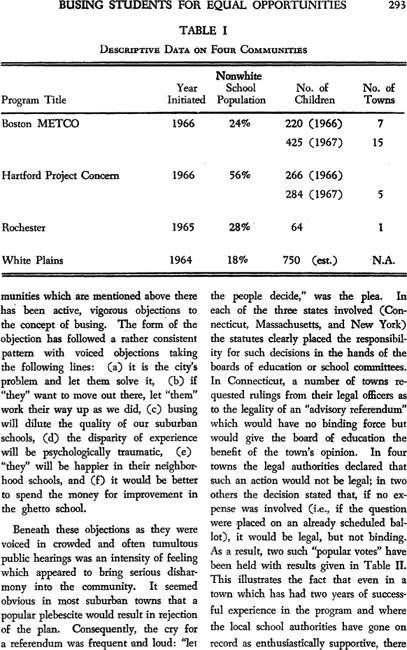
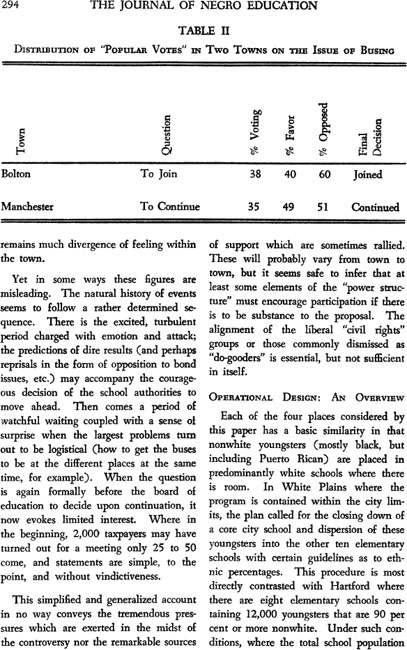
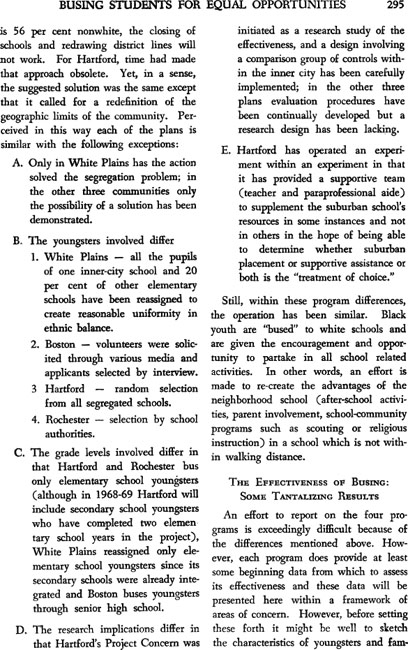
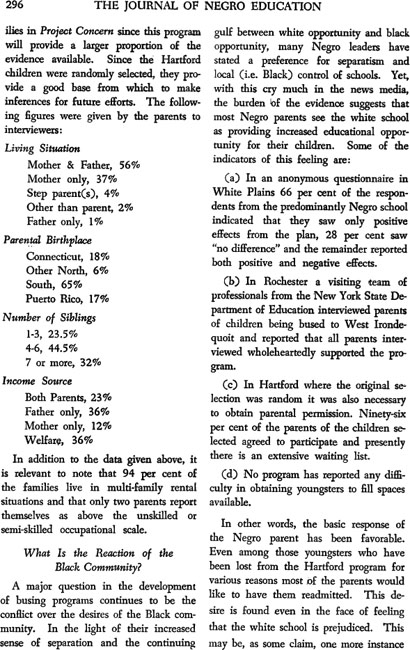
1978
1978
1983
1994
2004
- Loading...
Get a 30 day FREE TRIAL
-
 Watch videos from a variety of sources bringing classroom topics to life
 -
Read modern, diverse business cases
-
Explore hundreds of books and reference titles
Read next

More like this
Sage Recommends
We found other relevant content for you on other Sage platforms.
Have you created a personal profile? Login or create a profile so that you can save clips, playlists and searches