
Summary
Contents
Subject index
Analyzing the relationship between globalization and cultures is the core objective of this volume. In it leading experts track cultural trends in all regions of the world, covering issues ranging from the role of cultural difference in politics and governance to heritage conservation, artistic expression, and the cultural industries. The book also includes a data section that consolidates the recently commenced but still inchoate work of cultural indicators.
4A. Global Sites + Events
4A. Global Sites + Events
- Hong Kong + Mumbai
- New York City
- Los Angeles
- London
- Global Events
- Significant Cities
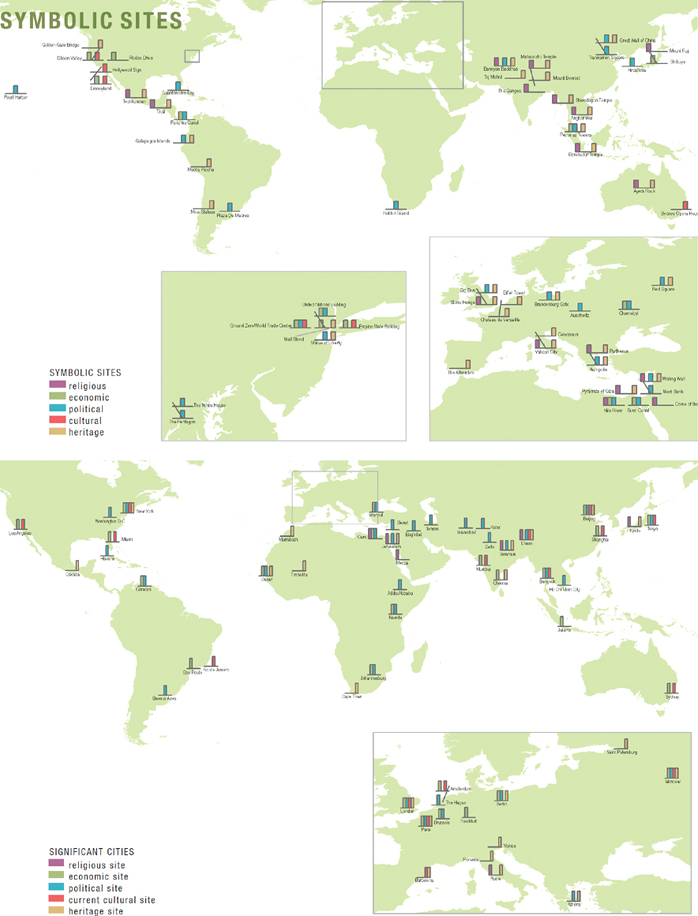
- Symbolic Sites
Hongkong
–population by ethnicity – visiting arrivals – inward + outward movements of aircraft + ocean vessels – international trade
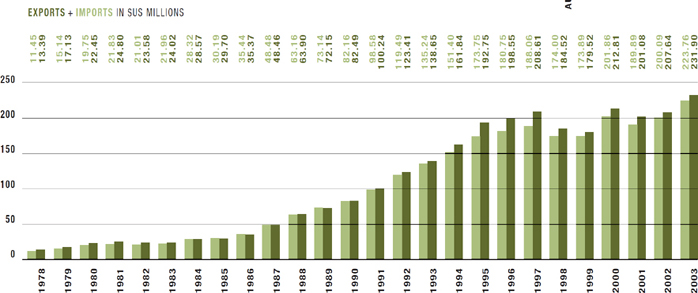
Mumbai
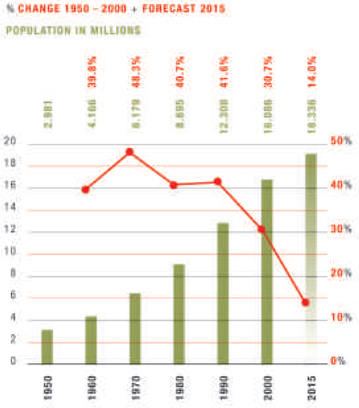
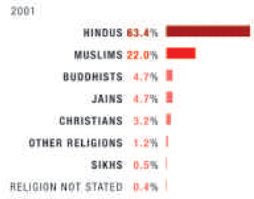
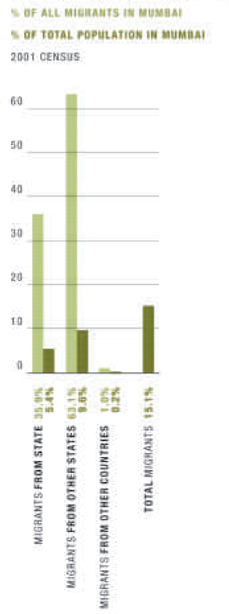
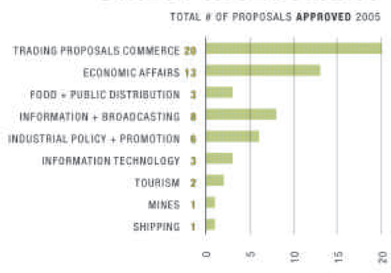
–population growth – % share religions – % of migrants – population, literacy + work – % of all approved proposals for foreign direct investment + foreign direct investment
1. MUMBAI POPULATION GROWTH
2. MUMBAI % SHARE RELIGIONS
3. MUMBAI % OF MIGRANTS
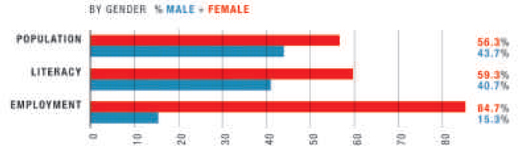
4. MUMBAI POPULATION, LITERACY + WORK
5a. MUMBAI FOREIGN DIRECT INVESTMENT
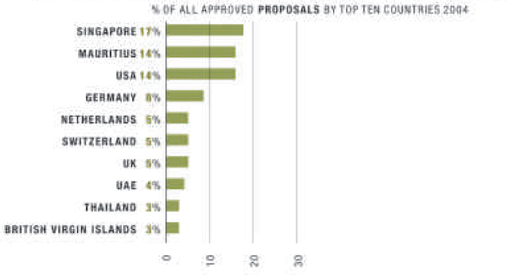
5b. MUMBAI FOREIGN DIRECT INVESTMENT
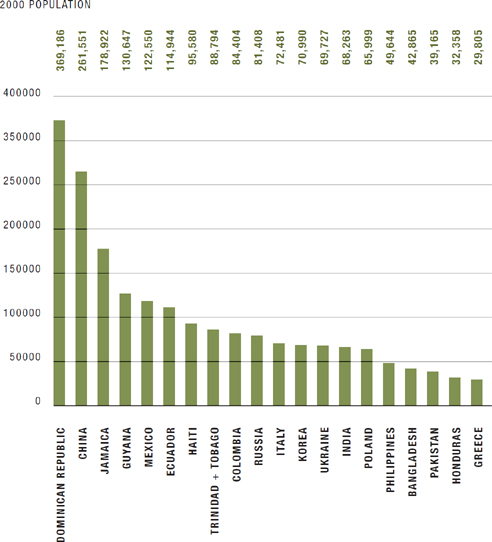
2. NYC TOP 20 COUNTRIES OF ORIGIN FOR FOREIGN-BORN CITIZENS
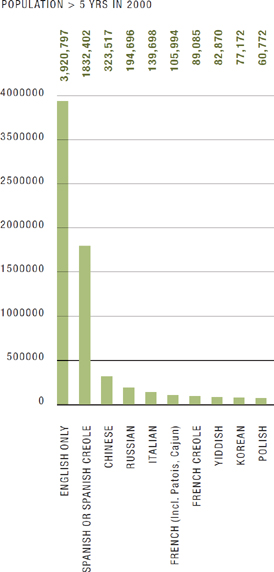
3. NYC DEMOGRAPHICS: TOP TEN LANGUAGES SPOKEN AT HOME
New York City
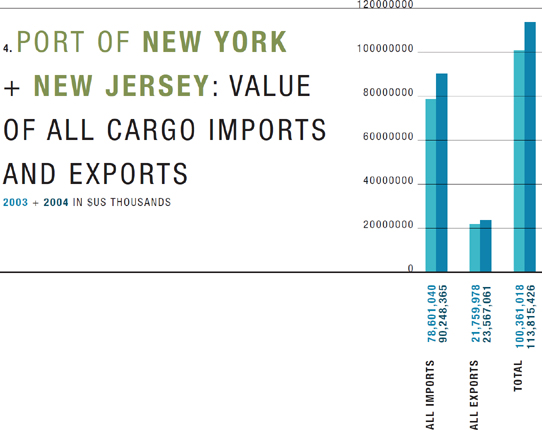
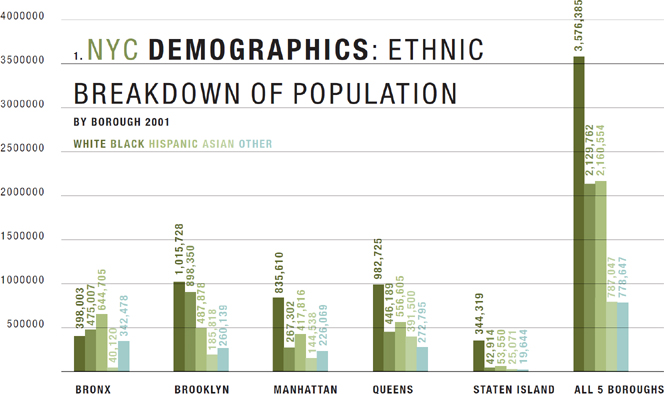
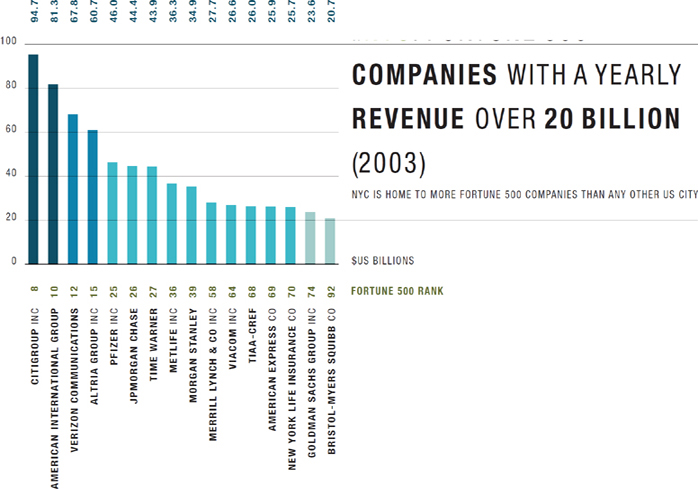
– demographics: ethnic breakdown of population by boroughs 2001 – top 20 countries of origin for foreign-born 2000 – demographics: languages spoken at home for population > 5 years in 2000 – port of NY + NJ: value of all cargo imports + exports 2003 + 2004 – top 20 fortune 500: companies based in nyc w/ yearly revenue over 20 billion dollars 2003
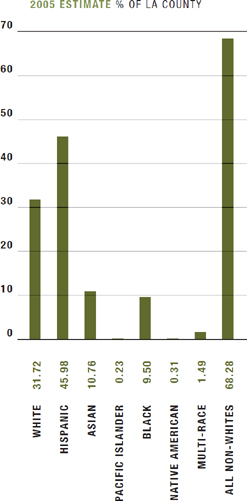
1. L.A. COUNTY: RACIAL POPULATIONS
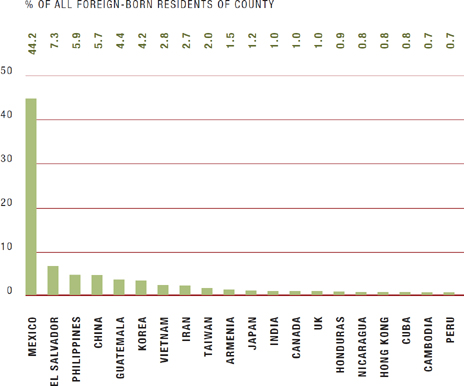
2. L.A. COUNTY: TOP 20 COUNTRIES OF ORIGIN FOR FOREIGN-BORN CITIZENS
Los Angeles
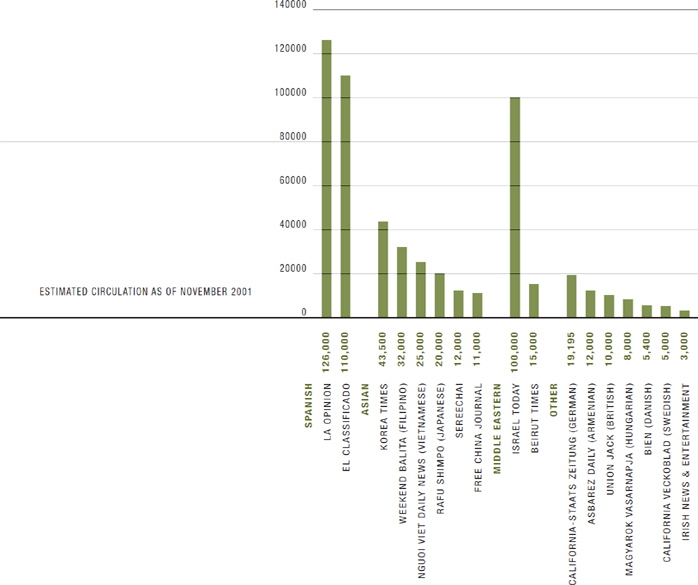
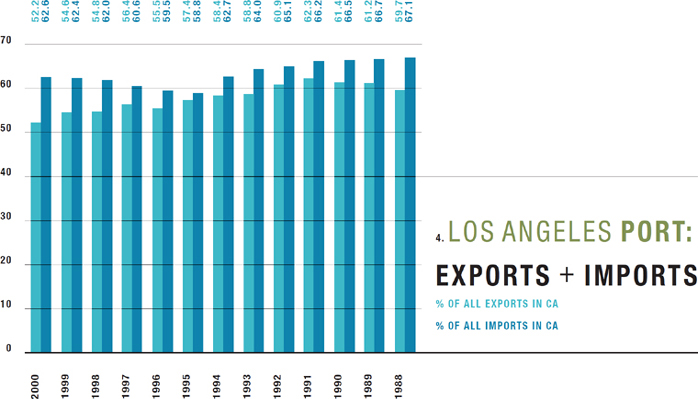
–racial population estimate 2005 – top 20 countries of origin for foreign-born citizens LA county – top us-ethnic newspapers published estimated circulation 2001 – port of LA: imports + exports – top 20 fortune 500 companies based in LA county
5. LOS ANGELES: TOP 20 FORTUNE 500 L.A. COUNTY-BASED COMPANIES
London
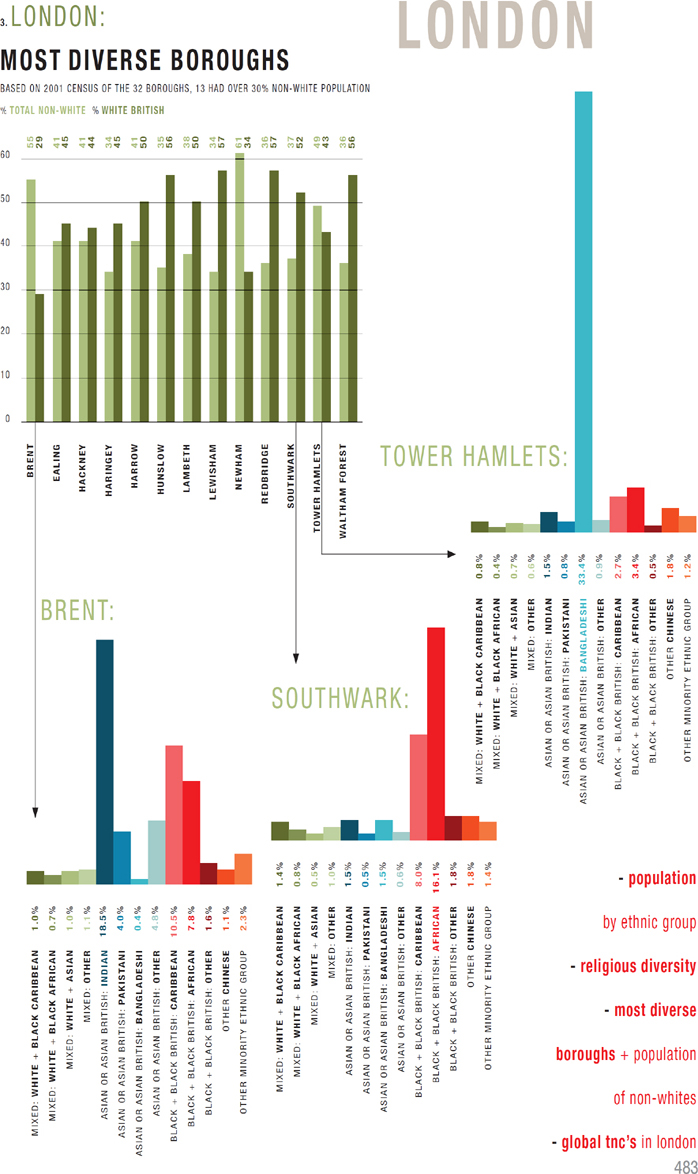
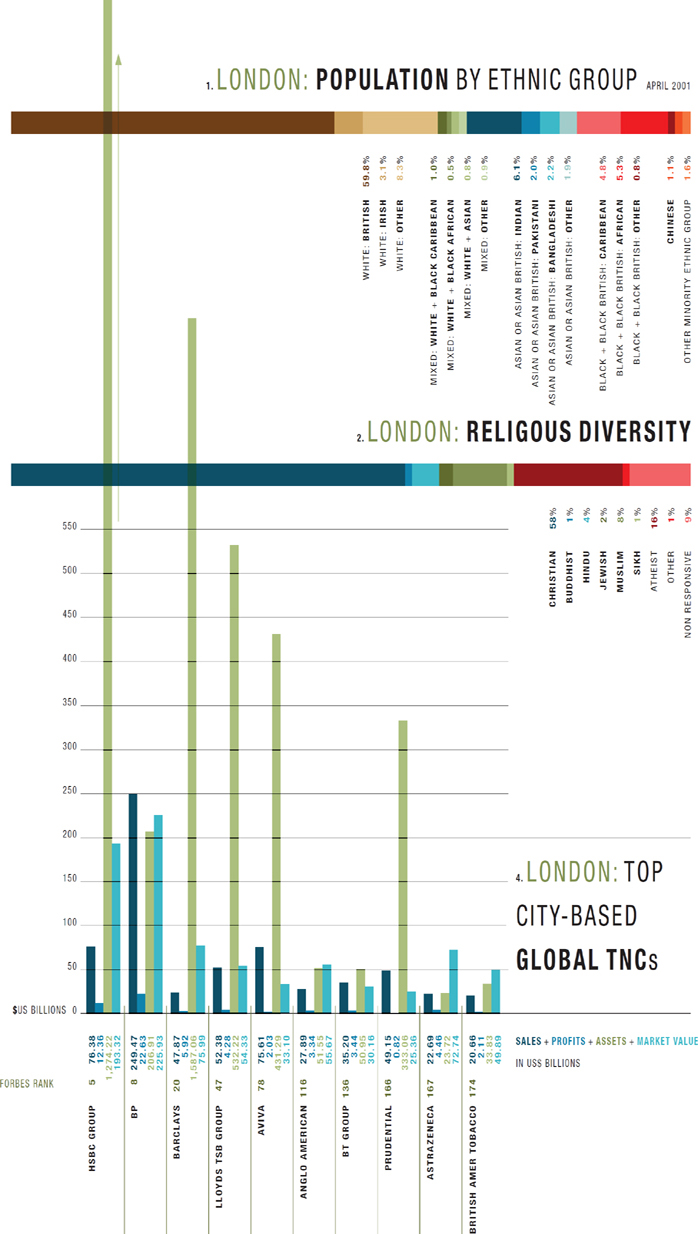
–population by ethnic group – religious diversity – most diverse boroughs + population of non-whites – global tnc's in london
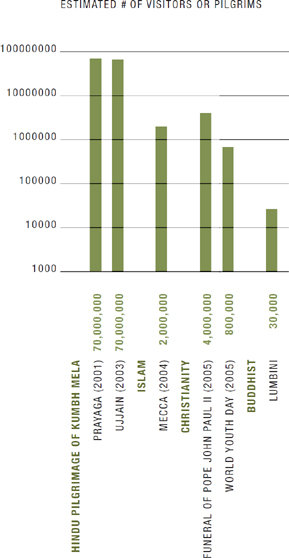
1. RELIGIOUS PILGRIMAGES
2. POPULAR INTERNATIONAL MUSIC FESTIVAL VENUES
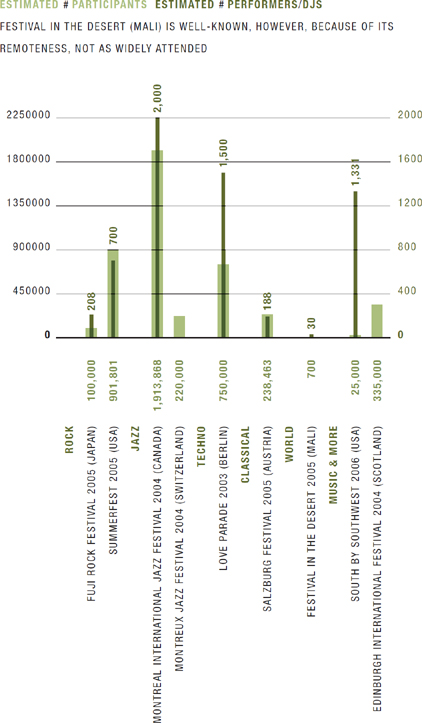
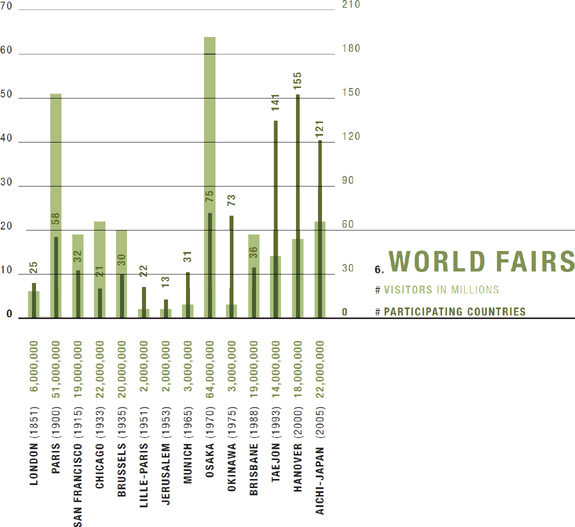
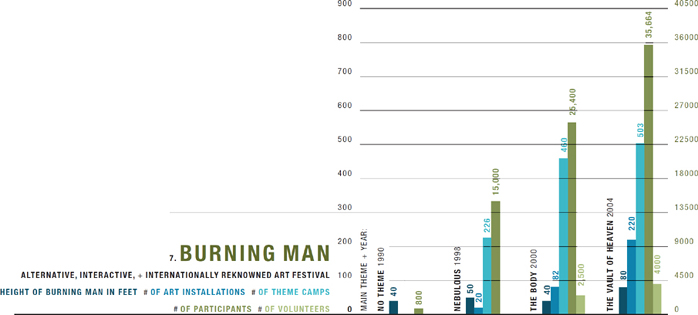
–religious pilgrimages – music festival venues – film festivals – book fairs – documenta exhibit – world fairs – burning man
Global Events
3. INTERNATIONAL FILM FESTIVALS
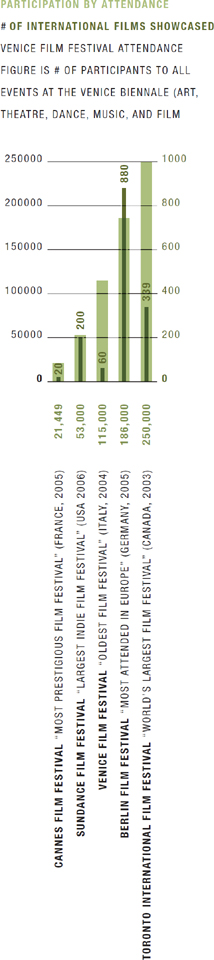
4. NOTABLE INTERNATIONAL BOOK FAIRS
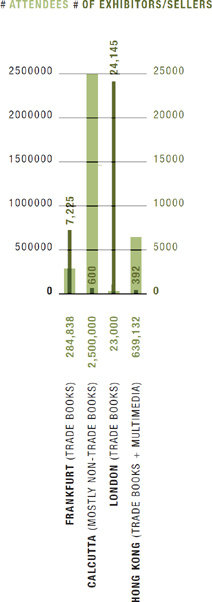
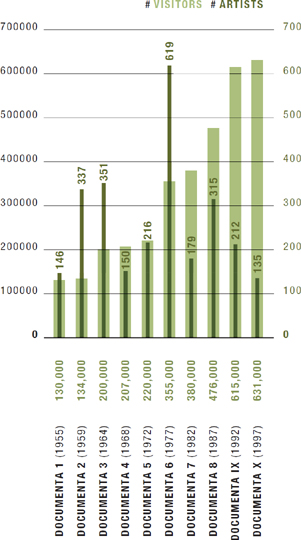
5. DOCUMENTA EXHIBIT 1955–1997
GLOBAL CITIES Every period of modern human history has featured cities as centers of information, communication, economic activities and trade as well as loci of political power and cultural influence. The distinct urban cultures of cities like New York, London, Paris, Berlin, Hong Kong, Tokyo, Shanghai, Buenos Aires, Cairo or Mumbai have long exerted transnational influence, as centers of cultural creativity and innovation.
WHAT DO WE KNOW ABOUT GLOBAL CITIES?
What sets the current period apart from the 19th century, when many of today's global cities became more transnational, is the change in global connectedness. Innovations in technology make it possible for connections to happen at greater speed, with greater volume and frequency, resulting in complex flows of goods, services, capital, people, and information; it also creates greater connectivity among ‘bads’ such as diseases in the case of epidemics, and crime, for example, drug trafficking, smuggling, and white collar crime.
According to the National Research Council (2003: 82–3), the world's urban population will grow from 2.9 billion in 2000 to nearly 5 billion by 2030. High-income countries will account for only 28 million out of the expected 2.12 billion increase. On average urban areas are growing by about 1 million people a week, and much of this takes place in cities with over 1 million people. In 1950, five of the twenty urban agglomerations were in developing countries; by 2000, 13 were, and projections for 2015 are that all but five cities on the top twenty will be. Tokyo, New York-Newark, Buenos Aires. Los Angeles, and Osaka-Kobe, will be the only top 20 cities outside the developing world (Figure 1). Clearly, such high growth rates in cities like Mumbai or Lagos imply serious challenges in terms of housing, physical infrastructure and the environment, health care, social services, education, etc.
...
- Loading...
Get a 30 day FREE TRIAL
-
 Watch videos from a variety of sources bringing classroom topics to life
 -
Read modern, diverse business cases
-
Explore hundreds of books and reference titles

Read next

More like this
Sage Recommends
We found other relevant content for you on other Sage platforms.
Have you created a personal profile? Login or create a profile so that you can save clips, playlists and searches