
Summary
Contents
Subject index
Analyzing the relationship between globalization and cultures is the core objective of this volume. In it leading experts track cultural trends in all regions of the world, covering issues ranging from the role of cultural difference in politics and governance to heritage conservation, artistic expression, and the cultural industries. The book also includes a data section that consolidates the recently commenced but still inchoate work of cultural indicators.
3C. Corporations + Organizations
3C. Corporations + Organizations
- Transnational Cultural Corporations – Disney
- Other Major Media Corporations
- Cultural INGOs + Foundations
Transnational Cultural Corporations – Disney
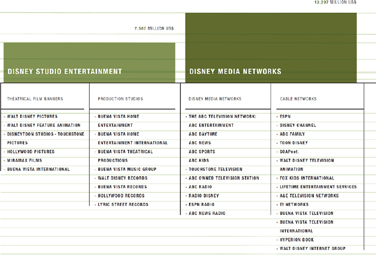
1a. DISNEY COMPANY STRUCTURE
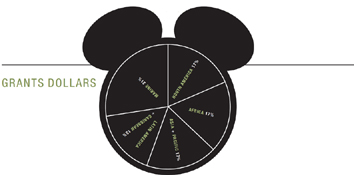
3. DISNEY WILDLIFE CONSERVATION FUND 2005
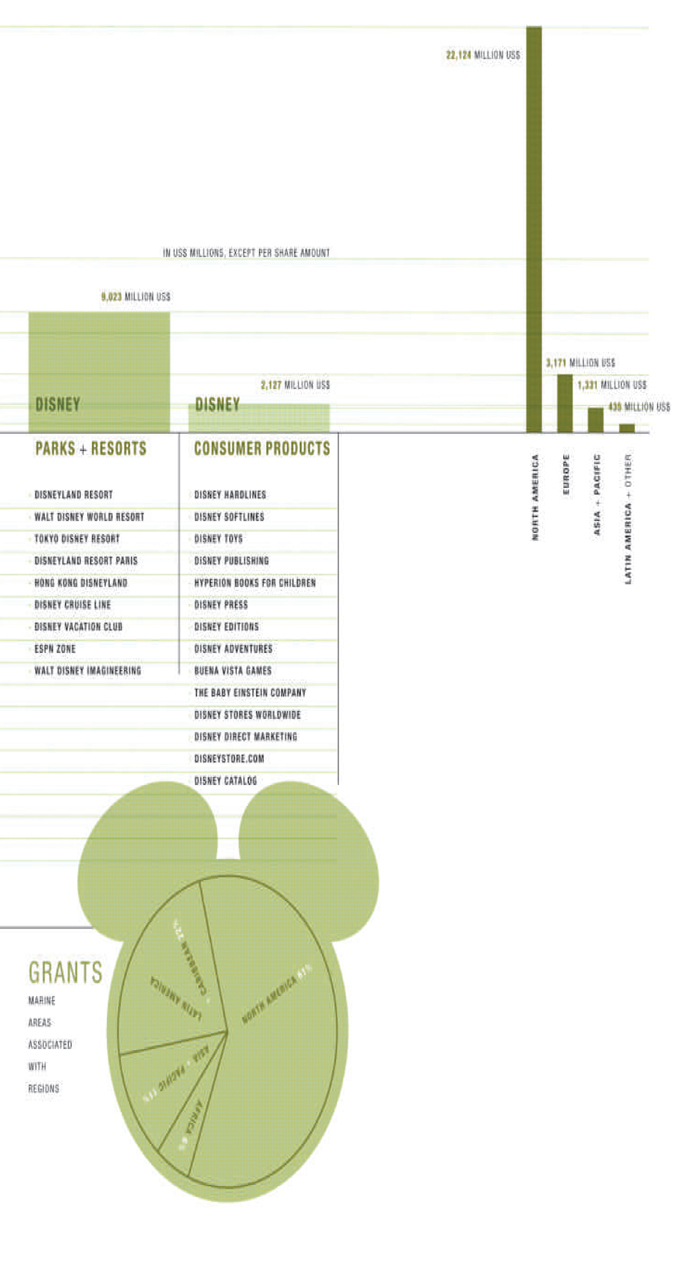
– Company structure + annual revenue 2005
– audiences – corporate philantropy
1b. DISNEY ANNUAL REVENUE 2005
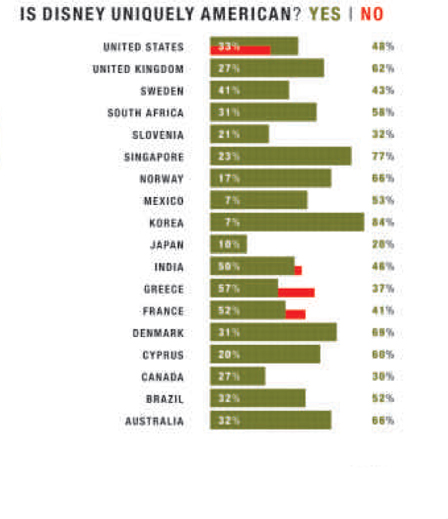
2. DISNEY AUDIENCES
Transnational Cultural Corporations
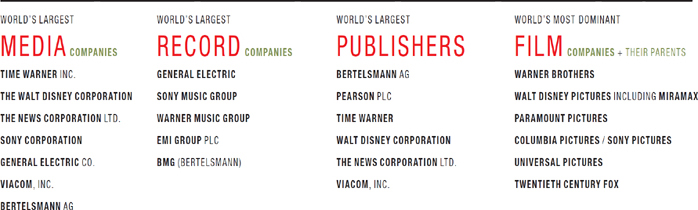
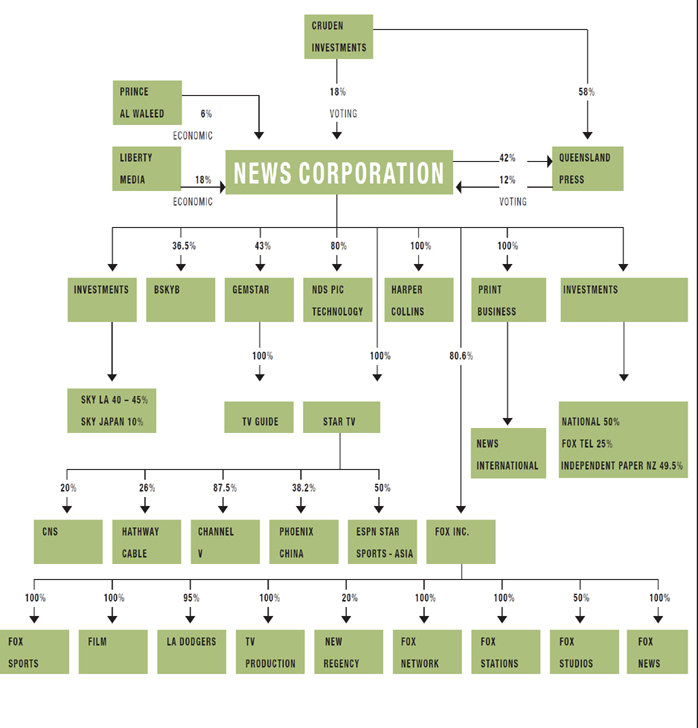
–top global media companies – news corporation structure – top media corporations 2005
1. GLOBAL MEDIA
2. NEWS CORPORATION: HOW IT'S RUN
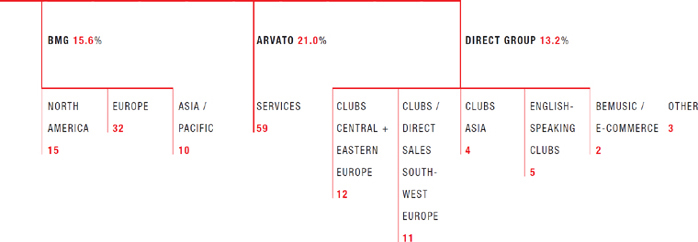
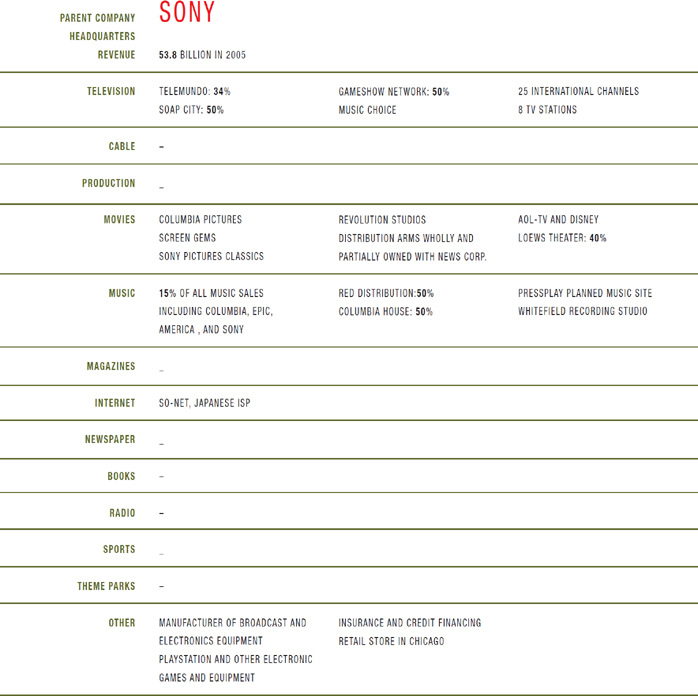
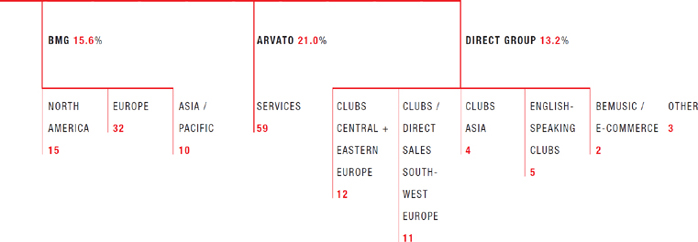
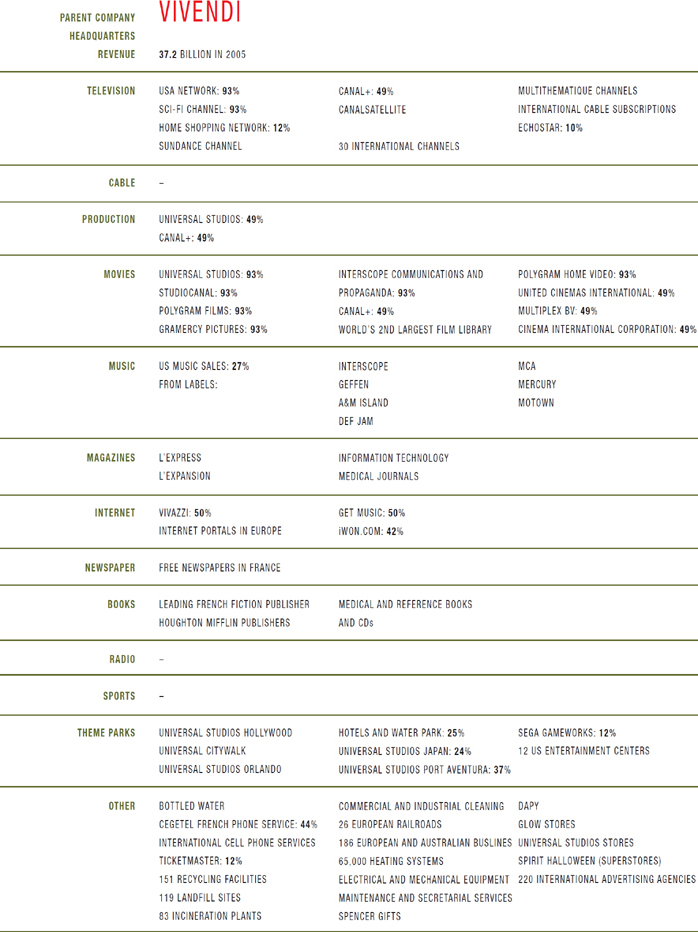
3. TOP MEDIA CORPORATIONS 2005
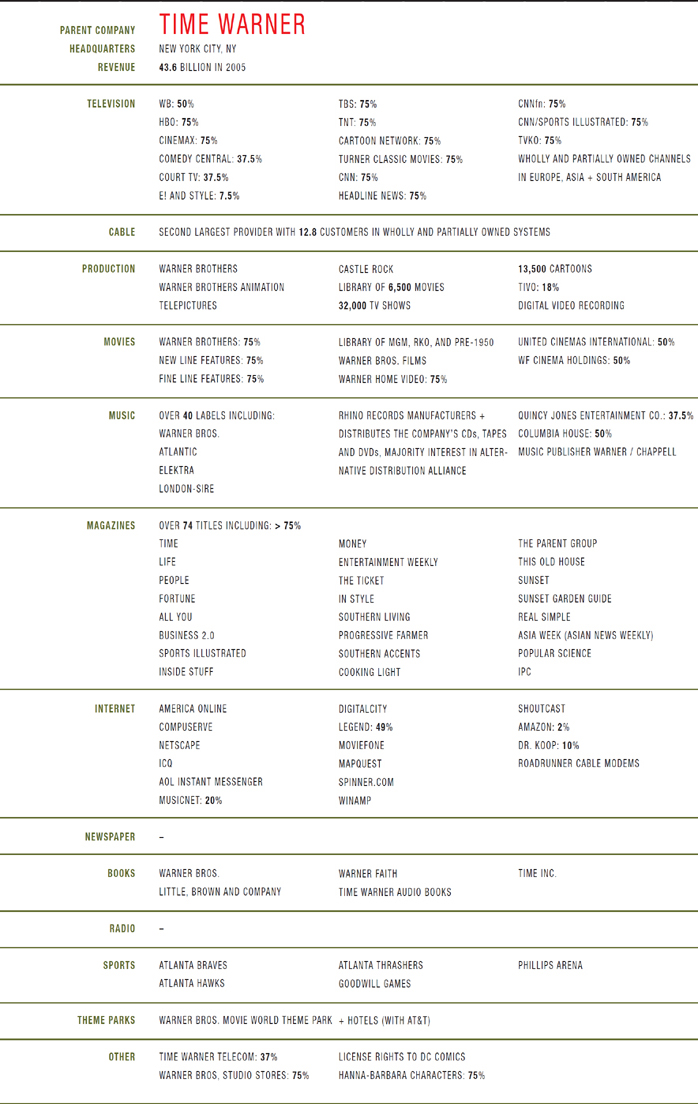
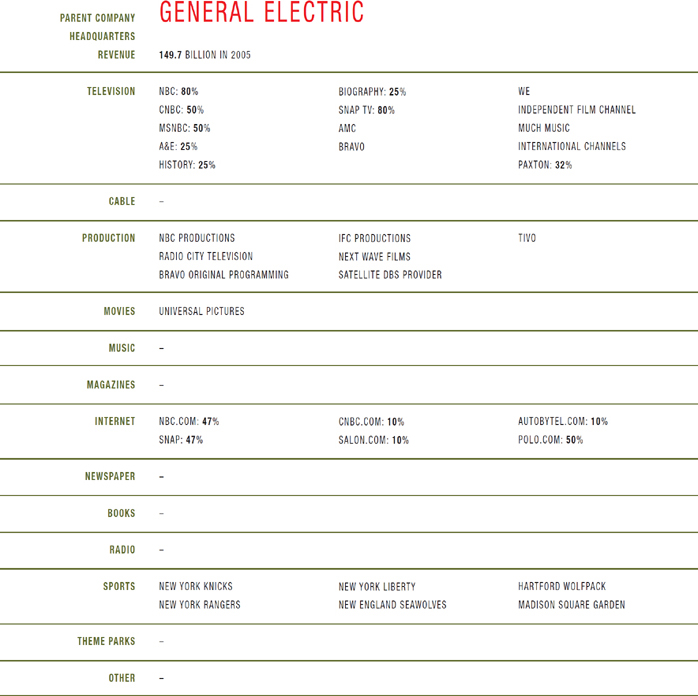
TOP MEDIA CORPORATIONS 2005
INGOs + Foundations
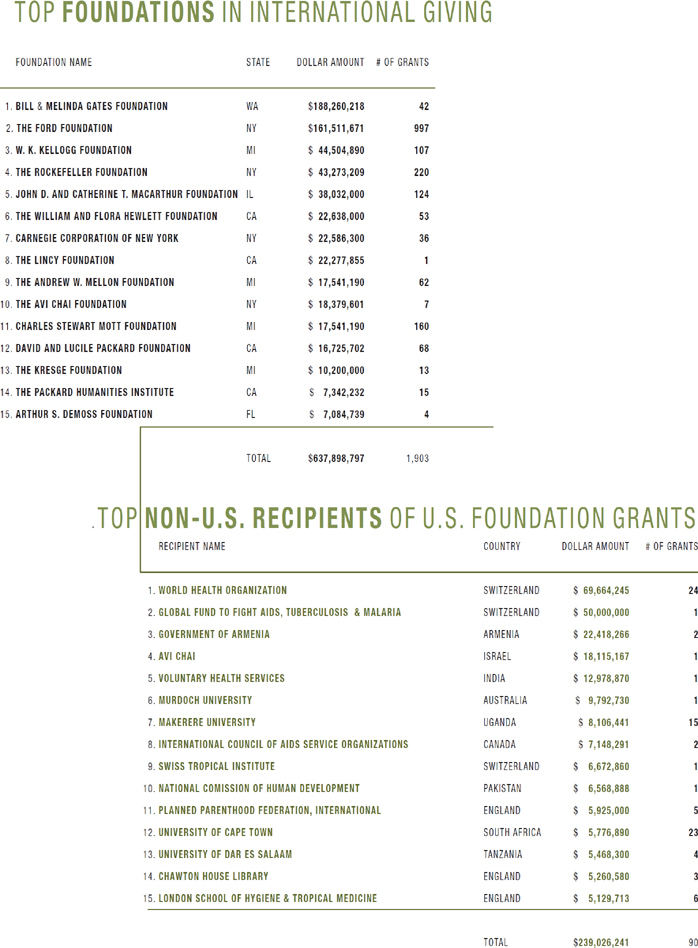
growth of art + culture ngo's – ngo's by regional field of activity – arts + culture ngo's – international foundations + main activity – # of foundations – countries with most foundations giving to arts + culture – top foundations in international giving – top non-us recepients us foundations grants – map international cultural foundations
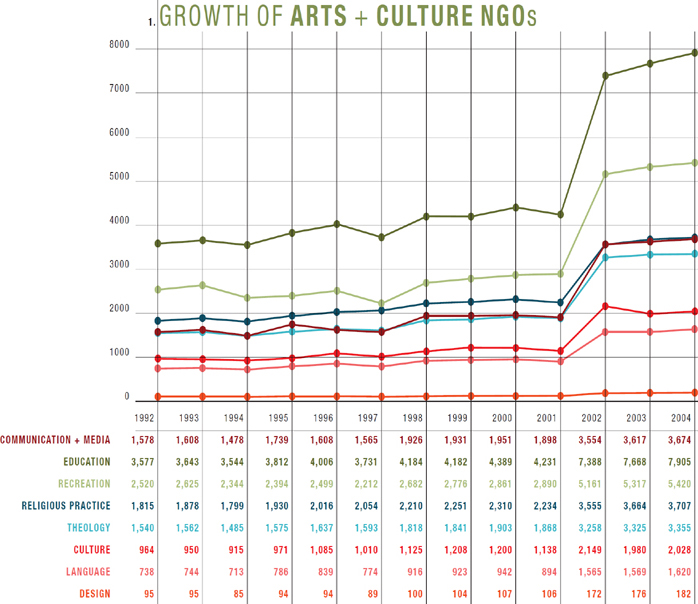
1. GROWTH OF ARTS + CULTURE NGOs
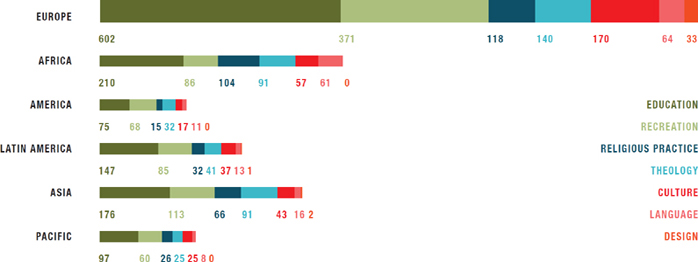
2. NGOs BY REGIONAL FIELD OF ACTIVITY 2004
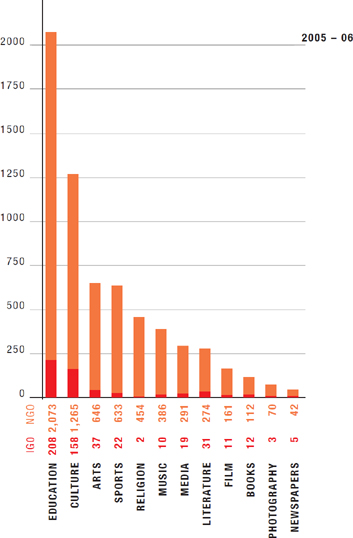
3. ARTS + CULTURE NGOs
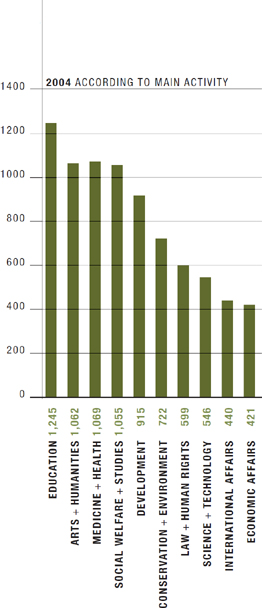
4. INTERNATIONAL FOUNDATIONS
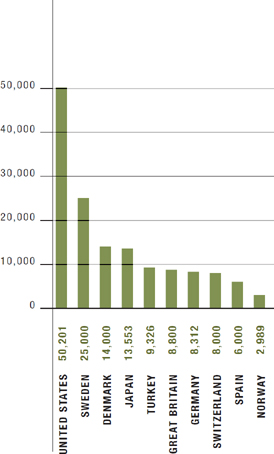
5. COUNTRIES WITH MOST FOUNDATIONS GIVING TO ARTS + CULTURE 2004
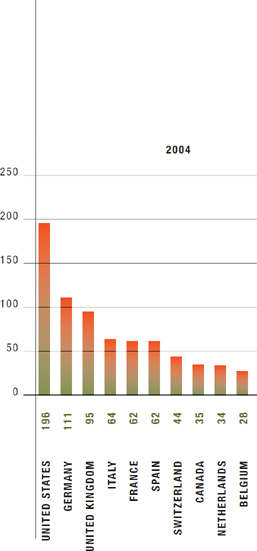
6. # OF FOUNDATIONS 2004
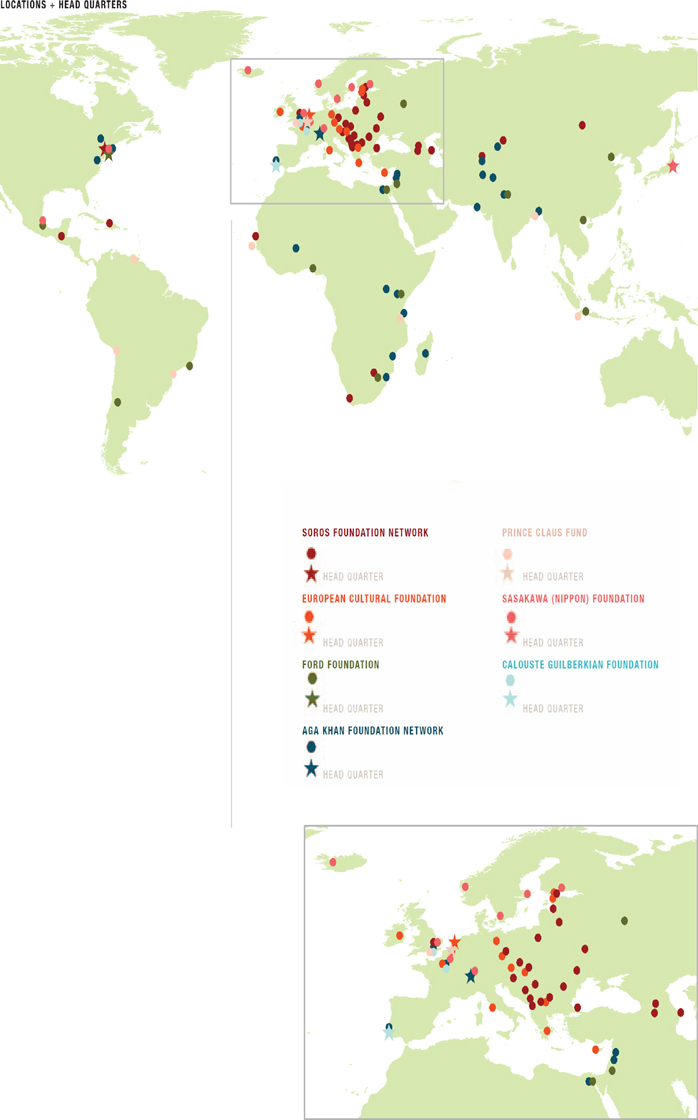
9. INTERNATIONAL CULTURAL FOUNDATIONS
TRANSNATIONAL CULTURAL CORPORATIONS cultural TNCs include entertainment, media, publishing, and now also web-based conglomerates with a variety of different holdings spanning Internet, publishing, IT, radio, and television mediums. Over the past decade, giant transnational cultural corporations (cultural TNCs) have emerged through considerable consolidation and expansion: today, a relatively small number of corporations, typically as diversified holdings, control the majority of formal cultural industries. For example, 80% of commercial music and films in the world are distributed by a small number of cultural TNCs (IMCA, 2005). These parent companies shape media and entertainment offerings, and influence the promotion of artistic talent and cultural products according to corporate interests.
WHAT DO WE KNOW ABOUT CULTURAL TNCS?
The statistics show that some of the corporations have revenues that exceed those of certain countries. In 2005, News Corporation owned 27 broadcast television stations and had revenues of $24.5 billion USD. Time Warner had revenues of $43.6 billion USD and General Electric, $149.7 billion USD. Clear Channel owns around 1,225 radio stations in 300 cities and dominates the audience share in 100 of 112 major markets in the United States (Perlstein, 2002). CBS and ABC own one-fifth as many stations as Clear Channel (Perlstein, 2002). These media giants are linked internationally, for instance, General Electric owns Telemundo, one of the two largest Spanish broadcasting networks (Khan, 2003). Sony, which made its name through electronics, now has more than 1,000 subsidiaries worldwide.
WHAT ARE THE ISSUES?
The oligopolization of the cultural industries raises questions of diversity, fair competition, and cultural domination. Cultural TNCs have sought to loosen government regulations through lobbying, campaign contributions, and buying intellectual property rights, ncluding hiring artists via contracts that limit their rights to their own creative output. In this way, the ability of corporations to profit from individual creative production is protected by law.
At the local and regional level, some producers and productions may become increasingly marginalized, prompting attempts to promote independent production of culture and to monitor the large cultural TNCs. These include UNESCO's Convention on Cultural Diversity, and also the actions of nongovernmental organizations like Corp Watch, Oligopoly Watch, and Media Alliance.
...
- Loading...
Get a 30 day FREE TRIAL
-
 Watch videos from a variety of sources bringing classroom topics to life
 -
Read modern, diverse business cases
-
Explore hundreds of books and reference titles

Read next

More like this
Sage Recommends
We found other relevant content for you on other Sage platforms.
Have you created a personal profile? Login or create a profile so that you can save clips, playlists and searches