

Enterprise Rent-A-Car
Case
Teaching Notes
Supplementary Resources
Abstract
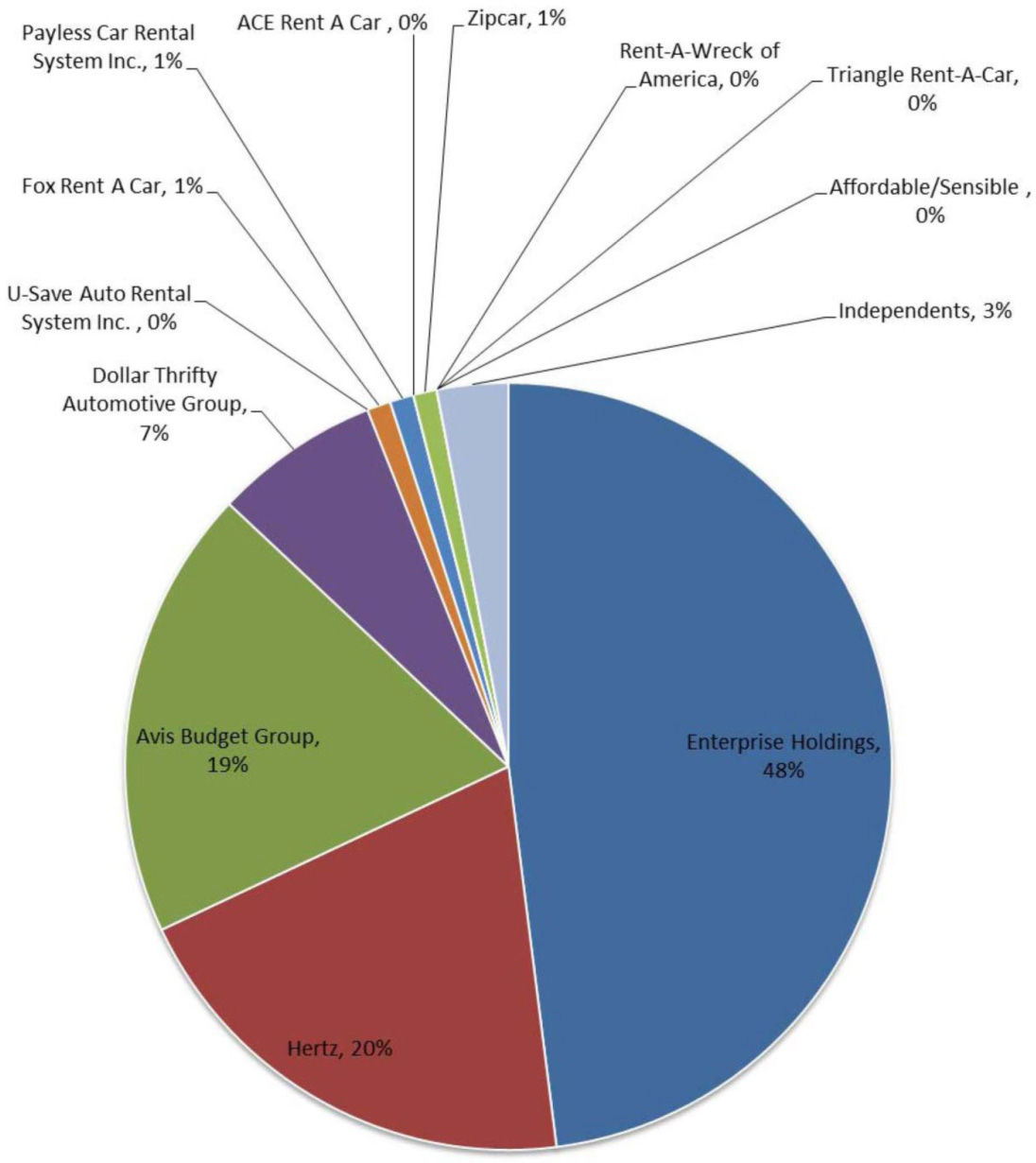
An industry adage held that “there are two types of rental car companies: those that lose money and Enterprise.” The company that would become Enterprise Rent-A-Car was started in 1957 in St. Louis, Missouri, by Jack Taylor. Taylor set up Enterprise offices in neighborhoods rather than at airports because he believed that Americans would welcome a local option for renting cars when their own vehicles were being repaired. In 2010 Enterprise had more than 6,000 rental locations in the United States and a fleet of 850,000 cars in service. Its parent, Enterprise Holdings (comprising Enterprise, National, and Alamo brands) accounted for nearly half of the car rental market and was more than twice the size of Hertz, the number two competitor. Enterprise's competitive advantage was the result of the combination of its practices in hiring, training, compensation, organization, customer service, IT, and fleet management, among others.
This case was prepared for inclusion in Sage Business Cases primarily as a basis for classroom discussion or self-study, and is not meant to illustrate either effective or ineffective management styles. Nothing herein shall be deemed to be an endorsement of any kind. This case is for scholarly, educational, or personal use only within your university, and cannot be forwarded outside the university or used for other commercial purposes.
2026 Sage Publications, Inc. All Rights Reserved
Resources
Exhibit 1: Enterprise Growth, 1965–2010
Source: Authors, based on data from Enterprise Holdings, http://www.enterpriseholdings.com/siteAssets/Financial_Stability_2010.pdf.
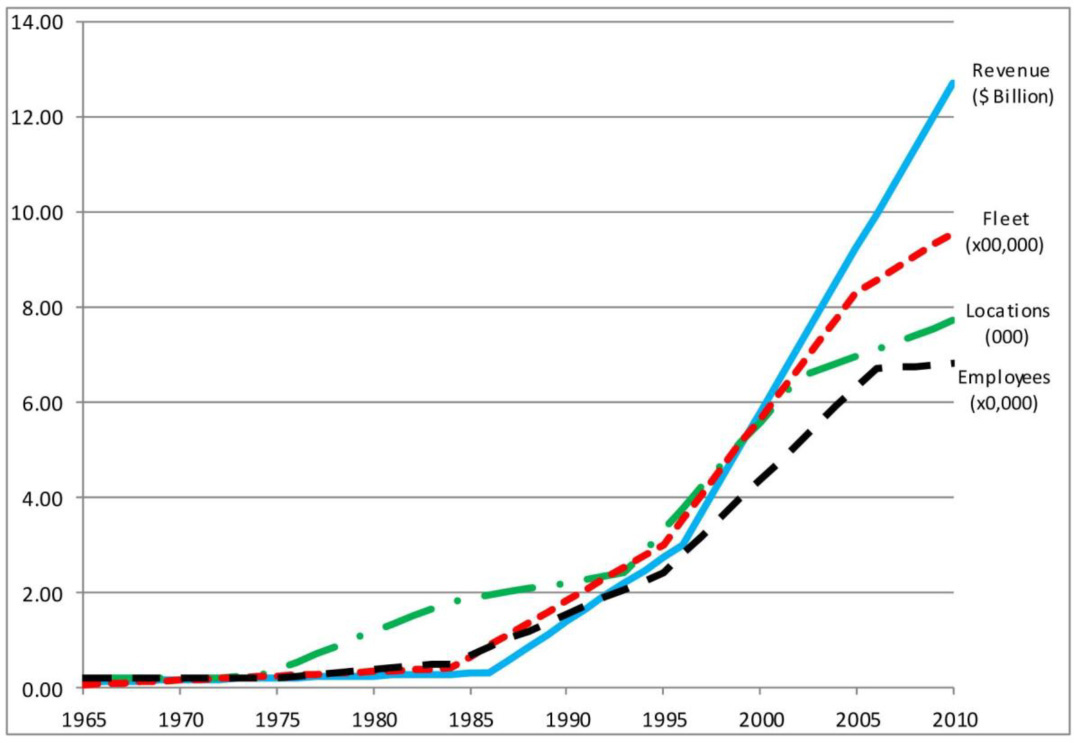
Exhibit 2: Rental Car Revenue by Company, 2010 (U.S. Market)
Source: Auto Rental News
This case was prepared for inclusion in Sage Business Cases primarily as a basis for classroom discussion or self-study, and is not meant to illustrate either effective or ineffective management styles. Nothing herein shall be deemed to be an endorsement of any kind. This case is for scholarly, educational, or personal use only within your university, and cannot be forwarded outside the university or used for other commercial purposes.
2026 Sage Publications, Inc. All Rights Reserved
Get a 30 day FREE TRIAL
-
 Watch videos from a variety of sources bringing classroom topics to life
 -
Read modern, diverse business cases
-
Explore hundreds of books and reference titles

Read next

More like this
Sage Recommends
We found other relevant content for you on other Sage platforms.
Have you created a personal profile? Login or create a profile so that you can save clips, playlists and searches