

China Merchants Bank in Transition
Case
Teaching Notes
Supplementary Resources
Abstract
“When I recall the past 10 years working for China Merchants Bank, I keep thinking about how fast the bank has grown and the early advantages we had thanks to our leading position in IT. Things change. Other major banks' underwent stockholding reform, improved corporate governance and IPOS, becoming more vigorous and competitive than before. Our old IT capacity was no longer our advantage…Banks are now also challenged by direct capital market and third-party payment platform. Only by self-disruption can we build up new strength and only by differentiating ourselves from other banks can we fight for our survival and find our unique way to success,” said Ma Weihua, the 60 year old CEO of China Merchants Bank, in 2009.
The real question was how does China Merchants Bank disrupt itself and what new strength must it build? China Merchants Bank's first transformation took place in 2004 and its results were satisfying. In 2009, Ma Weihua's mind was concerned about implementing another round of transformation. The bank was on high-speed track towards improving profitability. The launching of a new credit card IT system and the emergence of initial results were what made 2011 a distinctive year.
This case was prepared for inclusion in Sage Business Cases primarily as a basis for classroom discussion or self-study, and is not meant to illustrate either effective or ineffective management styles. Nothing herein shall be deemed to be an endorsement of any kind. This case is for scholarly, educational, or personal use only within your university, and cannot be forwarded outside the university or used for other commercial purposes.
2026 Sage Publications, Inc. All Rights Reserved
Resources
Exhibit 1 The Big Five Major Commercial Banks
| Bank Name | Founding Year | Introduction |
| Industrial and Commercial Bank of China (ICBC) | 1984 | A fully state-owned bank re-organized into a stock company in 2005 and listed simultaneously in Shanghai and Hong Kong in October 2006 |
| Agricultural Bank of China (ABC) | 1955 | Merged into the central bank twice in 1957 and 1965; re-established in 1979 to support agriculture and handle agricultural loans; reorganized as a stock company in 2009 and listed in Shanghai and Hong Kong simultaneously in 2010. |
| Bank of China (BOC) | 1912 | Merged into the central bank in 1950 and detached in 1979; functioned as a national foreign exchange authority between the year 1979 and 1983; re-organized into a stock company in 2004 and listed in 2004 in Shanghai (May) and Hong Kong (June), the first of its kind fully circulated both in mainland China and Hong Kong. |
| China Construction Bank (CCB) | 1954 | Handed over the role of national financial authority to the Ministry of Finance and policy-related infrastructure construction loans business to China Development Bank in 1994; reorganized into a stock company in 2004 and listed in Hong Kong in 2005; the first formerly known as fully owned state-owned bank to go public; listed in Shanghai in 2007. |
| Bank of Communications (BOCOM) | 1908 | In 1958, except the Hong Kong branch continued to operate, BOCOM was split and merged into the central bank and China Construction Bank; BOCOM was reopened in 1987 by approval of the state council; listed in Hong Kong in 2004, and Shanghai in 2007. |
Source: Public Information
Exhibit 2 The Size of “The Big Five” and China Merchants Bank in Mainland China
| Banks | Sub-branch Offices Dec.2009 | Sub-branch Offices Dec.2010 | Total Assets Dec.2009 (in trillion RMB) | Total Assets Dec.2010 (in trillion RMB) |
| Industrial and Commercial Bank of China | 16,232 | 16,227 | 11.79 | 13.46 |
| Agricultural Bank of China | 23,624 | N/A | 8.88 | 10.34 |
| China Construction Bank | 13,384 | 13,415 | 8.91 | 10.81 |
| Bank of China | 99,88 | 10,074 | 8.75 | 10.46 |
| Bank of Communications | 2,648 | 2,643 | 3.03 | 3.61 |
| China Merchants Bank | 737 | 822 | 2.07 | 2.40 |
Source: Annual Reports of the Above-mentioned Banks
Exhibit 3 The Expansion of China Merchants Bank
| 2010/8/31 | 2009/12/31 | 2008/12/31 | 2007/12/31 | 2006/12/31 | |
| Branch + Sub-branch (incl. outlets) | 768 | 737 | 667 | 574 | 500 |
| Exclusive operation center equivalent to a branch | Credit Card Center, SME Credit Center | Credit Card Center, SME Credit Center | Credit Card Center, SME Credit Center(in June 2008) | Credit Center | Credit Center(in May 2006) |
| Off-bank Self-service Banking Centers | 1,820 | 1,760 | 1,567 | 677 | 1,050 |
| Off-bank self-service machines (ATM / CDM) | 1,700 | 1,700 | 1,400 | 1,048 | 812 |
| Domestic Subsidiary | CMBFL (wholly owned, Shanghai) | CMBFL (wholly owned, Shanghai) | CMBFL (wholly owned, Shanghai) | - | - |
| Offshore Bodies | Hong Kong:
| Hong Kong:
| Hong Kong:
| Hong Kong:
| Hong Kong:
|
Note 1. WLB – Wing Lung Bank Limited (“WLB”), founded in 1933, is one of the oldest local Chinese banks in Hong Kong. WLB has a total of 39 banking offices, including headquarter and branches in Hong Kong at present. The acquisition of 53.12% equity of WLB occurred in June 2008. In January 2009, WLB became a wholly owned subsidiary of CMB.
Note 2. CMB Int'l – CMB International Capital Co., Ltd., a wholly owned HK based subsidiary of CMB.
Note 3. CMBFL – CMB Financial Leasing Co., Ltd., a wholly owned Shanghai based subsidiary of CMB
Source: HK Exchange China Merchant's Bank Annual and Interim Reports (2006–2010)
Exhibit 4 Net Interest Income Contribution of “The Big Five” and China Merchants Bank
| 2009 | 2010 | |
| Industrial and Commercial Bank of China | 79.44% | 79.76% |
| Agricultural Bank of China | 81.72% | 83.38% |
| Bank of China | 68.42% | 70.07% |
| China Construction Bank | 79.38% | 77.75% |
| Bank of Communications | 83.38% | 82.95% |
| China Merchants Bank | 78.46% | 79.96% |
Source: Annual Reports of the Above-mentioned Banks (2010)
Exhibit 5 “The Big Five” and CMB's Non-performing Loan Rate (2001–2010)
| 2001 | 2002 | 2003 | 2004 | 2005 | 2006 | 2007 | 2008 | 2009 | 2010 | |
| Industrial and Commercial Bank of China | 29.78% | 25.69% | 24.24% | 21.16% | 4.69% | 3.79% | 2.74% | 2.29% | 1.54% | 1.08% |
| Agricultural Bank of China | N/A | N/A | 30.66% | 26.73% | 26.17% | 23.43% | 23.57% | 4.32% | 2.91% | 2.03% |
| Bank of China | N/A | N/A | 16.28% | 5.12% | 4.62% | 4.04% | 3.12% | 2.65% | 1.52% | 1.10% |
| China Construction Bank | N/A | N/A | N/A | 3.92% | 3.84% | 3.29% | 2.60% | 2.21% | 1.50% | 1.14% |
| Bank of Communications | N/A | N/A | N/A | 2.91% | 2.37% | 2.01% | 2.06% | 1.92% | 1.36% | 1.12% |
| China Merchants Bank | 10.25% | 5.99% | 3.15% | 2.87% | 2.58% | 2.12% | 1.54% | 1.11% | 0.82% | 0.68% |
Source: Annual Reports of the Above-mentioned Banks and China Securities Regulatory Commission
Exhibit 6 CMB's All-in-one-card Circulation History 2005-2010
| 2005 | 2006 | 2007 | 2008 | 2009 | 2010 | |
| Total Circulation (in millions) | 37.00 | 38.85 | 43.63 | 49.07 | 53.37 | 56.94 |
| New Issues (in millions) | 3.60 | 2.09 | 4.78 | 5.56 | 4.30 | 3.57 |
Source: CMB's Annual Reports
Exhibit 7 CMB's Debit Card/Wealth Management Product Offerings
| Customer Qualifications | Service Features | |
| N/A |
|
| Total assets with a same branch over 50K RMB |
|
| Total assets with a same branch over 500K RMB |
|
| Total assets with a same branch over 5 million RMB |
|
| Total assets with a same branch over 10 million RMB |
|
Note: Value added activities and conveniences for each product line are escalating through number 1 to 5.
Source: China Merchants Bank
Exhibit 8 The Development of Chinese Direct Capital Market
Source: China's Securities Regulatory Commission 1
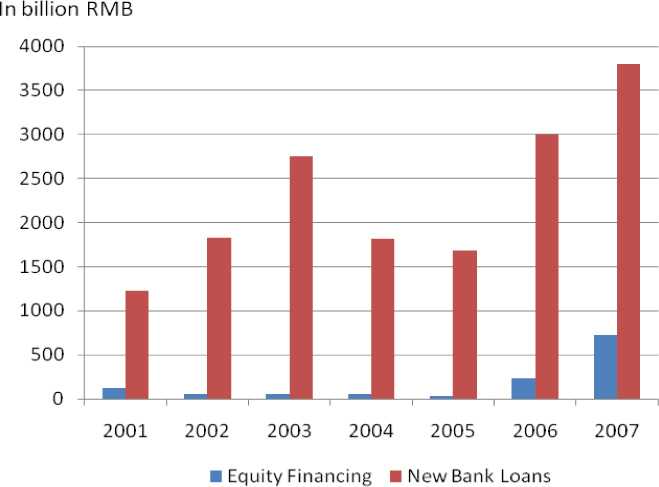
Exhibit 9 CMB's Retail Contribution to Operating Income
Source: CMB's Annual Reports
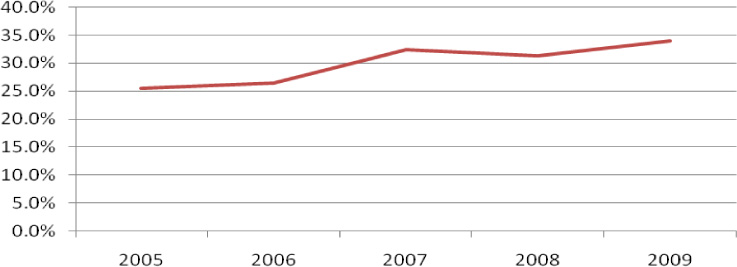
Exhibit 10 CMB's Credit Card Issuance 2005–2009
| 2005 | 2006 | 2007 | 2008 | 2009 | 2010 | |
| Total Circulation (in millions) | 5.00 | 10.34 | 20.68 | 27.26 | 30.73 | 34.77 |
| New Issues (in millions) | 2.34 | 5.17 | 10.34 | 6.58 | 3.47 | 4.04 |
Source: CMB's Annual Reports
Exhibit 11 2002–2009 China's Bank Card Total Circulation and Growth Rate
(in billion RMB)
Source: People's Bank of China《China Payment System Development Report (2009) 》
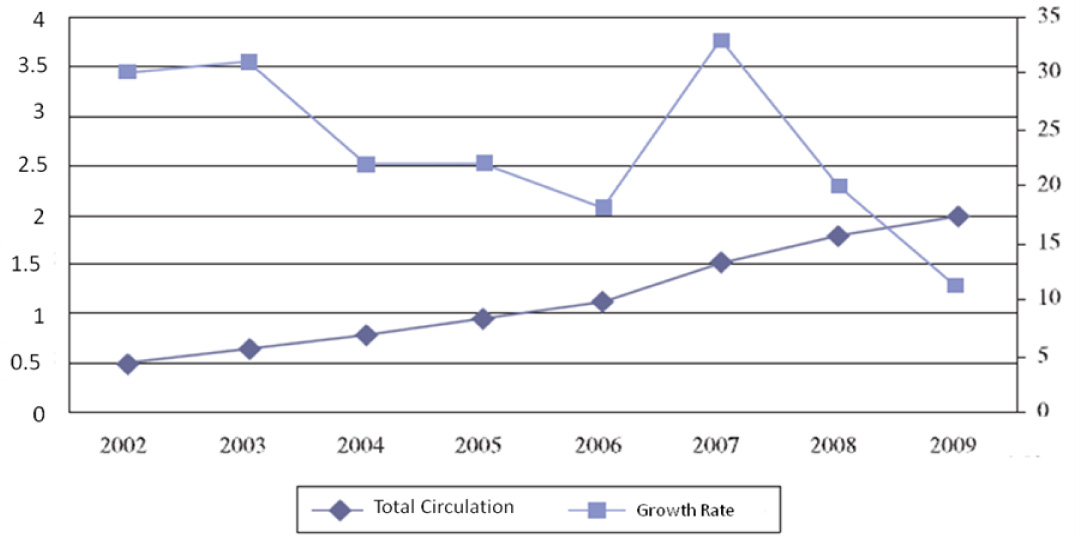
Exhibit 12 Capital Adequacy Ratio of “The Big Five” and CMB
| 2004 | 2005 | 2006 | 2007 | 2008 | 2009 | 2010 | |
| Industrial and Commercial Bank of China | N/A | 9.89% | 14.05% | 13.09% | 13.06% | 12.36% | 12.27% |
| Agricultural Bank of China | N/A | N/A | N/A | N/A | 9.41% | 10.07% | 11.59% |
| Bank of China | 10.04% | 10.42% | 13.59% | 13.34% | 13.43% | 11.14% | 12.58% |
| China Construction Bank | 11.32% | 13.59% | 12.11% | 12.58% | 12.16% | 11.70% | 12.68% |
| Bank of Communications | 9.72% | 11.20% | 10.83% | 14.44% | 13.47% | 12.00% | 12.36% |
| China Merchants Bank | 9.55% | 9.06% | 11.39% | 10.40% | 11.34% | 10.45% | 11.21% |
Note: the following formula is defined in China's Securities Regulatory Commission's official document—“Measures for the Management of Capital Adequacy Ratios of Commercial Banks”
Capital adequacy ratio = (capital − the deduction items)/(the risk-weighted assets + 12.5 times of market risk capital)
Source: Annual Reports of the Above-mentioned Banks
Exhibit 13: Chinese Netizen Age Composition
Source: The 26th Statistical Report on Internet Development in China (July 2010)
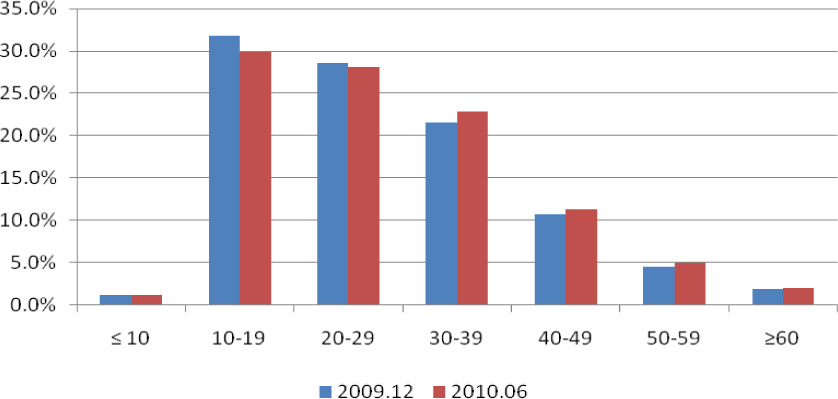
Exhibit 14 Number of Merchant Subscribers, POS1 and ATM2 2002–2009
| (in thousand RMB) | |||||||||
|---|---|---|---|---|---|---|---|---|---|
| 2002 | 2003 | 2004 | 2005 | 2006 | 2007 | 2008 | 2009 | ||
| Merchants | New | 35 | 53 | 68 | 88.3 | 126.7 | 218.2 | 442.5 | 384.8 |
| Total | 185 | 238 | 306 | 394.3 | 521 | 739.2 | 1181.7 | 1566.5 | |
| POS | New | 52 | 79 | 101 | 157.6 | 210.4 | 363.2 | 663.9 | 563.2 |
| Total | 270 | 349 | 450 | 607.6 | 818 | 1181.2 | 1845.1 | 2408.3 | |
| ATM | New | 11 | 10.7 | 8.6 | 13.8 | 15.7 | 25.2 | 44.5 | 47.4 |
| Total | 49 | 59.7 | 68.3 | 82.1 | 97.8 | 123 | 167.5 | 214.9 | |
Source: People's Bank of China, China Payment System Development Report (2009)
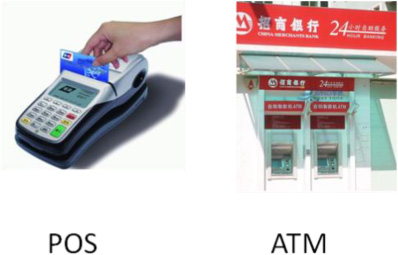
Notes
1. POS: Point of Sales
2. ATM: Automatic Teller Machine
Exhibit 15 Internet Users Who Shop Online
Source: The 26th Statistical Report on Internet Development in China (July 2010)
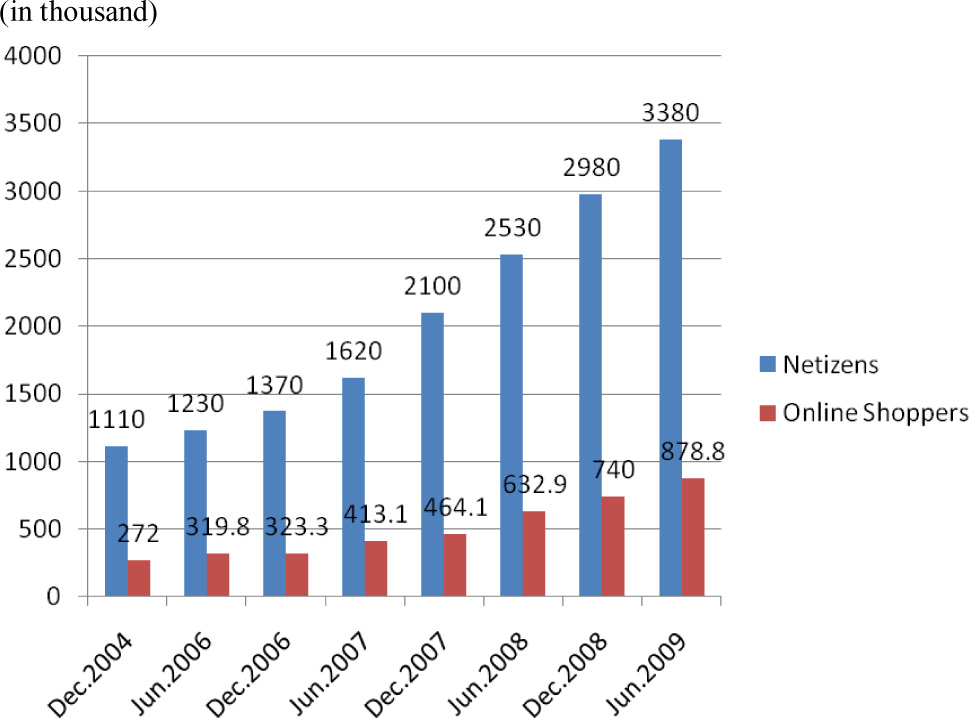
Exhibit 16 The Size of CMB's Credit Card Center
| 2007 | 2008 | 2009 | 2010 | |
| Number of Employees | 3,370 | 5,625 | 5,562 | 5,560 |
| Total Assets (in million RMB) | 21,251 | 31,112 | 39,065 | 53,763 |
Source: CMB's Annual Reports (2007-2010)
Exhibit 17 CMB's IT Department Organizational Structure
Source: China Merchants Bank
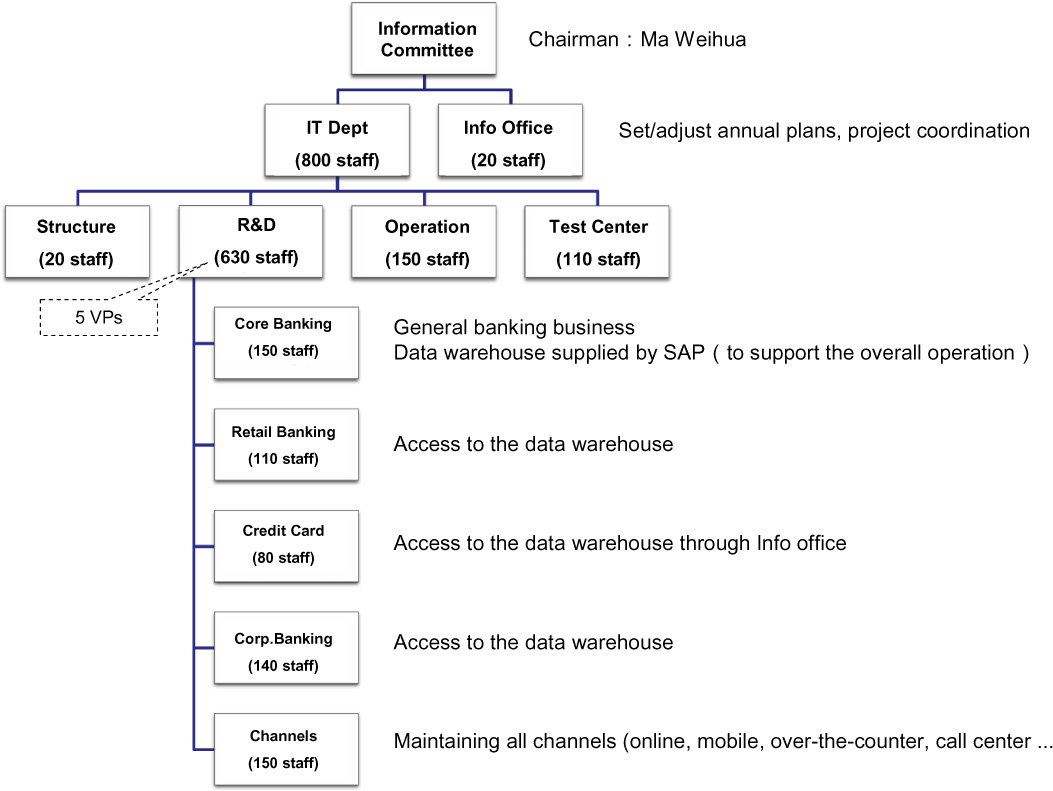
Exhibit 18 CMB Credit Card Center's Business Structure
Note: Credit Card Center's IT staff coordinates work with the IT department in the company chart.
(Refer to Exhibits 16 and 17)
Source: China Merchants Bank
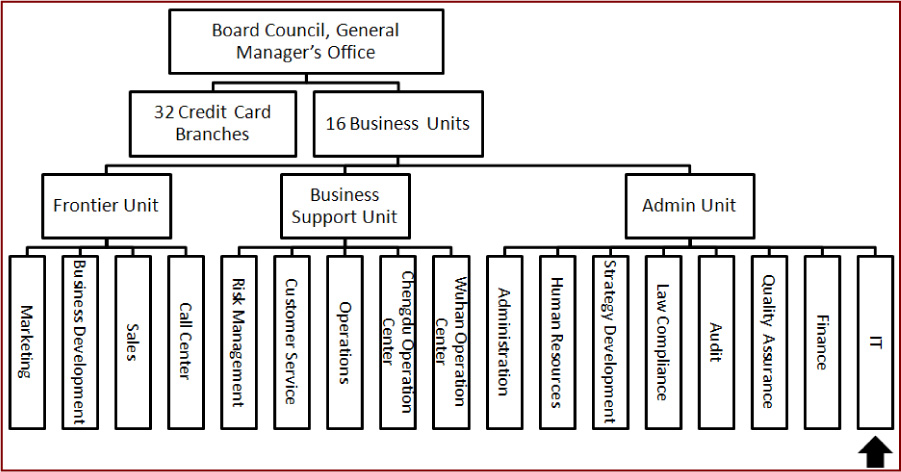
Exhibit 19 CMB's Organizational Chart
Note: The original Vice President in charge of retail banking was appointed President of the new Retail Headquarter.
Source: China Merchants Bank
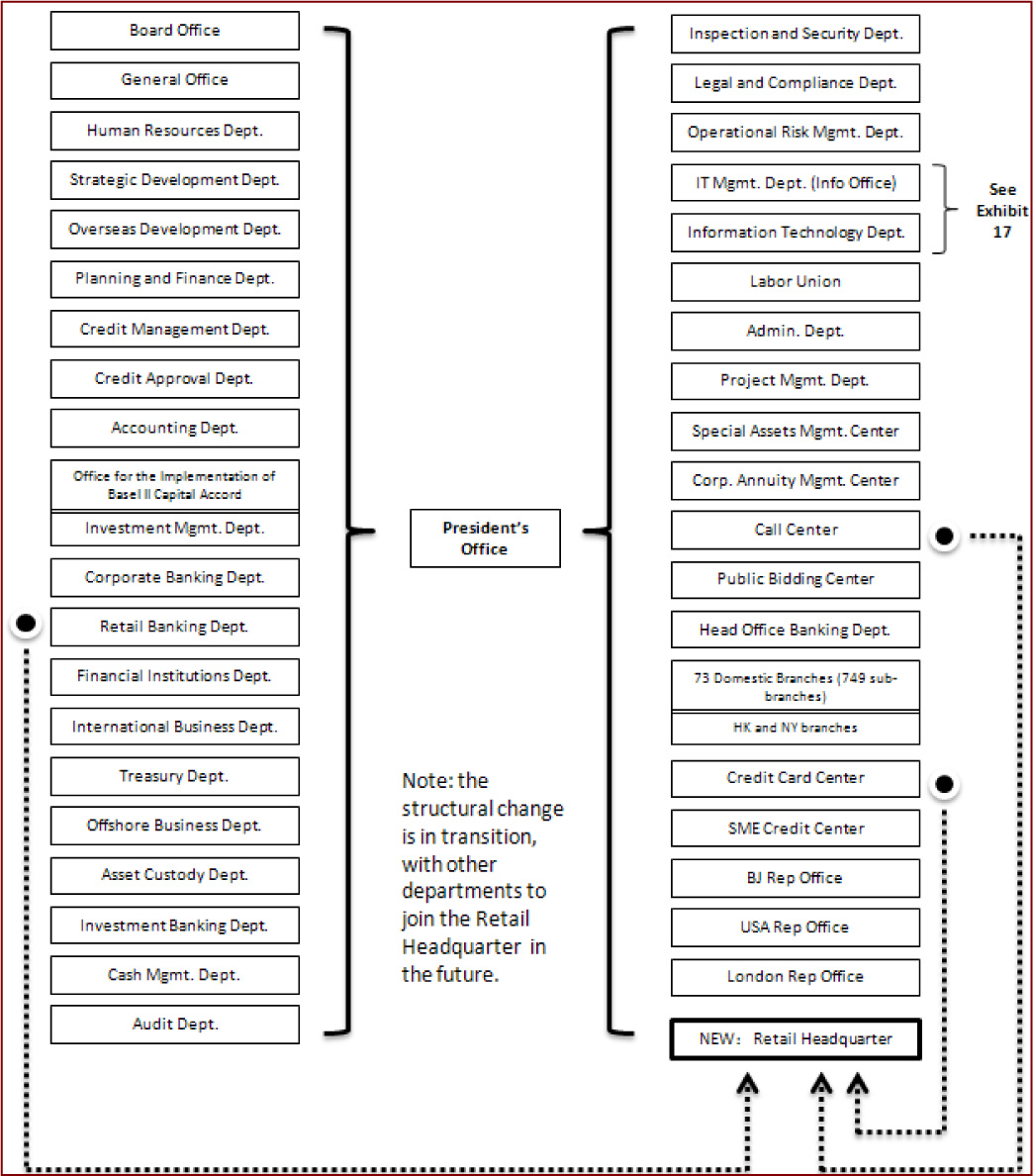
Exhibit 20: IT Investment and Staff Number of China Merchant's Bank's Credit Card Center
| Year | Overhead Expenses & Staff Salary | IT Facilities and System | Annual Total | Year-end Staff Number |
| Unit:Million RMB | ||||
| 2004 | 4.8 | 153.8 | 158.6 | N/A |
| 2005 | 16.5 | 28.8 | 45.4 | N/A |
| 2006 | 21.1 | 17.3 | 38.4 | 81 |
| 2007 | 18.9 | 153.9 | 172.8 | 117 |
| 2008 | 44.2 | 88.1 | 132.3 | 186 |
| 2009 | 57.3 | 99.9 | 157.2 | 216 |
| 2010 | 71.1 | 266.5 | 337.6 | 200 |
Source: China Merchants Bank
This case was prepared for inclusion in Sage Business Cases primarily as a basis for classroom discussion or self-study, and is not meant to illustrate either effective or ineffective management styles. Nothing herein shall be deemed to be an endorsement of any kind. This case is for scholarly, educational, or personal use only within your university, and cannot be forwarded outside the university or used for other commercial purposes.
2026 Sage Publications, Inc. All Rights Reserved
Get a 30 day FREE TRIAL
-
 Watch videos from a variety of sources bringing classroom topics to life
 -
Read modern, diverse business cases
-
Explore hundreds of books and reference titles

Read next

More like this
Sage Recommends
We found other relevant content for you on other Sage platforms.
Have you created a personal profile? Login or create a profile so that you can save clips, playlists and searches