
Entry
Reader's guide
Entries A-Z
Subject index
Water and Obesity
Water is an essential part of the human diet. However, the amount of recommended water intake per day varies greatly from study to study and remains controversial. The availability and variety of sweetened and caloric drinks have been increasing at a similar pace and pattern with the prevalence of obesity worldwide and it is believed that there is a positive correlation between increased energy intake from caloric beverages and obesity. That is the reason many diet guidelines and weight control programs recommend increasing water intake as a preventative measure to reduce the intake of calories from caloric beverages. Still, the direct impact of increasing water intake or the level of consumption on obesity has not been clearly demonstrated.
It is possible that people who tend to be more health conscious—hence they watch their weight fluctuation more carefully—choose to drink more water in place of caloric beverages, falsely concluding that increasing water intake will lead to a reduced prevalence of obesity. Regardless, water is an excellent hydration option without additional calories and it may need to be investigated more closely to determine the link between the level of water consumption, in combination with other factors, and the likelihood of being obese.
In an attempt to curb the increasing rate of obesity prevalence, different ways of reducing calorie intake have been explored by researchers and obesity prevention program developers. Because the proportion of energy intake from beverages has been increasing rapidly—it is approximated that over 20 percent of total calories come from beverages for an average American—reducing the number of calories in liquid form can be a possible preventive measure against obesity or part of a weight-loss regimen. However, another factor needs to be considered when discussing energy intake and obesity: satiety. Satiety is the sensation of being full in the stomach after food intake and it can be a contributing factor to obesity because different types and volume of food can affect the level of satiety. For instance, one will experience a greater level of satiety when one eats large quantities of food or food that is high in energy density. That is the reason some researchers believe that drinking more water, which contains no calories and can provide satiety from the volume, can be helpful in reducing the prevalence of obesity.
Even though further investigations are needed, educating the public about the benefits of healthy lifestyle, rather than increasing water consumption alone, may be more beneficial in preventing or treating obesity.
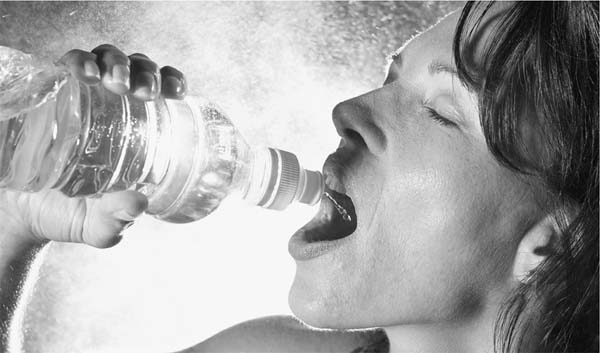
Still, the impact of satiety from beverage intake, whether caloric or not, needs to be examined. While some studies show that the amount of food consumed following consumption of beverages decreased, others demonstrate that the amount of beverages consumed prior to meals had no substantial relationship to the calorie intake. Hence, it is possible that drinking sweetened or caloric beverages before or during meals have no impact on the amount or calories of food intake. It is also possible that consuming caloric drinks prior to eating may add to the total calories consumed without substantially reducing the energy intake from the food. Replacing caloric beverages with water may be recommended to those who are at risk of developing or suffering from obesity. However, there is currently no agreement on the compensational mechanism of increasing water intake on the amount of food intake and the number of total calories consumed.
...
- Biological or Genetic Contributors to Obesity
- Adipocytes
- Adiponectin
- Adrenergic Receptors
- Agouti and Agouti Related Protein
- Animal Models of Obesity
- Animal QTLs (Quantitative Trait Locus)
- Bardet-Biedl Syndromes
- Cannabinoid Receptor
- CD36 and FAT (Fatty Acid Transporters)
- Cholecystokinin (CCK)
- Cortisol
- Cushing Syndrome
- Cytokines
- Db/Db Mouse
- Dopamine Receptor
- Down's Syndrome
- Epistatic Effects of Genes on Obesity
- Estrogen-Related Receptor
- Familial Lipodystrophies
- Fatty Acid Transport Proteins
- G-Protein Coupled Receptors
- Genetic Taste Factors
- Ghrelin
- Glucagon Receptor
- Glucocorticoids
- Glucokinase
- Growth Hormone
- HDL Receptors
- Histamine Receptor
- Hormone Sensitive Lipase
- Human QTLs
- Hypothyroidism
- Insulin and Insulin Resistance
- Insulin-Like Growth Factors
- Interleukins
- Intrauterine Growth Restriction
- LDL Receptors
- Leptin
- Leptin Receptors
- Lipoprotein Lipase
- Low Birth Weight
- Melanocortins
- Mendelian Disorders Related to Obesity
- Metabolic Rate
- Monogenic Effects that Result in Obesity
- Neuropeptides
- NPY (Neuropeptide Y)
- Ob/Ob Mouse
- Obesity and the Immune System
- Obesity Gene Map
- Opioid Receptor
- Perilipins
- POMC (Proopiomelanocortin)
- PPAR (Peroxisome Proliferator-Activated Receptors)
- Prader-Willi Syndrome
- Protein Kinase
- Set or Settling Point
- Steroids
- Thrifty Gene Hypothesis
- Thrifty Gene Hypothesis and Obesity
- Thyroid Hormone
- TNF (Tumor Nucrosis Factors)
- Transgenics and Knockouts for Obesity-Related Genes
- Tubby Candidate Gene
- Twin Studies and Genetics of Obesity
- Uncoupling Proteins
- Viral Causes of Obesity
- Children and Obesity
- Advertising
- Atherosclerosis in Children
- Bariatric Surgery in Children
- Behavioral Treatment of Child Obesity
- Beverage Choices in Children and Obesity
- Breastfeeding
- Changing Children's Food Habits
- Childhood Obesity as a Risk Factor for Adult Overweight
- Childhood Obesity Treatment Centers
- Children and Diets
- Ethnic Disparities in the Prevalence of Childhood Obesity
- Family Behavioral Interventions
- Family Therapy in the Treatment of Overweight Children
- Flavor Programming and Childhood Food Preferences
- Food Intake Assessments in Children
- Formation and Development of Food Preferences
- Genetic Taste Factors
- Hypertension in Children
- Implications of Restriction of Foods on Child Feeding Habits
- Medical Interventions for Children
- Metabolic Disorders and Childhood Obesity
- Morbid Obesity in Children
- National Weight Loss Efforts for Children
- Overweight Children and School Performance
- Overweight Children and the Media
- Peer Influences on Obesity in Children
- Pharmacological Treatment of Childhood Obesity
- Physical Activity in Children
- Prevalence of Childhood Obesity in Developing Countries
- Prevalence of Childhood Obesity in the United States
- Prevalence of Childhood Obesity Worldwide
- Prevention
- School-Based Interventions to Prevent Obesity
- Self-Esteem and Children's Weight
- Stigmas against Overweight Children
- Type 2 Diabetes
- Dietary Interventions to Treat Obesity
- Atkins Diet
- Calcium and Dairy Products
- Caloric Restriction
- Carbohydrate “Addictions”
- Chromium Picolinate
- Diet Myths
- Dietary Restraint
- Exercise
- Fast Foods
- Fiber and Obesity
- Fruits and Vegetables
- High-Carbohydrate Diets
- High-Protein Diets
- Jenny Craig
- L.A. Weight Loss
- Liquid Diets
- Low-Calorie Diets
- Low-Fat Diets
- Macrodiets
- Medifast
- Non-Diet Approaches
- Nutrisystem
- Nutrition Fads
- Optifast
- Physical Activity and Obesity
- Portion Control
- Slim-Fast
- South Beach Diet
- Supplements and Obesity
- Vegetarianism
- Very Low-Calorie Diets
- Volumetrics
- Water and Obesity
- Weight Watchers
- Zone, The
- Disordered Eating and Obesity
- Anorexia Nervosa
- Antidepressants
- Appetite Signals
- Binge Eating
- Body Dysmorphic Disorder
- Body Image
- Bulimia Nervosa
- Childhood Onset Eating Disorders
- Cognitive-Behavioral Therapy
- Depression
- Dieting: Good or Bad?
- Disinhibited Eating
- DSM-IV
- Eating Disorders and Athletes
- Eating Disorders and Gender
- Eating Disorders and Obesity
- Eating Disorders in School Children
- EDNOS
- Families of Eating Disorder Patients
- Feminist Perspective and Body Image Disorders
- Genetic Influences on Eating Disorders
- Hunger
- Neurotransmitters
- Night Eating Syndrome
- Physiological Aspects of Anorexia
- Physiological Aspects of Bulimia
- Prevalence of Disordered Eating
- Sexual Abuse and Eating Disorders
- Treatment Centers for Eating Disorders
- Weight Cycling and Yo-Yo Dieting
- Environmental Contributors to Obesity
- Accessibility of Foods
- Advertising of Foods to Children
- Children's Television Programming
- Economics of Food
- Energy Density
- Fast Foods
- Food Advertising
- Food Labeling
- Governmental Subsidizing of Energy Dense Foods
- Inaccessibility of Exercise
- Increased Reliance on Automobiles
- Increasing Portion Sizes
- Palatability
- Parental and Home Environments
- Safe Play Opportunities for Children
- School Lunch Programs
- Schools and Obesity
- Sodas and Soft Drinks
- Sugar and Fat Substitutes
- Supersizing
- Television
- Toxic Environment
- Health Implications of Obesity
- Appetite Control
- Asthma
- Atherosclerosis
- Back Pain
- Blood Lipids
- Body Image
- Breast Cancer
- Colon Cancer
- Congestive Heart Failure
- Depression
- Elevated Cholesterol
- Fatty Liver
- Fertility
- Fitness
- Gallbladder Disease
- Gastroesophageal Reflux (GERD)
- Gastrointestinal Disorders
- Gestational Diabetes
- Gout
- High-Density Lipoproteins
- Hormones
- Hypertension
- Impotence
- Kidney Failure
- Kidney Stones
- Low-Density Lipoproteins
- Menstrual Problems
- Mortality and Obesity
- Osteoarthritis
- Osteoporosis
- Ovarian Cancer
- Ovarian Cysts
- Overall Diet Quality
- Polycystic Ovary Disease
- Respiratory Problems
- Sexual Health
- Sleep Apnea
- Stroke
- Type 2 Diabetes
- Urinary Incontinence in Severe Obesity in Women
- Uterine Cancers
- Medical Treatments for Obesity
- American Medical Association
- American Obesity Association
- Amphetamines
- Caffeine
- Cost of Medical Obesity Treatments
- Dexatrim
- Dieting: Good or Bad?
- Ephedra
- Fenfluramine
- Future of Medical Treatments for Obesity
- Gastric Bypass
- Gastroplasty
- Health Coverage of Gastric Surgeries
- International Obesity Task Force
- Laparoscopy
- Liquid Diets
- Low-Calorie Diets
- Medical Interventions for Children
- Medications that Affect Nutrient Partitioning
- Multidisciplinary Bariatric Programs
- Noradrenergic Drugs
- North American Association for the Study of Obesity
- Orlistat (Xenical)
- Physician-Assisted Weight Loss
- Qualifications for Gastric Surgery
- Roux-en-y Gastric Bypass
- Serotonergic Medications
- Sibutramine (Meridia)
- Thyroid Medications
- Vertical Banded Gastroplasty
- Very Low-Calorie Diets
- New Research Frontiers on Obesity
- Acomplia
- Bioelectrical Impedance Analysis
- Bod Pod and Pea Pod
- CART Peptides
- Combined Approaches to Treatment
- Computerized Tomography
- DEXA (Dual Energy X-ray Absorptiometry)
- Dilution Techniques
- Doubly Labeled Water
- Drug Targets that Decrease Food Intake/Appetite
- Drugs that Block Fat Cell Formation
- Energy Expenditure Technologies
- Food Technology
- Frontiers in Maintenance and Prevention
- Functional Foods
- Functional Magnetic Resonance Imaging
- Genetic Mapping of Obesity-Related Genes
- Genomics
- Histamines
- Hormone Disorders
- Hydrodensitrometry
- Indirect Calorimetry
- Intestinal Microflora Concentrations
- Leptin Supplements
- Magnetic Resonance Imaging Scans for Viewing Body Composition
- Metformin
- Microarray Analysis
- New Candidate Obesity Genes
- New Drug Targets that Prevent Fat Absorption
- New Drug Targets to Improve Insulin Sensitivity
- New Drug Targets to Increase Metabolic Rate
- Non-Diet Approaches
- Obesity and Viruses
- Quantitative Trait Locus Mapping
- Rimonabant
- SNP Technologies
- Three-D Image Reconstruction
- Translational Research
- Whole-Body Potassium Counting
- Obesity and Ethnicity/Race
- African Americans
- Asian Americans
- Body Fat Distribution in African Americans
- Body Fat Distribution in Asian Americans
- Body Fat Distribution in Hispanic Americans
- Cardiovascular Disease in African Americans
- Cardiovascular Disease in Asian Americans
- Cardiovascular Disease in Hispanic Americans
- Caucasians
- Dominican Americans
- Ethnic Variations in Body Fat Storage
- Ethnic Variations in Obesity-Related Health Risks
- Genetics
- Health Disparities—NIH Strategic Plan
- Hispanic Americans
- Hypertension in African Americans
- Hypertension in Asian Americans
- Hypertension in Hispanic Americans
- Mexican Americans
- Native Americans
- Obesity and Socioeconomic Status
- Pima Indians
- Puerto Rican Americans
- Sisters Together
- Thrifty Gene Hypothesis
- U.S. Office of Minority Health
- Western Diets
- Obesity and the Brain or Obesity and Behavior
- Antidepressants
- Appetite Control
- Autonomic Nervous System
- Bombesin
- Cannabinoid System
- Central Nervous System
- Cholecystokinin
- Conditioned Food Preferences
- Corticotropin-Releasing Hormone
- Dopamine
- Drugs and Food
- Fat Taste
- Flavor: Taste and Smell
- Folic Acid and Neural Tube Defects
- Food “Addictions”
- Food Reward
- Gustatory System
- Habituation
- Hypothalamus
- Inherited Taste Preferences
- Insulin
- Liking vs. Wanting
- Medications that Increase Body Weight
- Mood and Food
- Neuropeptide-Y
- Neurotransmitters
- Norepinephrine
- Nutrient Reward
- Olfactory System
- Opioids
- Oxytocin and Food Intake
- Peripheral Nervous Sytem
- Pituitary Gland
- Satietin
- Sensory-Specific Satiety
- Sweet Taste
- Sympathetic Nervous System
- Taste Aversion Learning
- Taste Reactivity
- Thyroid Gland
- Tryptophan
- Obesity as a Public Health Crisis
- Access to Nutritious Foods
- American Academy of Pediatrics
- American College of Sports Medicine
- American Diabetes Association
- American Dietetic Association
- American Heart Association
- American Medical Association
- American Obesity Association
- American Society for Bariatric Surgery
- Built Environments
- Center for Maternal and Child Health
- Center for Nutrition Policy and Promotion
- Center for Science in the Public Interest
- Centers for Disease Control and Prevention
- Child Obesity Programs
- Community Level Initiatives to Prevent Obesity
- Community Programs to Prevent Obesity
- Council on Size and Weight Discrimination
- Economics of Obesity
- Expanded Food and Nutrition Program
- Federal Initiatives to Prevent Obesity
- Food and Drug Administration
- Food Guide Pyramid
- Food Labeling
- Food Marketing to Children
- Food Stamp Nutrition Education Program
- Government Agencies
- Head Start
- Healthy Eating Index
- Healthy People 2010
- National Association to Advance Fat Acceptance
- National Cancer Institute
- National Center for Health Statistics
- National Eating Disorders Association
- National Heart, Lung, and Blood Institute
- National Institutes of Health
- NIDDK
- North American Association for the Study of Obesity
- Obesity in Schools
- Office of Dietary Supplements
- Office of Minority Health
- Policy to Prevent Obesity
- President's Council on Physical Fitness and Sports
- Safety of Urban Environments
- School Initiatives to Prevent Obesity
- Shape-Up America!
- Social Marketing and Obesity
- State and Local Initiatives to Prevent Obesity
- Taxation of Unhealthy Foods
- Toxic Environment
- U.S. Department of Agriculture
- U.S. Department of Health and Social Services
- Weight Control Information Network
- Psychological Influences and Outcomes of Obesity
- Addictive Behaviors
- Anorexia Nervosa
- Anxiety
- Binge Eating
- Bulimia Nervosa
- Cognitive-Behavioral Therapy
- Compulsive Overeating
- Depression
- Disordered Eating
- Eating Disorders in School Children
- External Controls
- Loneliness
- Night Eating Syndrome
- Obsessive Compulsive Disorder
- Psychiatric Medicine and Obesity
- Self-Esteem and Obesity
- Stress
- Suicidality
- Well-Being
- Societal Influences and Outcomes of Obesity
- Alcohol
- Appearance
- Body Image
- Breastfeeding vs. Formula Feeding
- Built Environments
- Calcium Intake and Dairy Products
- Carbohydrate and Protein Intake
- Computers and the Media
- Eating Out in the United States
- Fat Acceptance
- Fat Intake
- Flavor Learning
- Food Advertising and Obesity
- Food Guide Pyramid
- Food Intake Patterns
- Food Labeling
- Food Preferences
- Governmental Policy and Obesity
- Income Level and Obesity
- Nutrition Education
- Obesity and Academic Performance
- Obesity and Drug Use
- Obesity and Sports
- Obesity and the Media
- Obesity in Schools
- Personal Relationships and Obesity
- Physical Activity Patterns in the Obese
- Smoking
- Soda and Soft Drink Intake
- Stereotypes and Obesity
- Supersizing
- Variety of Foods and Obesity
- Virtual Environments
- Weight Discrimination
- Western Diet
- Women and Dieting
- Women and Obesity
- Assessment of Obesity and Health Risks
- Bariatric Surgery in Women
- Body Image
- Breast Cancer
- Breastfeeding
- Colon Cancer
- Coronary Heart Disease in Women
- Early Onset Menarche and Obesity in Women
- Economic Disparities among Obesity in Women
- Endometrial and Uterine Cancers
- Estrogen Levels
- Ethnic Disparities among Obesity in Women
- Exercise and Physical Activity among Obese Women
- Fat Acceptance
- Fertility
- Food Preferences
- Gestational Diabetes
- Implications of Gestational Development
- Maternal Influences on Child Feeding
- Menopause and Obesity
- Morbid Obesity in Women
- Obese Women and Social Stigmatization
- Polycystic Ovary Disease
- Pregnancy Prevalence of Obesity in U.S. Women
- Self-Esteem in Obese Women
- Support Groups for Obese Women
- Waist-to-Hip Ratio
- Women and Diabetes
- Women and Dieting
- Worldwide Prevelance of Obesity
- Loading...
Get a 30 day FREE TRIAL
-
 Watch videos from a variety of sources bringing classroom topics to life
 -
Read modern, diverse business cases
-
Explore hundreds of books and reference titles

Read next

More like this
Sage Recommends
We found other relevant content for you on other Sage platforms.
Have you created a personal profile? Login or create a profile so that you can save clips, playlists and searches